Newsletters


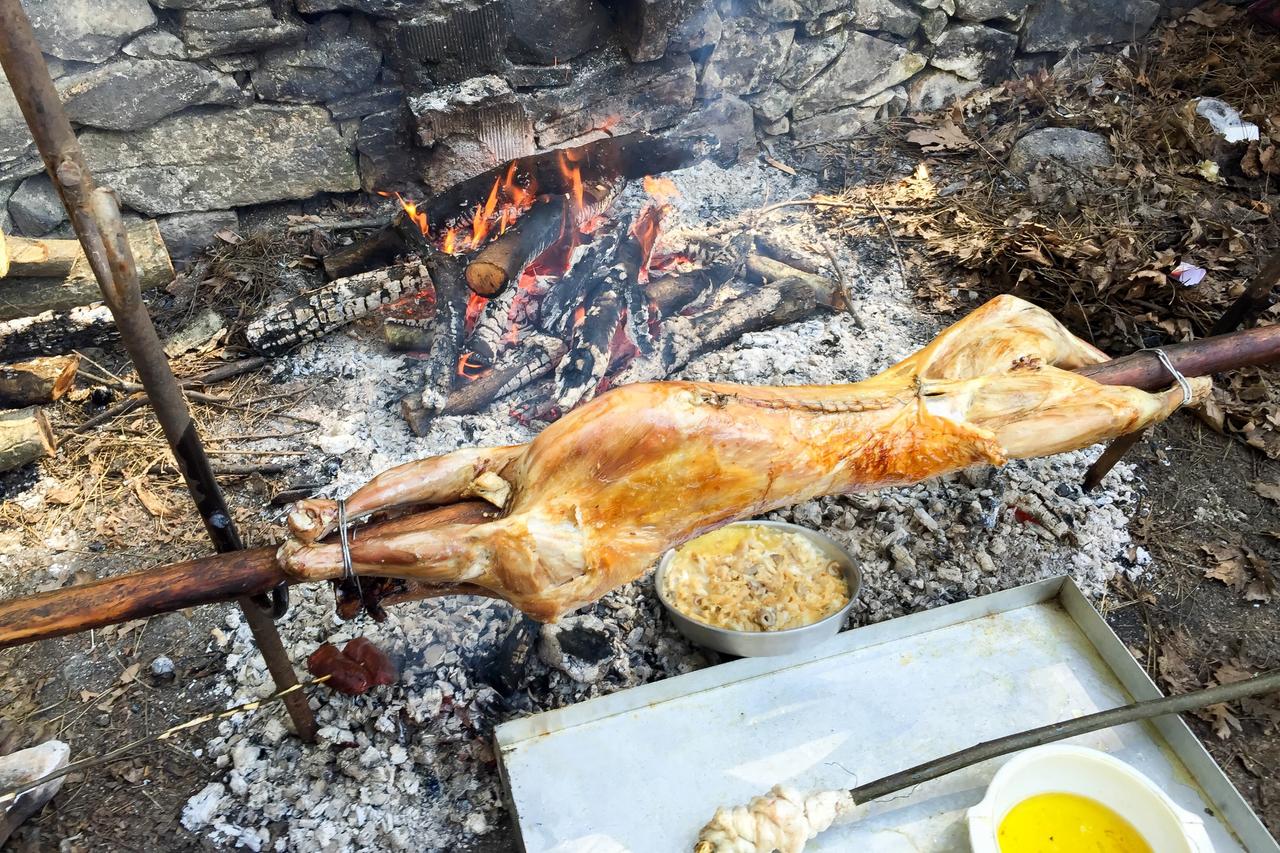


Goat and kid meat can stand out as a valuable animal protein, and much of the resistance to it tends to stem from bias or bad experiences rather than the meat itself. The key is to focus on what it is, how it tastes, how nourishing it can be, and how to cook it properly so any unwanted smell does not take over.
One of the most common misunderstandings is mixing up kid (a young goat, often called “oglak” in Türkiye) with older goat, and then applying the same cooking expectations to both. Kid meat is generally milder and more tender, while goat meat from animals over one year old is described as more intense and firmer.
This confusion has fed a set of stereotypes, including claims that goat meat is tough, sour, upsetting to the stomach, or strongly smelly. Experts argues these are largely misconceptions, and it stresses that feeding conditions matter most, whether the animal is a goat or a kid.
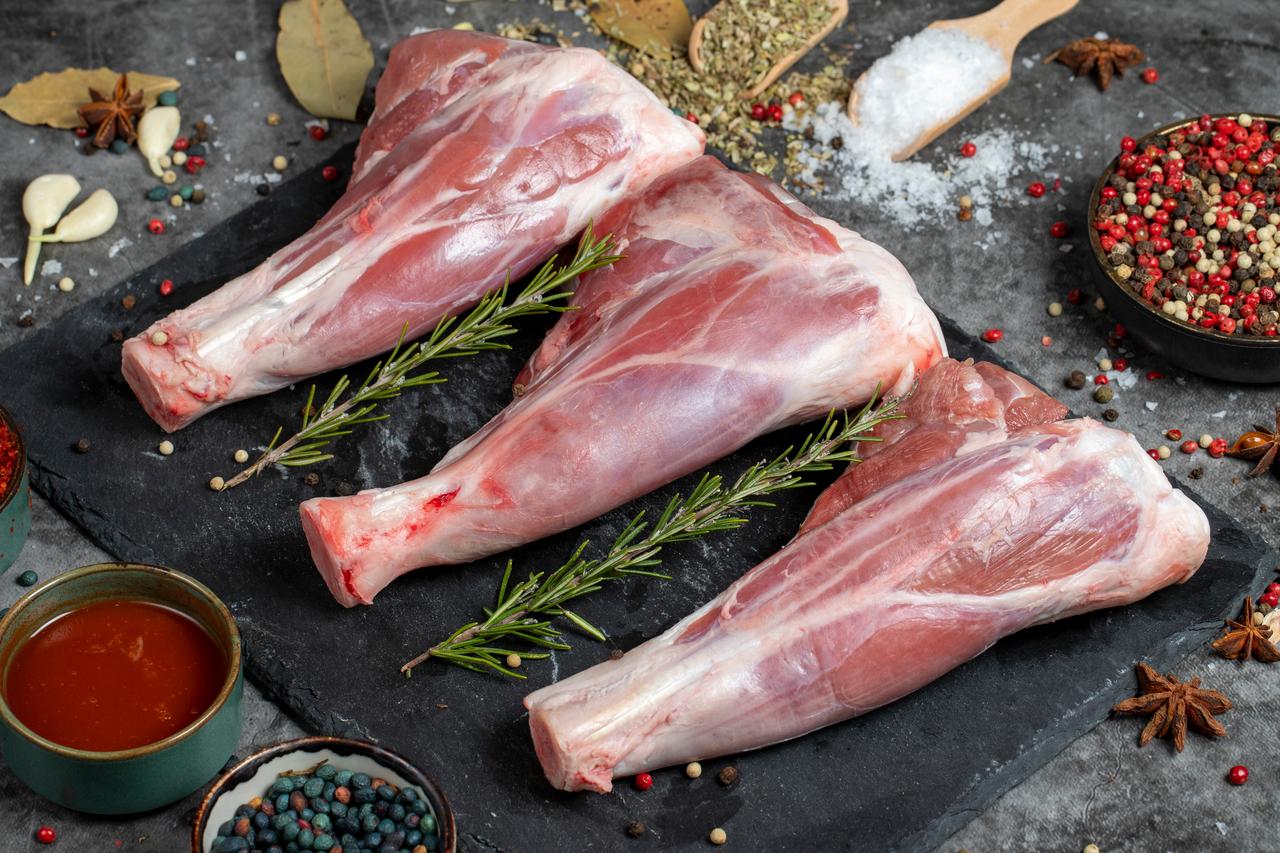

In some countries, goat and kid are treated as premium foods. According to experts, Greece, where it says kid meat is eaten on Thanksgiving, and it notes that young kid carcasses are sold in Mexico and Spain under names such as capretto or cabritos. It also mentions that in France, goat carcasses are sold as chevon.
Experts adds that kid or goat meat has been showing up more often on Michelin-starred restaurant menus, suggesting that the ingredient is increasingly being taken up in high-end cooking.
Experts argues that “strong smell” is not unique to goat, noting that female goat meat can smell stronger, while female sheep meat can also be noticeably strong. It also pushes back on the belief that goat meat causes diarrhea, saying the real issue people cite is goat hair, and that a similar concern can apply to lamb as well.
According to the experts, experts describe goat meat as having a protein level similar to sheep and beef, while its fat content is said to be about 50% to 65% lower. Because it is leaner, it is presented as a choice that can appeal to people paying attention to cardiovascular health.
It also states that goat meat is known for having higher levels of B1, B2, and B3 vitamins compared with other meats, and it links these nutrients to protecting the nervous system and supporting healthy skin, hair, and nails, while also tying them to carbohydrate and fat burning.
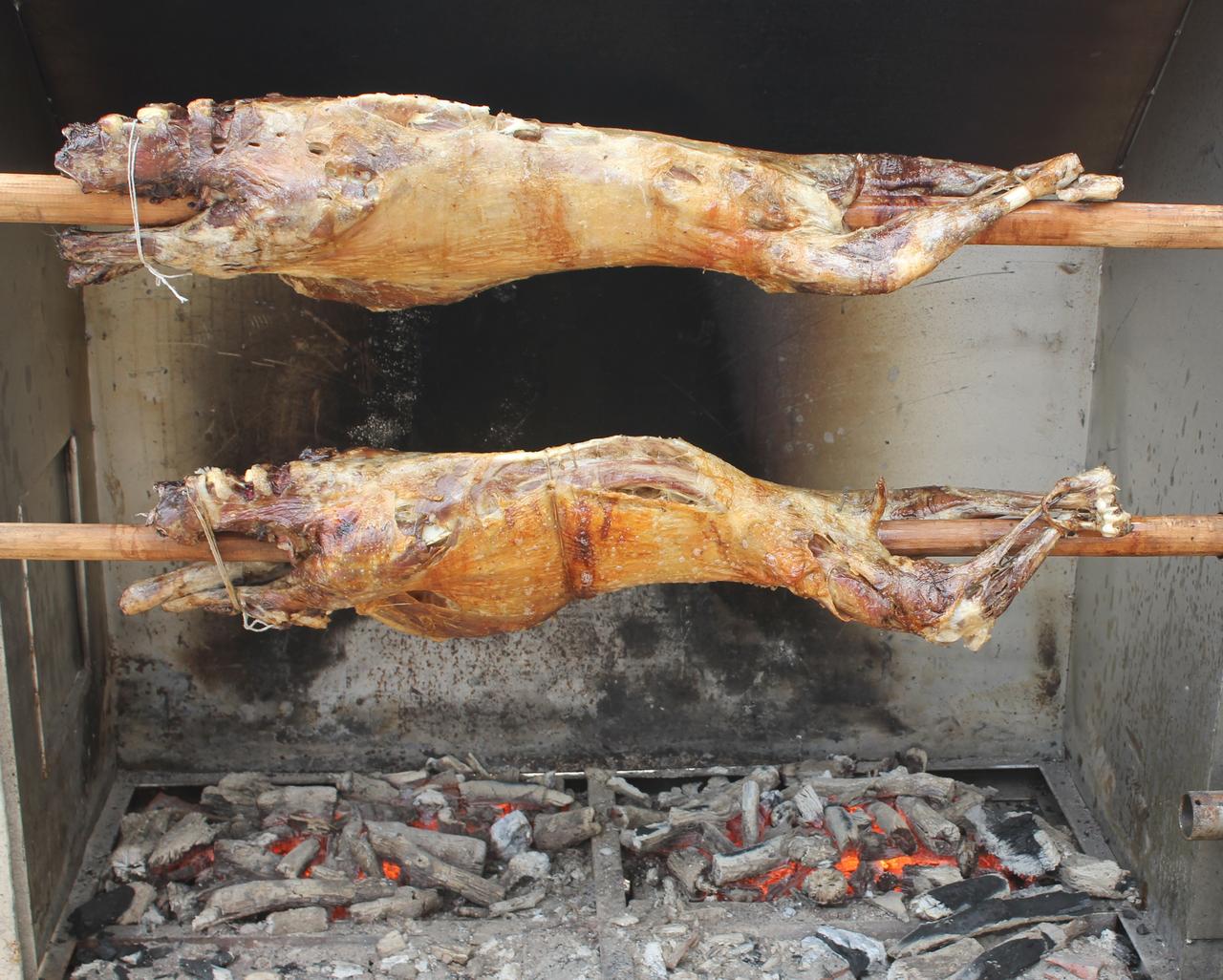
Research says goat meat has “healthy fatty acid” proportions in the 61% to 80% range, and it claims iron content is higher than in other meats. It also states that goat meat is known for being lower in calories than even chicken, which it describes as among the lowest-calorie meats.
The article additionally frames naturally fed kid meat as notably lean, arguing that goats that graze on self-selected plants are more likely to be “organic” in character.
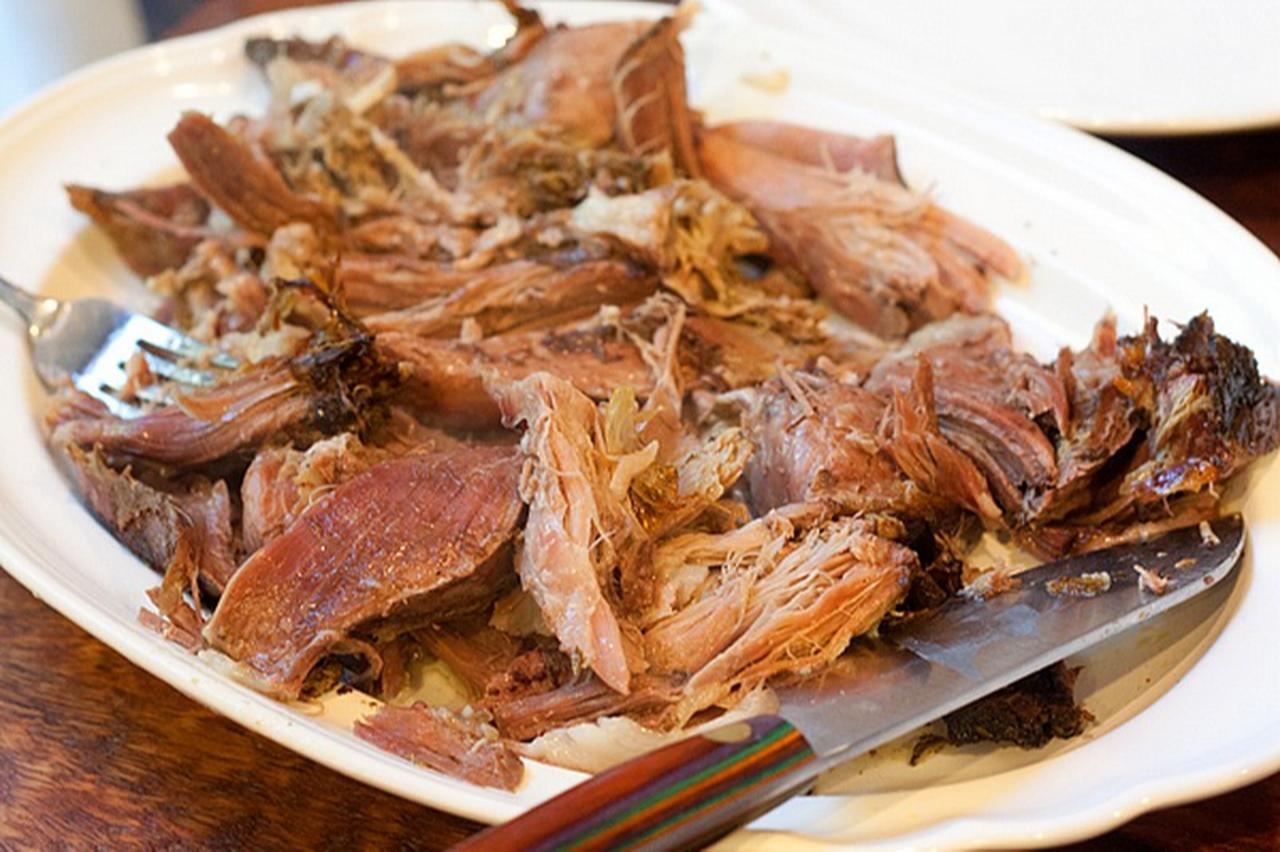
In Türkiye kid tandir (slow-roasted kid) is prepared in March and April, and eneme keci kavurma the rest of the year.
Here, eneme is defined as a castrated goat, and kavurma refers to a traditional cooked meat preparation often made by slowly cooking meat in its own fat until tender.
Ingredients
Preparation
The kid goat is cut into large pieces and washed thoroughly. After draining the water, the meat is placed in a pot, covered with water, and boiled. Once tender, it is transferred to a baking tray.
Oil, tomato paste, salt, and bay leaf are added, along with one glass of the cooking liquid. The tray is covered with foil and placed in a preheated oven at 220 C. It is baked in a controlled manner for about 2 to 2.5 hours, with additional liquid added if needed.
When browning begins, the meat is turned, covered again, and returned to the oven. After the meat becomes tender, finely chopped onion is added and lightly roasted. The dish is finished by adding the remaining cooking liquid and baking until fully roasted. The tray is then removed and left to rest for about 15 minutes before serving.
Ingredients
Preparation
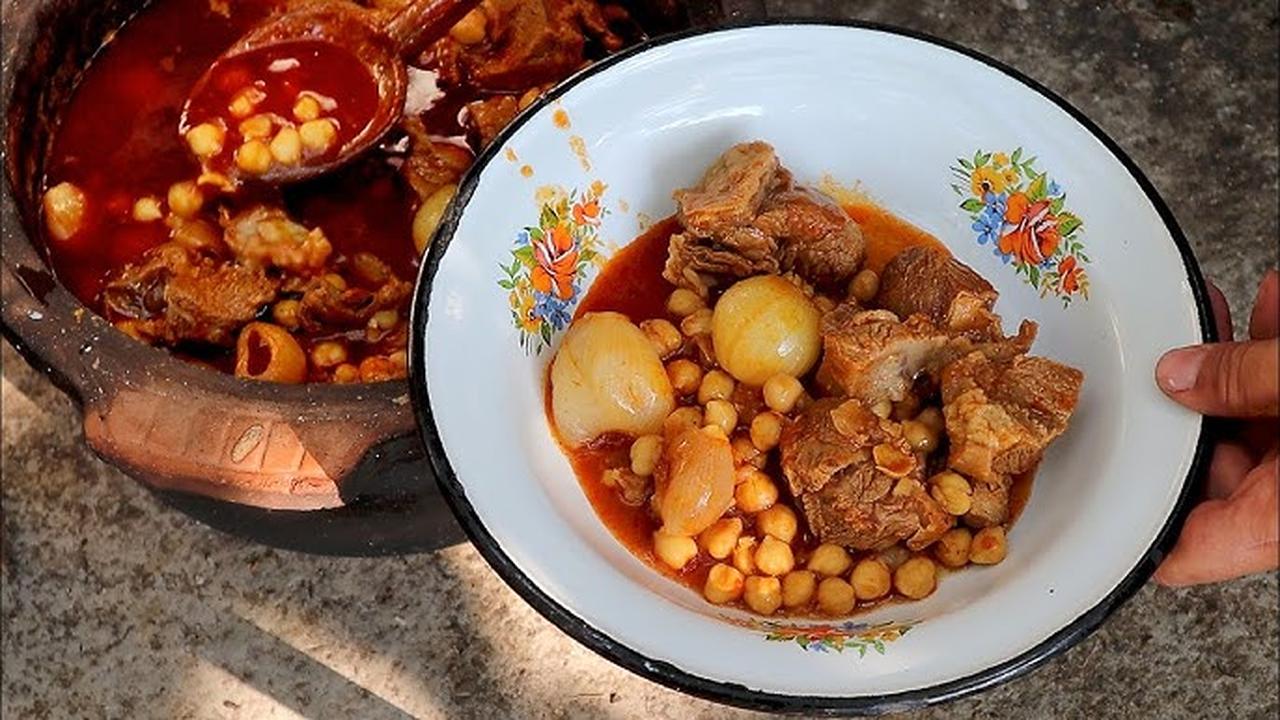
The cubed goat meat is placed in a pressure cooker and sauteed until it releases and reabsorbs its own juices. Enough hot water is then added to cover the meat, and it is left to cook until tender.
In a separate pot, butter and oil are heated, and tomato paste is roasted briefly. The cooked meat is added, followed by pearl onions, garlic, salt, and spices. The stew is simmered over controlled heat until the onions soften. During this stage, stirring is kept to a minimum so the onions remain whole.
Ingredients
Preparation
To prepare the syrup, sugar and water are mixed in a small saucepan and brought to the stove. Once it starts to boil, the lemon juice is added and the syrup is simmered for another five minutes, then set aside to cool.
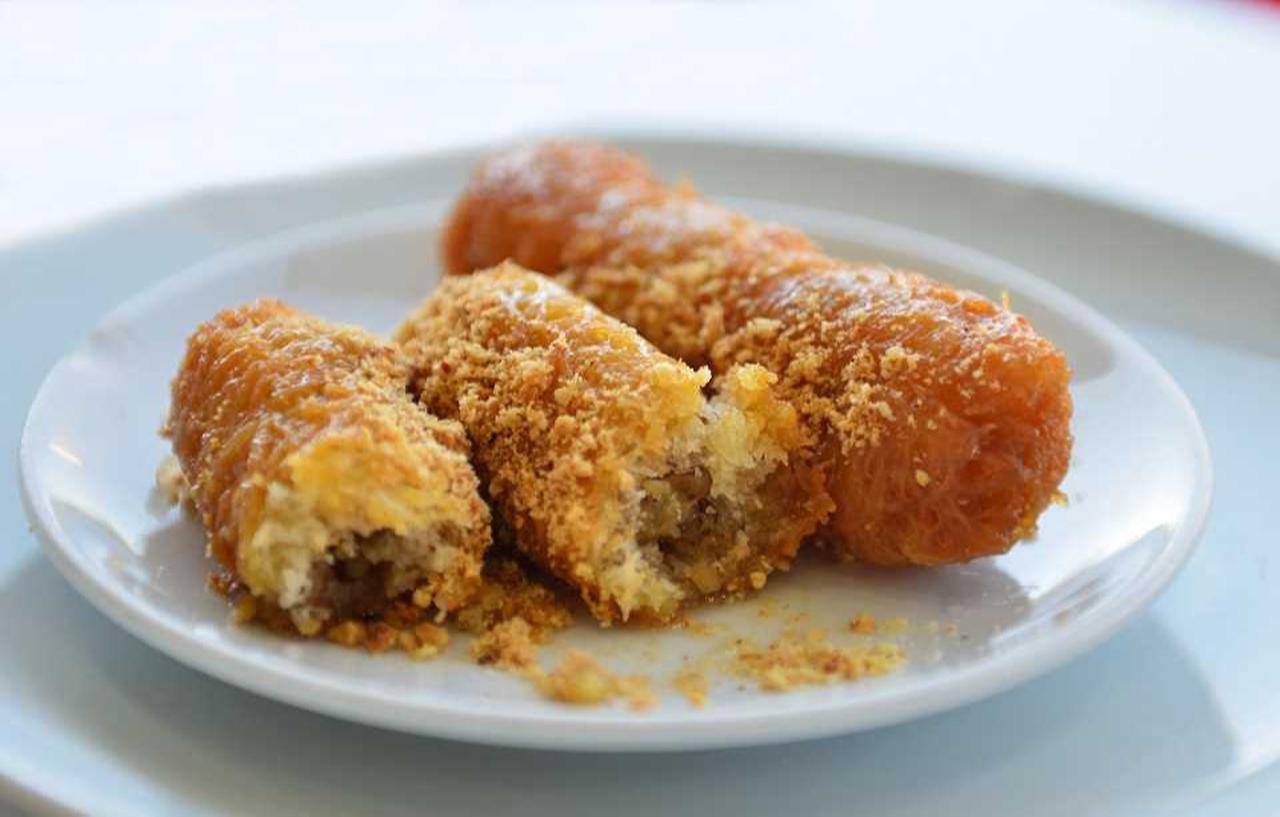
Afterward, a thick handful of fresh kadayif is spread out on the counter. Crushed walnuts are placed along the center, and the pastry is rolled up tightly into a log shape. This process is repeated until all the kadayif is used.
Eggs and milk are whisked together in a deep bowl. The rolled kadayif pieces are dipped into the mixture and then fried in hot oil until all sides turn golden and crisp. While still hot, the kadayif rolls are dipped evenly into the cooled syrup.


 Set as preferred source
 Set as preferred source


 3 min read