Newsletters


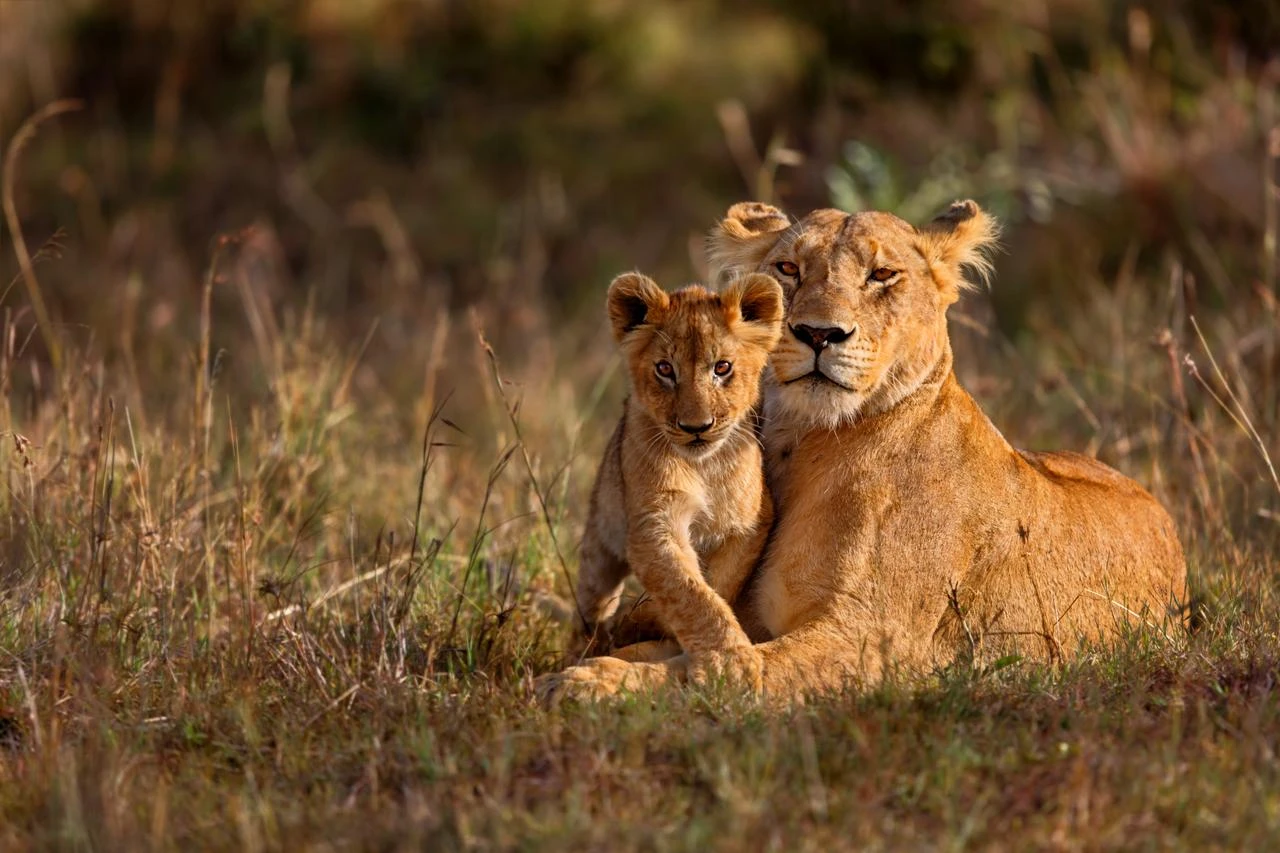


Around 23,000 wild lions are estimated to remain in Africa, while the species now occupies just over 6% of its historical range, underscoring how dramatically one of the world's most recognizable predators has been pushed back across continents.
Once spread across much of Africa, Europe, the Middle East, and southwestern Asia, lions are now largely restricted to fragmented populations in sub-Saharan Africa and a single surviving population in western India.
World Lion Day, observed annually on Aug. 10, draws attention both to this long-term decline and to conservation programs that have produced sharply different outcomes across the lion's remaining range.
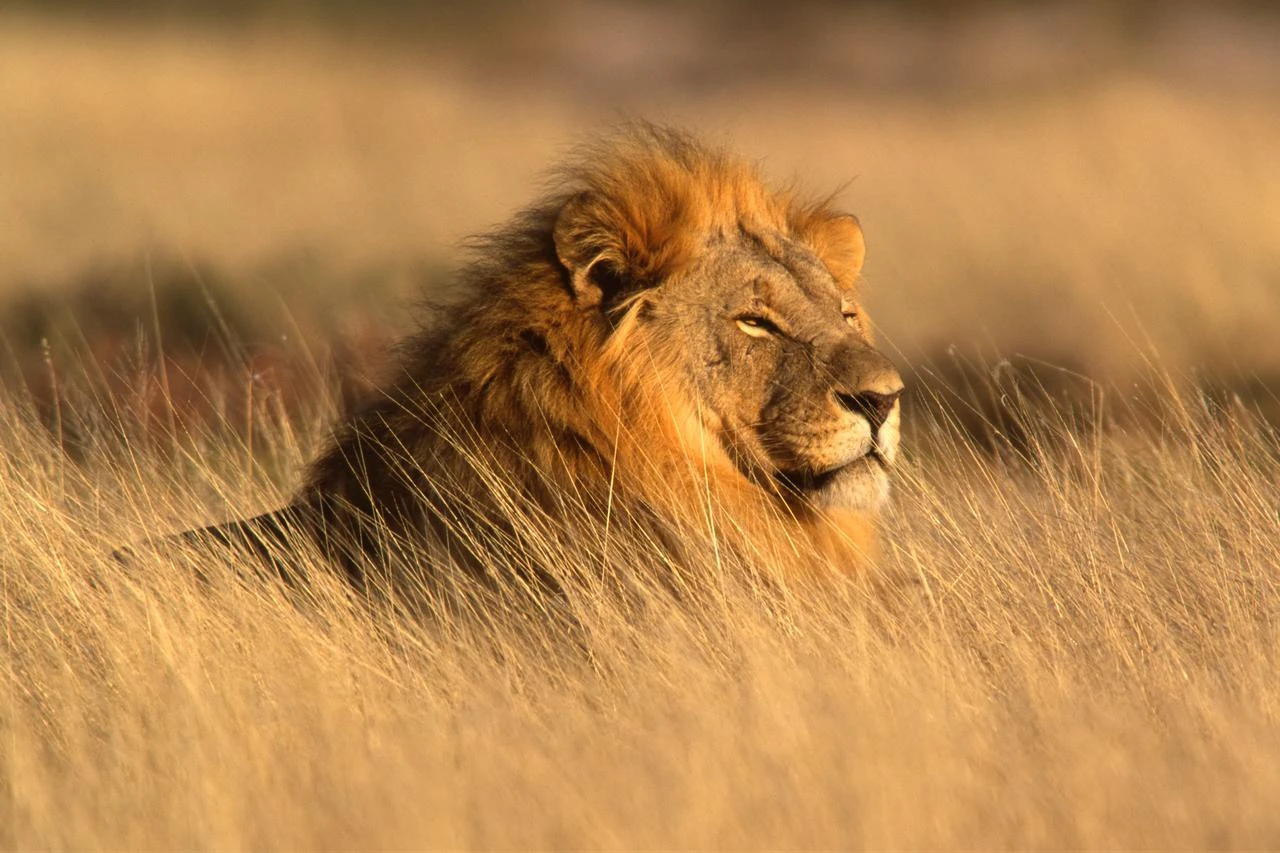

There is no single continent-wide census of African lions, making it difficult to establish an exact global population.
Estimates bring together camera-trap surveys, sightings, tracking data, population models, and expert assessments carried out across different countries and years. Some surveys include cubs, while others focus on adults and older juveniles, meaning national estimates cannot always be compared directly.
The Lion Recovery Fund puts Africa's wild lion population at around 23,000, drawing on information compiled by the International Union for Conservation of Nature's Cat Specialist Group.
The IUCN Cat Specialist Group separately estimated between 22,000 and 25,000 adult and subadult lions in Africa in 2025, while stressing that large parts of the species' range have never been systematically surveyed.
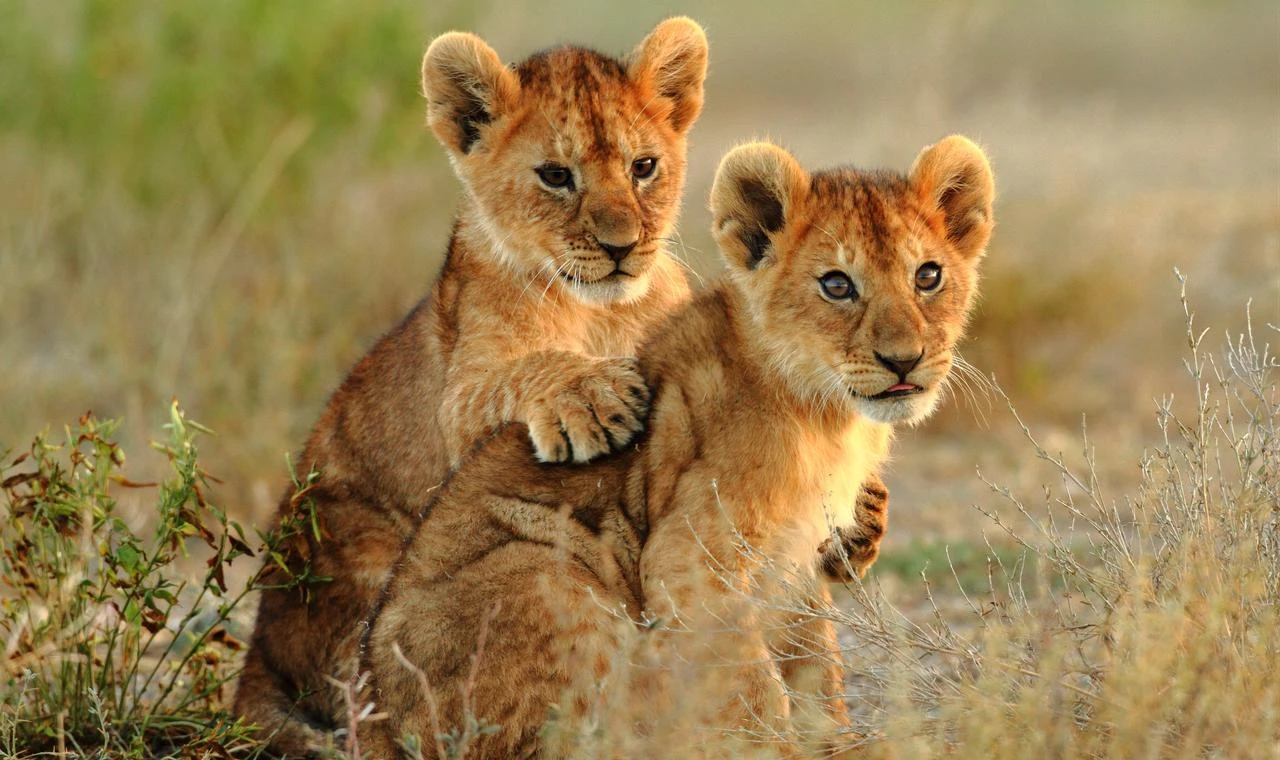
The scale of the decline becomes even clearer when measured by territory.
In 2025, lions occupied an estimated 566,675 square kilometers, equivalent to just 6.13% of their historical range, according to the IUCN Cat Specialist Group.
They have disappeared from at least 16 African countries, including Egypt, Morocco, Algeria, Eritrea, Gambia, Lesotho, and Sierra Leone, and may also be extinct in several others.
Beyond Africa, wild lions now survive only in India's Gujarat state.
They disappeared from Europe in ancient times and were gradually wiped out from North Africa, the Middle East, and most of Asia between the 19th and mid-20th centuries. Türkiye's last lions are believed to have disappeared in the late 1800s.
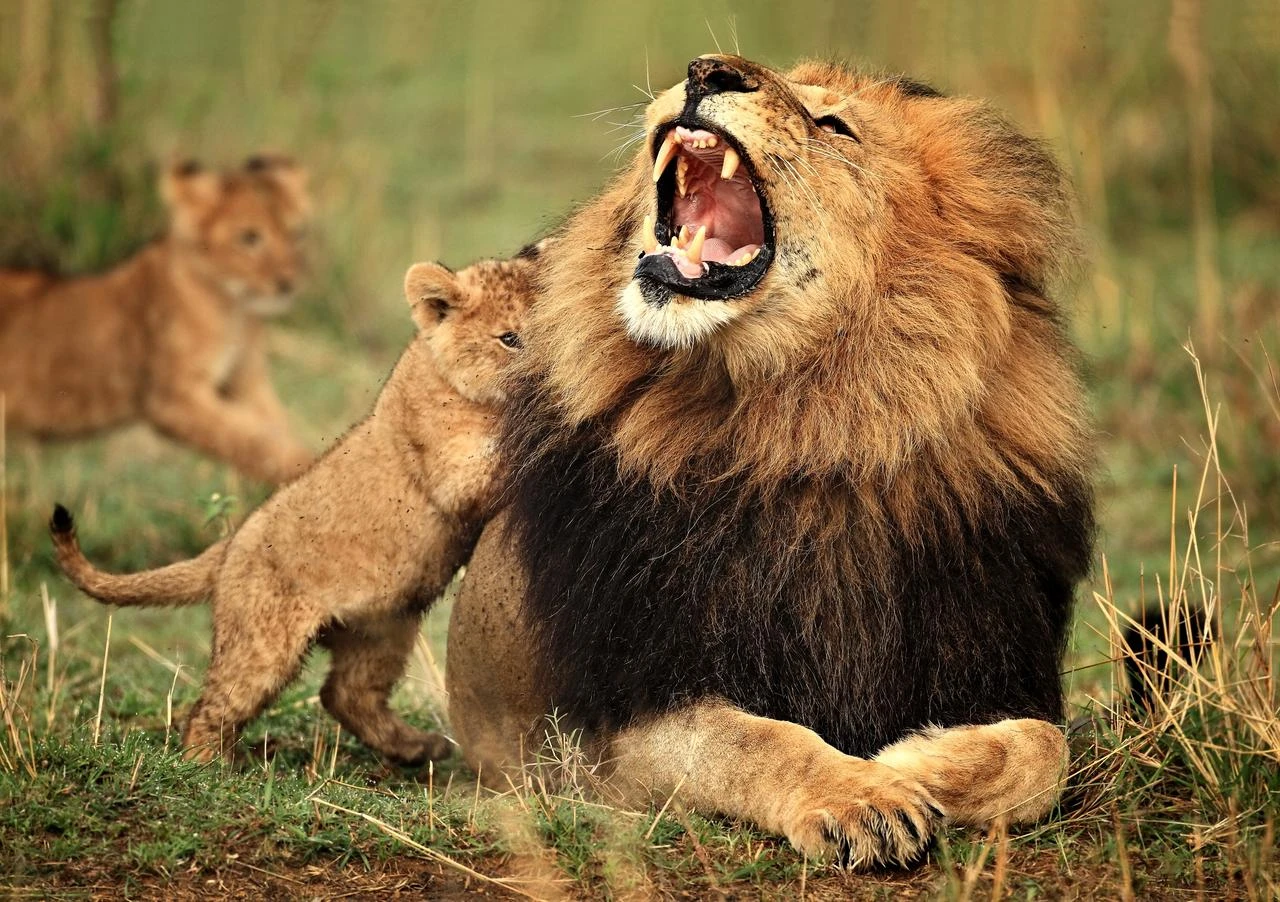
Tanzania continues to stand out as the country with the world's largest national population of wild lions, with conservation organizations estimating that around 8,000 remain there.
Other major populations survive across eastern and southern Africa. South Africa is estimated to have about 3,490 free-roaming lions, including animals living in transfrontier conservation areas, while Botswana has around 2,800 and Kenya counted 2,589 during its 2021 national wildlife census.
Important populations also remain in Zambia, Zimbabwe, Mozambique, and Namibia, including ecosystems that stretch across national borders.
The situation is far more fragile in West and Central Africa. The largest West African population is estimated at only around 187 lions in the W-Arly-Pendjari conservation complex spanning Benin, Burkina Faso, and Niger.
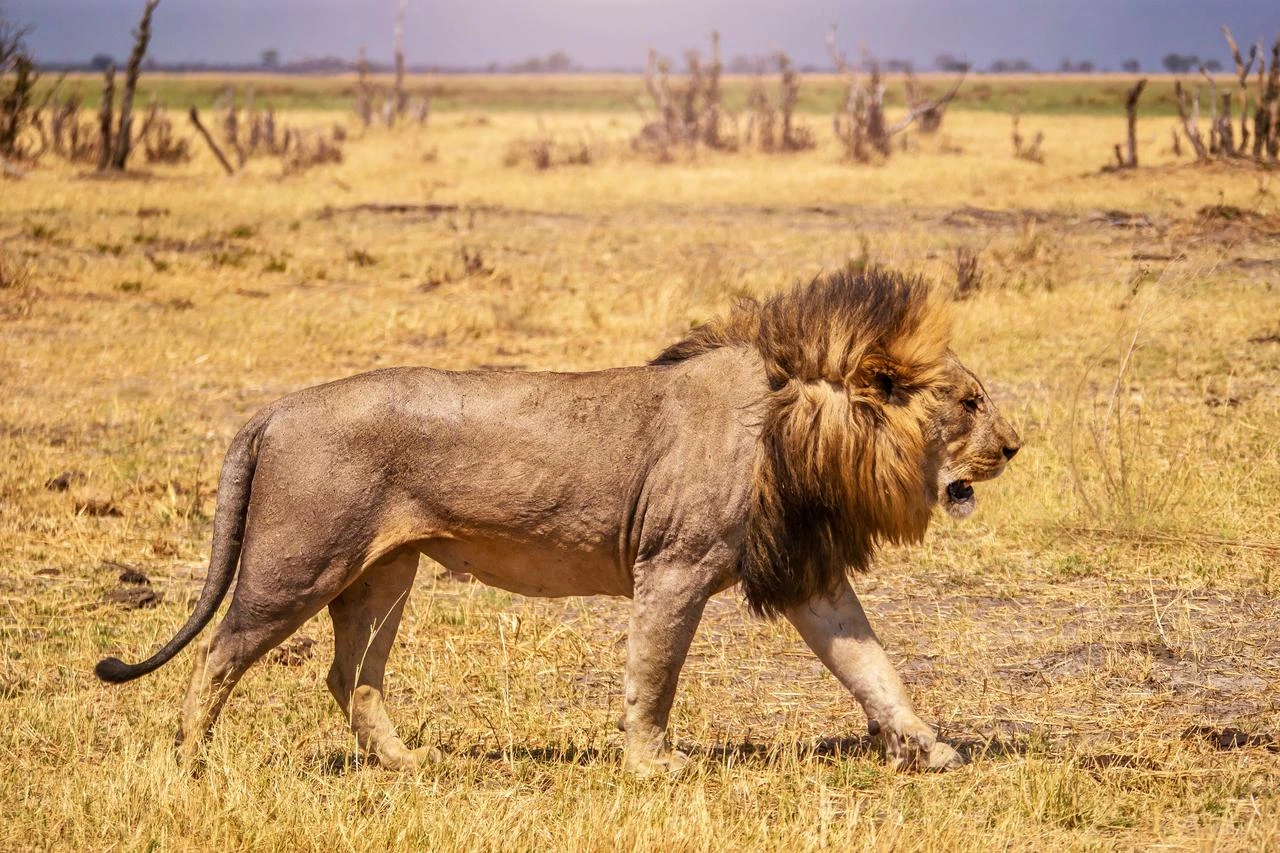
While many African populations have declined, India's Asiatic lions have followed a markedly different path.
Their population climbed to 891 in 2025 from 674 in 2020, an increase of 217 animals, or about 32%, according to the Gujarat government.
The recovery is even more significant over the longer term, as only around a dozen lions were believed to have survived in Gujarat's Gir forests by the late 19th century after widespread hunting and habitat loss.
Conservation measures allowed the population to rebuild, although all remaining Asiatic lions are still concentrated in Gujarat's Greater Gir landscape.
This leaves them vulnerable to disease outbreaks, extreme weather, and other large-scale disasters, while their expansion beyond protected areas is also bringing them into more frequent contact with people, livestock, roads, and settlements.
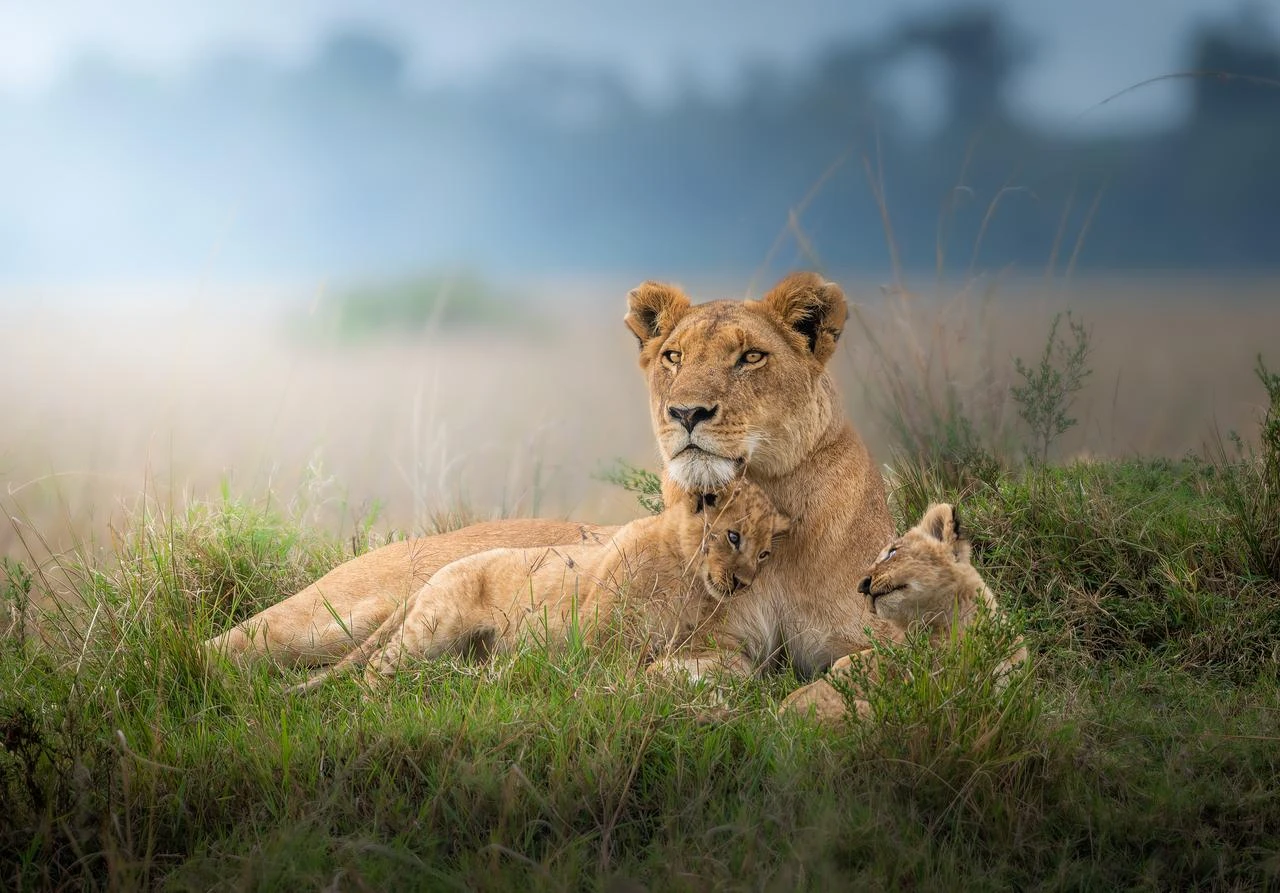
The IUCN Cat Specialist Group estimates that the lion's occupied range contracted by 34% between 2004 and 2025, roughly three lion generations, and suspects that the overall population fell by a similar proportion.
The steepest losses have taken place in West and Central Africa, although some conservation programs have managed to turn local declines around.
In Senegal's Niokolo-Koba National Park, for example, the lion population recovered from fewer than 10 animals to nearly 40 after protection and conservation efforts were stepped up. Lions have also been successfully brought back to protected areas in Rwanda, Malawi, and Zambia.
Botswana, however, has moved in the opposite direction, with its estimated lion population falling by about 20% from roughly 3,500 in 2015 to around 2,800.
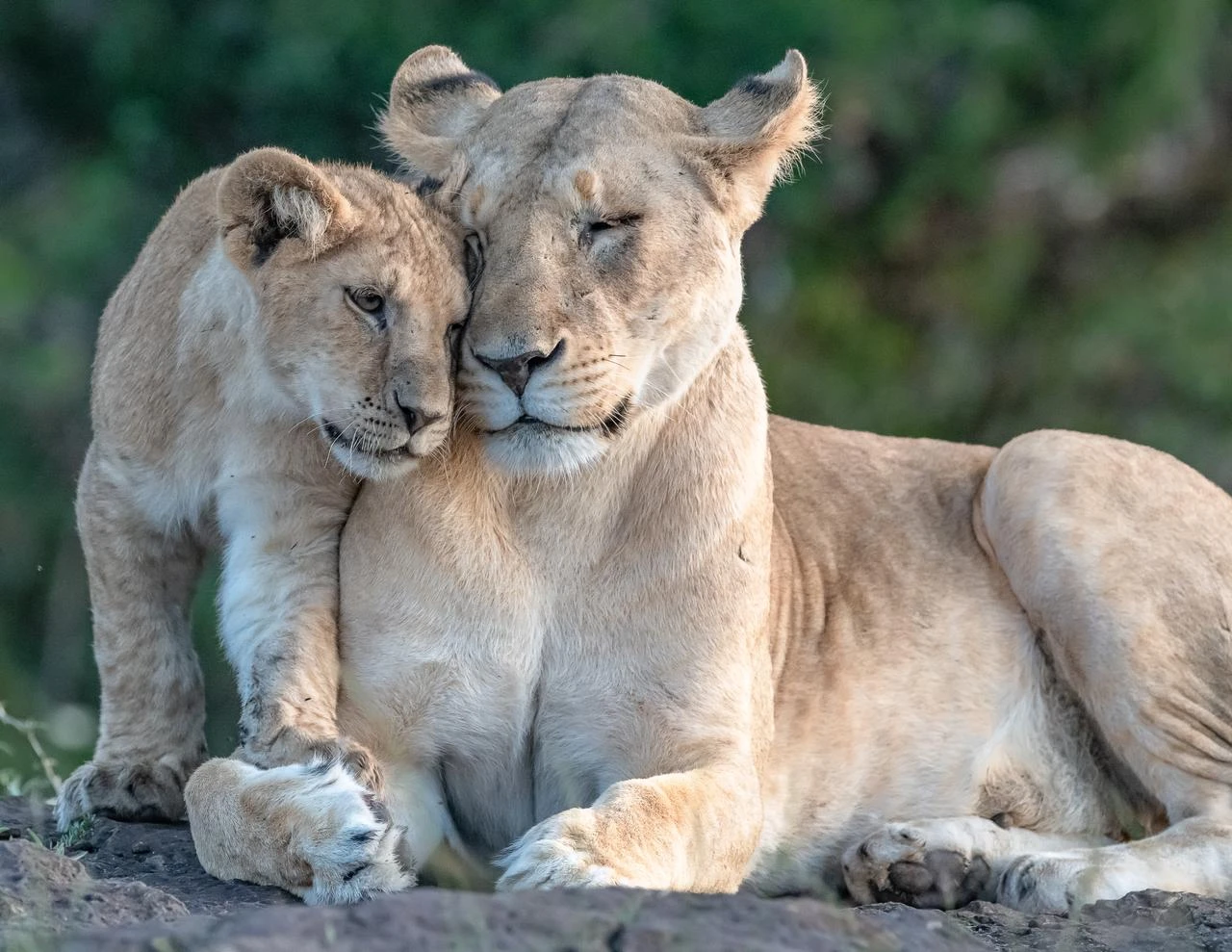
All living lions belong to the species Panthera leo, which is classified as "vulnerable" on the IUCN Red List, meaning it faces a high risk of extinction in the wild.
Scientists recognize two subspecies. Panthera leo leo, which includes Asiatic lions as well as populations in West and Central Africa, is classified as "Endangered," while Panthera leo melanochaita, covering eastern and southern African populations, is listed as "Vulnerable."
The species has also been assessed as "Largely Depleted" under the IUCN Green Status of Species, a system that measures how far a species remains from fully recovering across its historical range.
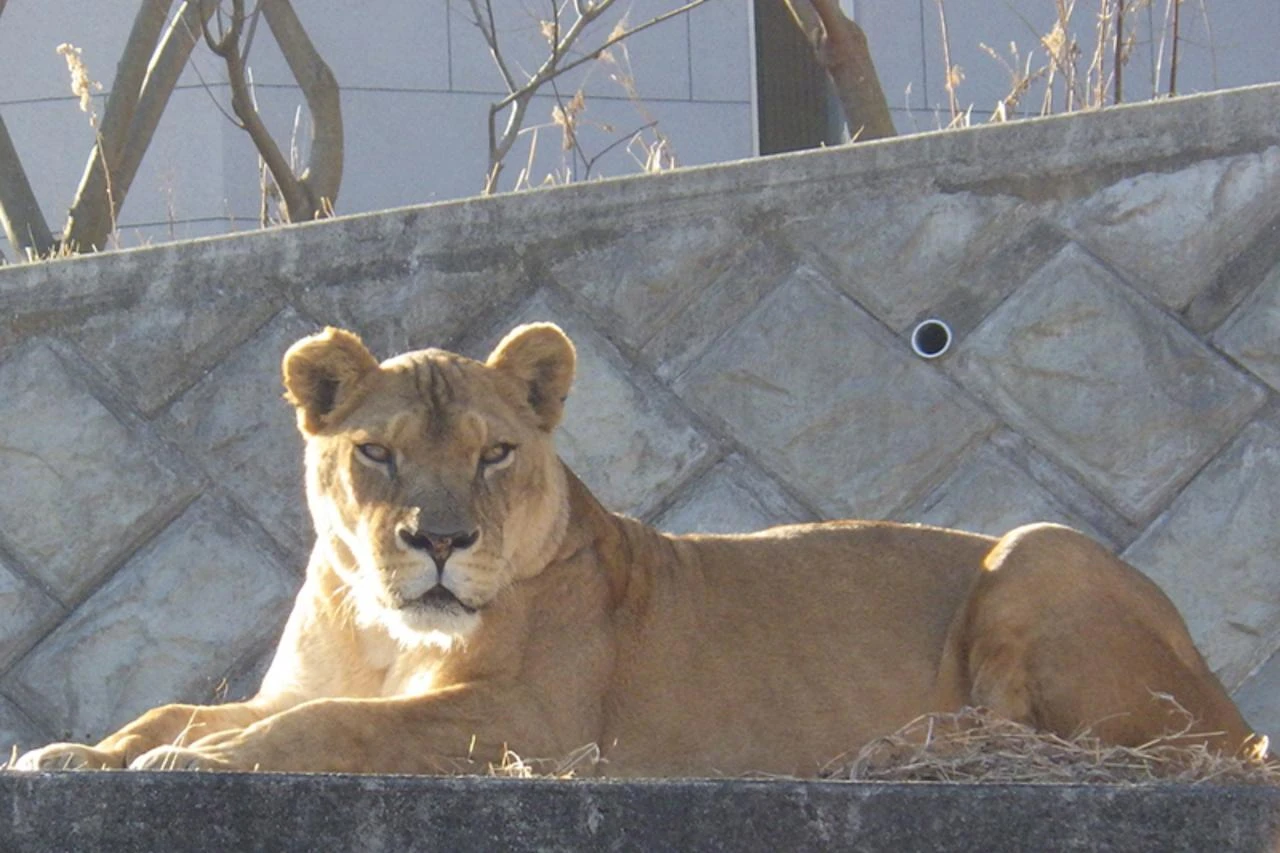
Habitat loss and fragmentation remain among the greatest threats as farmland, settlements, roads, and other infrastructure spread into lion territory.
At the same time, falling numbers of wild prey, driven partly by poaching and the bushmeat trade, can push lions toward livestock. This can bring them into conflict with farmers and lead to retaliatory killings through shooting, spearing, or poisoning.
Lions are also caught in wire snares intended for other animals, while targeted poaching for body parts, poorly monitored or unsustainable trophy hunting in some areas, disease, civil unrest, and armed conflict continue to put pressure on remaining populations.
Conservation groups say the species' long-term survival will depend not only on protected areas but also on keeping wildlife corridors open, rebuilding prey populations, and helping communities protect livestock while gaining economic benefits from living alongside lions.


 Set as preferred source
 Set as preferred source



 2 min read