Newsletters


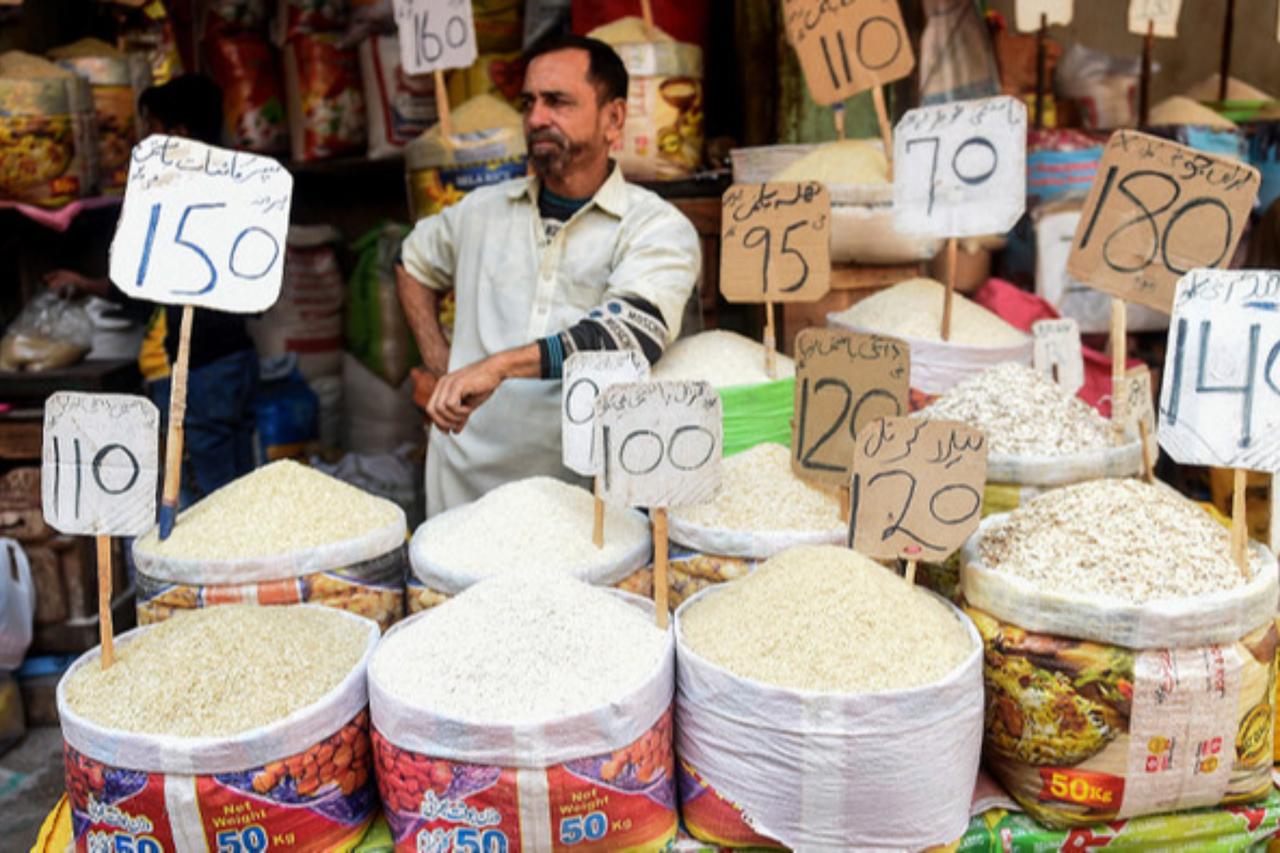


A new report by U.S.-based investment bank J.P. Morgan warns that if current population growth and consumption patterns continue, the world will need to produce 80% more food calories than in 2010.
It says that global agriculture is entering a period of profound disruption, as climate change, soil degradation, and shifting trade dynamics combine to reshape how the world produces and moves food.
But expansion is limited. Around half of the planet’s arable land is already used for agriculture, meaning future growth must come from innovation and improved productivity rather than new farmland.
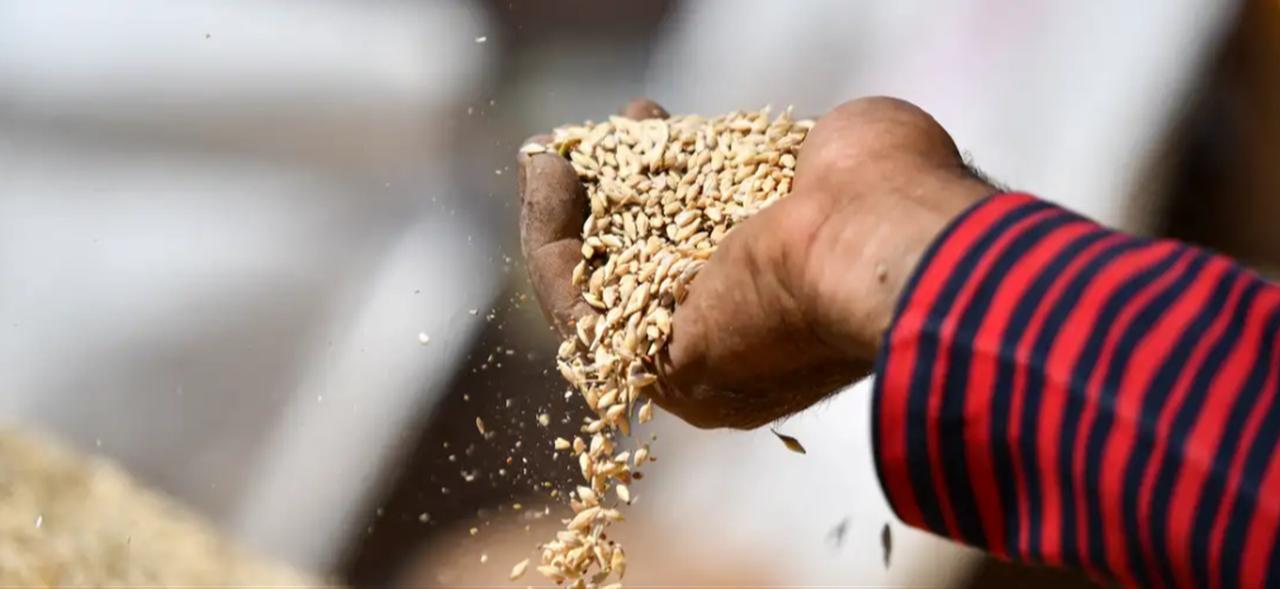

Agriculture has always depended on predictable climate conditions, from rainfall patterns to frost cycles. But climate change is disrupting those expectations.
The report notes that farmers can no longer “cultivate for a climate that was” and expect the same outcomes. Shifting weather patterns are increasingly driving supply shocks, lowering yields, and pushing commodity prices upward.
Prof. Dr. Erhan Akca, a member of the Turkish Soil Science Society, said climate change will affect Mediterranean-climate regions more severely.
He warned that in a scenario of 2 degrees of warming, the coastal belt from Aydin to Osmaniye would be seriously impacted, along with areas around Mardin and Sirnak.
According to Akca, projections suggest a drop of around 100 millimeters of rainfall per square meter, meaning a 100-square-meter area would receive 10 tons less rain per year.
The report says agricultural output has risen since the 1960s largely due to industrialization and the spread of farming technologies that improved efficiency.
It highlights China, India and Brazil as standout contributors during that period, while growth remained more limited in the United States and the European Union.
As inputs such as land, fertilizer and machinery boosted production, the gap between inputs and outputs, known as total factor productivity, expanded, enabling more output with fewer resources per unit.
According to the report, soil organic carbon levels, key indicators of long-term productivity, are declining in major farming regions. J.P. Morgan highlights that 88% of corporate agricultural assets are located in areas with high soil risk, posing serious business continuity concerns.
In Europe, an estimated 60%–70% of soils are degraded, costing roughly 50 billion euros annually, prompting the EU to introduce its first soil health law in December 2025.
According to coverage in Dunya newspaper, the report identifies four major environmental risks threatening total factor productivity:
Soil health indicators point to widespread degradation across global agricultural regions. The report links loss of organic carbon and topsoil erosion to recent production declines. In the United States, losses in corn-producing areas have reached 6%.
The report also warns that continued deterioration of water resources could reduce productivity, increase costs and place long-term pressure on land asset values. It notes that in areas where groundwater levels are falling, delays in repaying agricultural loans have increased.
The findings cite extreme weather as a key driver of rising food prices, giving examples including:
Akca said climate change “directly affects soil,” describing soil as one of the world’s largest freshwater reservoirs because of the amount of water it retains.
“The world is a system of cycles. When soil moisture is lost, even through the smallest disruption, the entire system is affected,” he said.
He argued that innovative practices, such as measurement-based irrigation, drone technologies and proper fertilization, will be critical, warning that excessive chemical inputs and uncontrolled water use accelerate soil degradation.
Citing an example from Central Anatolia, Akca said cornfields are sometimes irrigated for 24 hours, even though sensor-based measurements show 6 hours would be sufficient.
“Over the next 20-30 years, we need to increase food production by 50%-60%,” he said. “Soils are being depleted, but we can compensate through innovative farming. It is possible to achieve very different yields with the same amount of water.”


 Set as preferred source
 Set as preferred source



 3 min read