Newsletters


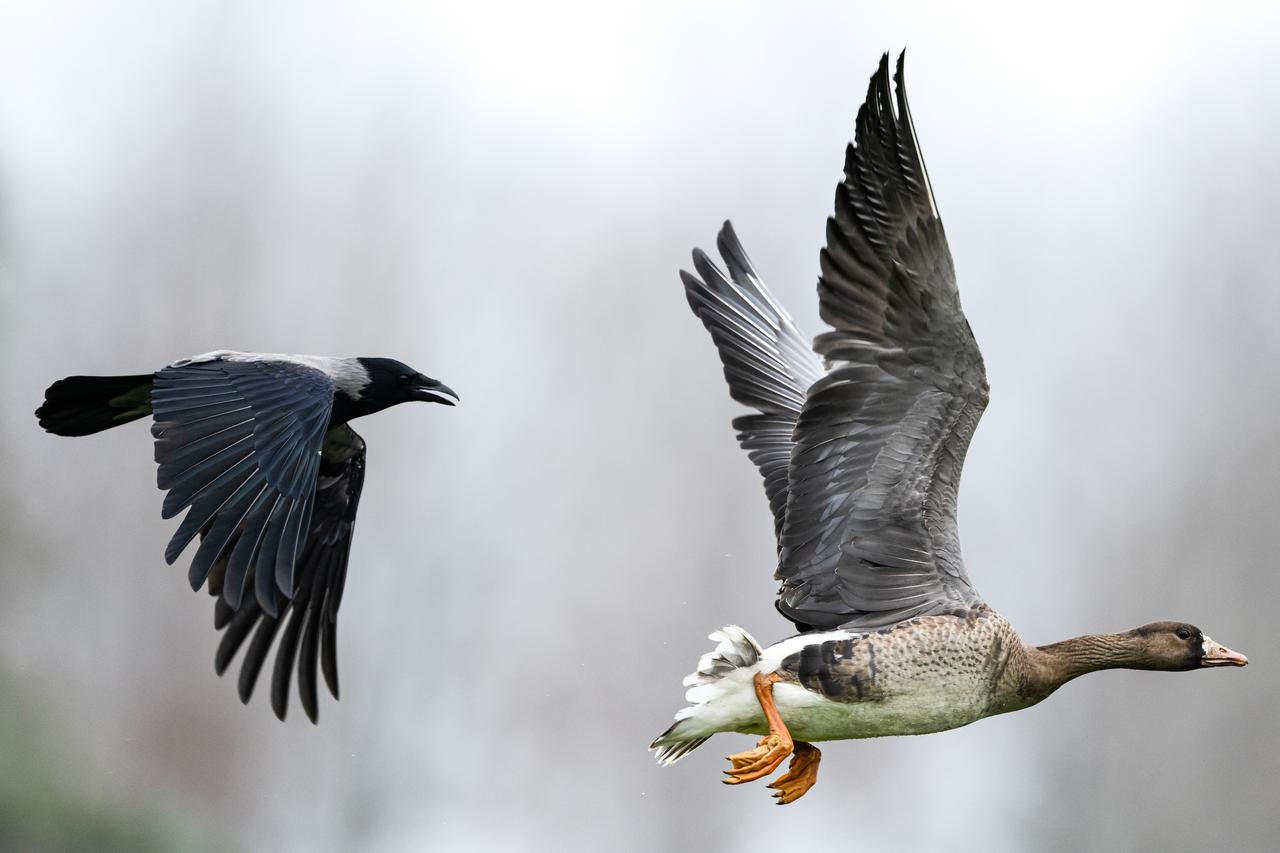
White-fronted geese migrating from Northern Europe and Siberia to warmer regions for the winter were spotted in Istanbul after deviating from their usual migration routes. Experts point to climate change, habitat loss, and sudden weather changes as key factors behind this unusual movement.
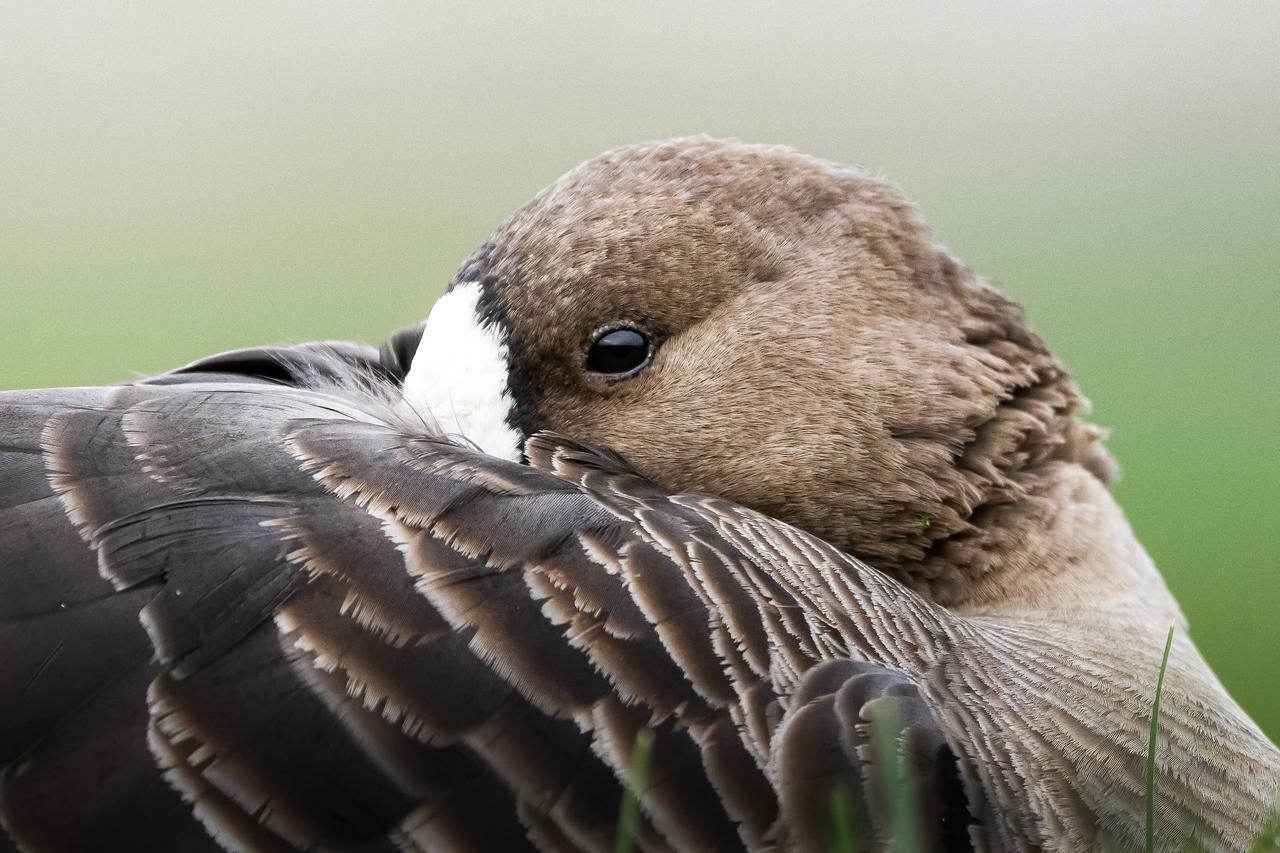
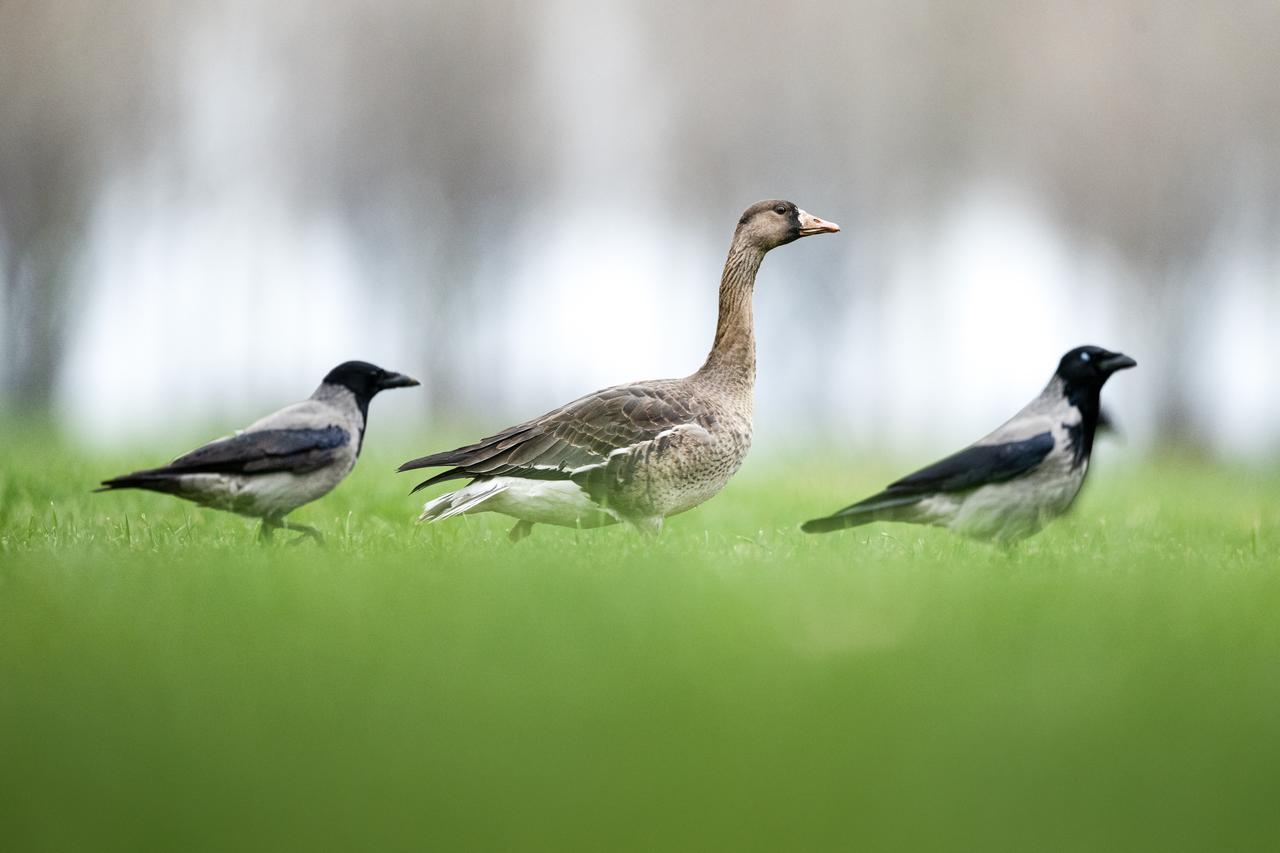
White-fronted geese were seen in Istanbul’s lakes, reservoirs, wetlands, as well as parks and open green areas, creating unexpected scenes for city residents. The presence of these birds in a densely populated urban environment attracted the attention of nature lovers and photographers alike.
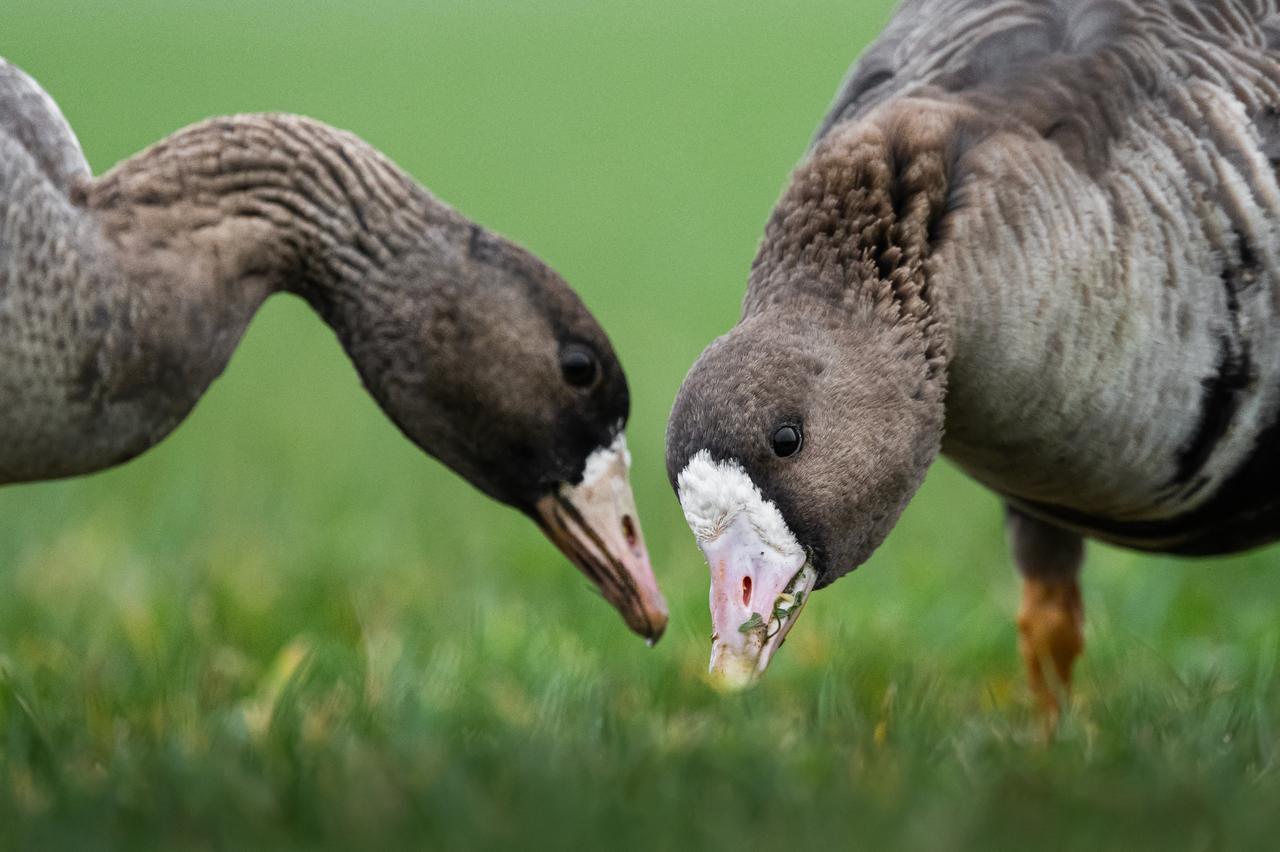
The white-fronted goose (Anser albifrons) is a migratory bird species easily recognized by the distinctive white patch on its forehead and its gray-brown body. It typically breeds in tundra and wetland areas and migrates thousands of kilometers to milder climates during autumn.
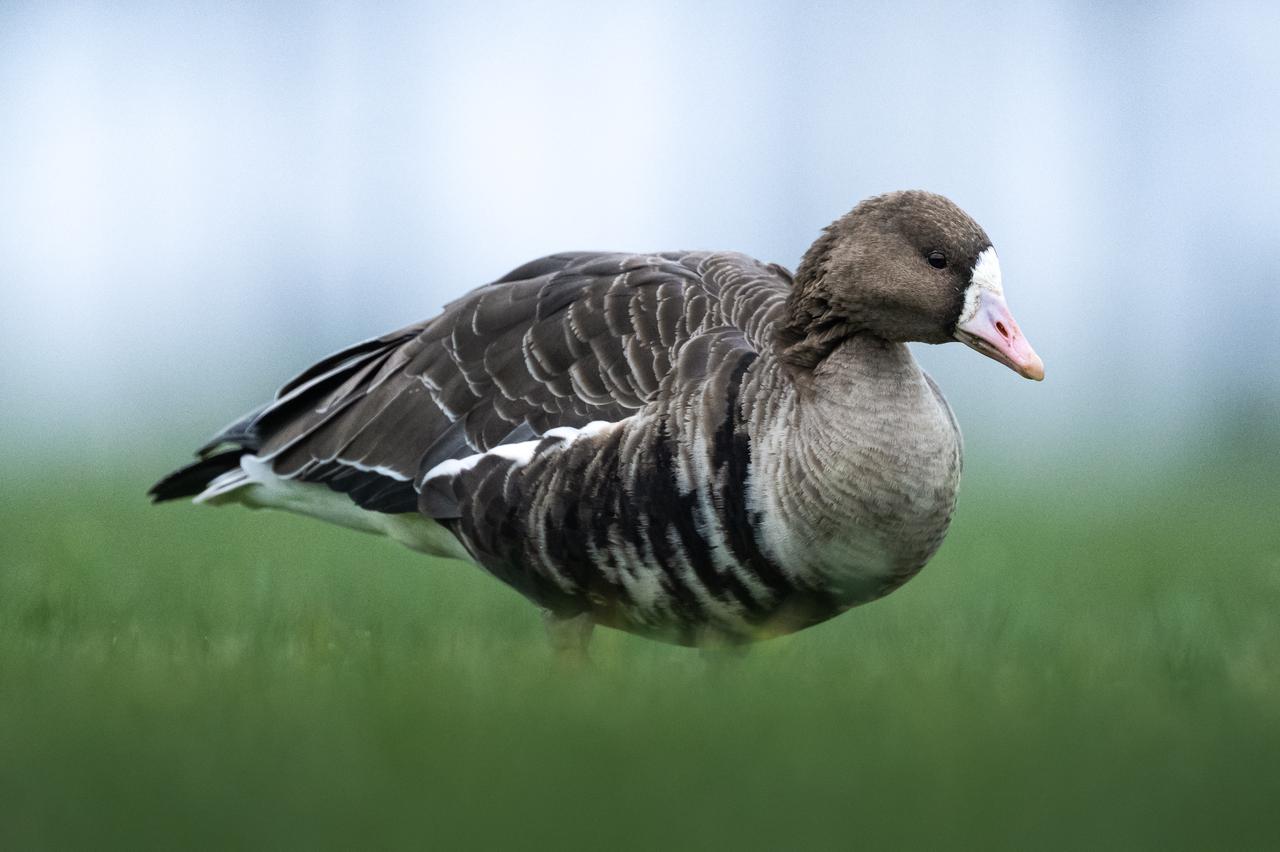
Under normal conditions, white-fronted geese migrate through regions north of the Black Sea, the Middle East, and the Mediterranean basin. Their appearance in Istanbul suggests a deviation from their traditional routes. Experts note that the city may be serving as a temporary stopover during their long journey.
Global climate change is directly affecting the timing and direction of bird migration. Above-average temperatures, shifting wind patterns, and sudden weather fluctuations can disrupt flock formation and navigation, causing white-fronted geese to stray from their established routes.
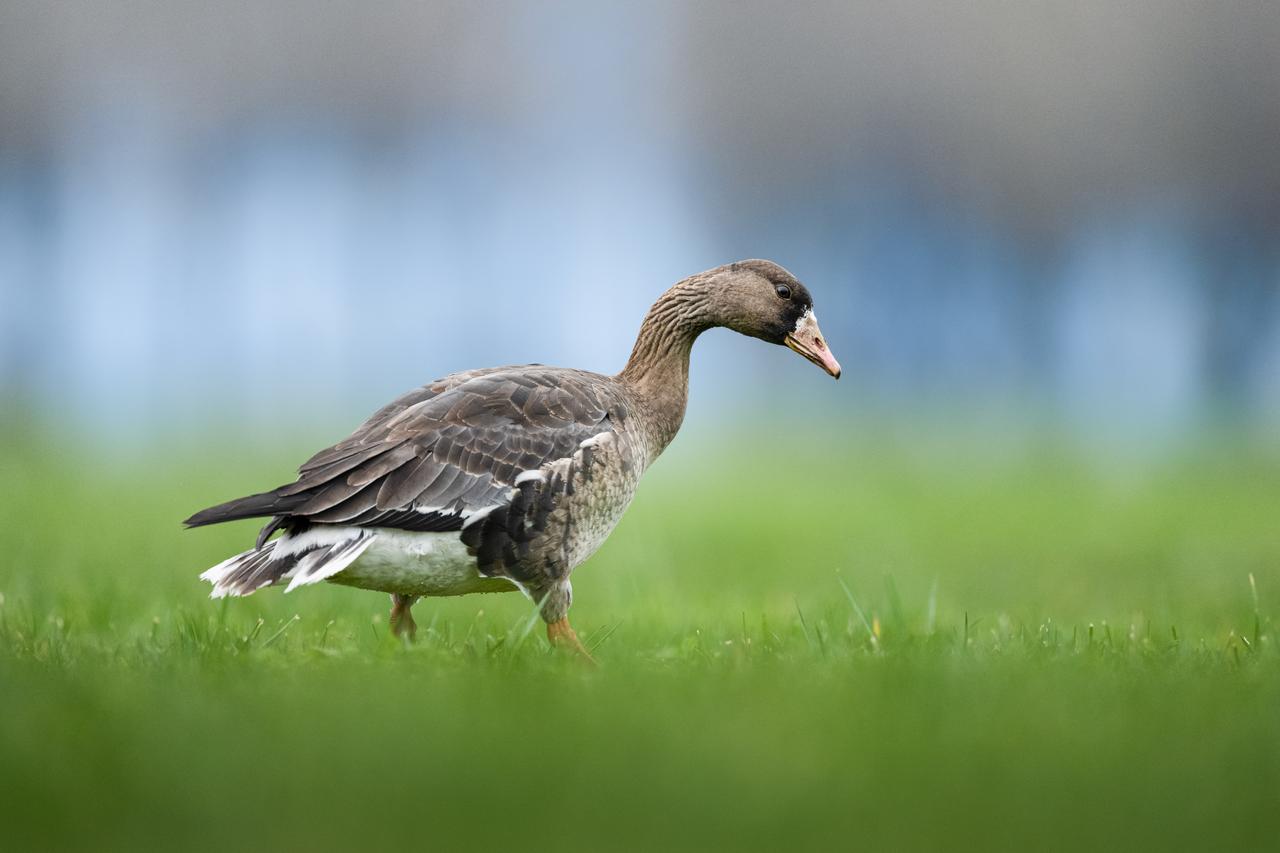
Wetlands surrounding Istanbul provide temporary but crucial resting and feeding grounds for migratory birds. These areas allow white-fronted geese to regain energy before continuing their journey. However, rapid urbanization and environmental pollution pose serious threats to the sustainability of these habitats.
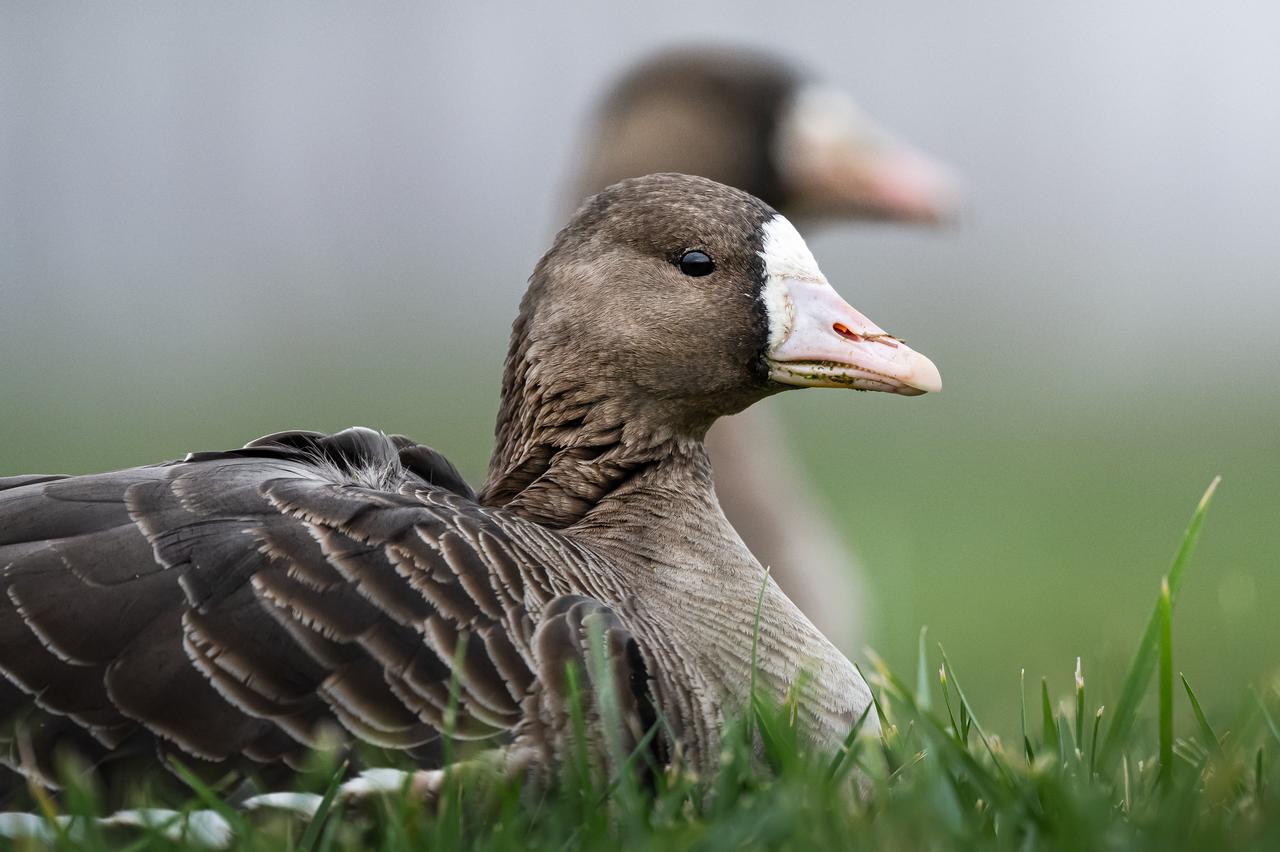
Wildlife experts stress the importance of not interfering with the natural behavior of white-fronted geese. Citizens are advised not to feed or approach the birds and to keep a safe distance while taking photographs. Minimizing human disturbance is essential for ensuring that migratory birds can continue their journey safely.

 2 min read


 Set as preferred source