Newsletters


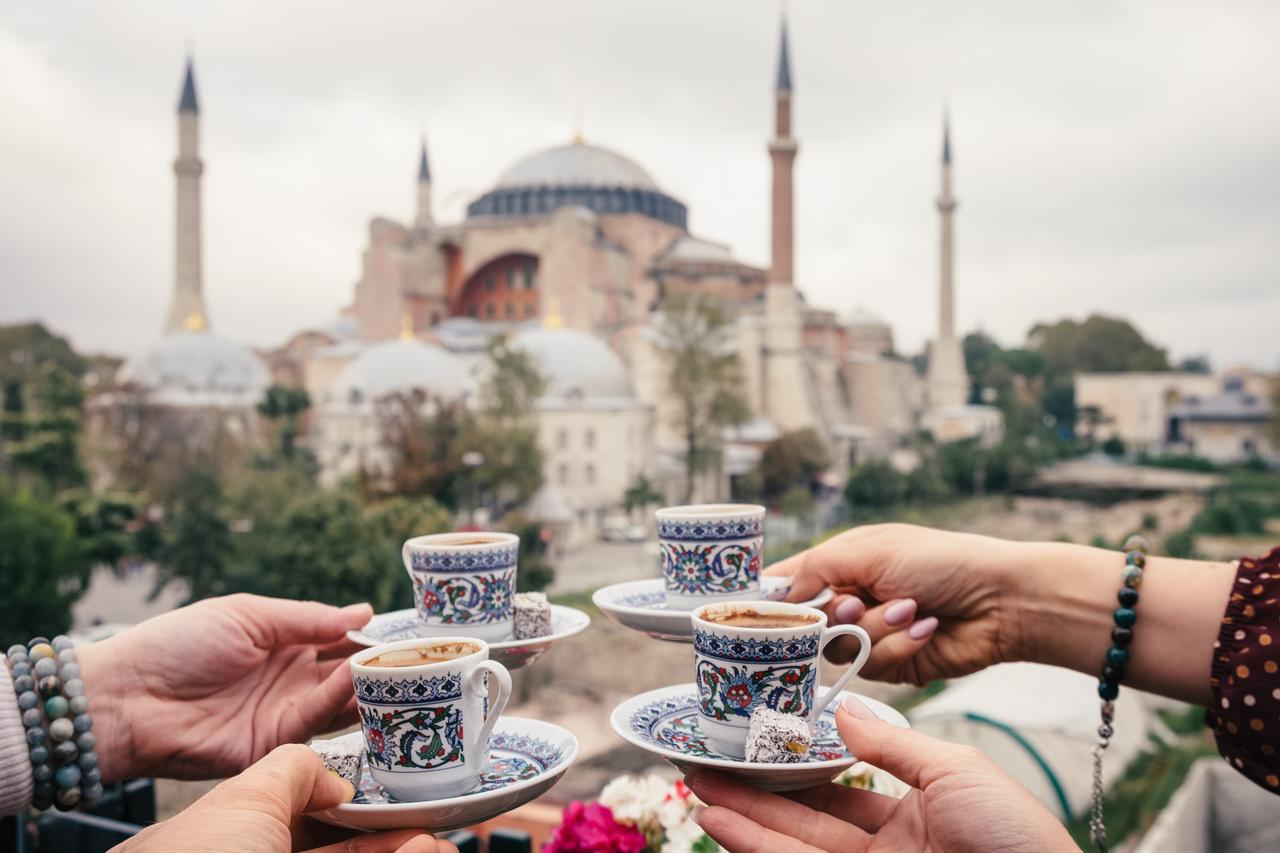


On Dec. 5, people in Türkiye and around the world mark World Turkish Coffee Day, a celebration of a drink that has become one of the most distinctive cultural experiences awaiting visitors to Türkiye.
Turkish coffee fills homes, offices, cafes and streets with its rich aroma, and it still brings people together as a social occasion, so that many meetings and after-meal conversations tend to begin with the same question: “How would you like your coffee?”
Turkish coffee and its centuries-old ritual were inscribed on UNESCO’s List of the Intangible Cultural Heritage of Humanity in 2013, and the date of that decision, December 5, is now celebrated as World Turkish Coffee Day.
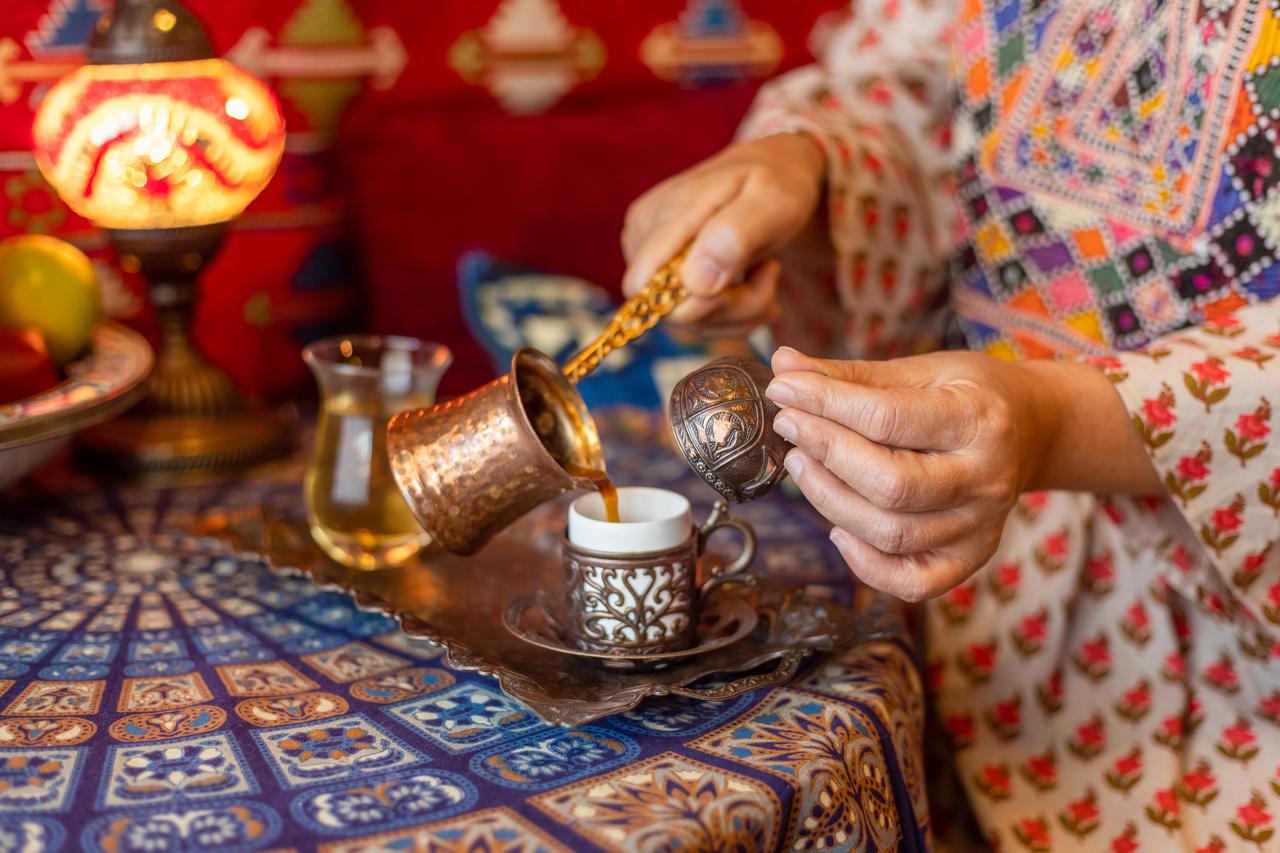

Turkish coffee has stood at the center of social life in these lands since it was first prepared here in the 16th century, and it spread across the former Ottoman territories together with the customs, ceremonies and social roles that grew around it, so that it also crossed geographical borders.
In Turkish culture, the morning meal tradition known as kahvalti literally means “before coffee,” and this expression underlines how strongly coffee drinking has been woven into everyday rhythms.
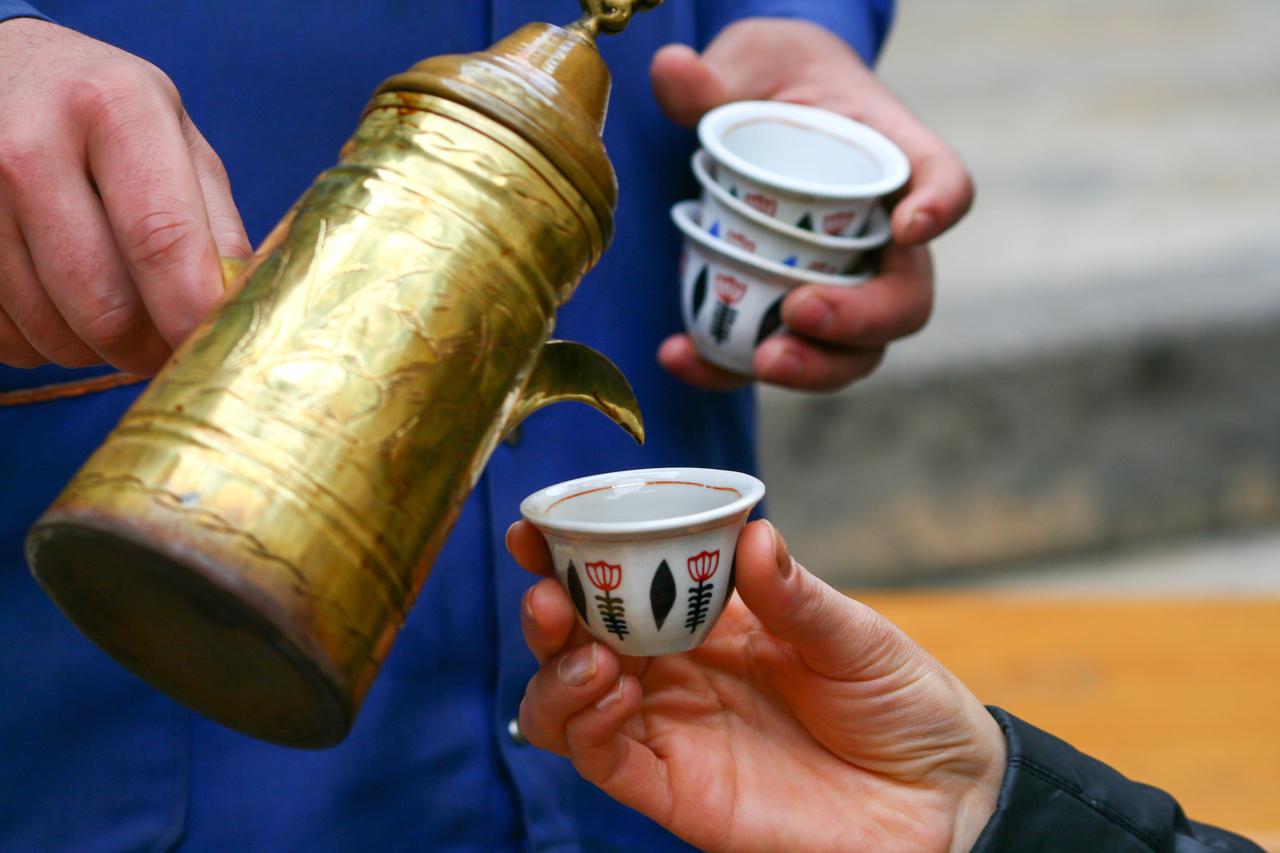
When you visit friends or family in Türkiye, you are typically welcomed with a cup of Turkish coffee as a gesture of hospitality, and the drink plays a key role during weddings, engagements, celebrations, births and many other milestones. Coffee, therefore, does not only accompany conversation but also helps to mark important turning points in people’s lives and to turn simple encounters into shared occasions.
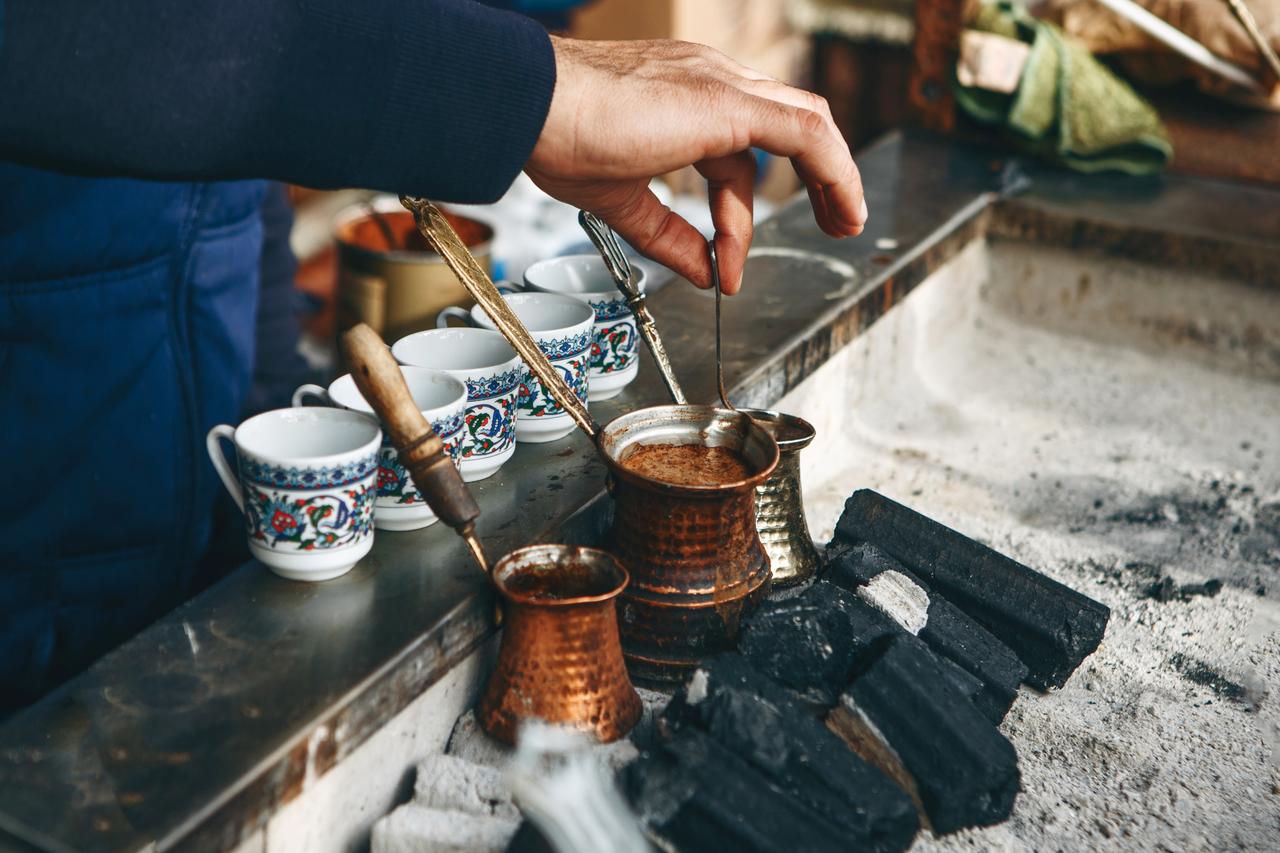
One of the main reasons why Turkish coffee stands out among other coffee styles is that it has been prepared in almost the same way for centuries. The coffee beans are finely ground until they reach a powder-like consistency, then they are boiled in water in a small special pot known as a cezve.
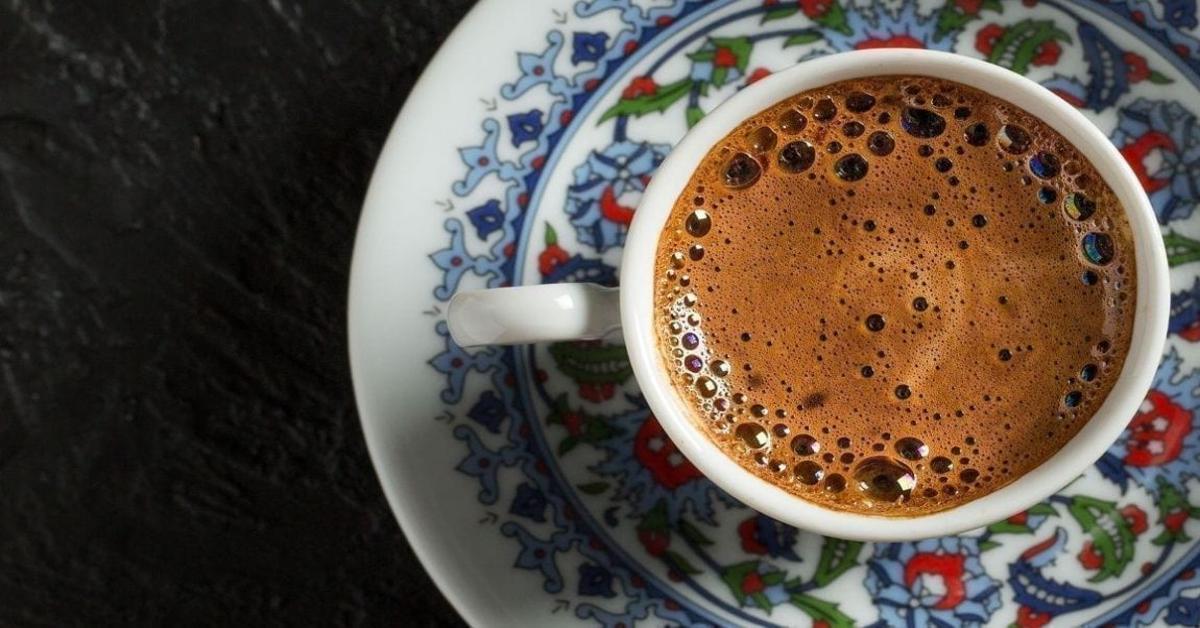
The coffee is poured into cups so that a soft, velvety layer of foam forms on the surface, and, unlike many other coffee types, it is served together with the grounds that remain at the bottom of the cup.
In Türkiye, Turkish coffee is traditionally served with a glass of water and a piece of lokum or another small sweet treat that gently sweetens the palate. The water and the bite of sweetness help to frame the taste of the coffee itself, turning a simple drink into a small ritual that people repeat at home, at work and in cafes.
Across Türkiye, the way Turkish coffee is ground and prepared can vary depending on local ingredients and habits, and these differences offer visitors an insight into the country’s regional diversity.
In the Aegean region, where mastic trees grow widely, it is common to prepare Turkish coffee with mastic resin, known locally as damla sakizi, and this practice has created a recognized regional flavor.
In the southeastern provinces of Türkiye, including the city of Gaziantep, which is also the homeland of Antep pistachios, people enjoy menengic coffee, prepared from wild pistachios that are dried under the sun.
Another well-known variation is dibek coffee, which is usually obtained by pounding the coffee in a stone mortar, giving it a lighter taste and allowing it to be prepared with milk. In the southeastern cities of Sanliurfa and Mardin, a strong drink called mirra, often referred to as “bitter coffee,” is widely consumed, and it represents yet another local expression of the wider Turkish coffee tradition.
From UNESCO recognition to everyday gatherings in homes and cafes, Turkish coffee continues to bring people together, to carry forward rituals that have been passed down for generations, and to offer visitors to Türkiye a chance to share in a living cultural heritage.


 Set as preferred source
 Set as preferred source


 1 min read

 1 min read