Newsletters


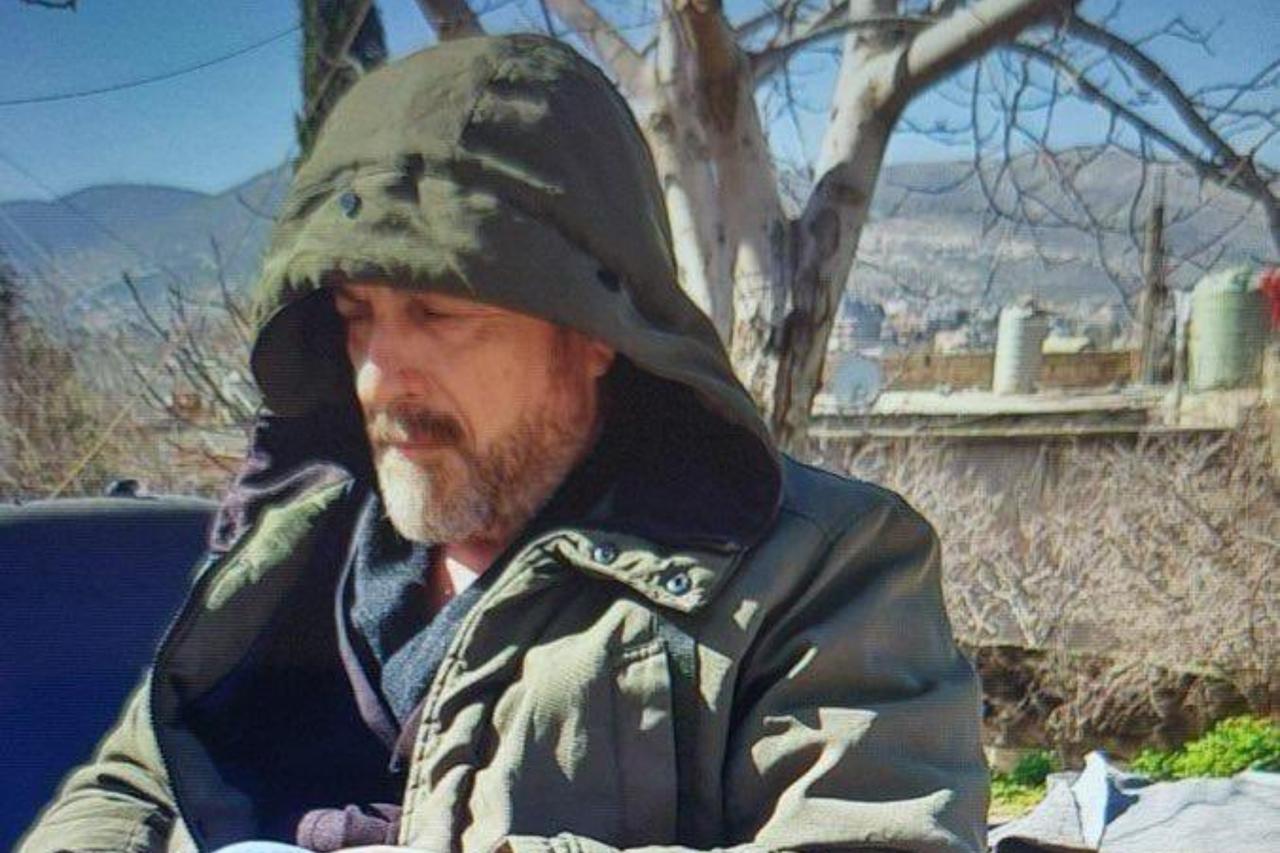


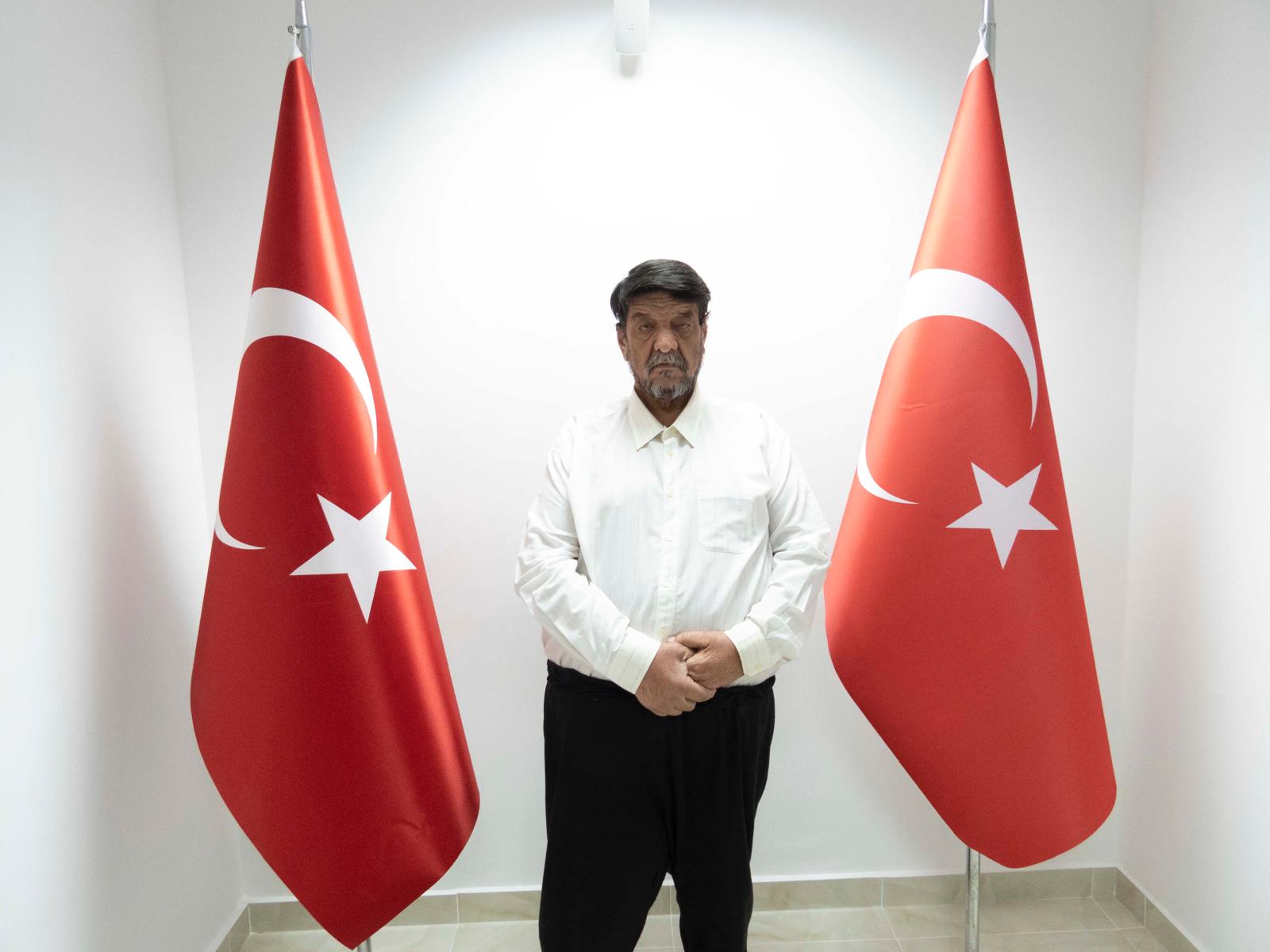
It took 12 years, four countries, one carefully timed ambush at a remote border crossing, but Türkiye's National Intelligence Organization (MIT) finally caught up with Onder Sigircikoglu, the person whose betrayal hurt Turkish national interests quite dearly.
A former high-ranking MIT operative and fugitive wanted for espionage against Türkiye was remanded in custody by an Ankara court on Monday. Following his arrest on March 30, he now faces formal charges of both political and military espionage.
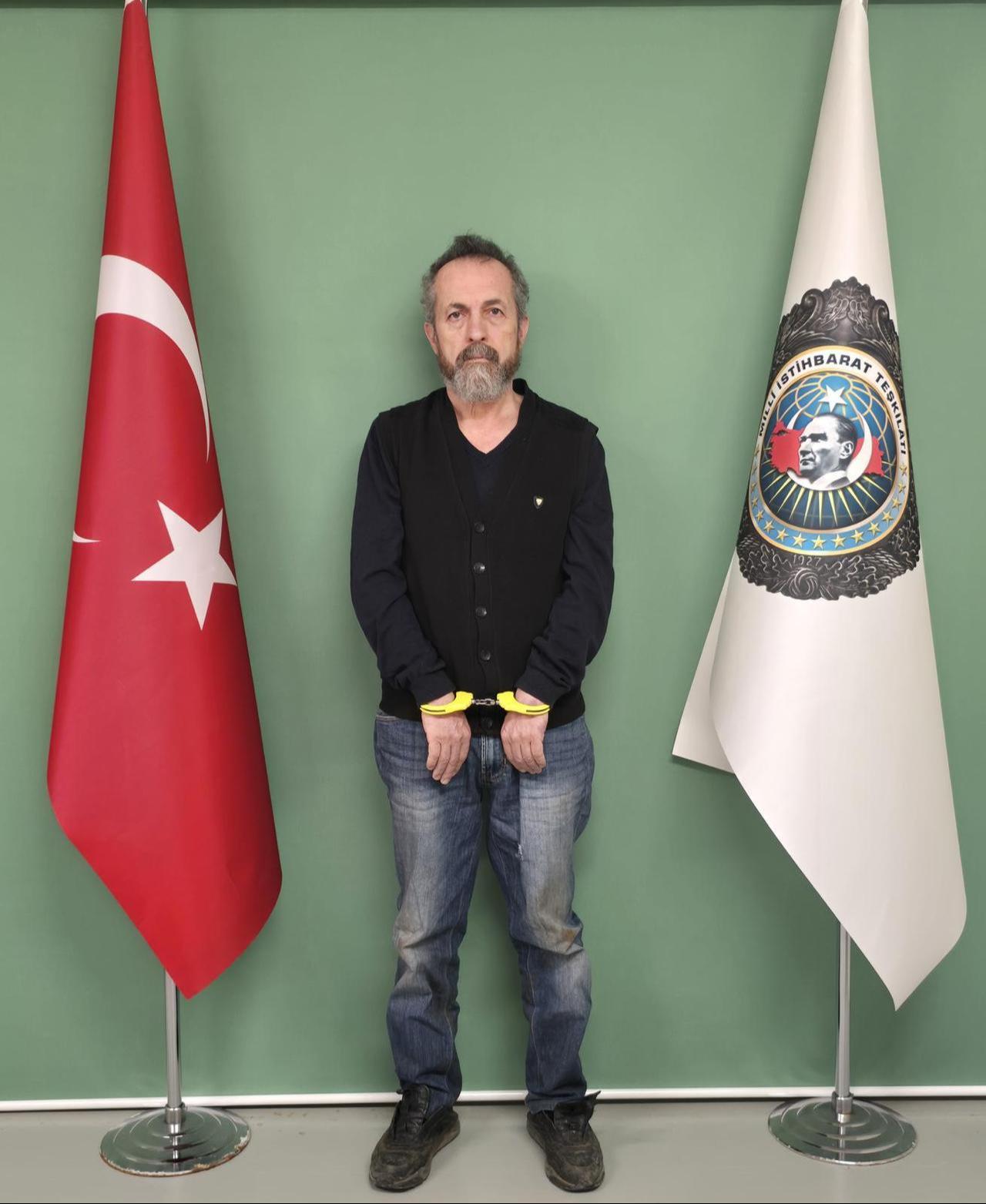

Sigircikoglu's story begins in the chaotic early days of the Syrian uprising.
In 2011, while working within Turkish security structures, he abducted Free Syrian Army commanders Hussein Harmoush and Mustafa Kassum and handed them to the Assad regime intelligence. Harmoush died under torture.
Sigircikoglu later publicly boasted about the operation, claiming in an interview with a news website that he personally planned and executed the kidnapping. He attributed his actions to a fundamental disagreement with Türkiye's Syria policy and expressed no remorse for his role.
The consequences of that single act reverberated across the Syrian conflict.
In 2013, a Turkish court sentenced him to 20 years in prison for unlawful deprivation of liberty through force, threat, or deception.
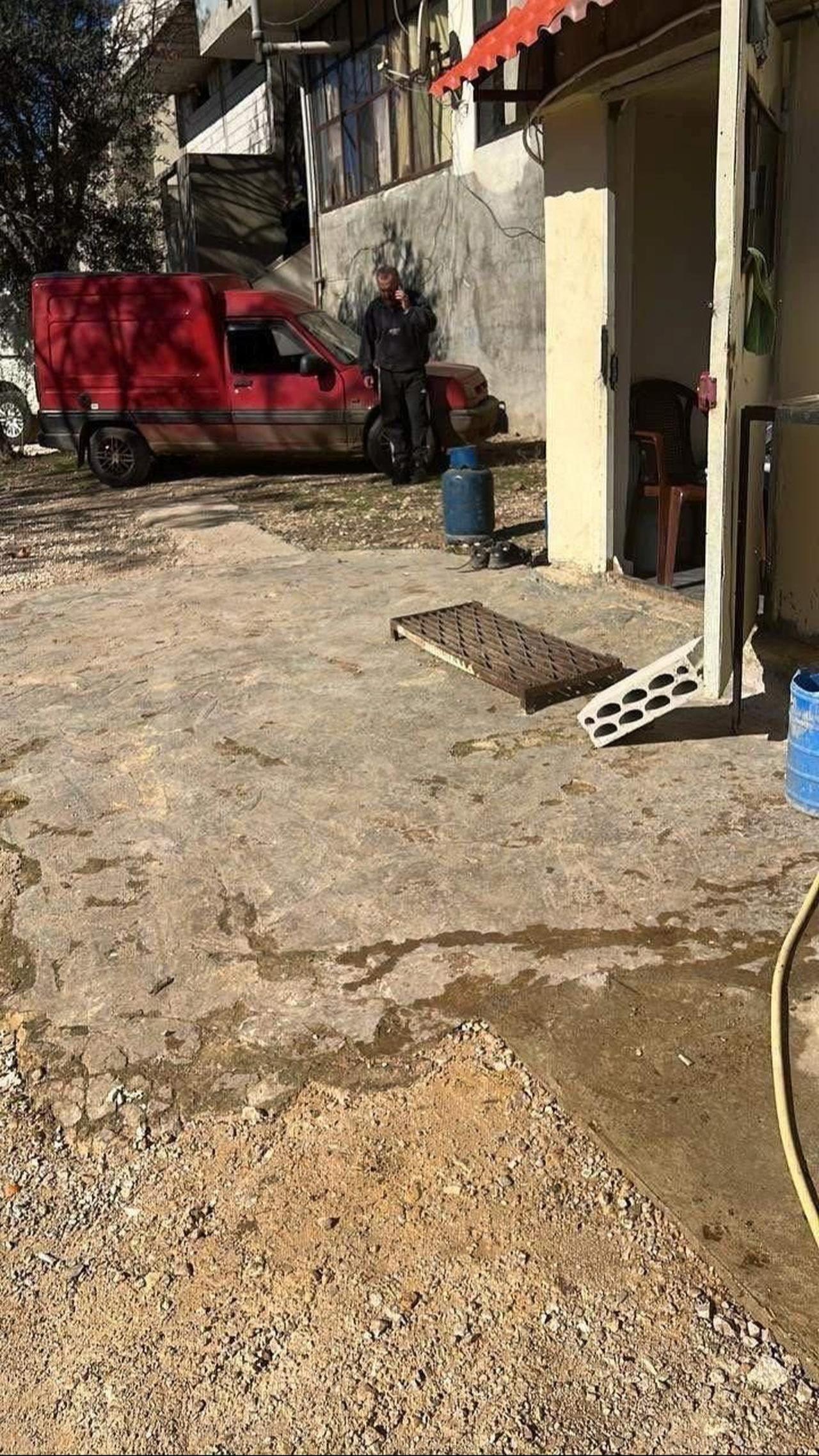
In 2014, Sigircikoglu walked out of Osmaniye Open Prison. Investigators later established that this was no ordinary escape.
Terrorist organization FETO-linked networks had played an active role: file records had been altered, the duration of his sentence miscalculated in the system, and irregularities found in the leave process.
The indictment itself had been prepared by Ozcan Sisman, a FETO-affiliated prosecutor later identified through the MIT trucks case, and the sentencing records had been signed off by another FETO-linked enforcement prosecutor, Yunus Baki.
With those falsified documents opening the door, Sigircikoglu vanished.

What followed was one of the longest active fugitive tracking operations in MIT's recent history.
Sigircikoglu moved between Syria, the Jabal Mohsen neighborhood of Lebanon, Russia's Krasnodar region and Egypt, never staying long enough to be caught, always moving just ahead of the net. But the net never lifted.
MIT deployed physical surveillance, technical interception and cyber tracking in a sustained, multi-country operation that ran for over a decade without interruption.
Analysts built a detailed movement profile, tracking his communication networks, the safe houses he used, and the people he met.
And throughout all of this, Sigircikoglu was not simply hiding. After fleeing to Syria, he was taken under the protection of the Assad regime's intelligence, which tasked him with running active operations against Türkiye.
He passed identity and movement information on individuals working for Türkiye's interests to Assad's Mukhabarat, the secret intelligence service. He made contact with Russian intelligence and shared sensitive strategic information with them.
He linked up with Mihrac Ural, the leader of the THKP/C-Acilciler (Mukavemet-i Suriye) organization, and, under Ural's direction, ran psychological operations using fabricated footage, manufactured manipulative news coverage in Turkish media and conducted anti-Türkiye propaganda campaigns.
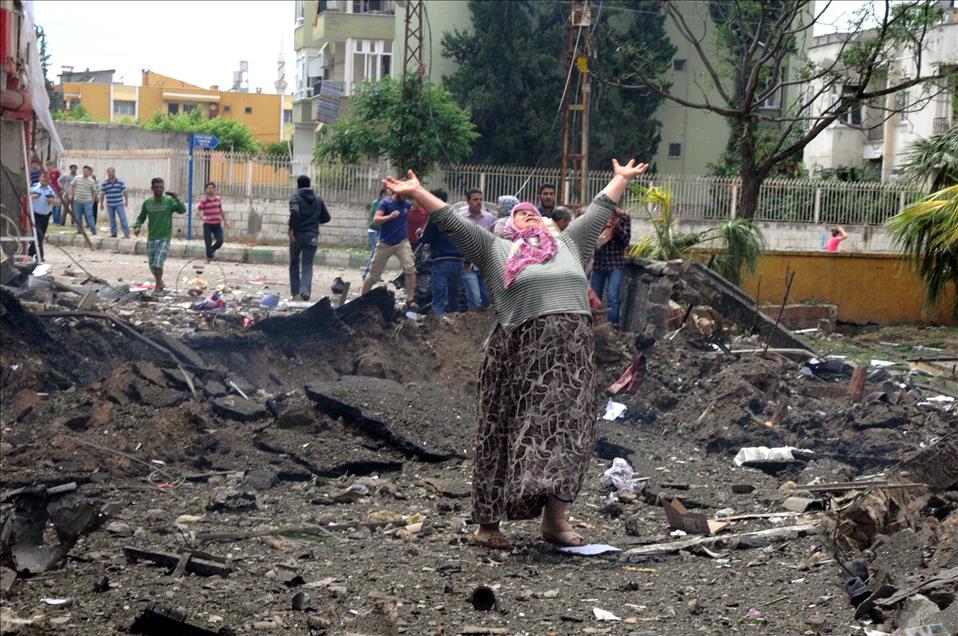
He also grew close to Yusuf Nazik, the perpetrator of the 2013 Reyhanli bombings that killed 53 people in southern Türkiye. The two lived together for a period. When Nazik sought release from prison, Sigircikoglu used his Assad intelligence contacts to facilitate it.
When MIT caught Nazik in a separate operation in 2018, Nazik confirmed in testimony that Sigircikoglu was the one who got him out of prison.
The operation that finally ended Sigircikoglu's 12-year run came together when MIT received intelligence that he was preparing to cross back into Syria from Lebanon.
MIT and Syrian intelligence planned a covert joint operation. Both services moved into position on the borderline and waited.
Sigircikoglu walked straight into it.
He was detained on March 30 at the Syrian-Lebanese border and transferred to Ankara under the coordination of the Ankara Chief Public Prosecutor's Office and Ankara Counter-Terrorism Branch.
After giving a statement to the investigating prosecutor, he was brought before a duty criminal judge.
The court ordered him remanded in custody on charges under Turkish Penal Code Article 328/1, political and military espionage, and Article 330/1, disclosure of information required to remain secret.
Security sources noted that the operation also signals a new level of intelligence cooperation between Türkiye and Syria's new government.


 Set as preferred source
 Set as preferred source


 1 min read
 1 min read