Newsletters


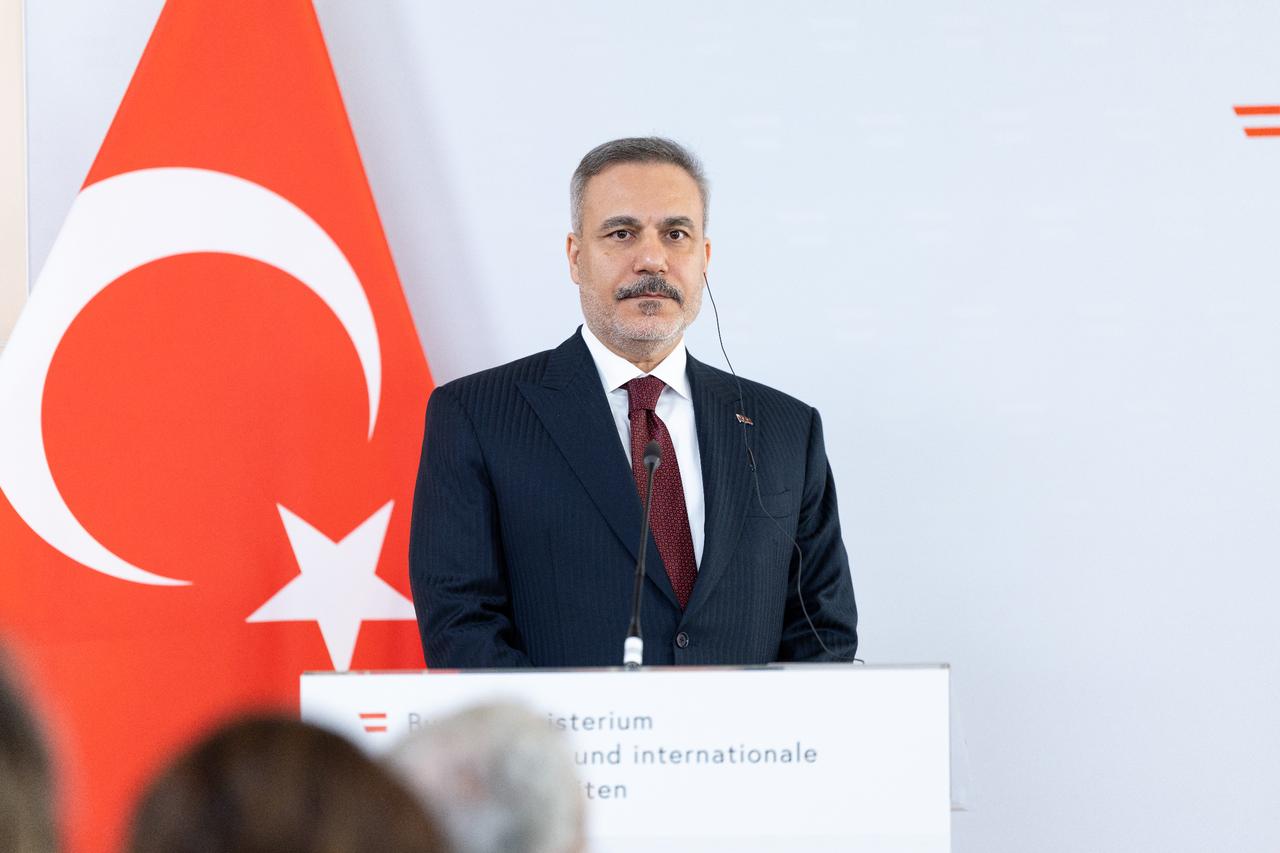


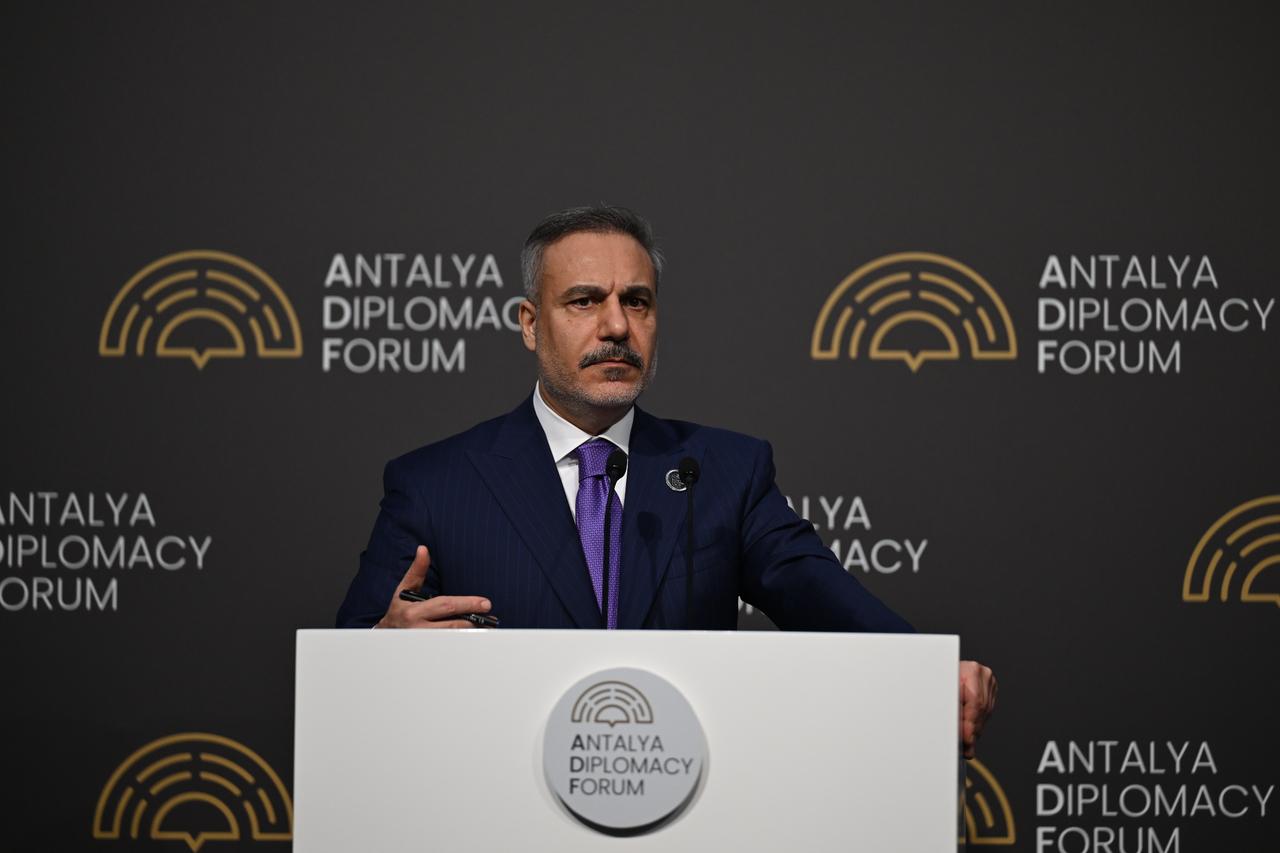
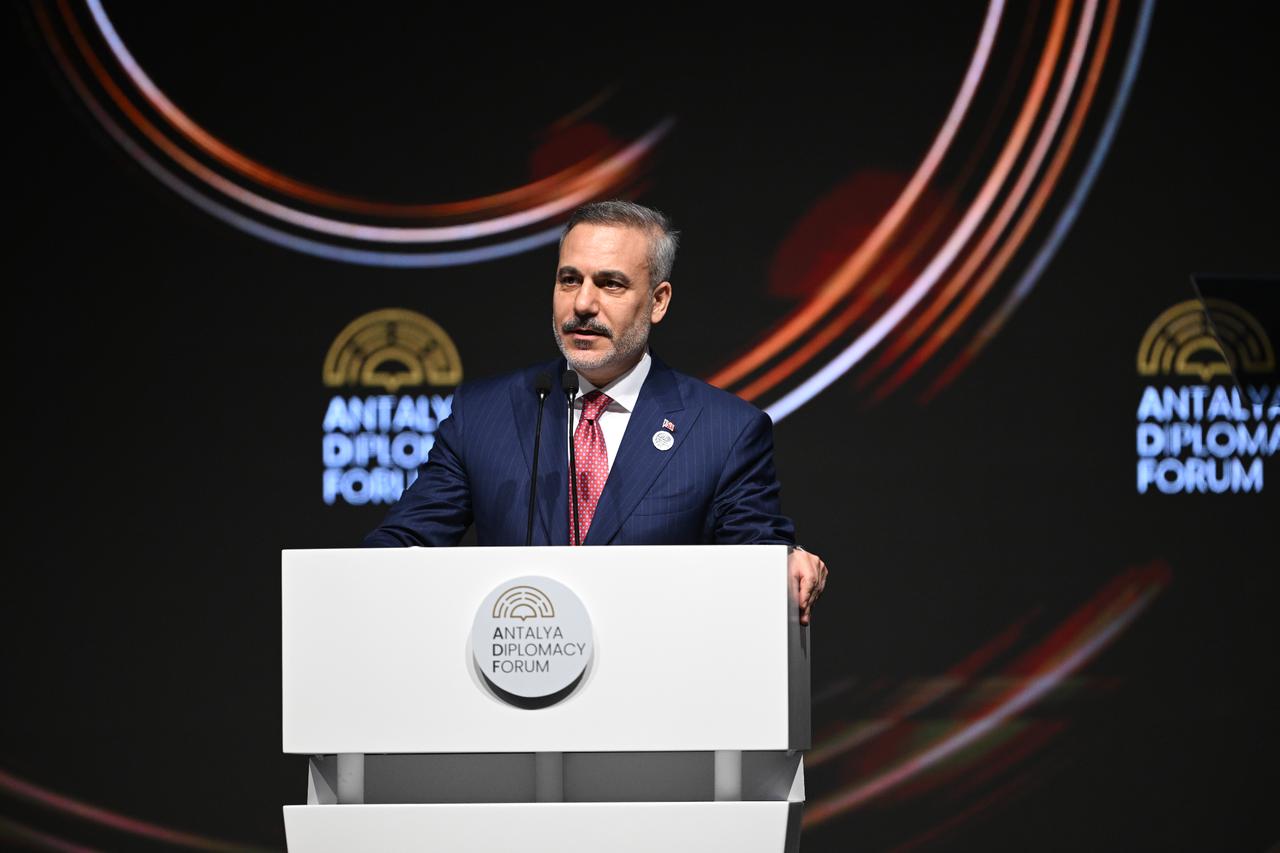
Foreign Minister Hakan Fidan told a conference at the Vienna Diplomatic Academy on Wednesday that the Ankara NATO Summit would be "a historic opportunity to reaffirm the alliance."
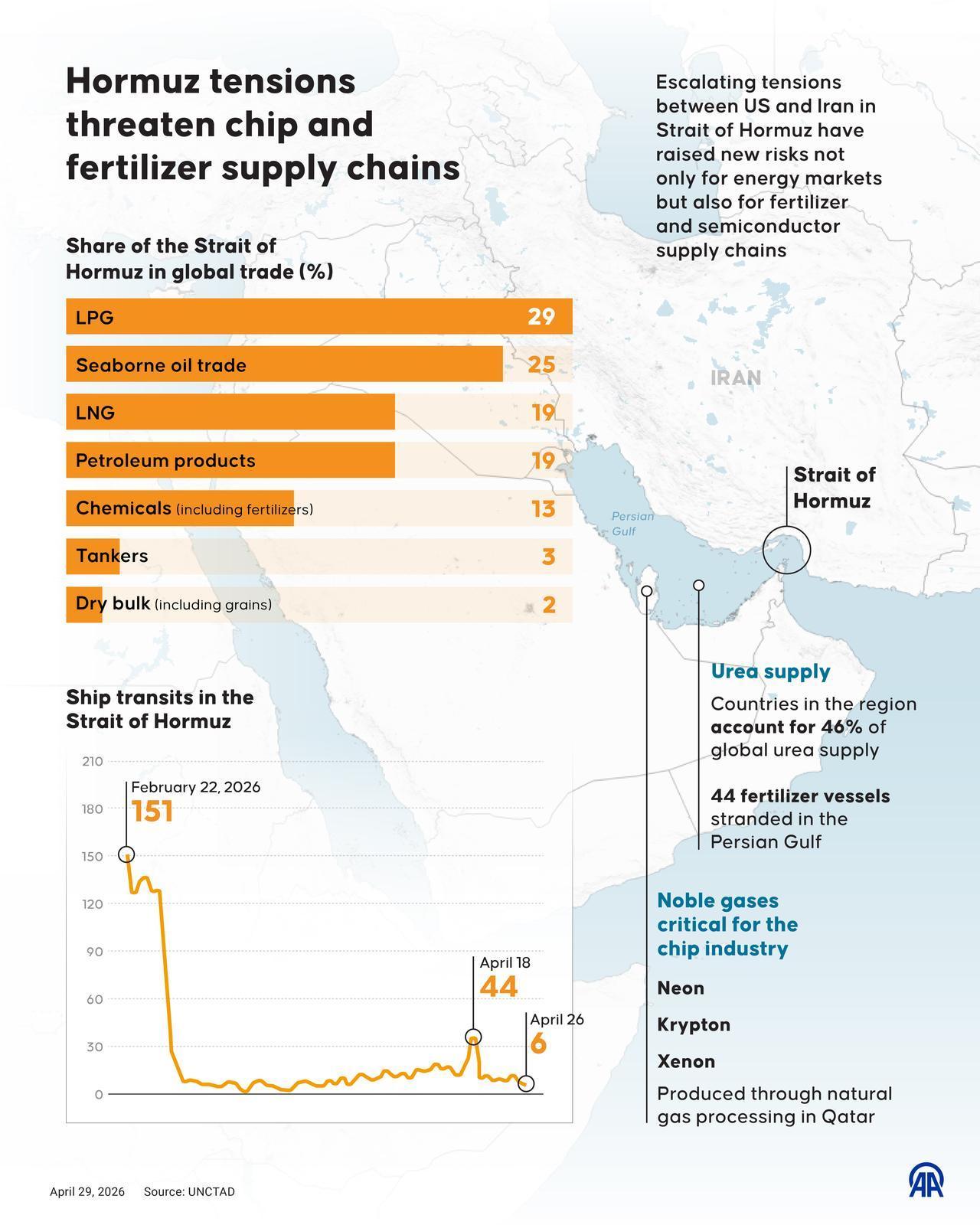
He warned that the Hormuz closure's five-week impact on the international system had been "much greater and more effective than the five-year negative impact of the Russia-Ukraine war."
Turkish top diplomat called for Europe to "immediately wake up from this sleep and start working to stop the war."
Fidan also declared that Türkiye was actively supporting ongoing Iran mediation efforts "not as an outside observer but as a stakeholder" in a wide-ranging address covering Ukraine, the Middle East, NATO, EU membership and Türkiye's diplomatic role.
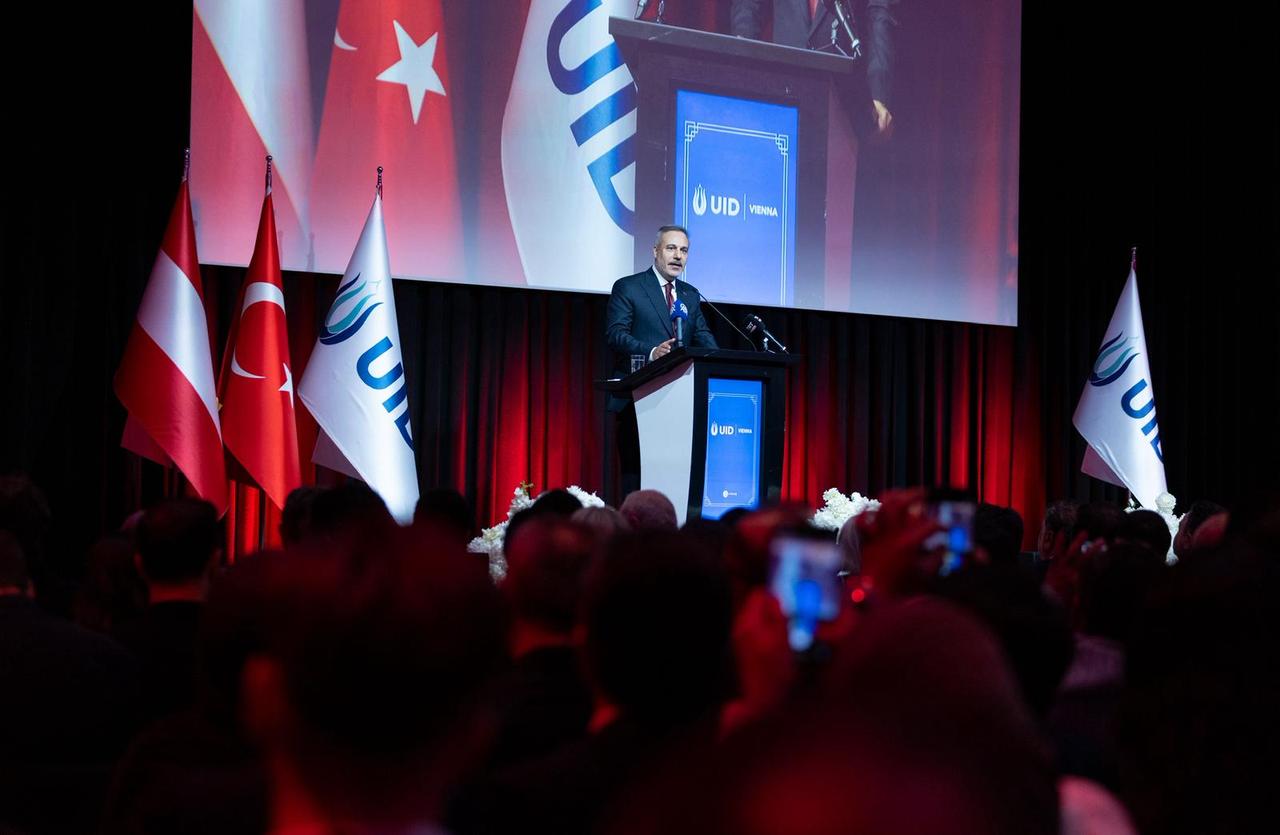

In one of his sharpest observations, Fidan said the Hormuz conflict had demonstrated something deeply concerning for those trying to stop wars.
"In nearly five weeks, due to the conflict in the Strait of Hormuz and the effects of this closure on international markets, energy, security and everything else, a negative impact was created on the international system," the Turkish top diplomat said.
"This five-week negative impact was much greater and more effective than the five-year negative impact of the Russia-Ukraine war," Fidan noted.
"This makes it even more dangerous for those of us trying to stop wars. Because by comparison, the war itself becomes less important in attracting attention," he added.
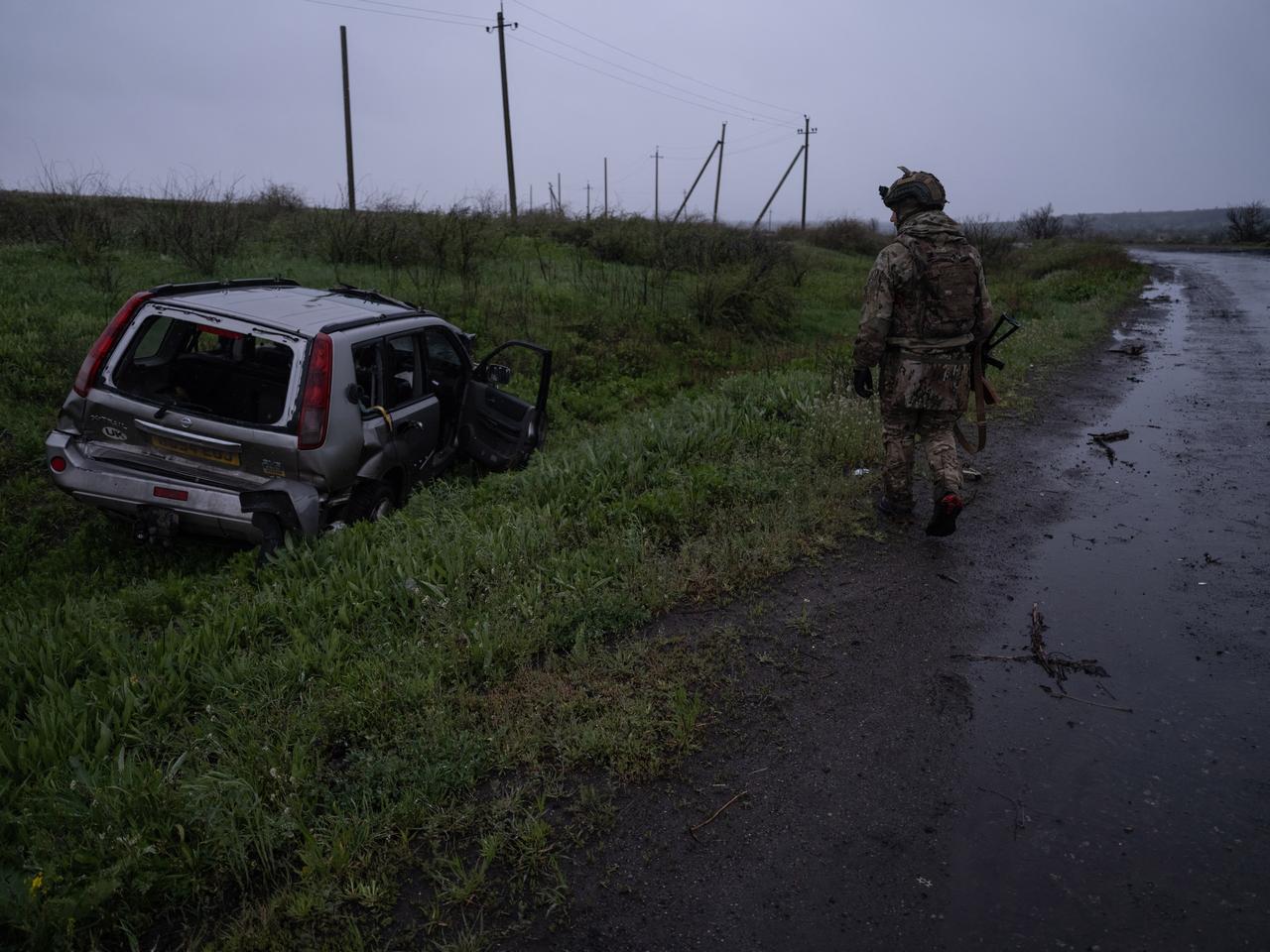
On Ukraine, Fidan was blunt about the human cost and political complacency: "Europeans and Americans are giving money and weapons to Ukrainians; the Russians are using their own money to conscript people and bring them to the Ukrainian theater."
"Everyone is killing each other, destruction and death continue," he added.
He said the war's geographic confinement to two countries had created a dangerous illusion, noting, "As long as the war continues, there is always the risk of greater escalation and the threat worsening for the rest of the world. What if the war spreads geographically to one of the countries in Europe? What if the war systematically escalates from conventional to tactical nuclear to full nuclear? As long as this war continues, this escalation threat will remain."
"We must immediately wake up from this sleep and start working to stop the war," Fidan said, calling the conflict a "habit" that Europe had normalized.
He reminded that Türkiye is ready to host Russia-Ukraine talks in Istanbul again, having already brought the parties together four times, "until a fair and lasting peace is achieved."
On Iran, Fidan offered a notable framing of Türkiye's role, stating, "Negotiations between the US and Iran have reached a critical juncture. I say this not as an outside observer but as a stakeholder."
"Türkiye is actively supporting ongoing mediation efforts while maintaining its own parallel channels with both Washington and Tehran," he noted.
He added that the ceasefire extension should "not be taken for granted" and that patience was required.
He said the Hormuz closure had "reinvigorated" Türkiye's long-advocated connectivity projects: "Railway connections, pipelines and cargo routes connecting the Gulf to international markets through Syria, Iraq and Türkiye, and vice versa, are among those projects."
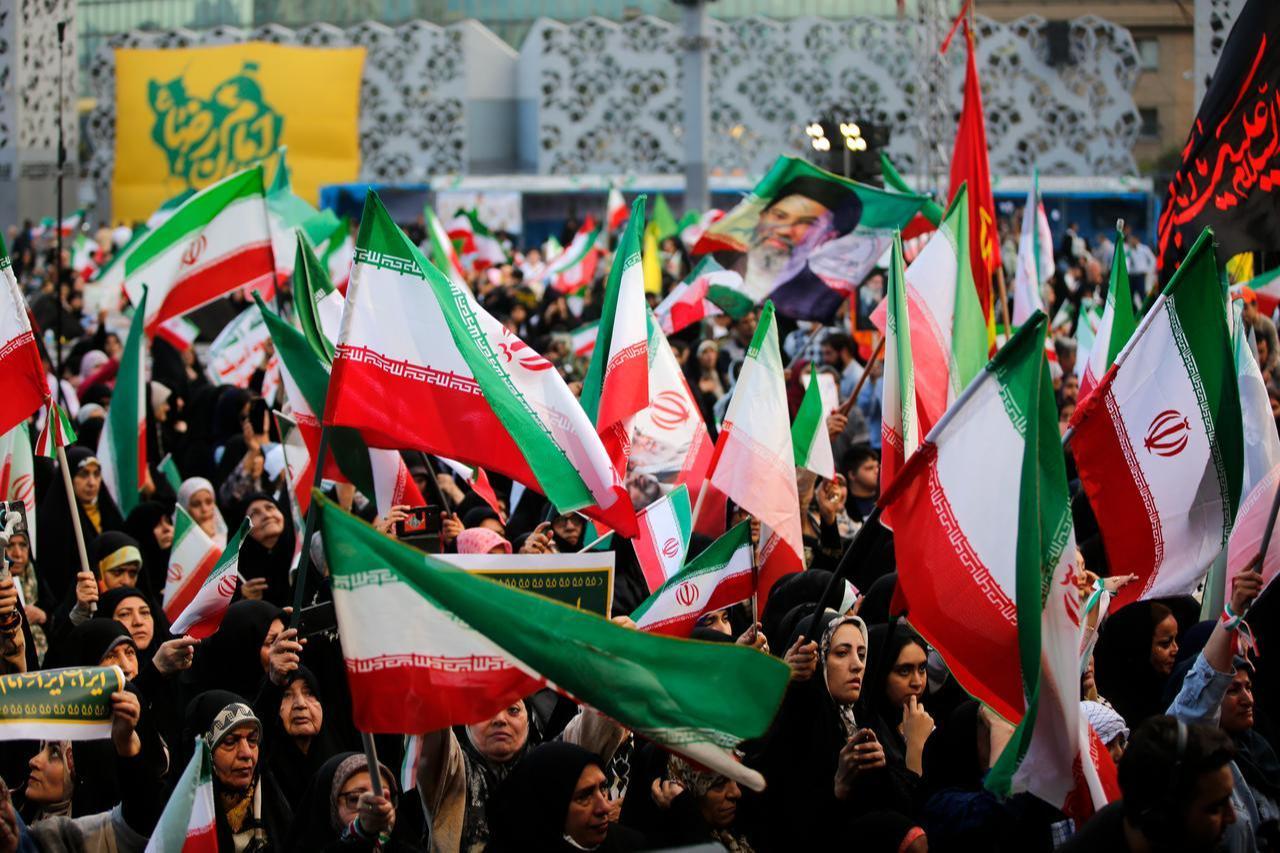
Fidan said Israel's expansionist policies had become a global security threat, adding, "Deliberately provoked wars, disrupted energy markets and the threat of mass migration toward Europe extend far beyond the Middle East."
"The mindset that prioritizes who from outside will dominate the Middle East has led to instability for years, regional ownership matters," he said.
On EU membership, Fidan said Türkiye's position was unchanged and that the process had been derailed by identity politics after 2007.
"If Türkiye had become a member in the 2000s or 2010s, Brexit might not have happened and the EU might have been more resilient against the threats that have emerged recently," he said.
He described a structural contradiction between NATO and EU decision-making: "We come together as NATO ministers under NATO rules and make excellent decisions for allies. The next day, EU ministers go to the Justus Lipsius and make decisions. Those decisions can be completely contradictory to the previous day's decisions. Nobody cares. Nobody questions it."
He said approximately 20 EU countries were "indifferent" to Türkiye's membership: "If there is a decision in favor of Türkiye, they happily say yes. If there's a decision against Türkiye, they also happily say yes."
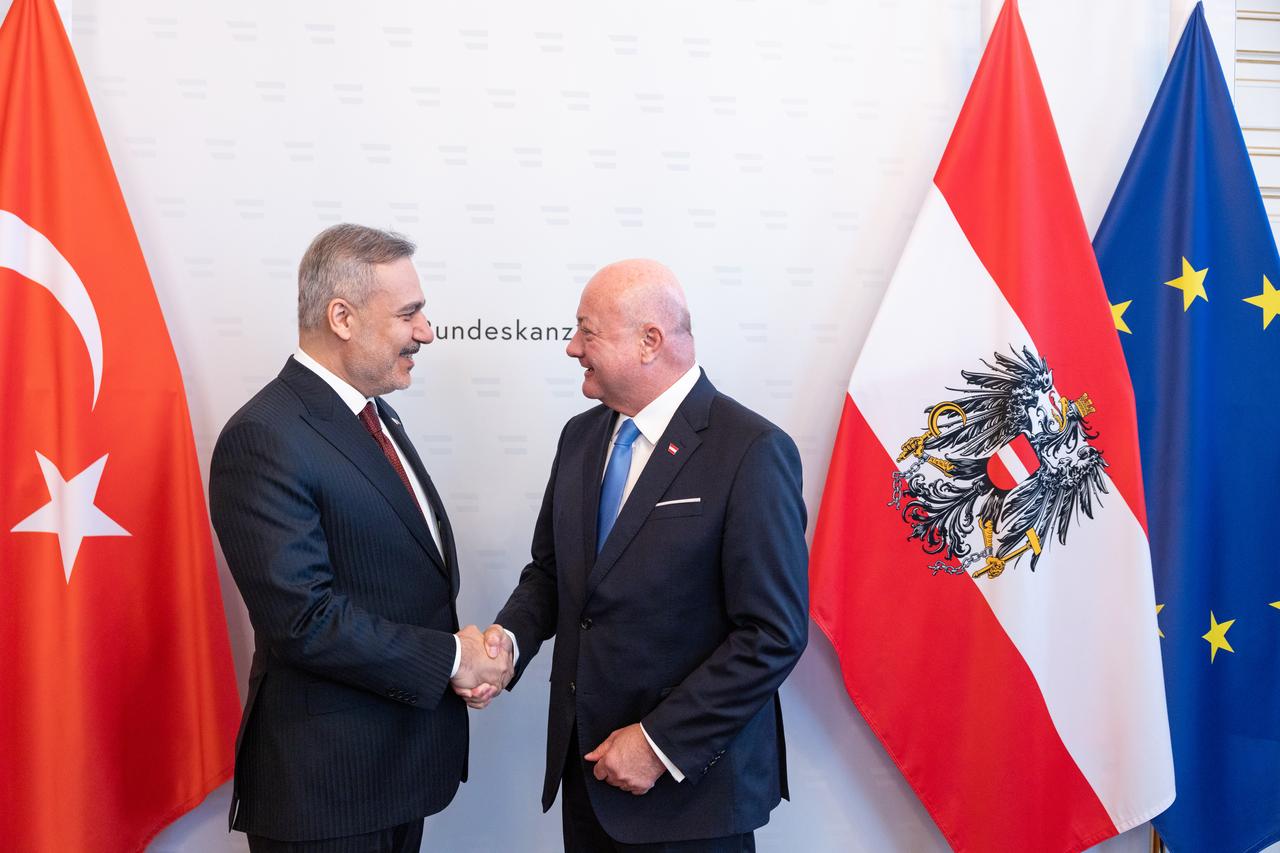
"The NATO Summit to be held in Ankara will be a historic opportunity to reaffirm the alliance. Sustaining transatlantic ties is a strategic necessity for Türkiye. A more capable and European NATO will be at the center of the discussions," Fidan said.
He noted Türkiye had been a NATO ally for more than 70 years and emphasized that Europe was "larger than the EU", warning that "EU security and defense initiatives must be carefully coordinated with NATO and non-EU allies."


 Set as preferred source
 Set as preferred source


 1 min read
 1 min read