Newsletters


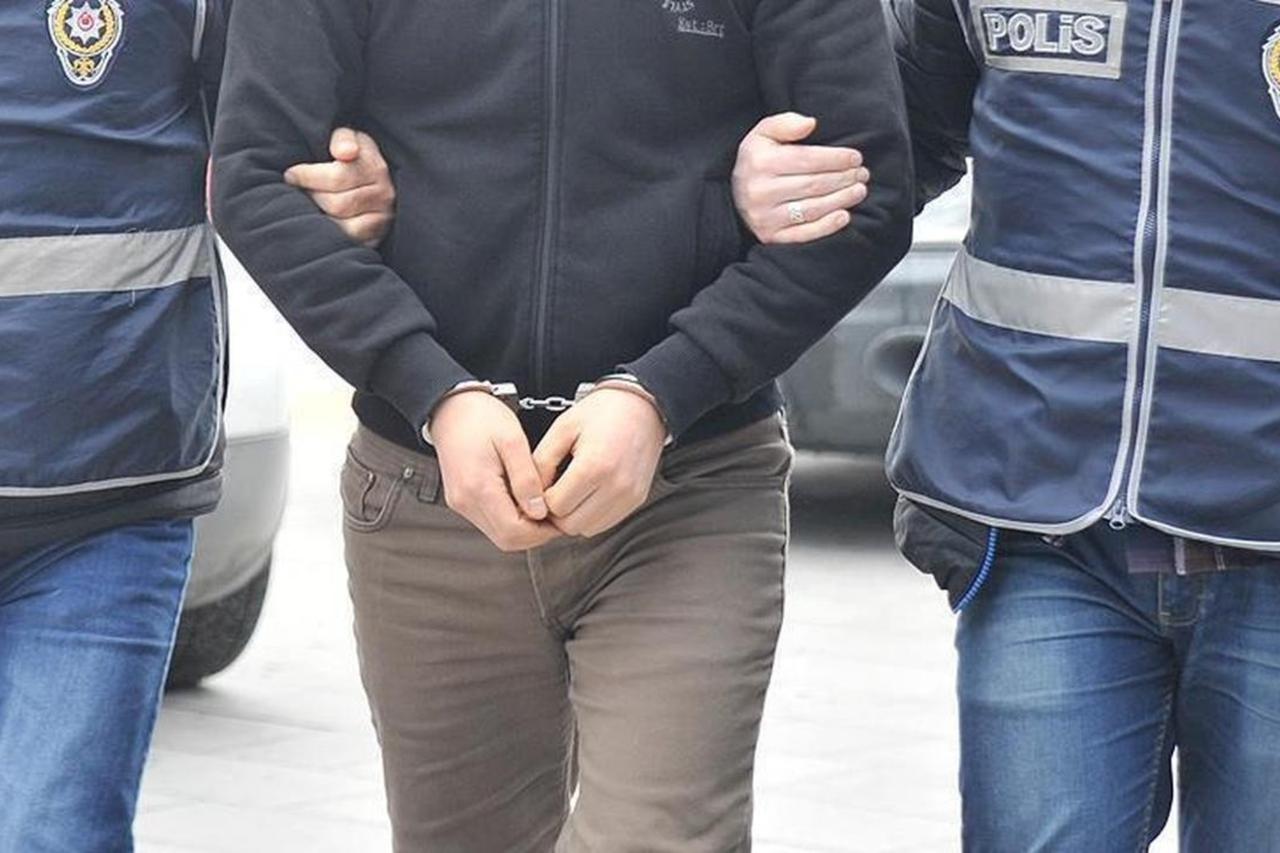


Nine Israeli citizens are among 201 people detained in Türkiye as part of an investigation into an international forex fraud network with Israeli links, Turkish authorities said, as the operation's detention count grew from an initial 175 to 201 over the course of the crackdown.
The operation, coordinated by the Istanbul Chief Public Prosecutor's Office with teams from the National Intelligence Organization's (MIT) Istanbul Regional Directorate and the Istanbul Provincial Police Department, targeted 248 individuals under investigation, of whom 201 were detained.
Of those detained, 45 were foreign nationals representing 20 different countries.
Among the other foreign detainees were 11 Pakistani nationals, along with two each from Azerbaijan, Syria, Jordan, Ukraine, Thailand, Indonesia and Morocco.
The list also included one detainee each from Kazakhstan, the Philippines, Iran, China, Lebanon, Palestine, Mexico, Egypt, Mozambique, Argentina and Bangladesh, according to authorities.
According to a statement from the Istanbul Chief Public Prosecutor's Office, the fraud organization was run by Israeli citizens who first designated operation leaders in various countries, described in the statement as "Israeli fraud barons," who then handled organizational matters such as company registration, subscriptions, human resources and accounting in their respective countries, establishing shell "call centers" outside the countries actually being targeted.
The office said job postings seeking multilingual staff for roles titled "conversion agent" and "retention agent" were used to recruit workers, who underwent a week of training.
Recruits were assigned code names and instructed to prepare a fabricated personal backstory; "care was taken to include elements that could influence potential victims, such as claiming to be a graduate of a university like Oxford," the statement said.
Before being hired, candidates were subjected to polygraph tests to confirm they had no ties to law enforcement, with those who failed excluded from employment.
Hired staff were barred from bringing phones into the call center offices and prohibited from speaking Hebrew inside them.


Companies registered in Türkiye under the guise of "call center, consulting and tourism" businesses employed the suspects, who placed advertisements, primarily for forex investment, across social media, search engines and various websites, promising high, quick returns.
Victims who entered personal information on the resulting platforms or apps had their data routed to internal customer-tracking (CRM) systems, then passed to call-center staff matched by the victim's nationality and language for initial contact.
Callers, described internally as "customer representatives," used internet-based calling systems and messaging apps to reach victims, presenting them with the names of platforms, including Inefex, Quantum AI, Algo Education and Exentral-Int, nominally licensed in countries with lax oversight, rather than the shell company's actual name.
Once complaints accumulated around a given platform, the group would rebrand under a new name and continue operating, according to the prosecutor's statement.
After initial small "registration fees," victims were transferred to more experienced and persuasive staff to be talked into transferring larger sums to bank accounts or crypto wallets controlled by the suspects abroad.
The suspects allegedly used fake investment dashboards with inflated earnings to convince victims they were profiting and encourage further deposits. When victims tried to withdraw their money, their accounts were frozen and they were asked to pay more, including "unblocking fees" or taxes.

The prosecutor's office said MIT's investigation found the Israel-run organization deliberately avoided defrauding Israeli or American citizens, instead concentrating on victims in Malaysia, the UAE, Russia, Singapore, the U.K., Canada, Australia, Ireland, China, Switzerland, Belgium, Sweden and South Korea, among others worldwide.
The statement noted that Israel passed a law in 2017 banning such fraud schemes from operating within Israeli territory, but that the law applied only within Israel's borders, prompting the Israeli operators to strictly instruct their networks not to target Israeli citizens while expanding operations globally, including into Türkiye.
Authorities said the operation, drawing on evidence gathered through Interpol-Europol channels along with hundreds of victim complaints, financial analysis by Türkiye's Financial Crimes Investigation Board (MASAK) and Istanbul police, found the network generated a transaction volume of roughly ₺13 billion ($266.4 million) over two years in flows characterized as office expenses and salary payments, with illicit proceeds extracted from victims exceeding $3 billion, held in bank accounts and crypto wallets abroad.
Justice Minister Yilmaz Tuncer Akin Gurlek announced on Friday that simultaneous raids were conducted across 286 addresses in Istanbul and Mugla, targeting 44 shell call centers tied to 28 (later reported as 29) companies and 239 suspects with Interpol participation, with 175 suspects detained by 10 a.m. that day.
The detention count later rose to 201 out of 248 individuals under investigation as the operation continued.


 Set as preferred source
 Set as preferred source


 1 min read

 1 min read