Newsletters


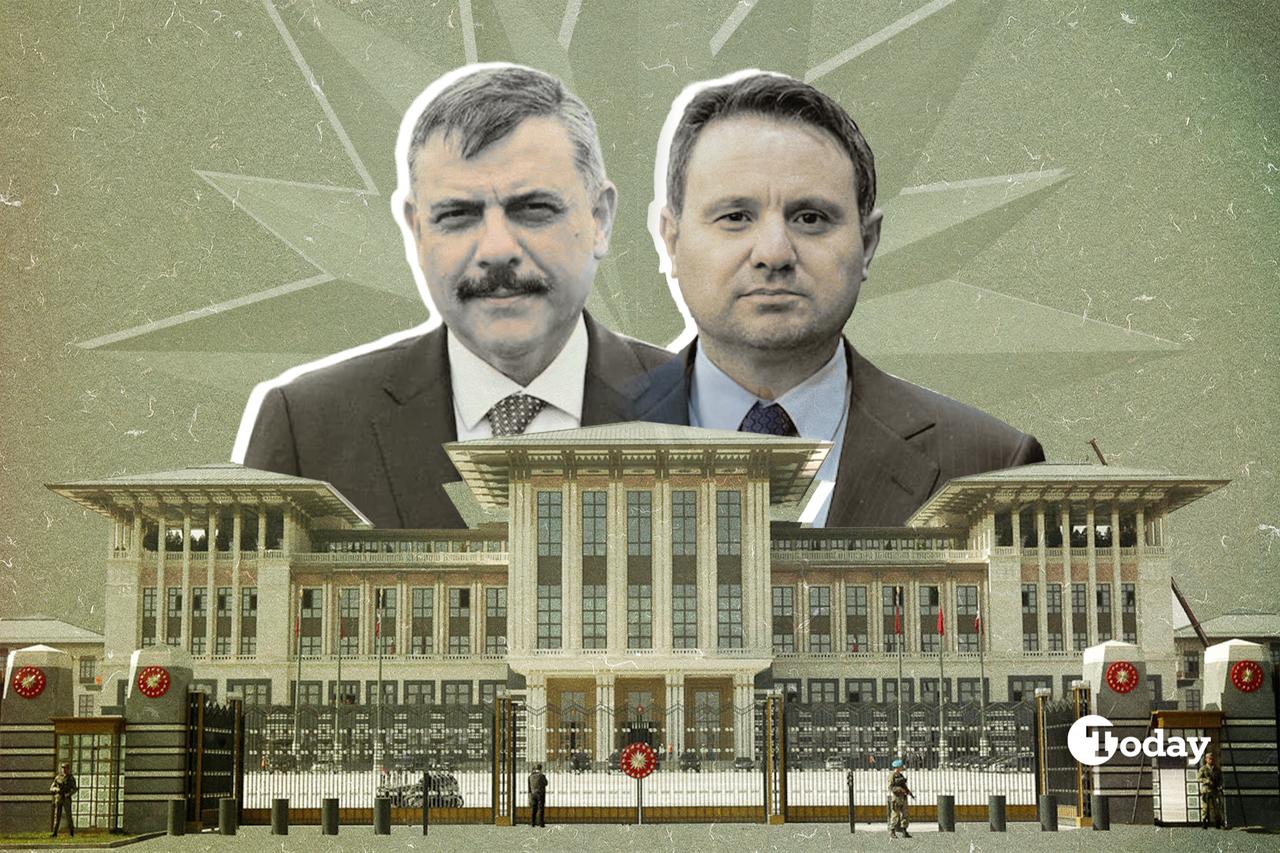


Early on Wednesday, Feb. 11, Turkish President Recep Tayyip Erdogan issued presidential decrees published in the Official Gazette, initiating a significant Cabinet reshuffle.
The decrees announced the appointment of Akin Gurlek, former Istanbul chief public prosecutor, as justice minister, replacing Yilmaz Tunc.
At the same time, Mustafa Ciftci, former governor of Erzurum, was named interior minister, filling the vacancy left by Ali Yerlikaya.
While the official announcement said Tunc and Yerlikaya had “requested to be relieved” of their duties, the government offered no further explanation on the matter.
Following the announcement, Ciftci delivered his first remarks at the Erzurum governor’s office, thanking local officials and emphasizing that he had undertaken a “heavy responsibility.”
Although rumors had circulated in Ankara for some time that the interior minister would be replaced, the name that emerged drew particular attention, sparking a debate. Ciftci's appointment is being interpreted by political insiders as a calculated maneuver.
According to a ruling Justice and Development Party (AK Party) source who spoke to Türkiye Today on condition of anonymity, the move is aimed at addressing growing dissatisfaction within the party’s conservative wing.
The source said this segment of the base has found recent government policies, particularly the response to developments in Gaza, insufficient.
Ciftci’s selection appears strategically aimed to reassure and retain that conservative constituency. A hafiz, meaning someone who has memorized the Quran, Ciftci won first place in the national “Hafiz Ol Hafiz Kal” competition in 2024.
His profile resonates strongly with the party’s core supporters. He is a graduate of Ankara University’s Faculty of Political Science and Faculty of Theology.
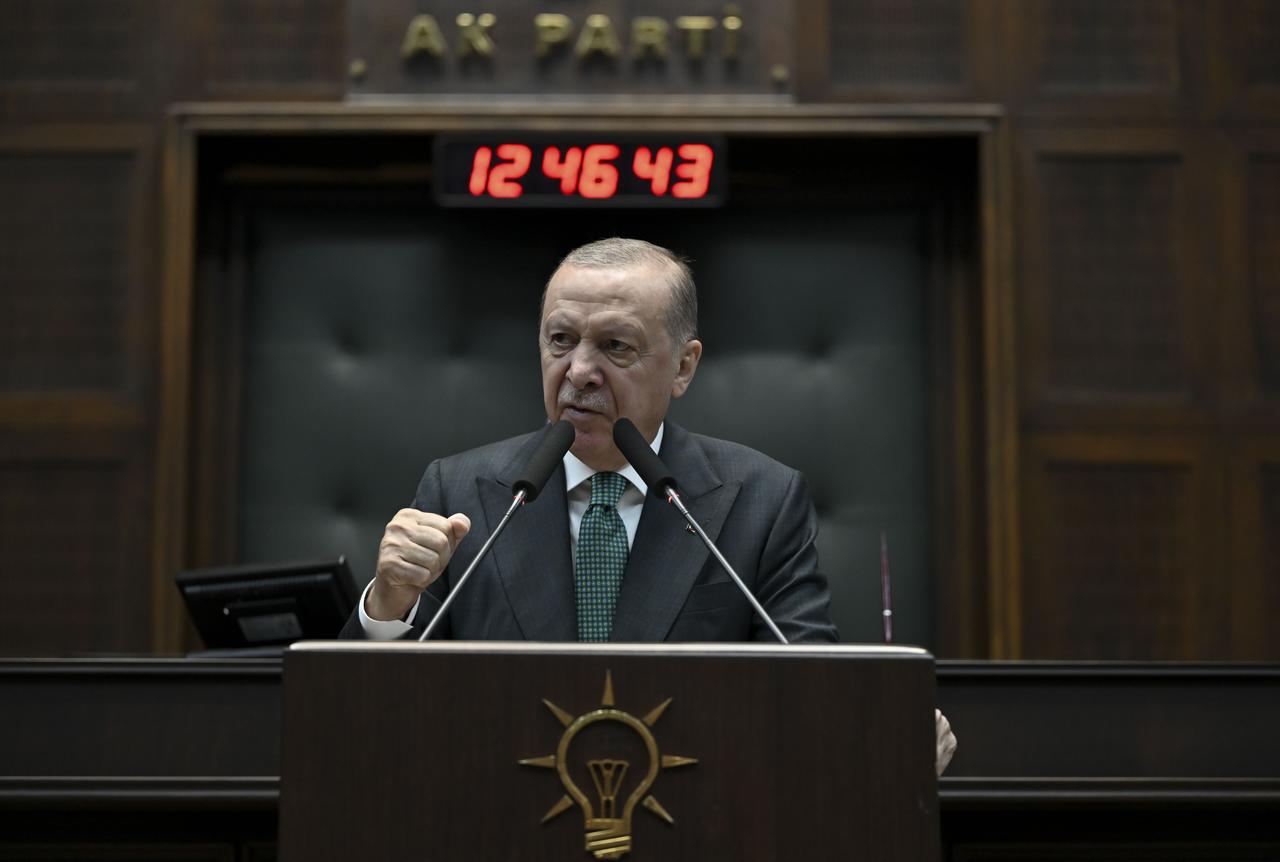

In contrast to the interior ministry, where speculation had been ongoing, the replacement of Tunc came as a surprise to many observers.
The elevation of Gurlek, however, was not entirely unexpected. For months, analysts had noted a visible public relations effort surrounding his profile.
The main opposition Republican People’s Party has been vocal in its criticism. Party Deputy Chair Gul Ciftci described the appointment as an “open reward” for Gurlek’s judicial record.
Gurlek is known for presiding over some of the country’s most contentious legal proceedings, including the case involving former Istanbul Mayor Ekrem Imamoglu, as well as a series of high-profile investigations, particularly major corruption cases.
It should also be noted that the retention of Education Minister Yusuf Tekin further reinforces the argument that the reshuffle reflects a conservative pivot.
Tekin, known for his firm stance on ideological and educational reforms appealing to the party’s traditional base, remains in his post, signaling a deliberate effort to maintain ideological consistency across key ministries.
The broader picture, then, is not one of technocratic renewal but of consolidation.
At a time when Ankara faces delicate debates over constitutional reform and the future of the so-called “Terror-Free Türkiye” process, the Cabinet lineup reflects a preference for figures who are trusted by the core electorate and battle-tested within the system.
So, rather than signaling a new direction, the reshuffle appears designed to fortify the government’s existing political foundation.


 Set as preferred source
 Set as preferred source


 1 min read

 1 min read