Newsletters


Türkiye's Aksungur drone has become the first unmanned aerial vehicle (UAV) to drop Aselsan's aselBUOY underwater listening systems into the sea, detecting underwater targets off Antalya during a naval exercise on Saturday.
Flying from Ankara under satellite control, the drone dropped the sonobuoys into the Mediterranean and relayed acoustic data back to the capital, where underwater targets were identified.
The mission took place during the Turkish Naval Forces' TURNAs-26 Unmanned Naval Systems Exercise. Turkish Aerospace Industries (TAI) developed Aksungur, powered by the national TEI-PD170 engine developed by TUSAS Engine Industries Inc. (TEI).
In a post on X, TAI said, "Another capability has been added to Aksungur's naval mission capabilities!"
"With this integration, which offers an important capability for collecting underwater acoustic data and supporting missions aimed at submarine warfare, Aksungur takes its versatile mission capabilities in naval operations one step further," the company said, noting, "With our national technologies, we are adding strength to our strength at sea as well!"
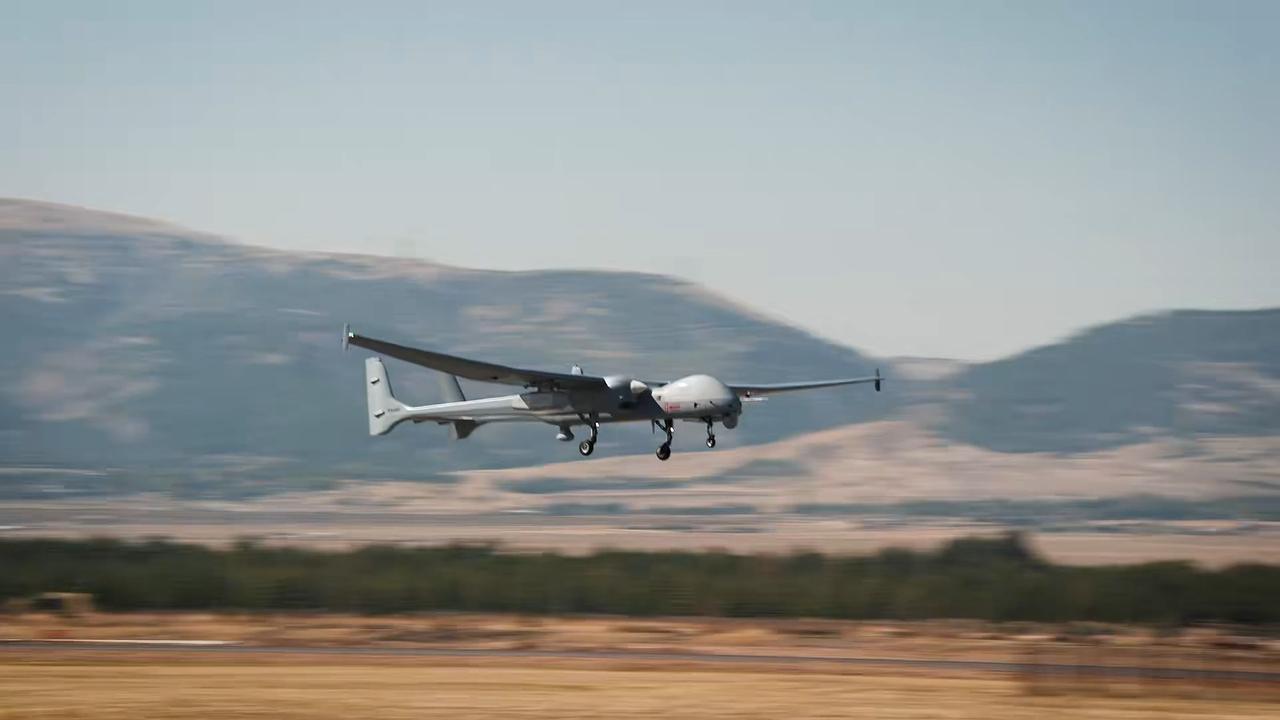

Aksungur carried three aselBUOY 100P Underwater Acoustic Listening Systems and one sonobuoy.
Over the mission area off Antalya, the drone descended to 1,000 feet and released the systems into the Mediterranean through a pod. It then climbed to 6,000 feet and switched to signal listening.
Aksungur flew about four hours in the mission area.
It sent acoustic data from the aselBUOY systems to an integrated acoustic data transfer center at its ground control station in Ankara, where the data was processed to detect underwater targets.
The full mission chain, carrying, dropping, collecting underwater data and assessing it at a remote ground station, was completed successfully.
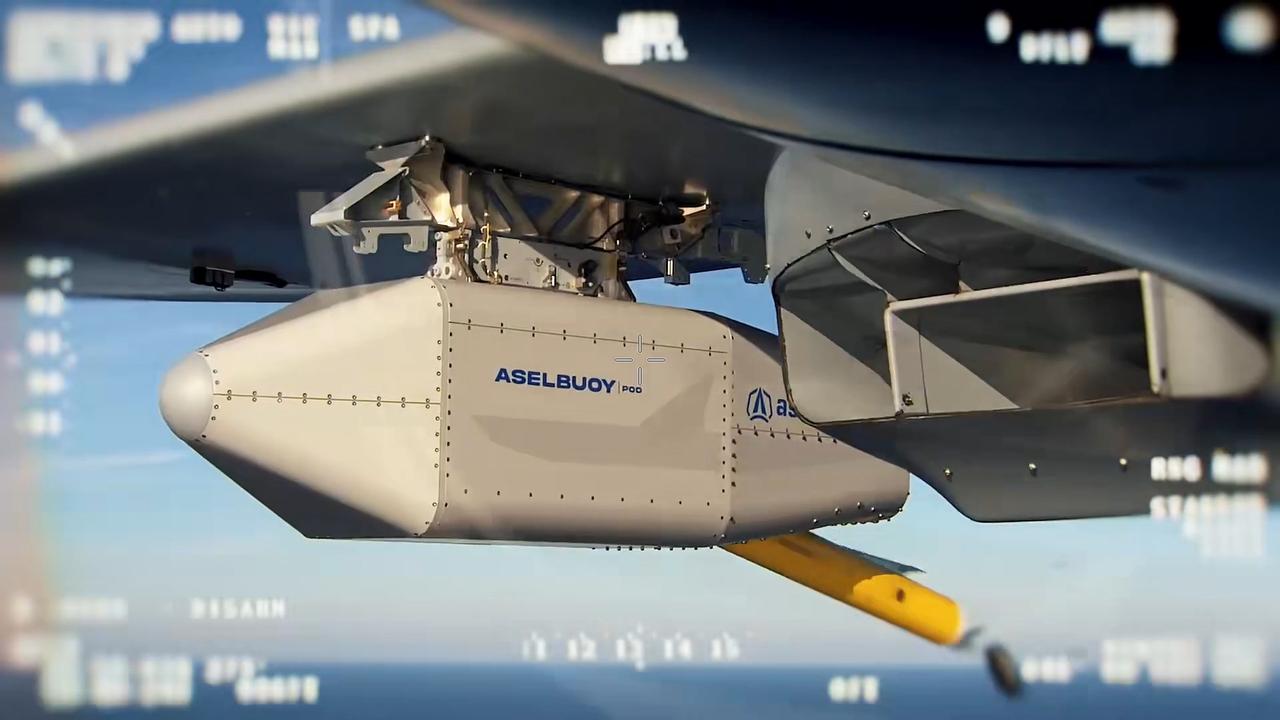
The exercise marked the first time Aselsan's aselBUOY was dropped from an unmanned aerial vehicle.
The aselBUOY 100P is a NATO A-size passive directional sonobuoy designed to be launched from maritime patrol aircraft, drones, surveillance platforms or surface vessels.
It lands on the sea surface with a stabilized parachute, then deploys acoustic sensors below the water while its control and communication components remain on the surface.
The exercise showed how Aksungur's long endurance, high payload capacity and satellite control could be used in naval missions, moving its ability to operate jointly with maritime patrol aircraft to a new stage.
Aksungur is a medium-altitude long-endurance drone designed for day-and-night intelligence, surveillance, reconnaissance and attack missions.
It can carry EO/IR, SAR and SIGINT payloads as well as air-to-ground weapons.
The drone is powered by two turbocharged diesel engines and has a 1-ton payload capacity.
In November 2023, Aksungur made its first flight with the TEI-PD170 engine, reaching 30,000 feet and staying airborne for 41 hours. It has since exceeded 40,000 feet in national engine tests.
Aksungur is also used in civilian operations, including search and rescue and damage assessment after earthquakes, floods and fires.


 Set as preferred source
 Set as preferred source


 1 min read


 1 min read