Newsletters


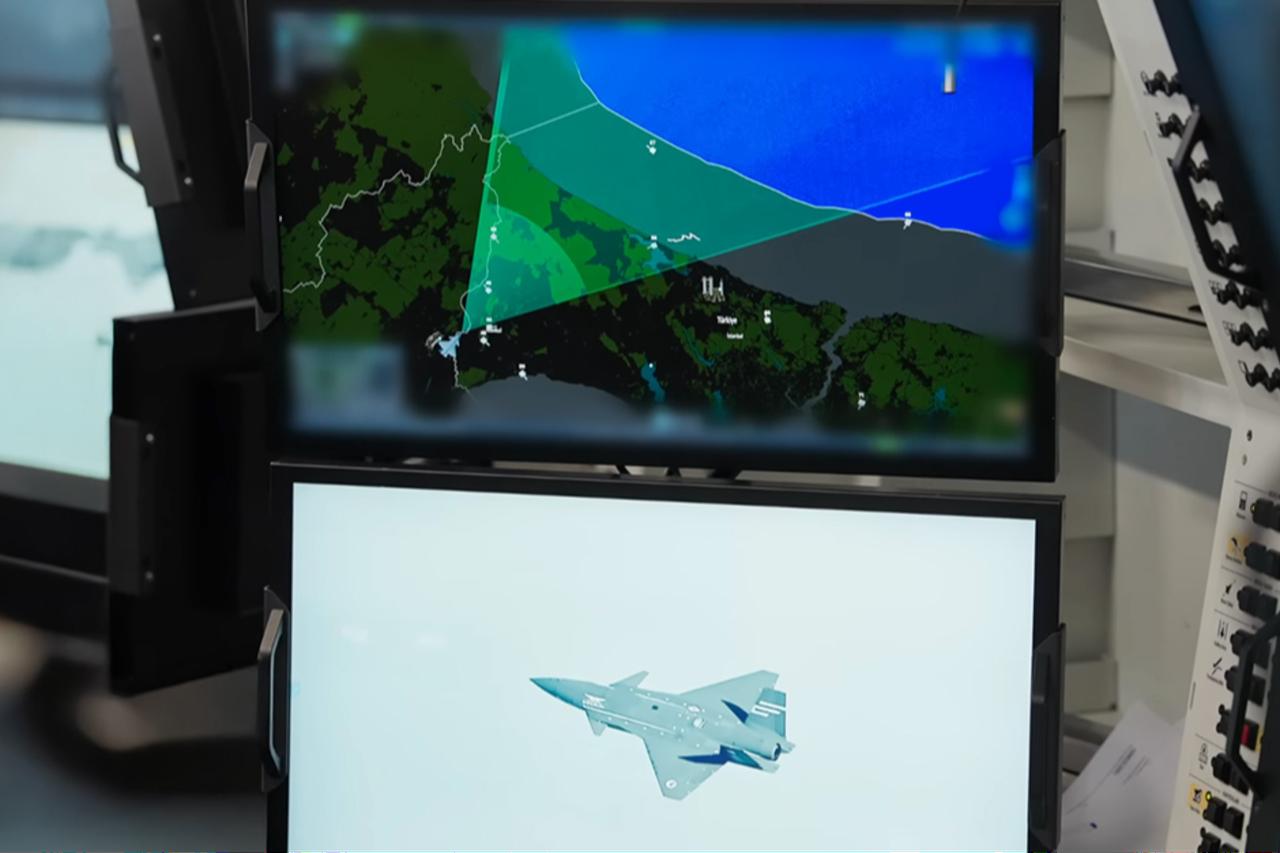


Turkish defense giant Aselsan has published a comprehensive report on its active electronically scanned array (AESA) radar capabilities. The report reveals that the Murad 100-A AESA nose radar has successfully flown on the F-16 Ozgur—an indigenous upgrade project for the Turkish Air Force’s F-16s—as well as on the Akinci unmanned aerial vehicle (UAV) and Bayraktar Kizilelma. Integration work is ongoing for the Anka-III and other platforms.
The report, titled "AESA Radar Capabilities and AselsanSolutions on the Modern Battlefield," was shared on Aselsan's social media accounts.
Aselsan also reminded of the recent Kizilelma test, which, for the first time in the world, saw an unmanned combat aircraft successfully engage and destroy an air target with a beyond-visual-range (BVR) air-to-air missile, with Aselsan systems playing a decisive role at every stage of the engagement chain.
Bayraktar Kizilelma carried out the engagement with a completely indigenous sensor and guidance chain, thanks to the capabilities provided by Aselsan technologies.
The platform detected and tracked the airborne target with the Murad AESA Nose Radar and performed mid-course guidance, while the Gokdogan BVR air-to-air missile developed by TUBITAK SAGE was directed to a direct hit via AselsanRF Seeker Radar.


The Murad 100-A AESA Nose Radar is a state-of-the-art multifunctional aircraft nose radar with electronic beam steering capability that can offer simultaneous air-to-air and air-to-ground engagement capabilities.
Murad 100-A continues to have a game-changing role in today's air warfare by combining air-to-air engagement capability with BVR missile guidance capability.
Considering the increasing role of unmanned aerial vehicles on battlefields in recent times, the Murad 100-A Radar, which can be integrated into both combat jet aircraft and UAVs, has indispensable importance in all aircraft to ensure operational superiority in air warfare.
The Murad AESA Nose Radar family, developed indigenously and nationally by Aselsan engineers from the chip level, meets Türkiye's need for state-of-the-art AESA radar in this field.
The developed Murad AESA nose radar, with different alternatives adaptable to platforms, provides new capabilities to Türkiye's combat aircraft on one hand, and shapes the future of air combat by providing air-to-air engagement capability to unmanned aerial vehicles on the other.

AESA radars are modern radar systems that work by combining hundreds or even thousands of transmitter-receiver modules on a single antenna surface. Each of these modules can be thought of as a small antenna that can send and receive signals on its own.
The most important feature of AESA is that it can electronically adjust the direction of transmission by applying different phase shift values to each of these modules. In other words, the transmission direction can be changed within milliseconds without the need for the radar antenna to physically rotate.
This capability allows the radar to simultaneously search in different search areas, track targets in different areas or of different types at the same time, and thus perform different tasks simultaneously. It offers a much more flexible, fast and reliable structure compared to mechanical radars.
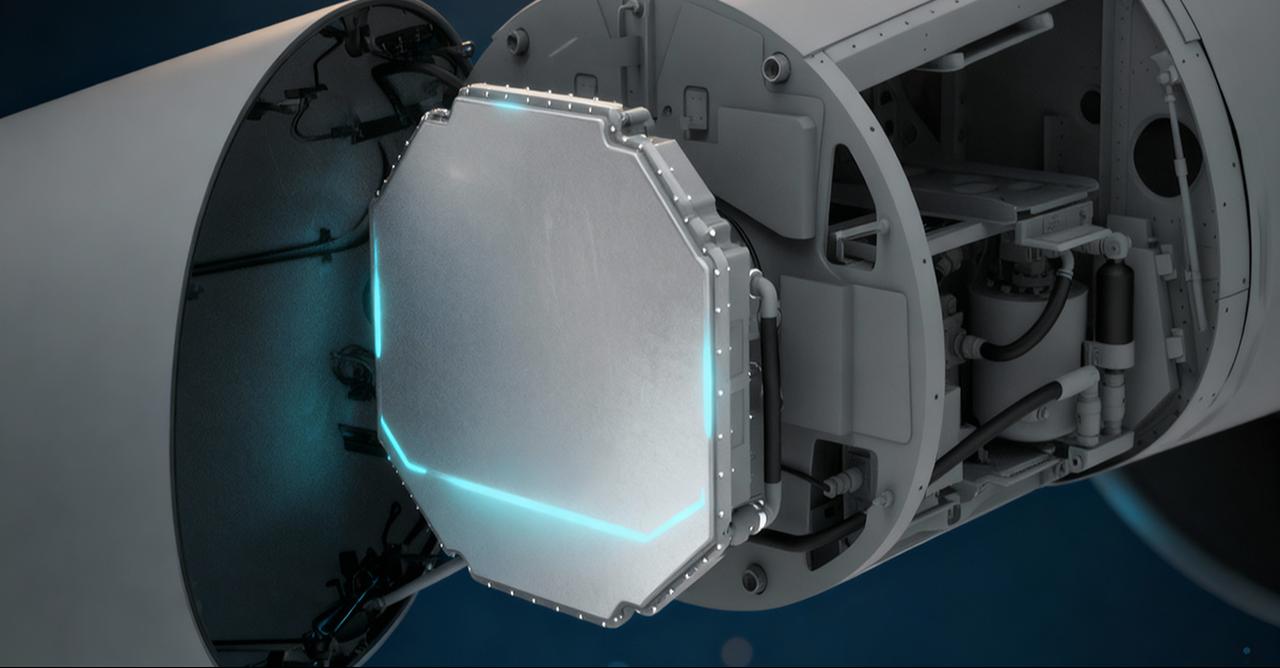
The importance of AESA radars comes from their ability to meet the high performance and advanced resistance to electronic warfare required by today's flexible mission concept in the air combat environment.
These radars can detect even small and low-visibility targets from long range, and can increase weapon engagement success by providing more agile and high-accuracy target tracking.
Thanks to their electronic scanning capability, they can maintain situational awareness by keeping track of engaged targets while simultaneously performing both target search and target tracking operations.
AESA radars, with their flexible beam planning infrastructure and data processing capability exceeding 500 gigabits per second, can perform communication, data transfer and electronic warfare tasks in a time-shared manner in addition to radar tasks.
This multi-mission capability, selection of search area not restricted by mechanical limits, multiple tracking of agile targets in different areas, is not possible in mechanically scanned radars that require physical movement of the antenna and time for this.
AESA radars allow waveforms spread over a wide frequency spectrum, and thanks to their flexible beam forming capability, they can perform their tasks without being detected by enemy radar warning receivers, contributing to low visibility, which is critically important in today's air combat environment.
This capability reduces the probability of the platform on which the AESA radar is integrated being detected in the combat environment, contributing to the platform's survivability.
Since AESA radar antennas do not require physical orientation, they contain fewer mechanical parts, which reduces the probability of radar system failure and reduces maintenance needs and costs.
Additionally, since each antenna module operates independently, the radar can continue to be used even in module-based failures and can perform radar functions without experiencing critical performance loss.
AESA Radar also stands out with its maintenance and operation advantages, bringing an operational capability gain in terms of combat readiness and ease of maintenance.
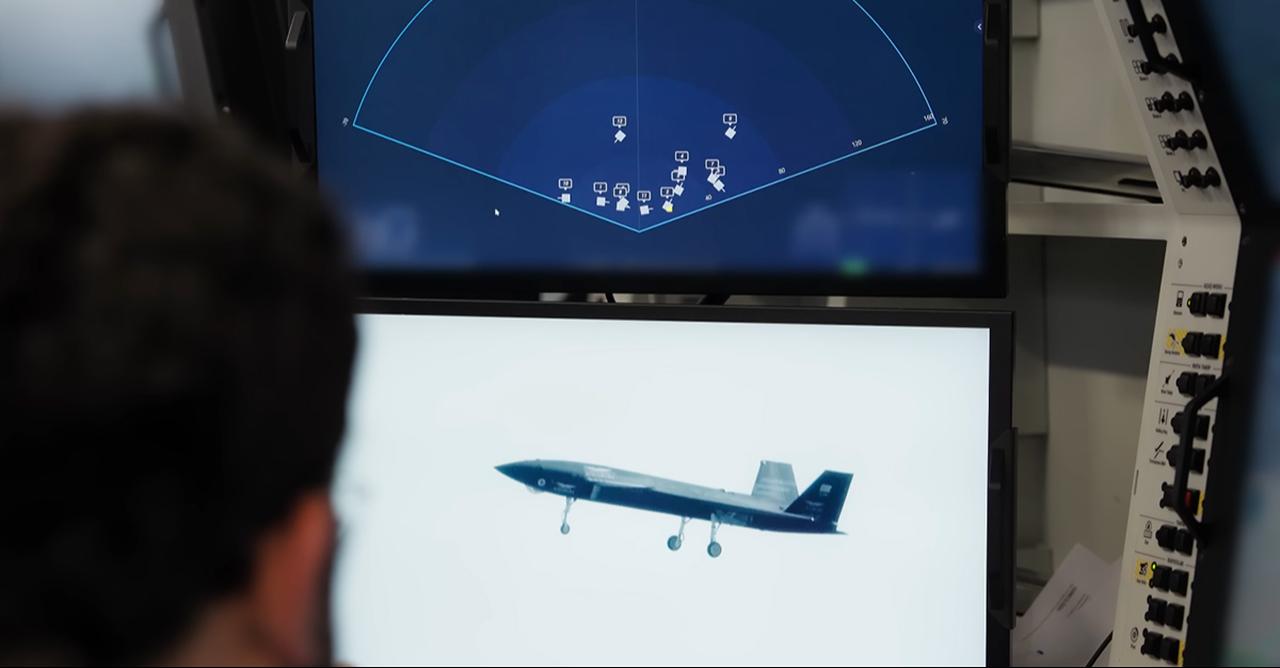
AESA architecture works in full harmony with sensor fusion, artificial intelligence-supported target recognition, low visibility compatibility and network-centric operation concepts, creating a force multiplier effect in air-to-air and air-to-ground missions.
"In the future, with the spread of higher power density, digital beam forming, software-defined radar architectures and integrated electronic warfare-communication-radar (RF convergence) concepts, AESA radars will continue to be at the center of defense in areas such as autonomous platforms, unmanned air platforms and unmanned combat aircraft," according to Aselsan's estimate.


 Set as preferred source
 Set as preferred source


 2 min read