Newsletters


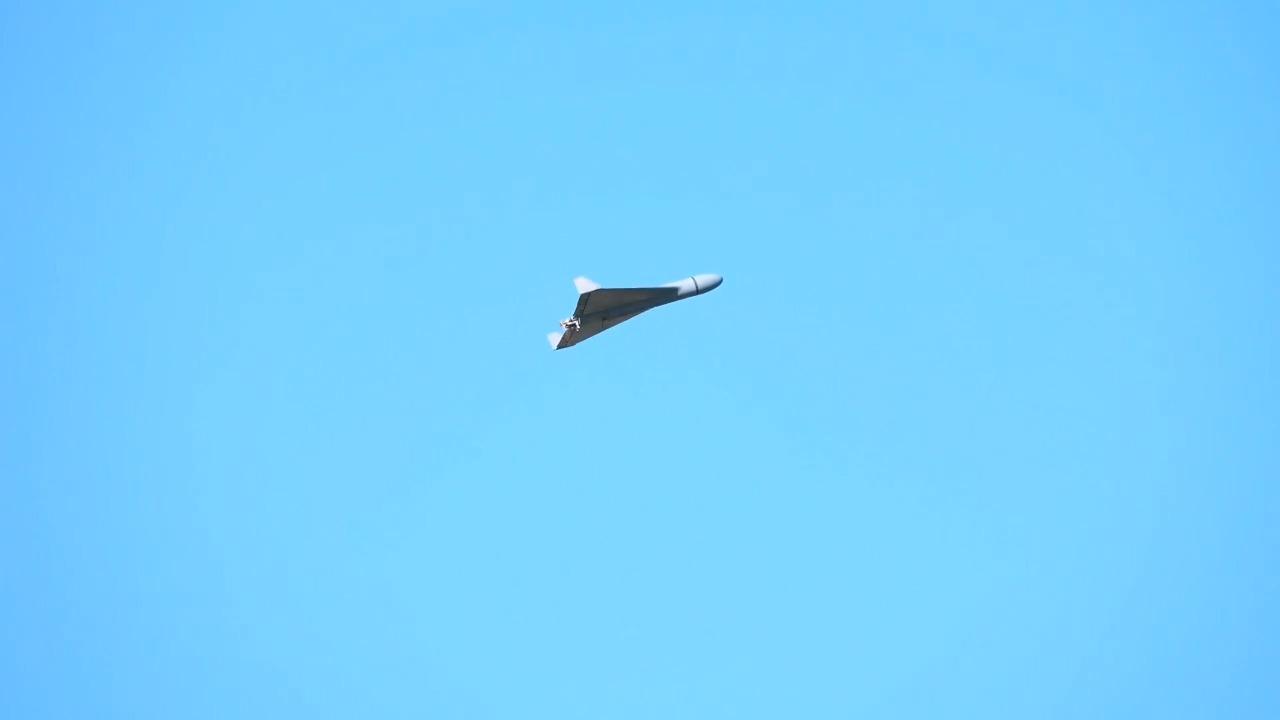
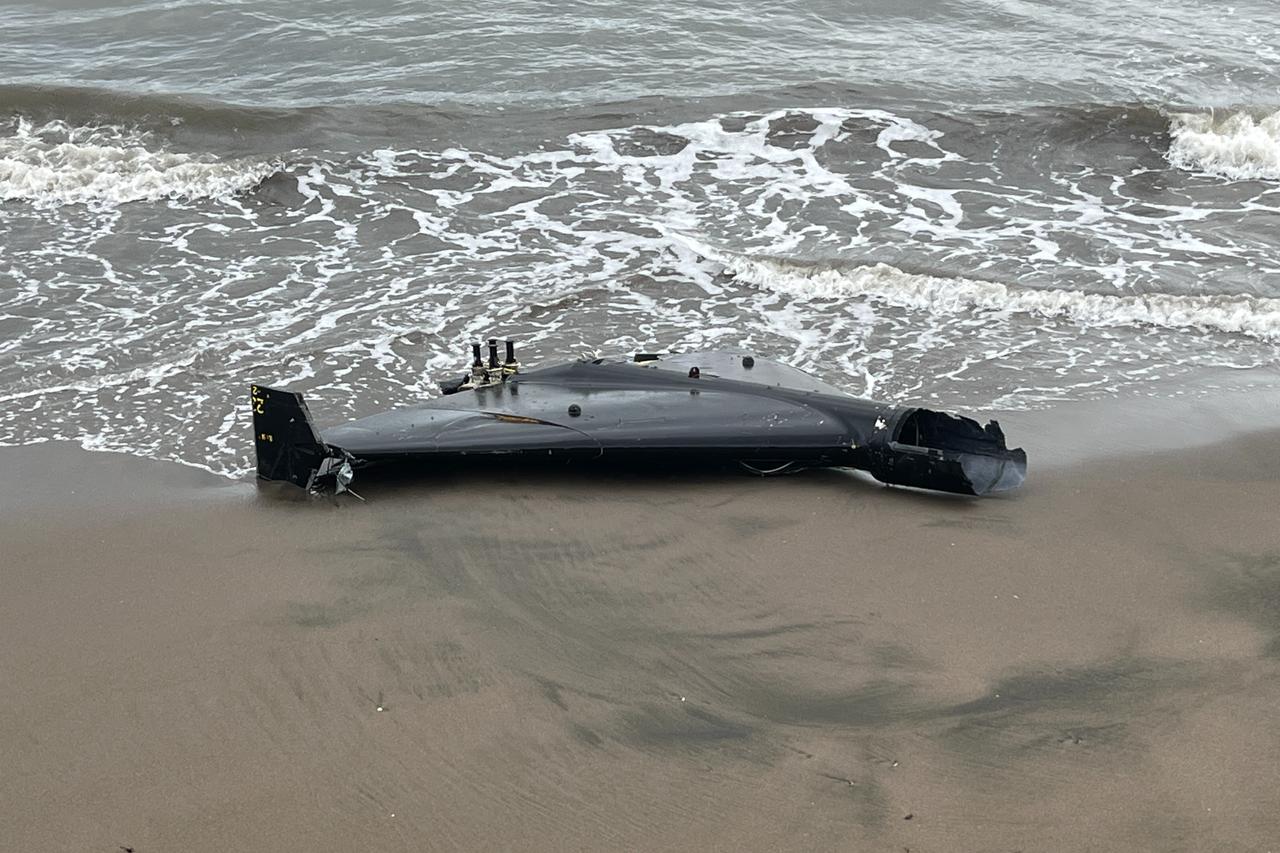
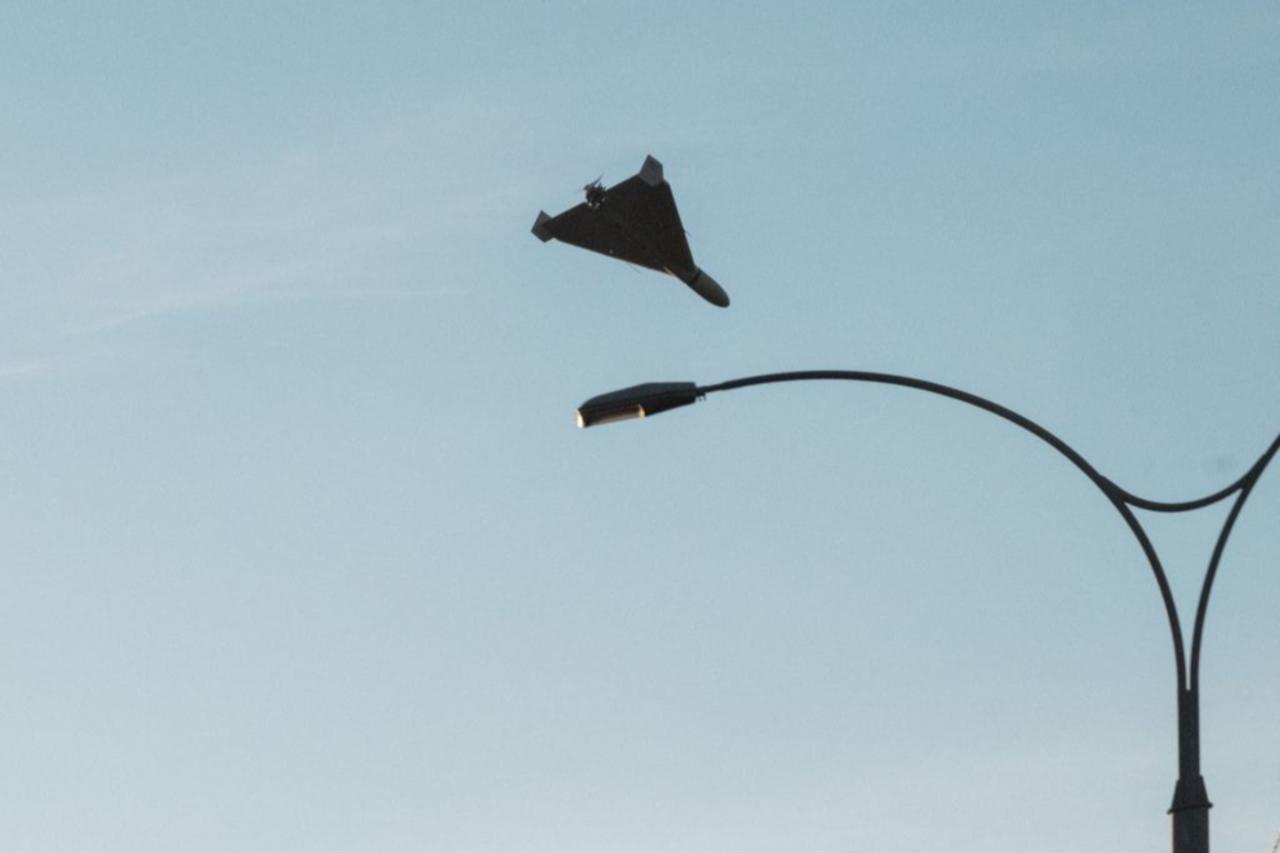
The Bayraktar Akinci unmanned combat aerial vehicle (UCAV) successfully destroyed a target drone representing Shahed-type kamikaze UAVs over the Black Sea using the EREN high-speed loitering munition.
The test marked the first air-to-air kill for both systems and demonstrated Ankara's push to convert long-endurance strike drones into cost-effective airborne interceptors.
The test, which was disclosed on Feb. 21, saw a Bayraktar Akinci UCAV departing from its Flight Training and Test Center at Corlu, Tekirdag, proceed to a test range over the Black Sea, and engage a target UAV that had launched from a vehicle, which is believed to be near Sinop.
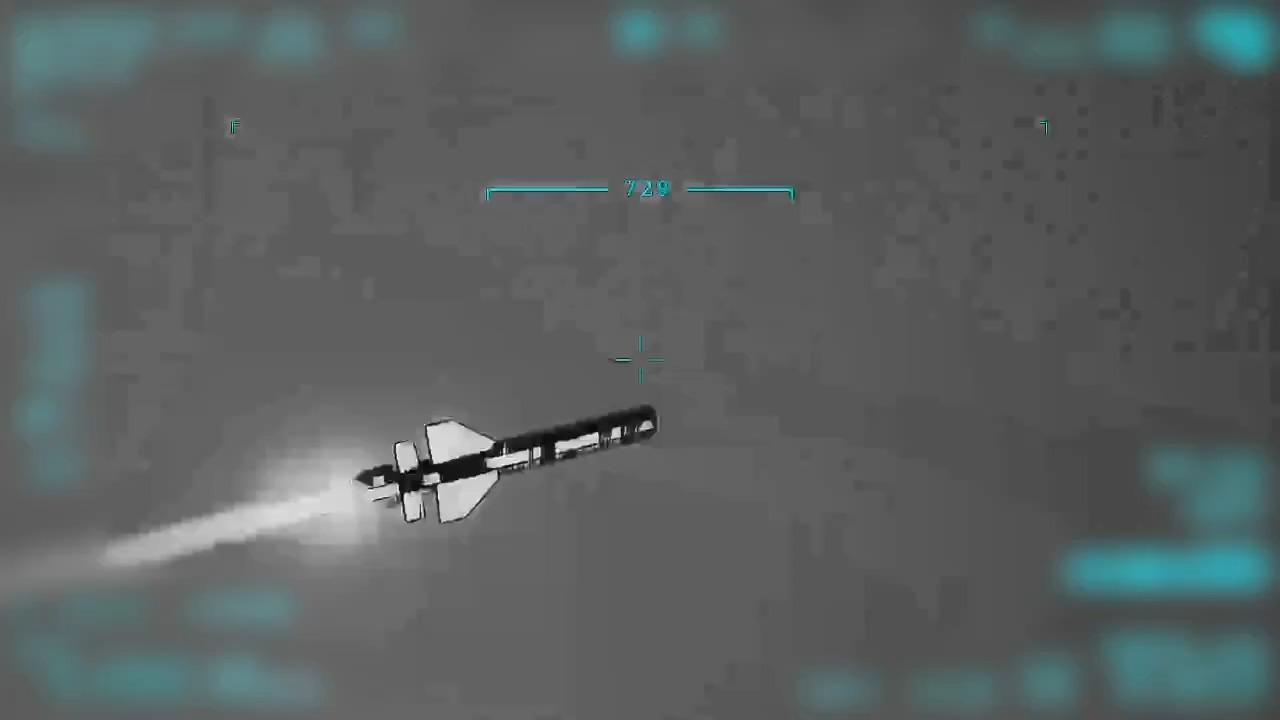
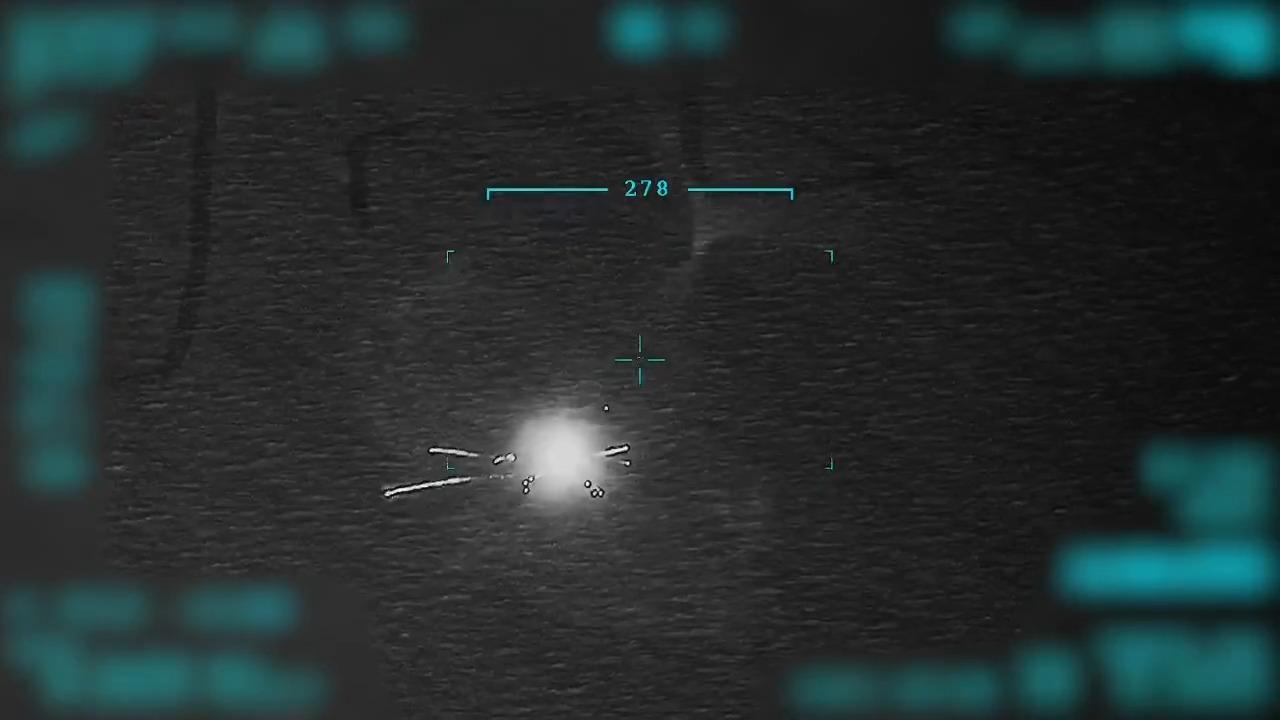
According to Baykar, the UCAV released a single EREN loitering munition, which accelerated under its own turbojet, acquired the airborne target using its seeker, and executed a direct hit, destroying a mid-air before Akinci returned to base.
The demonstration clearly validates an unmanned-to-unmanned intercept profile entirely within the UCAV's own kill chain and confirms that EREN's guidance, previously proven against static maritime targets, can handle a dynamic air target in a realistic engagement environment.
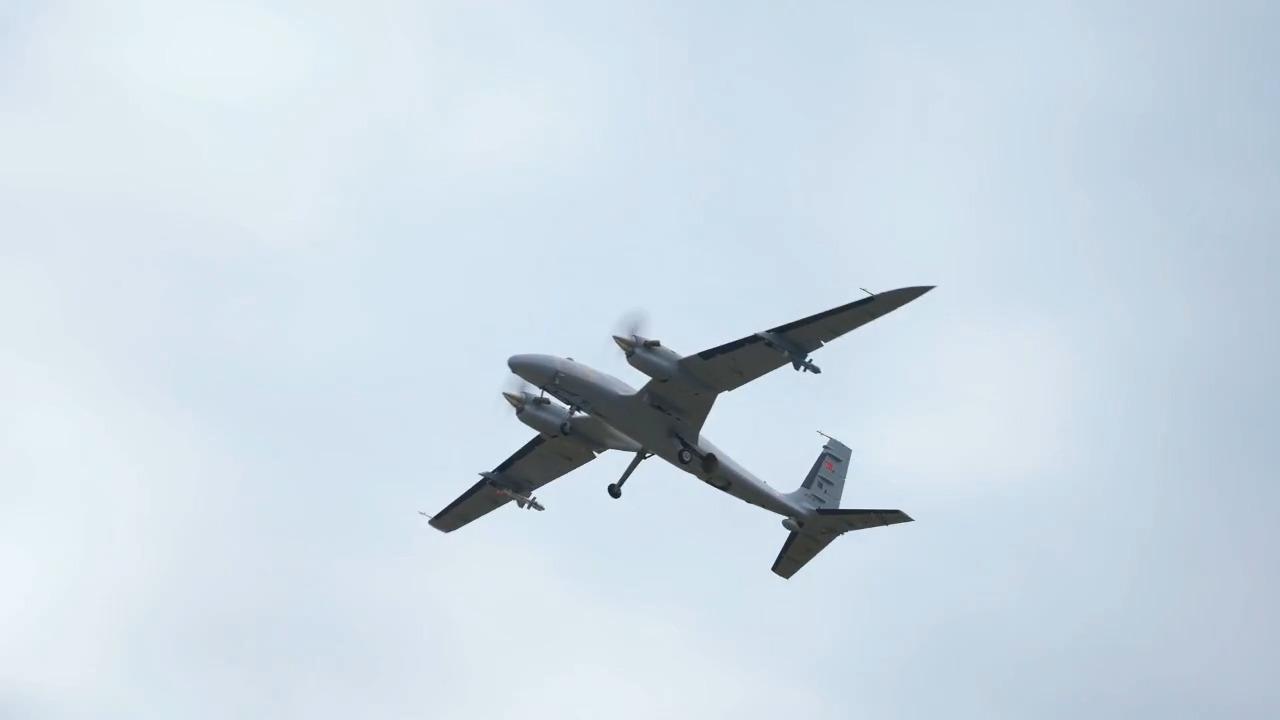

From a tactical perspective, combining a high-altitude-long-endurance UCAV like Akinci with a high-speed loitering effector such as EREN creates a mobile and persistent "counter-unmanned aircraft system (UAS) bubble" that can be projected hundreds of kilometers from a friendly airspace.
Roketsan CEO Murat Ikinci commented on X regarding the test, saying, "Good thing our country has its protectors, the ERENs! Our High-Speed Multi-Purpose Loitering Munition EREN successfully hit the target with pinpoint accuracy in its first air-to-air shot launched from the Bayraktar Akinci. On this occasion, I once again remember our martyr Eren Bulbul, after whom our munition is named, with mercy."
Operating at around 30,000 feet with endurance measured in tens of hours, Akinci UCAV can maintain combat air patrols (CAP) over critical corridors or maritime choke points while its Aselsan-made MURAD active electronically scanned array (AESA) radar and EO/IR (electro-optical and infrared sensor) suite detect slow-moving UAVs, helicopters, or even cruise missiles.
Once a track is confirmed, EREN can be released from outside the engagement envelope of most medium-range surface-to-air systems, fly a standoff intercept profile, loiter in the vicinity of the threat, and dive at high speed for a terminal hit.
Because EREN is compact and can be carried in numbers under a UCAV with eight hardpoints, a single Akinci orbit could defend a broad area while retaining air-to-ground weapons for follow-on strikes against launch sites or command posts.
Cost-effectiveness is central to this architecture's appeal.
In recent conflicts around the world, from Ukraine to the Middle East, defending forces have often expended surface-to-air missiles costing hundreds of thousands or millions of dollars against relatively inexpensive Shahed-type drones, creating an unsustainable cost-exchange ratio.
A UCAV-launched loitering munition reverses that equation: the launch platform remains at altitude outside threat envelopes, while munitions whose unit price is far below medium- or long-range SAMs engage targets.
When multiplied across multiple aircraft and launch cells on land and sea, EREN offers the prospect of saturating airspace with agile interceptors that can discriminate targets, avoid collateral damage through mission abort and re-attack functions, and be dynamically re-tasked.
EREN weighs approximately 35 kilograms, is around 2 meters in length, and is powered by a turbojet engine providing a range exceeding 100 kilometers and endurance of more than 15 minutes in the target area.
Its guidance architecture combines GNSS/INS mid-course navigation with an imaging infrared seeker and automatic target recognition, allowing operators to search, positively identify, abort, and re-attack if the tactical situation changes.
Designed as a multi-role effector, EREN can be fired from UAVs, helicopters, armored vehicles, containerized truck launchers, and naval platforms, engaging low-speed aerial threats and armored and unarmored ground targets.
Türkiye has demonstrated a sovereign ability to design both the unmanned platform and smart effector, integrate them with an indigenous AESA radar and export-proven command-and-control, and employ them in a role—UCAV-launched air-to-air interception using a turbojet loitering munition—that no other country has yet publicly showcased in this combination.
The Akinci-EREN test underlines how quickly Türkiye has moved from adopting foreign UAV concepts to becoming one of the principal innovators in unmanned and counter-drone warfare within the NATO ecosystem.
This development also strengthens Ankara's position as a key contributor to NATO's Integrated Air and Missile Defence (IAMD) posture on the Black Sea and along the Alliance's eastern flank.
With EREN entering the picture as a multi-domain effector, Türkiye can offer NATO not just ISR and strike drones but a scalable counter-drone layer that can be plugged into existing command-and-control networks.
Instead of deploying high-end fighters to perform air policing against slow, small UAVs, alliance air chiefs could station Akinci detachments equipped with EREN to provide round-the-clock counter-UAS coverage while manned fighters focus on higher-end threats.
The regional implications are clear in a threat environment increasingly defined by Iranian-designed Shahed-series drones supplied to Russia and the proliferation of similar loitering munitions among non-state actors.


 Set as preferred source
 Set as preferred source


 2 min read
 1 min read