Newsletters


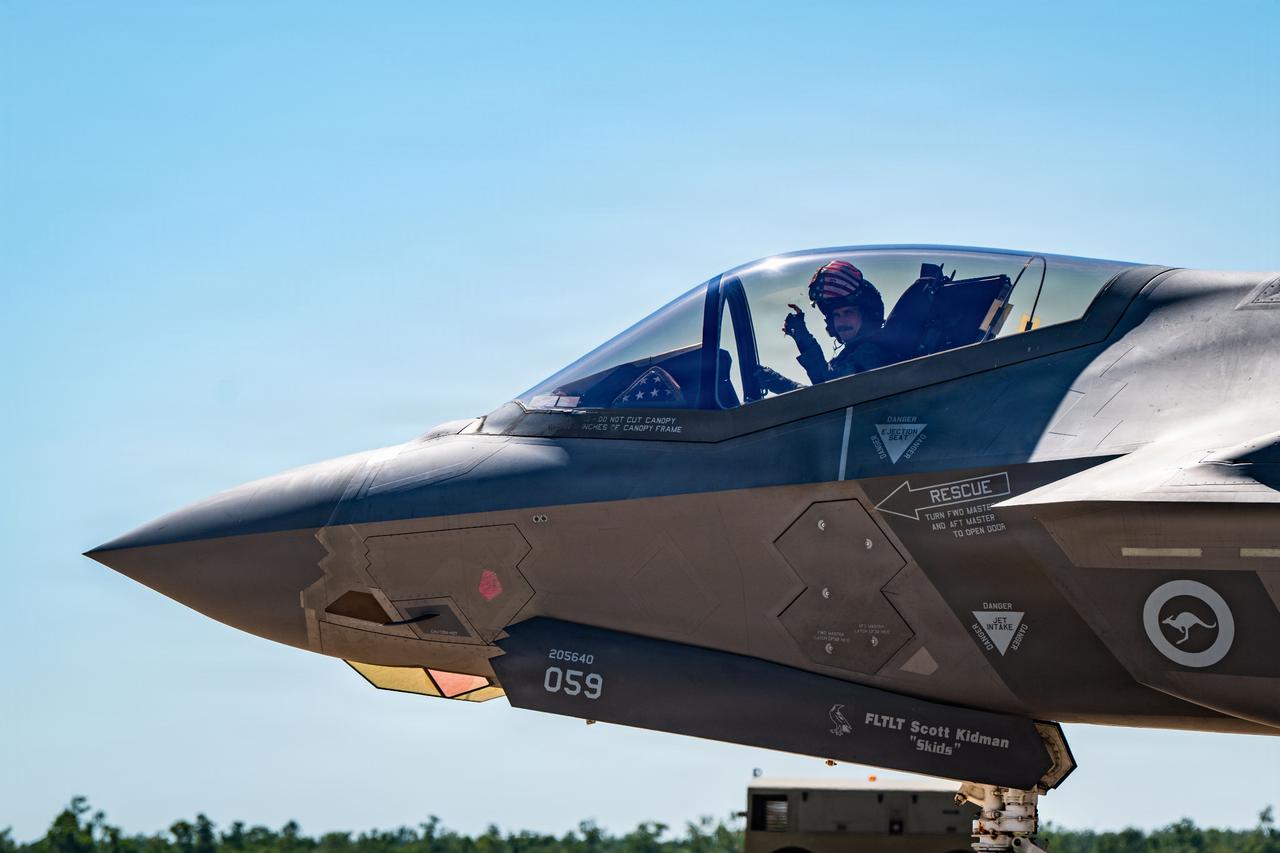


Turkish Vice President Cevdet Yilmaz said the process toward Türkiye's potential acquisition of F-35 fighter jets now rests with the U.S. administration, following U.S. President Donald Trump's remarks on sanctions relief and the jets at the NATO summit in Ankara.
Asked during a live interview on 24 TV about Trump's positive but noncommittal remarks on lifting sanctions and delivering F-35s to Türkiye, and how he expected the process to unfold, Yilmaz said: "We will all follow the next stage together, but now the ball is in the hands of the US administration. They will certainly do what is necessary."
Yilmaz said the relationship between Trump and President Recep Tayyip Erdogan had played an important role. "I believe the relationship he has established with our president is important. He has demonstrated a very harmonious approach. He has great respect for our president and has expressed this repeatedly. He has already made his political will clear," Yilmaz said, adding that when journalists asked Erdogan about the issue, the president responded: "Keep watching us."
Yilmaz said this suggested progress is forthcoming.
Reiterating Ankara's opposition to sanctions among NATO allies, Yilmaz said: "There should be no sanctions among allies, nor should there be trade restrictions. Unfortunately, Türkiye has faced both overt and covert sanctions and obstacles."
He said Türkiye had used the pressure to strengthen its own capabilities.
"We have reached the point where we export to countries that once imposed restrictions on us. Products we once could not buy despite offering payment are now products we sell to others," he said, adding that such restrictions were fundamentally incompatible with the spirit of alliance.
Yilmaz noted that Trump himself had said, "We cannot impose sanctions on our friends," which he said reflected clear political will from the current U.S. administration.
The Turkish vice president noted that the world is undergoing a period of transition marked by shifting power balances, weakening international institutions, and rising conflict risk, noting that NATO had not been immune to these pressures.
Recalling past claims that the alliance is experiencing "brain death," Yilmaz said the Ankara summit demonstrated otherwise.
"The latest NATO summit showed that this is not the case. NATO, in a sense, demonstrated that it is regaining momentum with the Ankara summit," he said, pointing to the European Union's €800 billion ($912 billion) SAFE program and rising national defense budgets across Europe as evidence of a rebalancing between Europe and the United States within the alliance.
"It has now become clear that the European pillar will continue to grow stronger," he said.
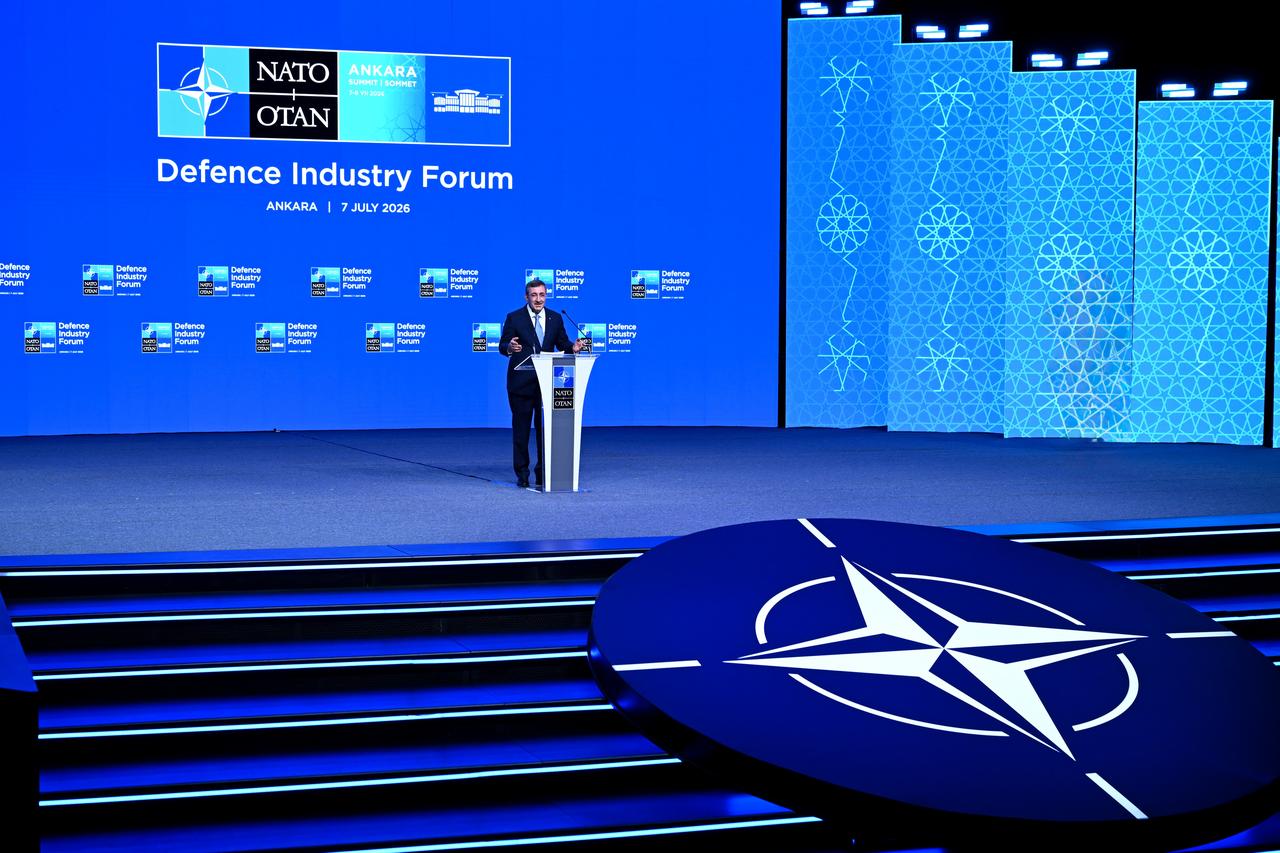

Yilmaz said the summit underscored the growing importance of the defense industry, with the Defense Industry Forum formally incorporated into the summit program for the first time.
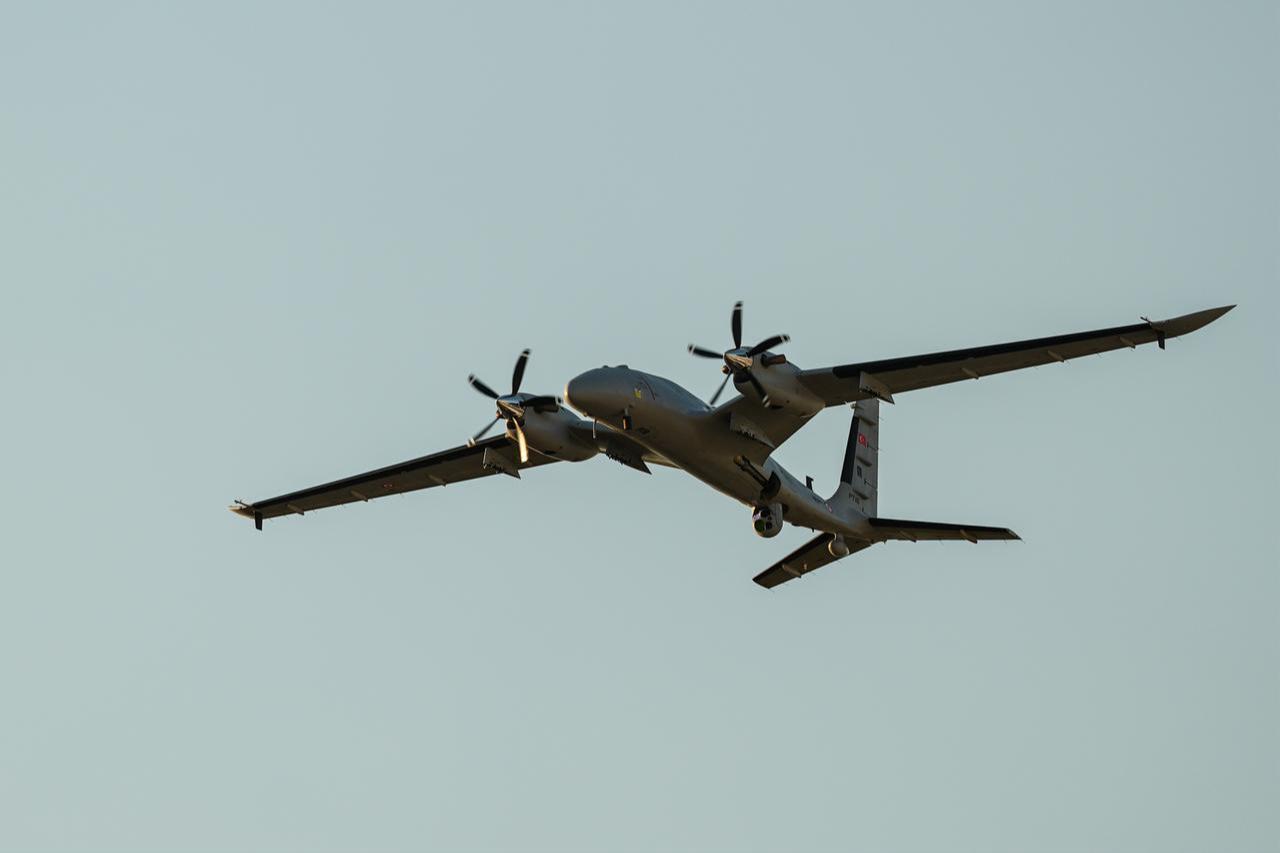
He said Türkiye had benefited from entering the sector early under Erdogan's leadership, noting that more than 80% of equipment used by the Turkish Armed Forces is now domestically produced.
He said Türkiye ranks as the world's 11th-largest defense exporter and expects to enter the top 10 in the near future, with exports exceeding $10 billion last year and surpassing $11 billion over the most recent 12-month period.
He added that the sector employs around 100,000 people with an average age of 34, compared with an average above 50 in Western countries.
"Therefore, the future belongs to us. The future belongs to Türkiye," he said.
Yilmaz said NATO Secretary-General Mark Rutte had personally praised Türkiye's organization of the summit, quoting Rutte as telling him, "The next host country has a very difficult job. You have set the bar very high."
He described the event as "a highly successful summit without any incidents."
Asked about reports that some visiting leaders were unable to take home Turkish-made firearms presented as summit gifts bearing participants' names, Yilmaz said this was due to those countries' domestic legislation rather than any political message.
"As far as I know, some countries could not take them due to their internal legal regulations. This was a security summit, so the gift was related to that theme," he said.
He also praised the Presidential Complex's facilities for their role in hosting the event.


 Set as preferred source
 Set as preferred source


 6 min read