Newsletters




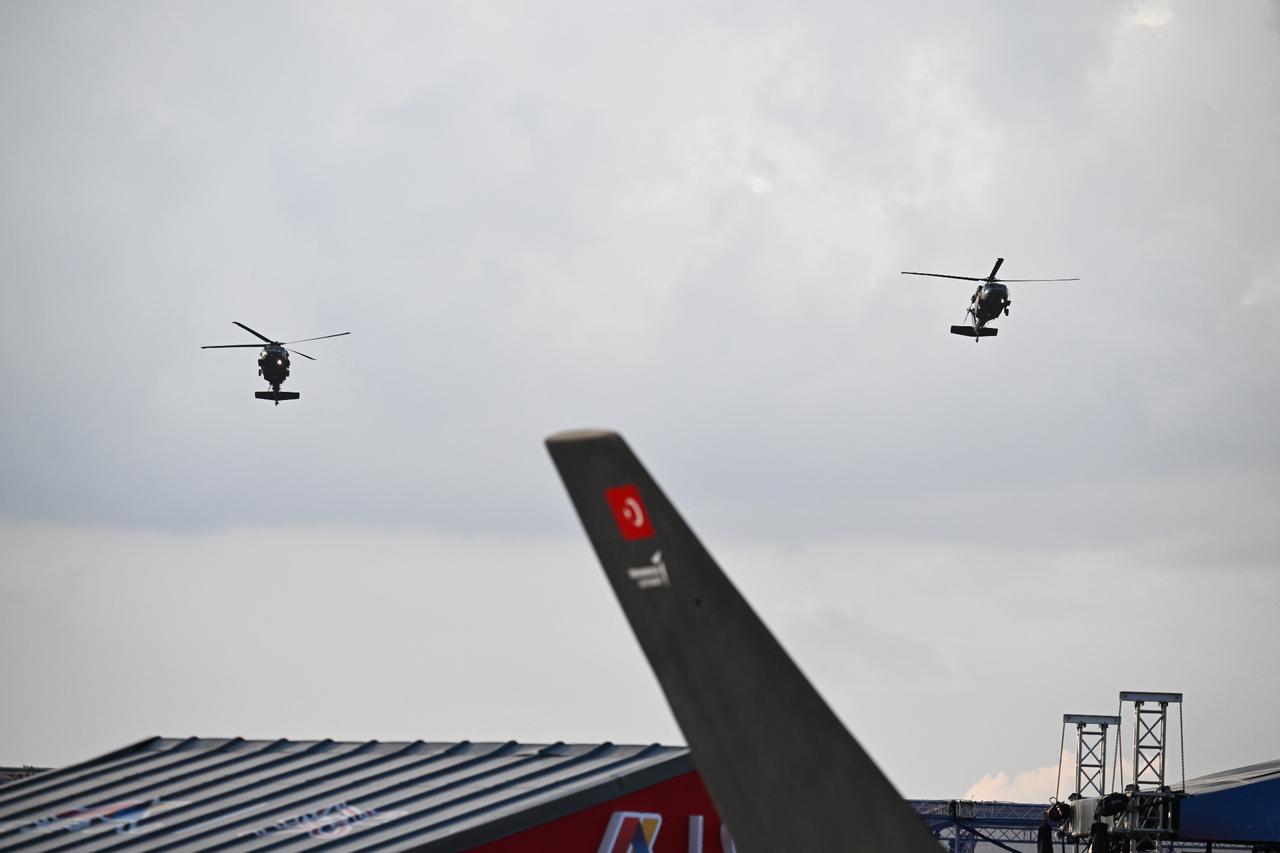
A few days ago, Ankara hosted a NATO summit—its first in 22 years. The mood in the room was light. U.S. President Donald Trump could not stop praising President Recep Tayyip Erdogan, announced that CAATSA sanctions would be lifted, mentioned KAAN engines, and hinted that the door to F-35s might be reopening.
But there was one question every reporter wanted answered: what happens to the S-400s? Erdogan's response was short and cryptic: "Keep watching us."
The next day, Kremlin spokesman Dmitry Peskov half answered it. He confirmed that Russia and Türkiye were discussing the possible resale of the systems. In his own words, it is "an extremely sensitive matter."
So, this is no longer just a rumor floating around in newspaper columns. It is an admission that came out of Moscow's own mouth. And that is where the real story lives: not in whether Türkiye will finally give up the S-400s, but in how far this decision has travelled in seven years.
Before talking about where the S-400s might go next, it is worth going back to why Türkiye bought them in the first place.
In the second half of the 2010s, Türkiye had a real gap in its air defenses, and the missile threat coming across the Syrian border was not some abstract scenario; it was current and immediate.
For years, Ankara negotiated with the United States and its European allies over Patriot batteries, but the talks kept hitting the same wall: technology transfer and joint production, neither ally was willing to budge on.
Türkiye did not want to return empty-handed, and Moscow was offering something, albeit not quite everything it wanted, at just the right time.
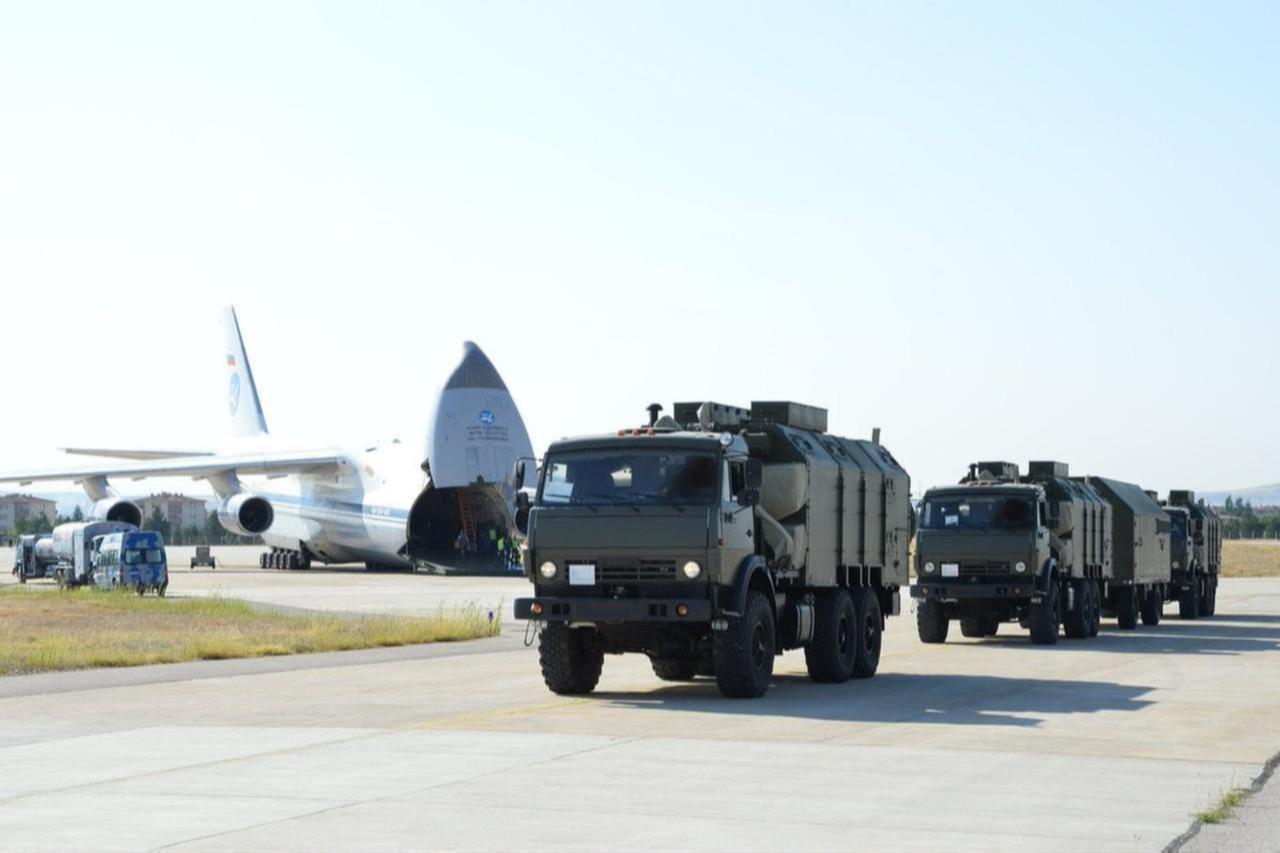
The $2.5 billion deal was signed on April 11, 2017, and the first components landed at Ankara's Murted Air Base on July 12, 2019. Within five days, Washington removed Türkiye from the F-35 program it had helped found. CAATSA sanctions were approved in December 2020 and took effect in April 2021.
Looking back, the decision seems reasonable given the constraints of that moment. But the international system does not stand still, and the conditions of 2019 no longer hold in 2026.
Burden sharing arguments inside NATO have deepened, Europe is scrambling to stand on its own feet on defense, and the United States has shifted much of its attention toward great power competition.
Gulf states, after the year they have just had, are in a hurry to diversify their foreign policy. Qatar's American-made Patriots reportedly failed to intercept during Israel's strike on Doha, and the UAE, its tourism economy bruised by tension with Iran, has been looking for alternative air defense options. Whatever logic is driving Gulf buyers toward the S-400 today grows directly out of that fragile climate of trust.
Türkiye has been quietly keeping pace with all of this, and in some respects getting ahead of it. Its defense industry has raised domestic production, the KAAN fighter program has reached a real milestone, and new partnerships have formed around artificial intelligence and high-performance computing.
A push into the Arctic, new moves in maritime geopolitics, a stronger position along energy corridors, and economic and security networks stretching from Africa to Central Asia have all been part of this preparation, often built while taking risks against both Western allies and Russia at the same time.
None of this makes for eye-catching headlines, so most of it went unnoticed. But for anyone watching the pattern rather than each event, the picture was clear.
It is worth remembering that Türkiye is not the only thing that changed. NATO changed. Europe changed. The United States changed. Reading today's CAATSA and S-400 story purely through the Türkiye-F-35 lens misses most of it.
Japan's interest in Turkish shipbuilding, Nordic countries shopping for drones, radar, and armored vehicles, the Gulf members of the Istanbul Cooperation Initiative looking for inventory partnerships, a renewed relationship with the United Kingdom, all of it belongs to the same larger picture.
Türkiye is no longer just talking about access to a single platform. It wants to build its own air defense systems, its own fighter jet, its own sensor networks, while pushing for freer access to allied inventories and a more equal partnership.
None of this means every consequence of the S-400 decision has been positive. But it is hard to deny that the risks Ankara took have produced some unexpected gains along the way.
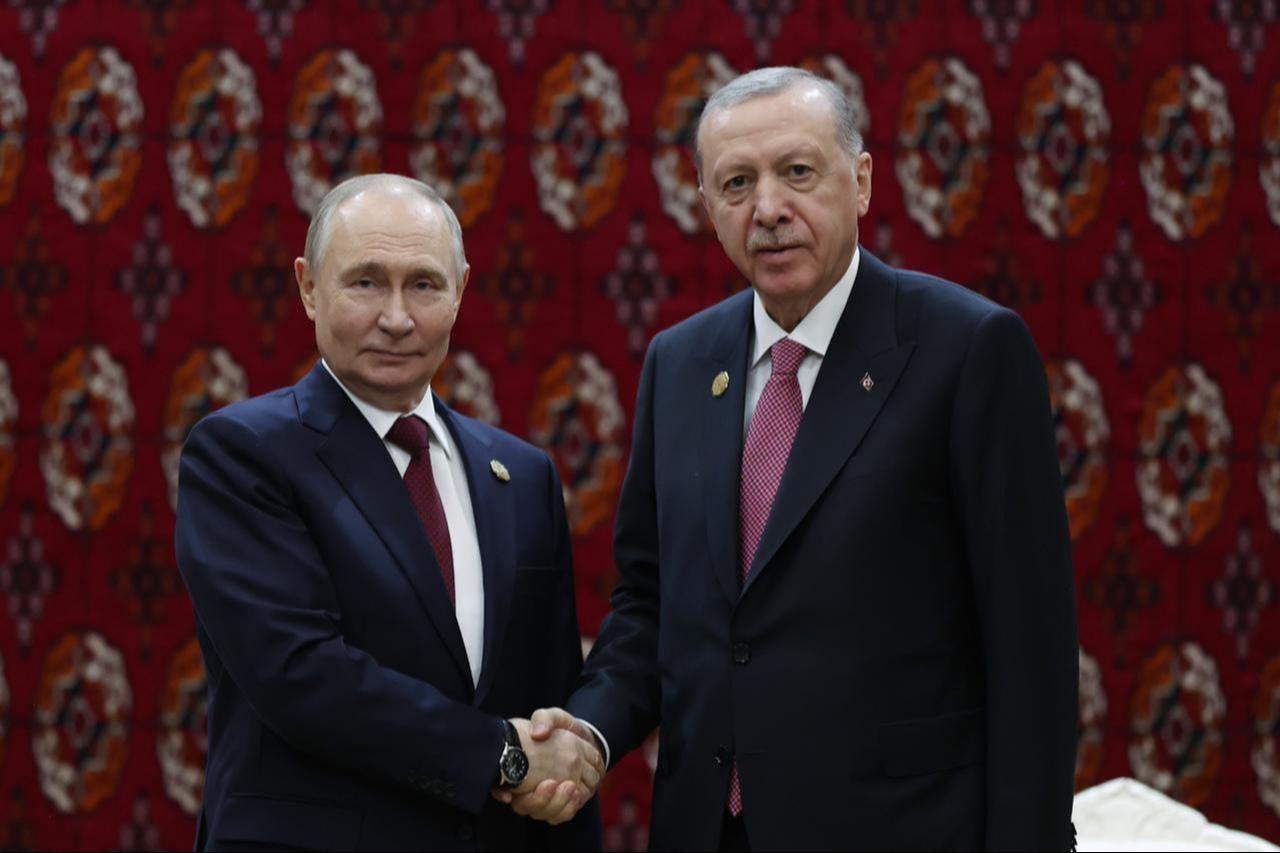

Peskov's statement points to the part of this story that matters most. Approval for a sale is not enough on its own; it requires Russian consent.
Moscow is not saying no right now, but it can just as easily hold that consent as leverage. And the payoff for Russia is not one-directional either. A sale would show that demand for the S-400 survives even under sanctions, while the approval process itself lets Moscow keep a hand on the lever it holds over Türkiye.
Russia's indirect pressure points on Ankara are not small: the Akkuyu nuclear plant under construction, dependence on Russian gas, and a growing Russian military presence across the Sahel are all things that can narrow Türkiye's room to maneuver.
Deepening its energy diversification, building mechanisms to protect what it has gained in Africa, sustaining its normalization moves in the Eastern Mediterranean, and moving carefully around Moscow's sensitivities in Central Asia are all issues that matter just as much as this file does, even if they sit in its shadow.
In the end, the S-400 decision was a product of the security constraints of a particular moment, not an ideological choice.
If a sale goes through now, it will not be a repudiation of that past decision; it will be an adjustment to what the new period demands. But as Ankara manages this process, what it needs to watch is not just Moscow's answer. It needs to watch the indirect consequences that could ripple out across a wide geography, from energy routes to Africa, from the Eastern Mediterranean to Central Asia.
The real question was never where the S-400s end up. It is how far ahead Türkiye can read the second- and third-order effects of stepping into this new period.


 Set as preferred source
 Set as preferred source


 4 min read