Newsletters


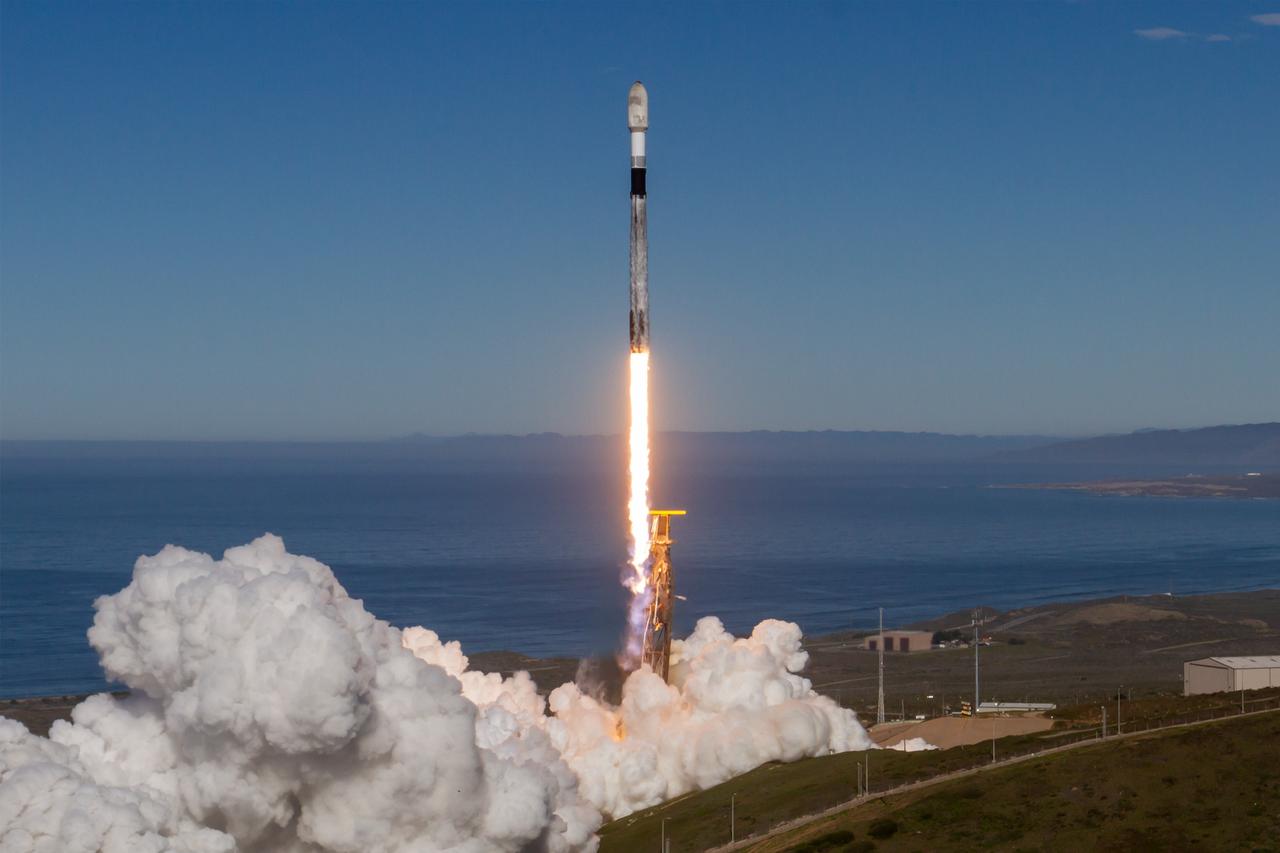


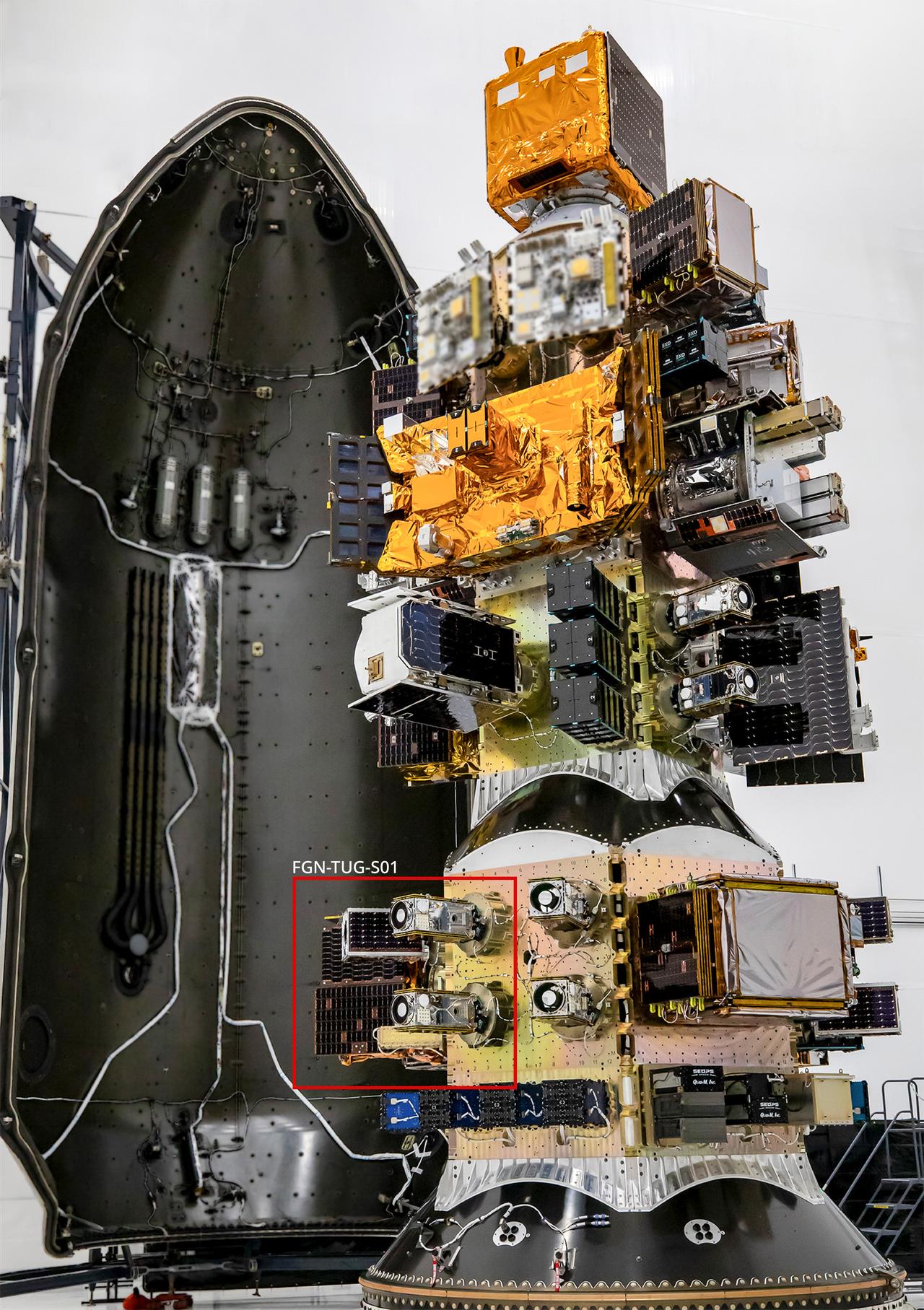
Fergani Space’s first indigenously developed orbital transfer vehicle (OTV), FGN-TUG-S01, has successfully reached space and begun its mission, marking a historic milestone for Türkiye’s space program.
The vehicle is set to ignite the world’s first hybrid rocket engine in orbit, according to the company.
FGN-TUG-S01 was launched on Nov. 28, 2025, at 9:44 p.m. Turkish time from Vandenberg Space Force Base in California, aboard the SpaceX Falcon 9 Transporter-15 rideshare mission.
After the rocket’s first and second stage separation, the OTV detached 81 minutes after payload separation, at 11:05 p.m. Turkish time, officially beginning its journey in space.
Founded by Baykar Chairman and CTO Selcuk Bayraktar, Fergani Space developed the OTV using its own resources and fully indigenous capabilities.
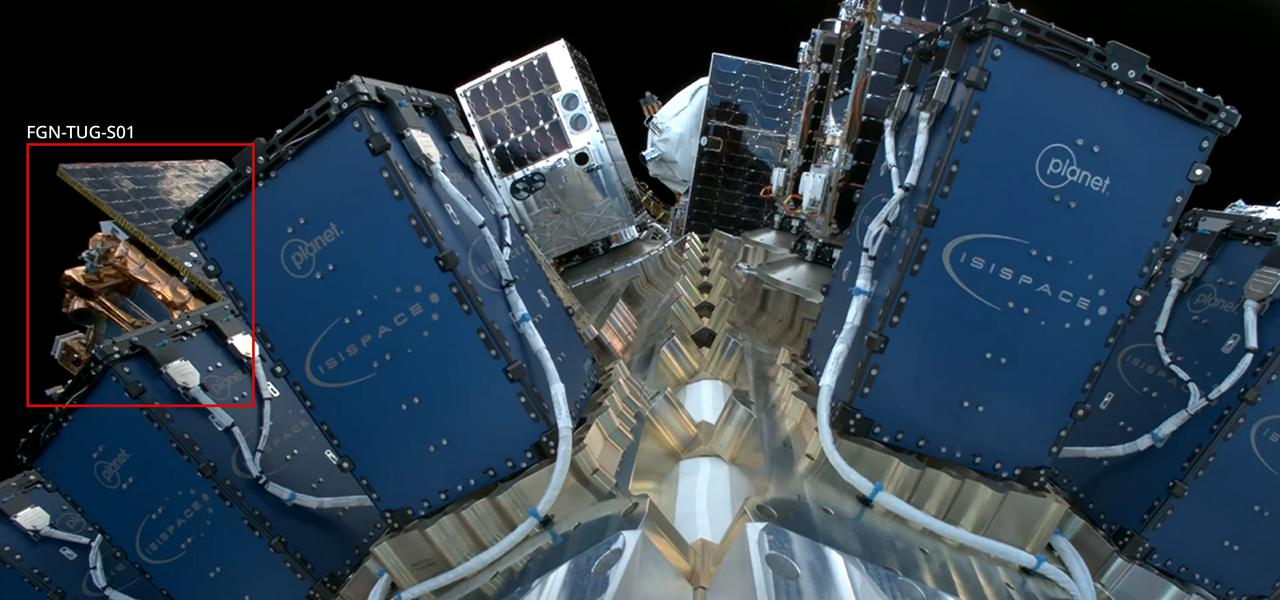

FGN-TUG-S01 brings together two major firsts: Türkiye’s first orbital transfer vehicle and the world’s first hybrid rocket engine designed for ignition in orbit.
Once it reaches its mission orbit, the vehicle will fire its hybrid engine for the first time, a global and national first in space history.
With its hybrid propulsion system, the OTV will enable satellites to be transported to different orbits at lower cost and with increased mission longevity.
The mission marks a key step in Fergani Space’s future constellation operations.
FGN-TUG-S01 will transfer satellites from low Earth orbit (about 500 kilometers) to altitudes exceeding 1,000 kilometers (621.3 miles).
Critical systems, including the flight computer, avionics, power distribution units, and thermal control, were designed and manufactured by Fergani Space engineers.
With this mission, Türkiye becomes the first nation to test a hybrid engine in orbit.
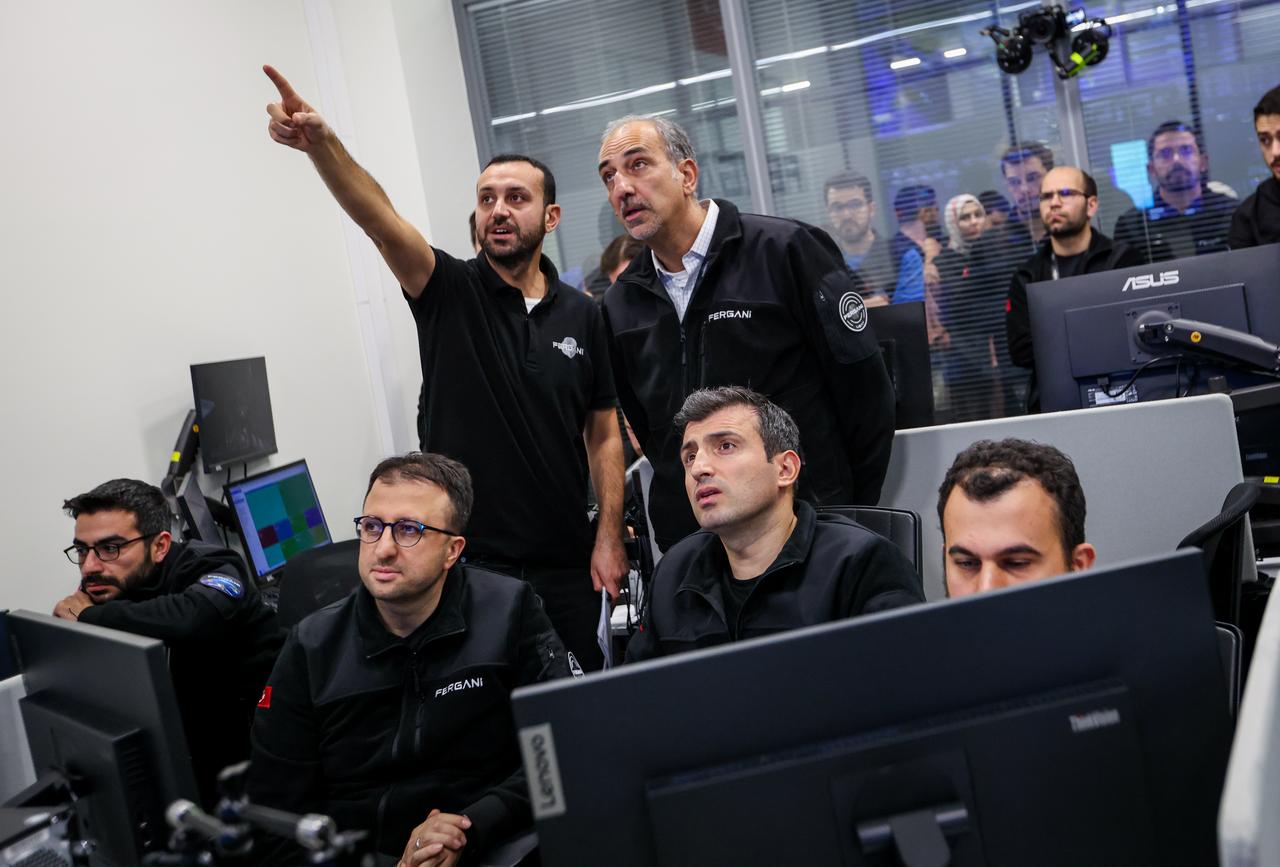
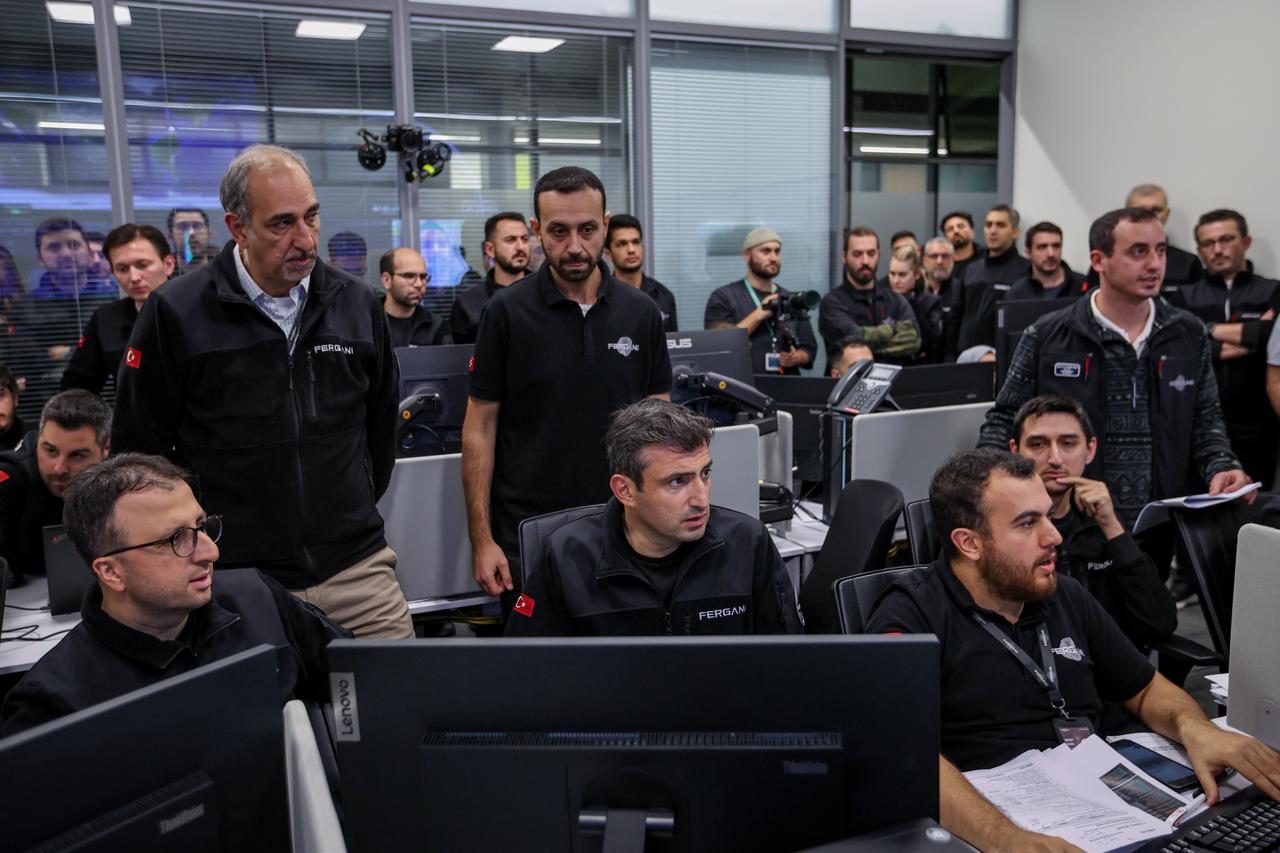
The launch was monitored live from the Ozdemir Bayraktar National Technology Center by Fergani Space CEO Selcuk Bayraktar and the engineering team.
“Founded in 2022, Fergani Space continues its work today with a team of 135,” Bayraktar said.
“Our second satellite recently began its mission. And today, our country’s first orbital transfer vehicle, developed entirely with our own resources, has reached space.”
Bayraktar added that the OTV’s fully indigenous systems represent a major step toward Türkiye’s space mobility capability.
Bayraktar said the mission lays the groundwork for Türkiye’s planned Ulugbey Global Positioning System and future satellite fleets.
“Our goal is to make Türkiye and its friends and sister nations capable of independent positioning and space logistics capabilities within the next five years with more than 100 satellites,” he said.
He noted that Fergani Space is also working on launch systems to secure independent access from Earth to space.
“May this project be beneficial and auspicious for our homeland, our nation, and all of our friends and brothers and sisters,” Bayraktar added.


 Set as preferred source
 Set as preferred source



 2 min read