Newsletters


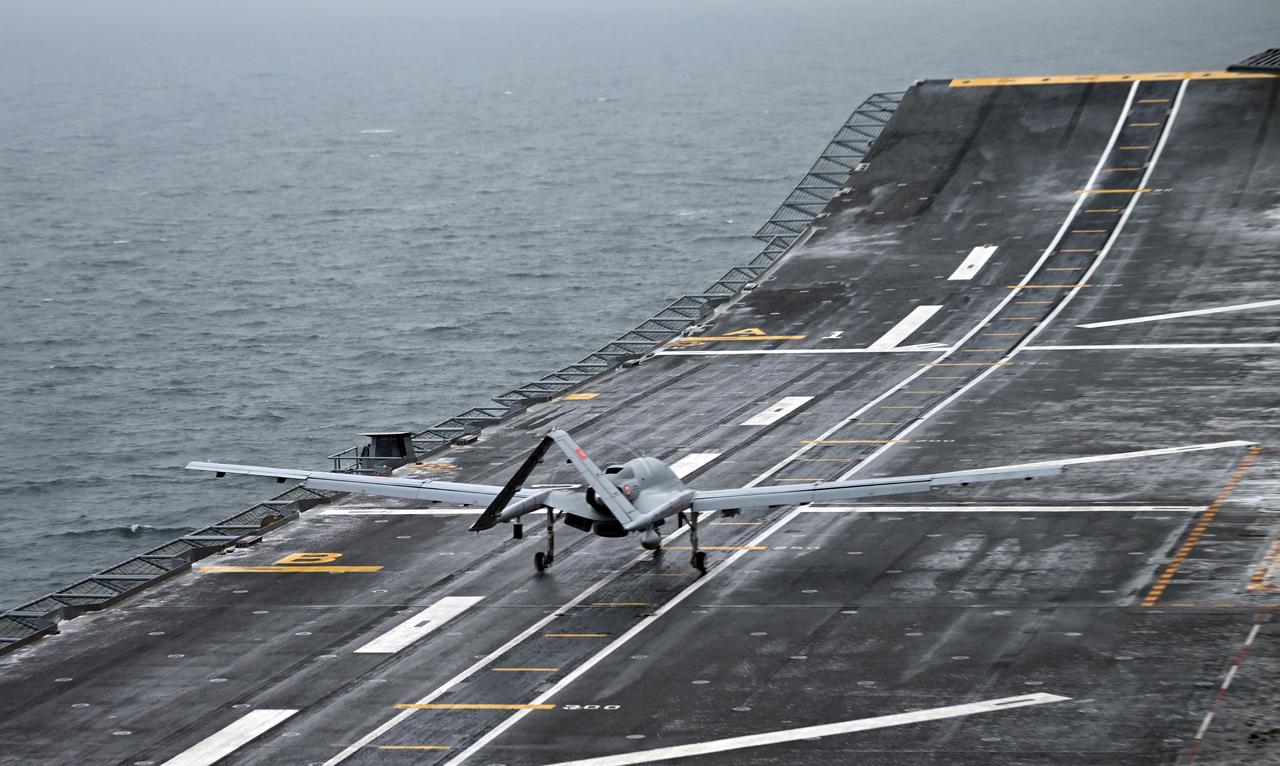
Baykar has revealed the AI-powered automatic landing system that enabled the Bayraktar TB3 unmanned combat aerial vehicle (UCAV) to land autonomously on TCG Anadolu's icy runway during NATO's Steadfast Dart 2026 exercise, operating in sub-zero temperatures and strong winds where other aircraft could not fly.
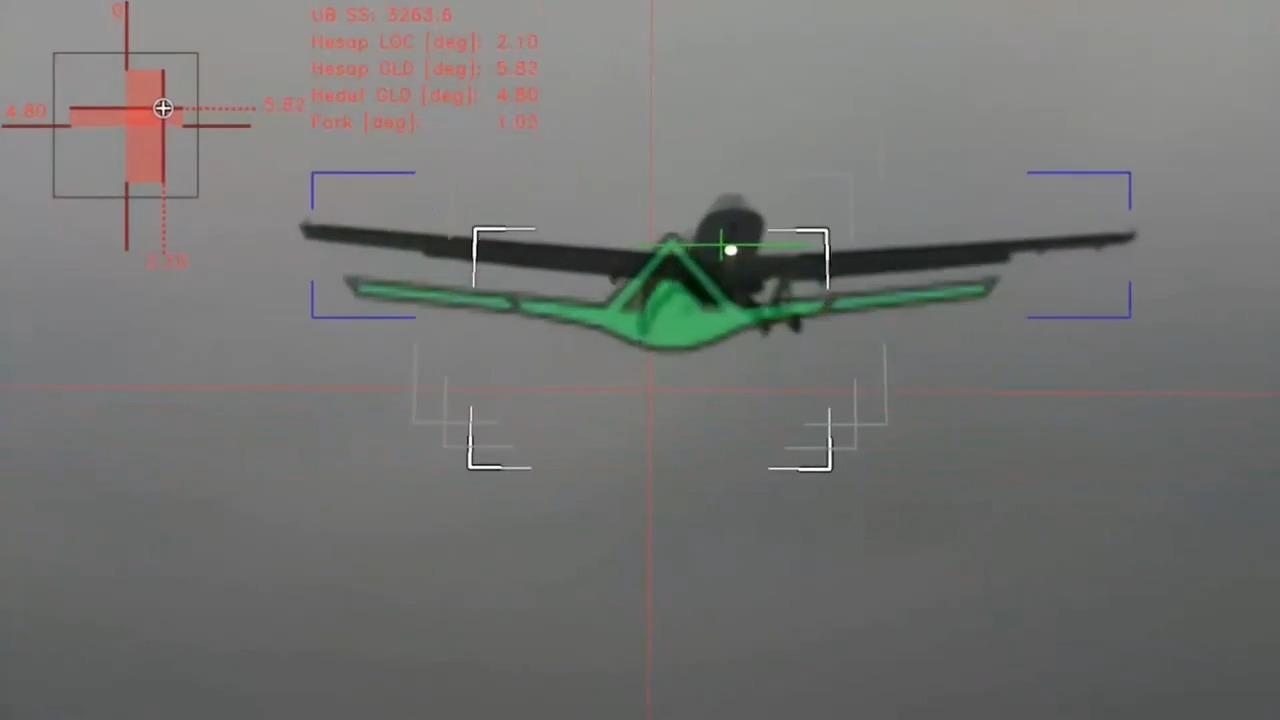
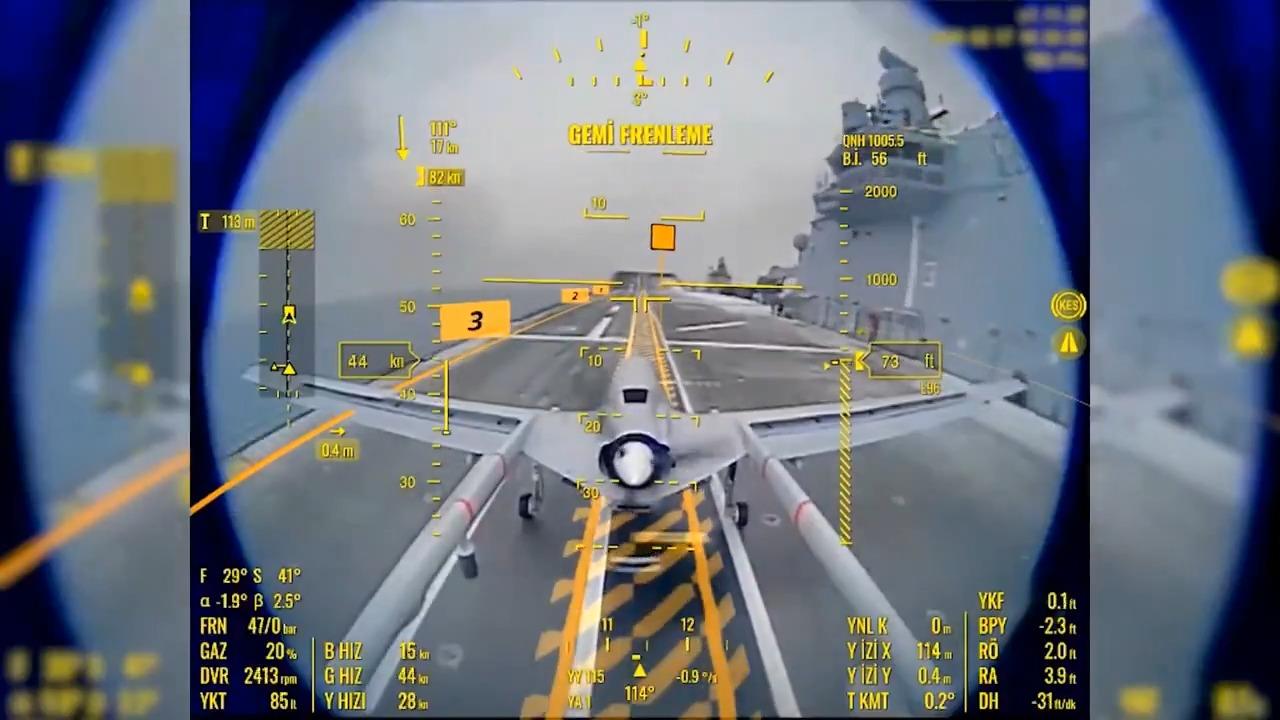
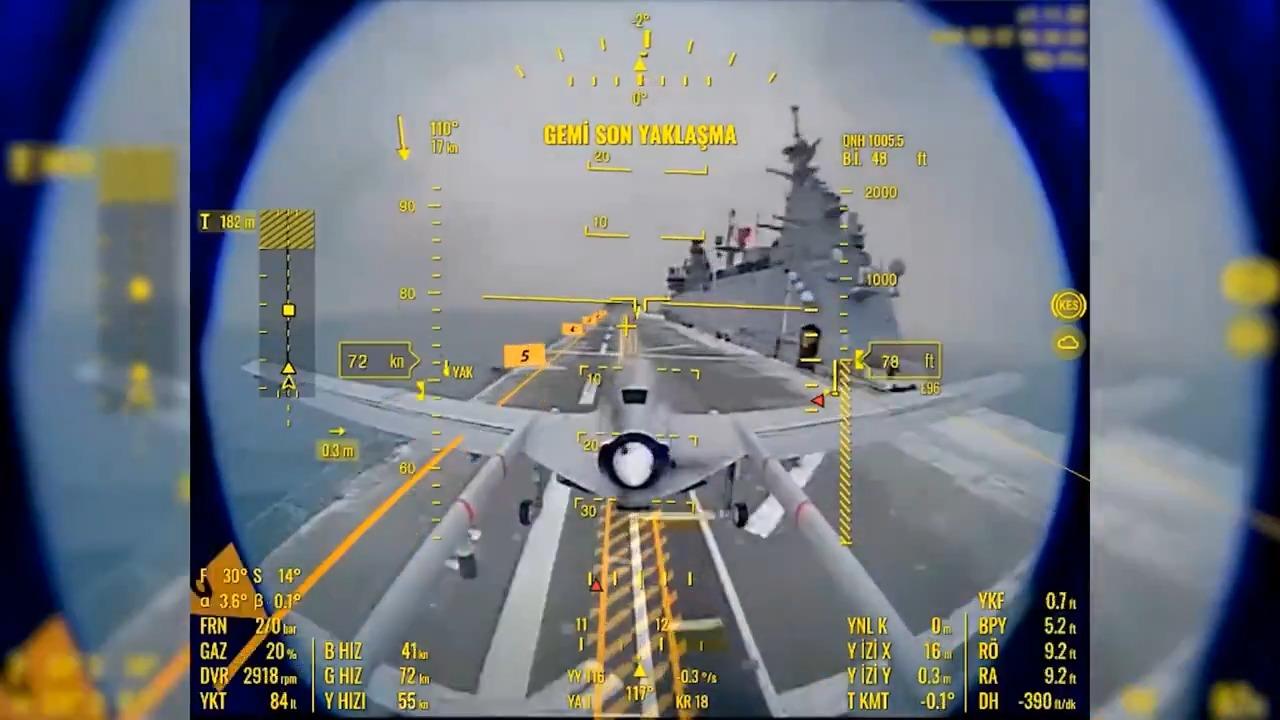
The two-component automatic landing system uses communications and image processing to guide the TB3 to the landing ship, with Baykar sharing detailed footage of its interfaces during the exercise.
The STOL-capable UCAV, which previously demonstrated its maritime strike capabilities in the exercise, took off and landed under extreme cold.
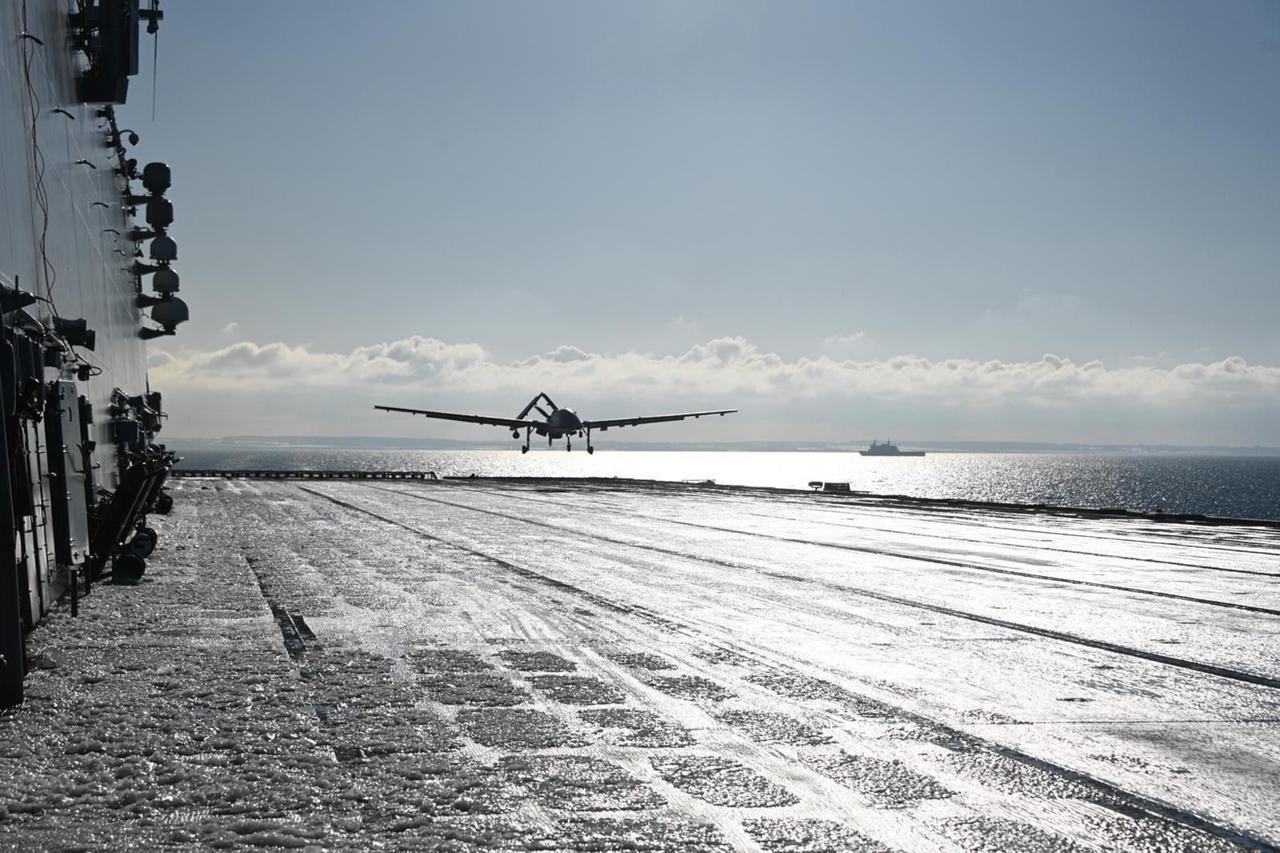
The TB3 was the only aircraft able to operate when temperatures dropped to -5 degrees Celsius (23 degrees Fahrenheit), heavy snow fell and strong winds created turbulent conditions over the Baltic Sea.
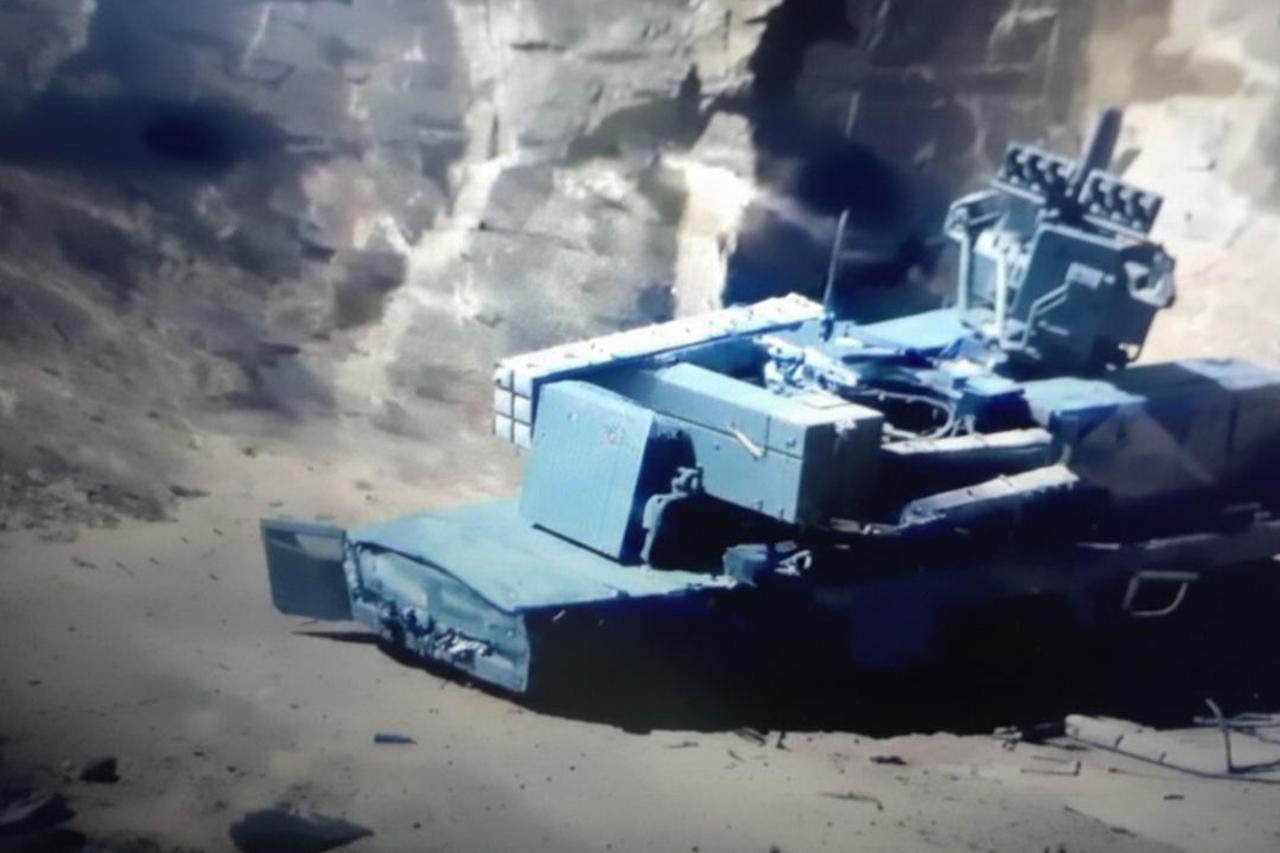
Commander of NATO's Joint Force Command Brunssum General Ingo Gerhartz visited TCG Anadolu and applauded after observing the TB3 strike a target with pinpoint accuracy during a live-fire demonstration.
"As NATO Commander, I am very grateful to the Turkish Armed Forces for such an important and remarkable contribution to the Steadfast Dart 2026 exercise," Gerhartz said aboard the vessel.
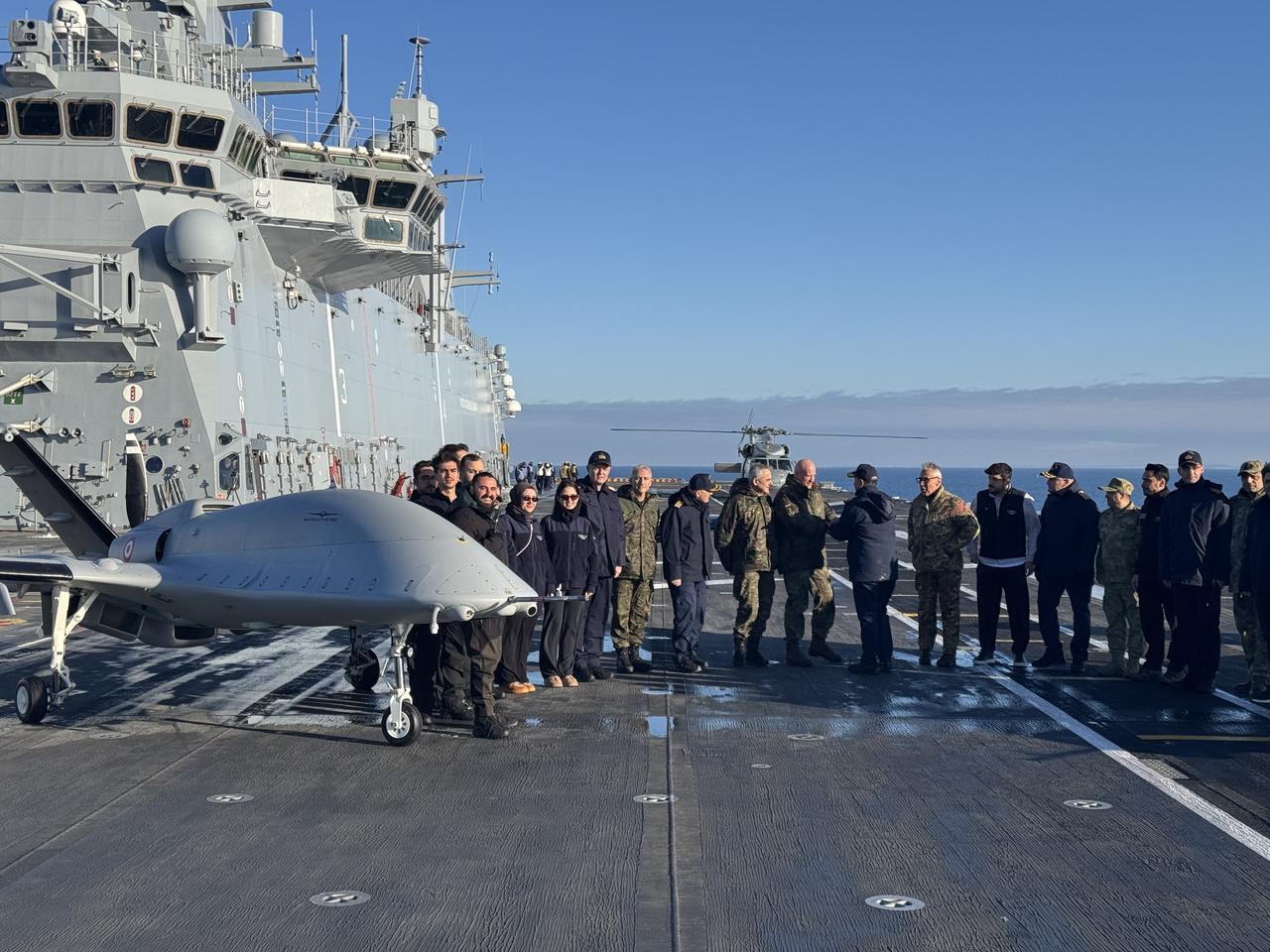
Following the successful strike, Gerhartz and Turkish Naval Forces Commander Admiral Ercument Tatlioglu congratulated personnel next to the TB3 platform and posed for a commemorative photograph.
The munition fired during the demonstration bore the inscription "Blue Homeland knows no boundaries," a reference to Türkiye's maritime doctrine.

The TB3 has performed more than 200 sorties from TCG Anadolu to date, progressing rapidly in its maturation for shipborne deployment.
Alongside the sorties, the drone has performed firing tests with various munitions, including MAM-L and MAM-T glide munitions, UAV-122 aeroballistic missiles and Kemankes 1 loitering munitions.
Despite the harsh winter conditions in the Baltic Sea, the TB3 autonomously took off from TCG Anadolu's short runway, maintained stable flight characteristics despite turbulence caused by strong winds over the sea, and performed an autonomous landing on the ice-covered deck after it was cleared.
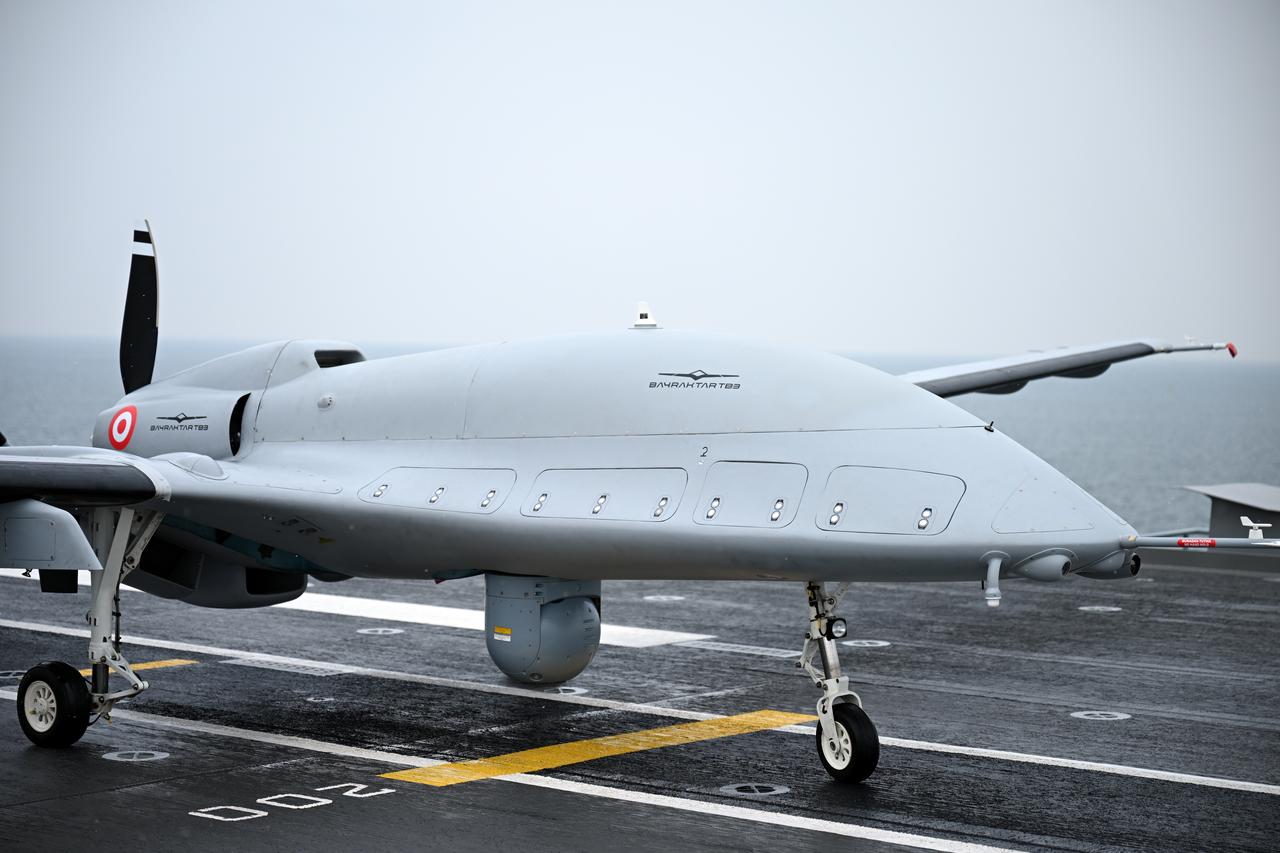
The Bayraktar TB3 features an 8.35-meter length, 14-meter wingspan, and 280-kilogram payload capacity with a maximum takeoff weight of 1,600 kilograms. The drone has an endurance of over 24 hours and a service ceiling of 25,000 feet.
Powered by a 170-horsepower turbodiesel engine, the TB3 is capable of fully autonomous takeoff and landing and features both line-of-sight and beyond-line-of-sight communication capabilities.
The drone can carry laser-guided munitions, INS/GPS-guided munitions, infrared-guided munitions, and mini cruise missiles.
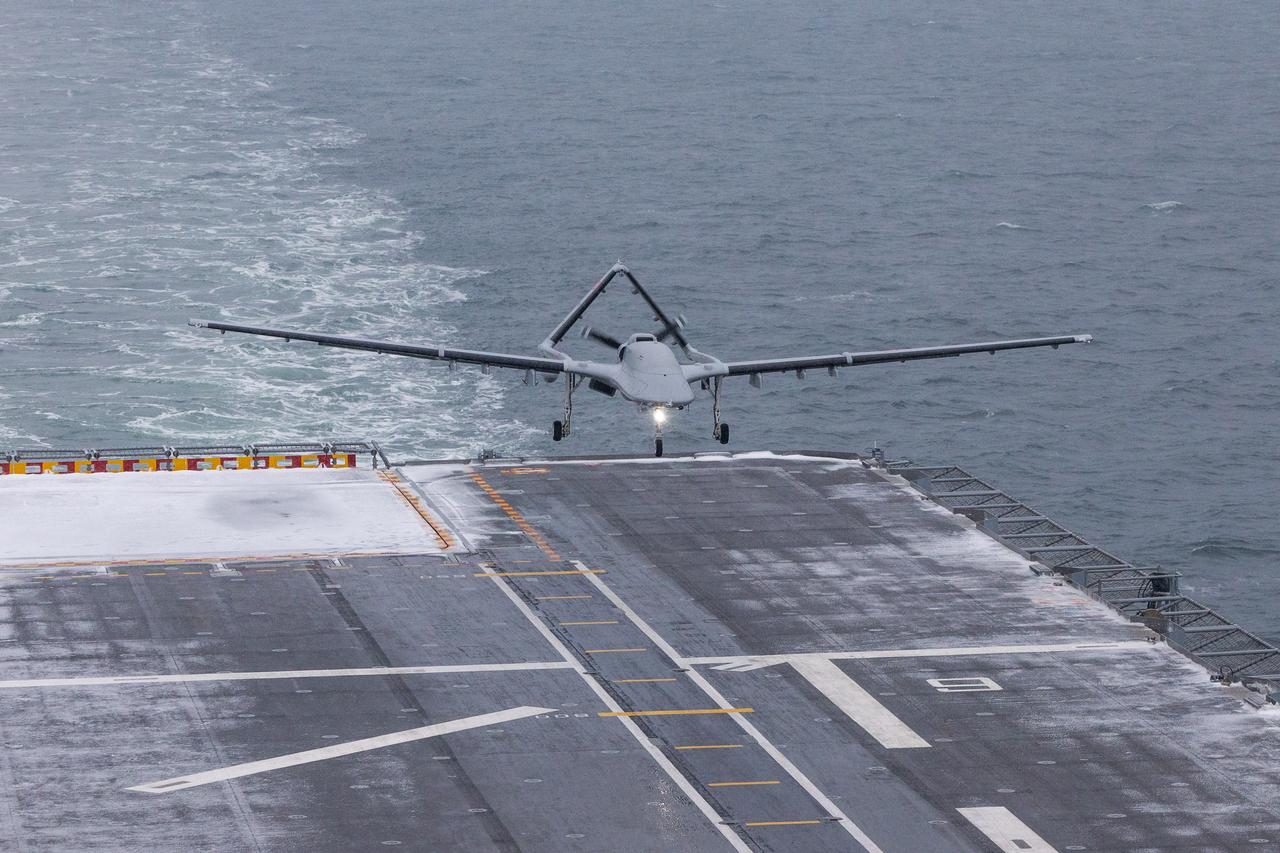
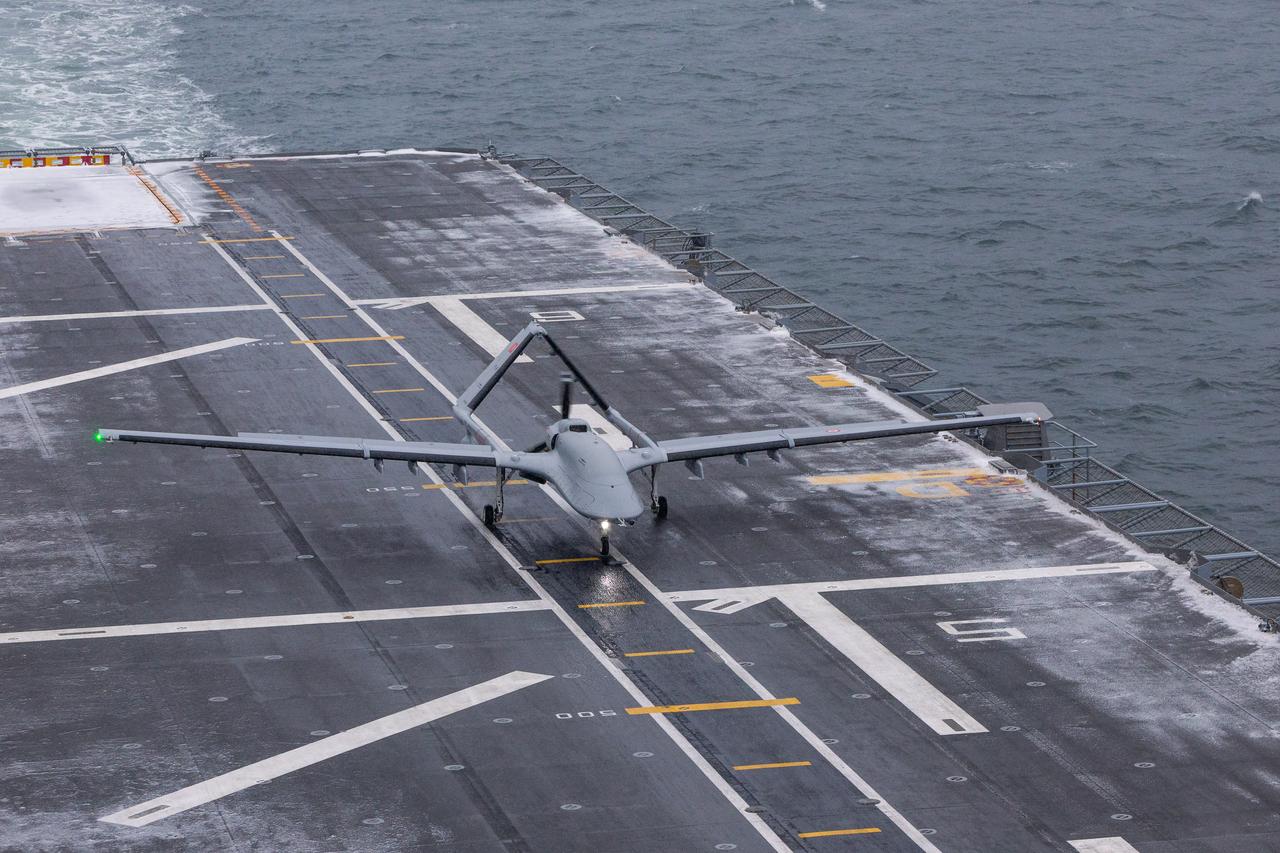
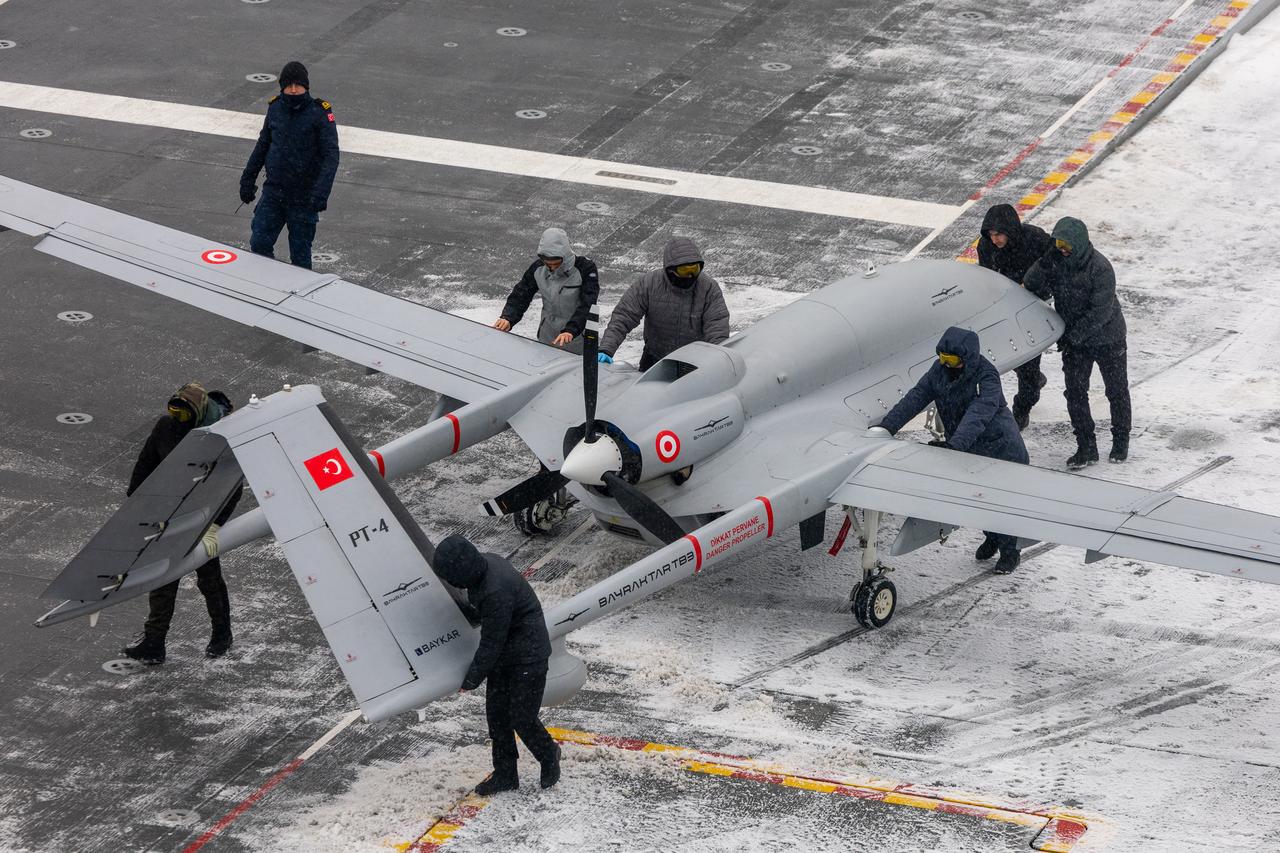
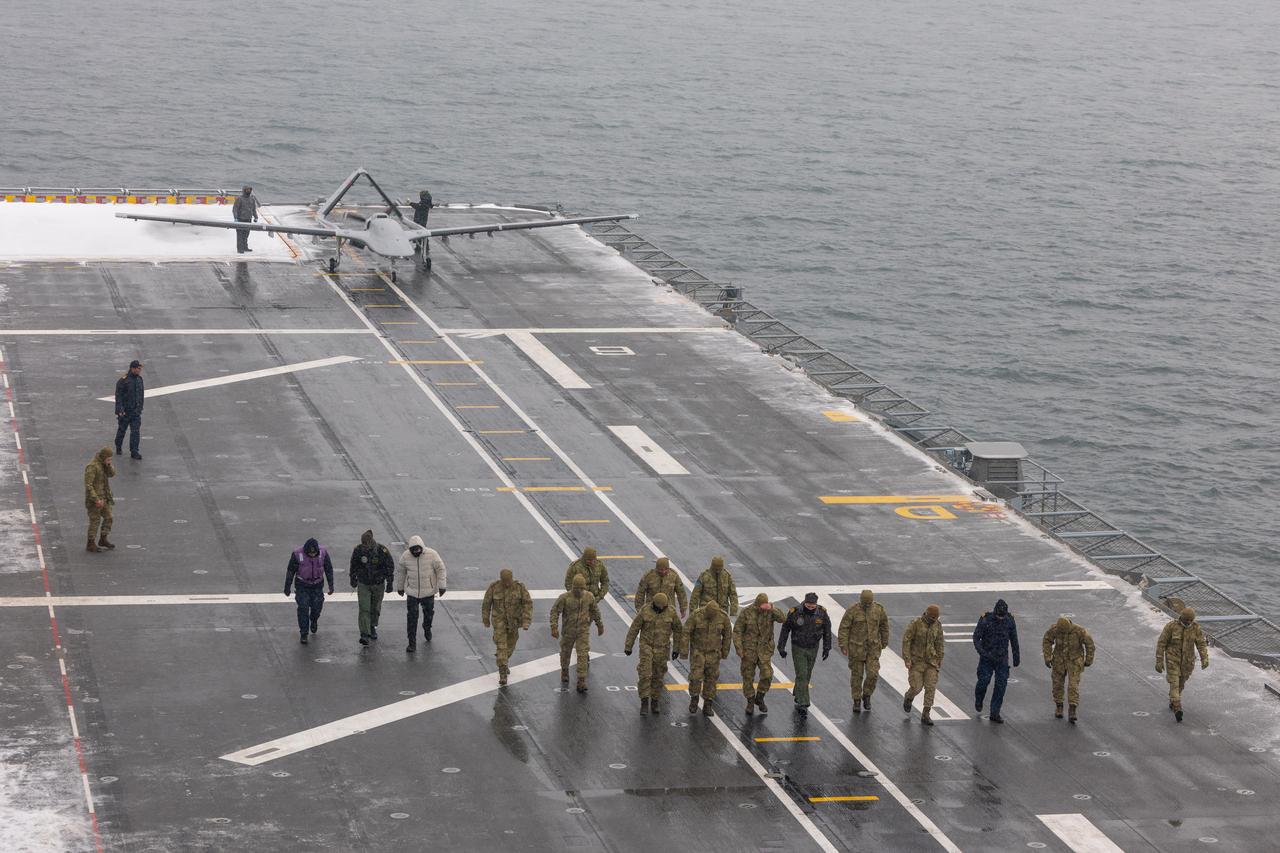
Operations with the TB3 during Steadfast Dart 2026 provide a closer view for potential customers in the European market, specifically countries operating Landing Helicopter Docks (LHDs) or aircraft carriers.
It should also be noted that Indonesia, which is set to operate 60 Bayraktar TB3 UAVs, is set to receive its first aircraft carrier, the decommissioned Italian carrier ITS Giuseppe Garibaldi, which will also be able to use carrier-based drone systems.
The demonstration comes shortly after the announcement of LBA Systems, a joint venture between Baykar and Italian defense company Leonardo to produce the drone.
Baykar continued as the world's largest exporter in the unmanned aerial vehicle segment in 2025, setting a new record with $2.2 billion in exports.
The company has maintained its leadership in the global armed drone market for the past three years and derives 90% of its revenue from exports.
Baykar has signed export agreements with 37 countries for 36 Bayraktar TB2 drones and 16 Bayraktar Akinci combat drones.


 Set as preferred source
 Set as preferred source


 1 min read
 1 min read