Newsletters


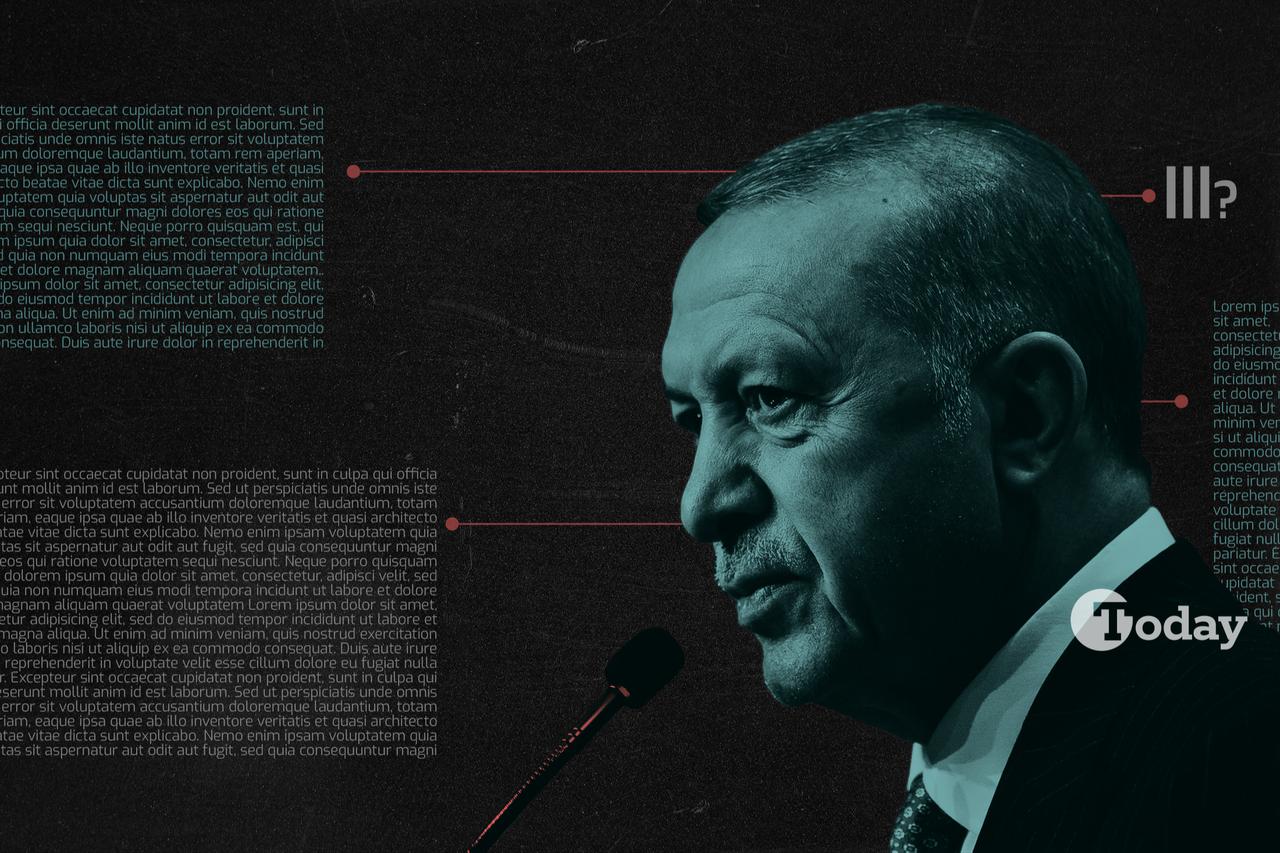


For three days, Ankara was a gridlocked symphony of sirens and blacked-out glass, playing host to a high-profile NATO summit that—at least through Türkiye's own lens—was an unmitigated triumph.
The very allies who once sneered at Ankara’s "hedging" as a form of geopolitical infidelity were now lining up to applaud its unique ability to keep a foot in the world’s other neighborhoods, framing it as an asset to the alliance rather than a liability.
Yet, as Türkiye basks in the glow of its newfound weight within NATO, the other side of the sack is sagging under the weight of broken promises and a structural deficit that no amount of diplomatic charm can conceal.
"Nobody talks about it yet, but China and NATO do not easily fit in the same foreign policy bag. With a major Chinese investment promise already gone, there is very little incentive left in Türkiye to push for stronger China ties," said Cagdas Ungor, a professor at Marmara University and a Sino-Turkish relations expert.
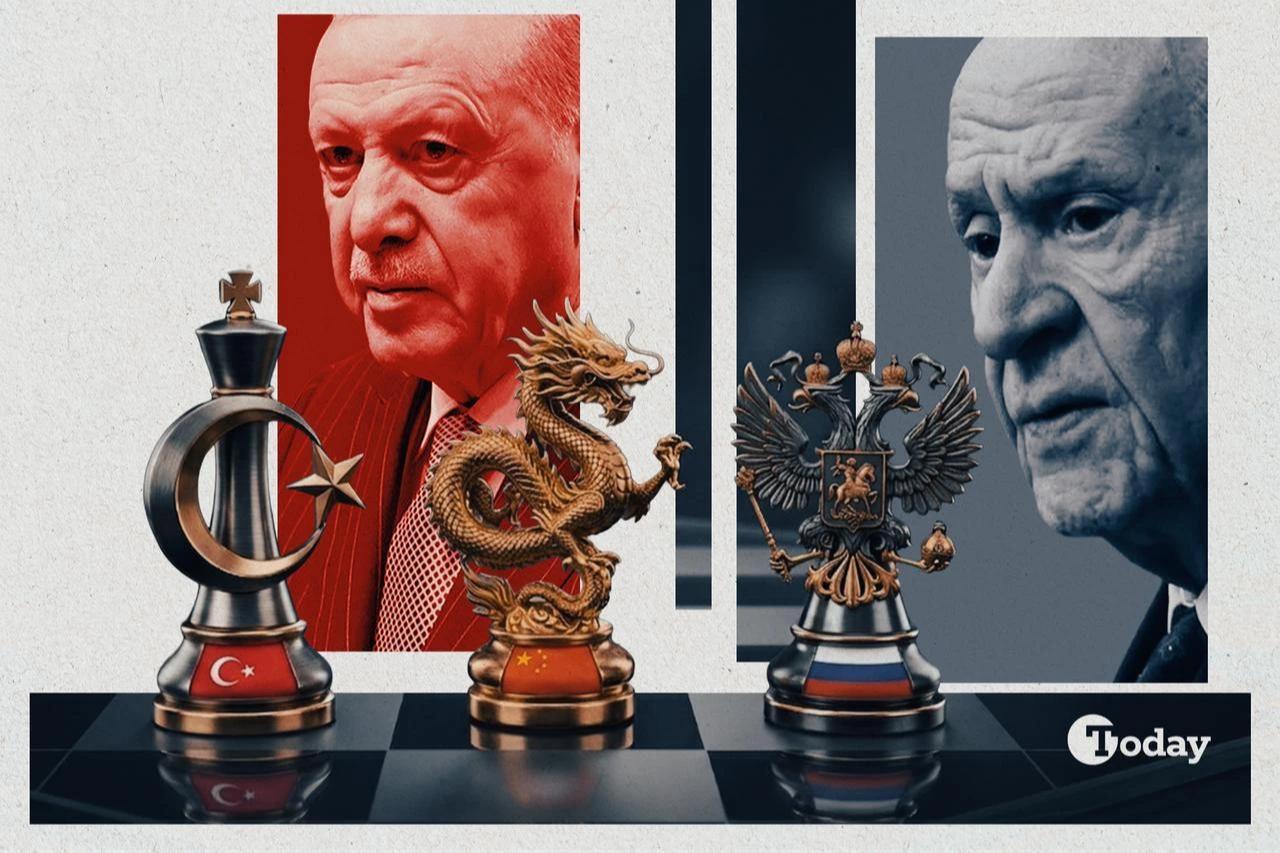
Ankara's increasing NATO commitments and Beijing's Belt and Road ambitions have coexisted for a decade on the assumption that Türkiye could hold both without choosing. The new circumstances that have emerged indicate that the assumption survives mostly on paper, no matter which parameter you consider.
Strip away the diplomatic messages and the trade-fair rhetoric, and what is left is a relationship too thin to constrain Türkiye's Western orientation and too shallow to give China much reason to invest in changing that.

Start with the numbers, because they settle an argument that usually gets conducted in adjectives. Türkiye's trade with China sits in roughly the same range as China's trade with Iraq, a country with a fraction of Türkiye's economy, and no ambition to be one of Beijing's Eurasian gateways.
Saudi Arabia, a country with a similar scale of economy to Türkiye, traded $107.5 billion with China in 2024, more than double Türkiye's total. The imbalance runs deeper than volume. Türkiye buys far more than it sells: China was already Türkiye's largest source of imports at $44.6 billion against Turkish exports to China languishing in the single-digit billions. The current way of it, the relationship between the countries doesn’t look like a partnership but rather a supplier and consumer.
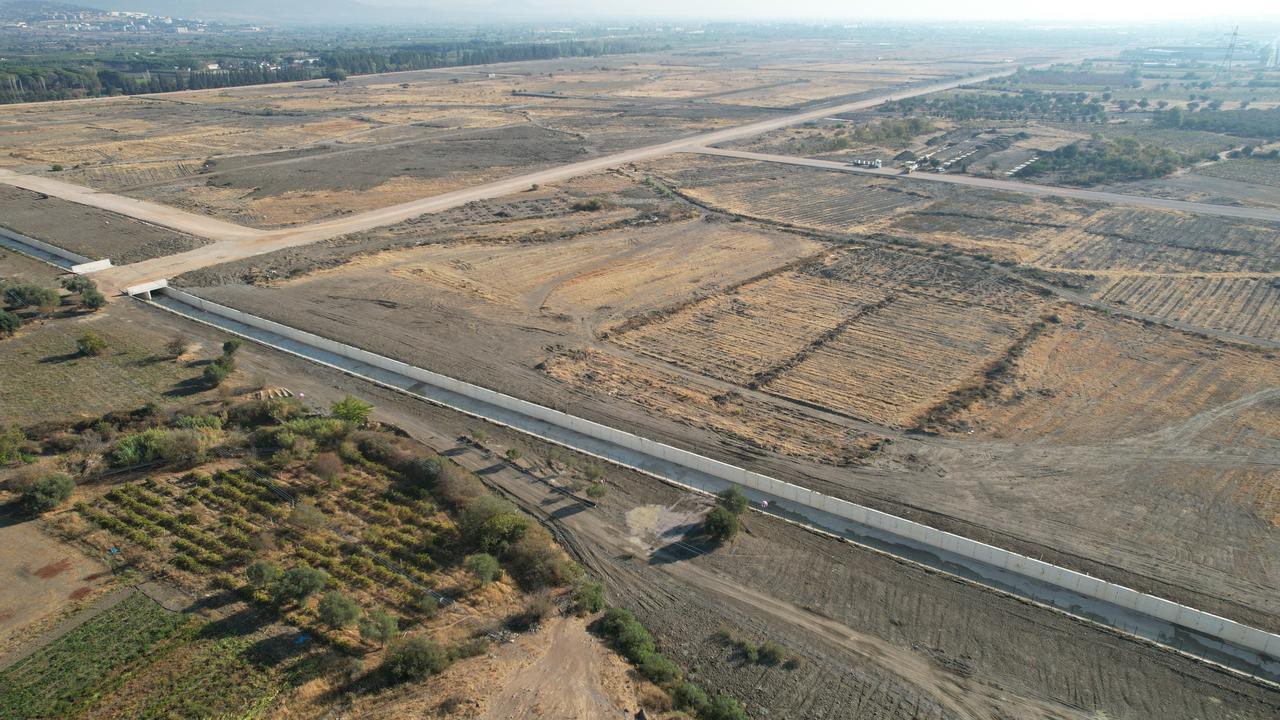
The clearest evidence arrived this year in the form of a factory that will not be built, at least not on schedule. BYD had promised a $1 billion, 150,000-vehicle plant in Türkiye’s Western region city of Manisa, with land allocated and concessions given.
Yet, in early 2026, Türkiye's Ministry of Industry and Technology confirmed the incentive process had been suspended after the company failed to show progress, though it noted the investment agreement and the guarantees Turkish authorities are holding remain technically valid.
BYD's own vice president, Stella Li, said that the company's first priority is now its Szeged plant in Hungary, targeted for production in the last quarter of 2026, with a second European site under consideration among Balkan and Central European options. Manisa was simply outranked.
That ranking is the tell. Türkiye offered BYD a gate to market access and a domestic supply chain; Hungary offered a frictionless route into the EU's single market and a government with no alliance discomfort about hosting Chinese electric-vehicle production. When the largest single Chinese industrial commitment to Türkiye in a decade goes on ice for a better-positioned rival, it is hard to argue there was ever a structural, mutual case for deepening ties. Beijing made a portfolio decision, not a political statement.
None of this is new, which is precisely the point. In 2013, Ankara provisionally selected China's CPMIEC and its HQ-9 system for the $3.4 billion T-LORAMIDS long-range air defense tender, choosing the Chinese bid over Raytheon, Eurosam, and Rosoboronexport on price and technology-transfer terms.
Two years of NATO interoperability objections and US pressure later, Türkiye confirmed the deal's cancellation in November 2015 and turned the program into an indigenous one instead. The pattern set in 2015 has repeated on 5G infrastructure talks and other strategic-technology conversations since: Ankara tests the water with Beijing, Western allies register discomfort, and Türkiye retreats to a position compatible with its alliance commitments. China has run this experiment often enough to know how it ends.
Layer onto that the Uyghur question. Although Türkiye’s reactionary policy toward the Uyghurs appears to have undergone a temporary shift in recent years, the Turkish public opinion remains heavily concerned about the Uyghurs in the context of human rights due to their ethnic, cultural, religious, and historical ties. China, on the other hand, views the Uyghur issue as a matter of sovereignty and territorial integrity, framing it in terms of separatism, terrorism, and radicalism.
A partner whose foreign policy identity keeps sliding back toward NATO and whose domestic politics keeps reopening a sensitive rhetorical wound is not a partner China has a strong incentive to bet on.
 1 min read
Beijing already holds the dominant position in the bilateral economic relationship without co-investing in Turkish industry, and it knows a NATO member cannot be pulled fully into its orbit regardless of how many forums are attended or memoranda signed.
That combination, a Türkiye that cannot be lost because it was never really held and cannot be won because the alliance ceiling is fixed, leaves Beijing with a rational default: hold trade relations steady, deploy capital where the returns and the politics are cleaner, and treat Ankara as a market, not a strategic bet.
BYD's Hungary pivot reads exactly this way. Where China still sees a genuine win-win, as with Gulf oil-for-technology arrangements, it leans in. Where the win-win logic has eroded, it leans back.
For some, a Türkiye that keeps its hedge without paying NATO's suspicion tax is in a stronger position than a Türkiye locked into a symbolic partnership that delivers little beyond friction with Washington.
Yet, the task now is finding new ground for that hedge, whether in supply-chain diversification or non-strategic sectors, rather than chasing the kind of headline investment BYD was supposed to represent.
The one variable Ankara should manage with real discipline is optics at the top.
The Trump-Erdogan channel is functioning well enough right now that any leader-level gesture toward Beijing, a summit visit, or a high-profile signing risks being read in Washington as a pivot, when it is really the routine hedging any mid-sized power practices.
The safest way to keep the China option open is to keep it functioning: let technocrats and trade officials do the incremental work, and leave the flags and handshakes for relationships that do not need managing this carefully.


 Set as preferred source
 Set as preferred source


 1 min read