Newsletters


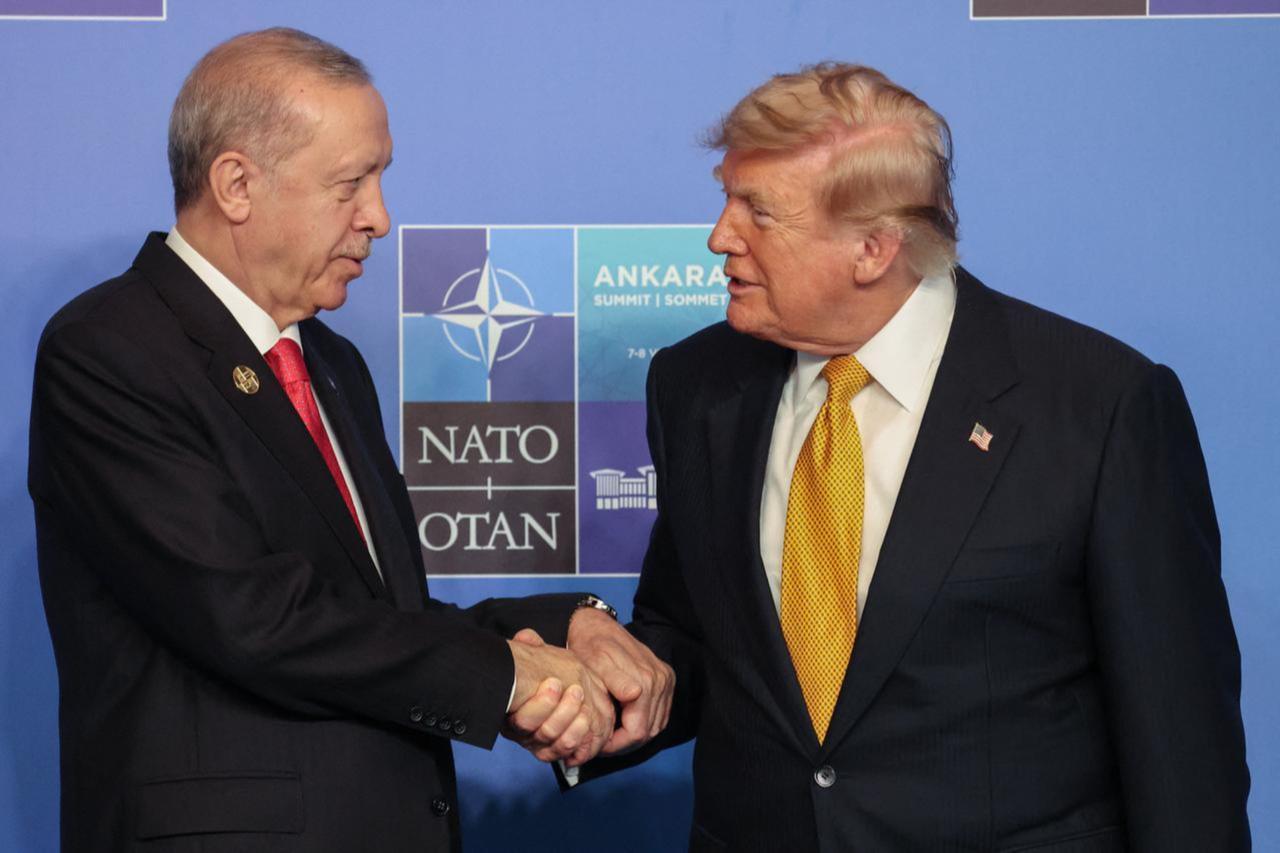


President Recep Tayyip Erdogan said he expects his bilateral meeting with U.S. President Donald Trump, held on the sidelines of the 36th NATO Summit in Ankara, to produce concrete results on Türkiye's domestically developed KAAN combat aircraft and its long-sought reentry into the F-35 fighter jet program, signaling a potential turning point in a defense dispute that has simmered for nearly a decade.
Trump traveled to Ankara on an official visit timed to coincide with the summit, making the meeting one of the highest-profile bilateral encounters of the two-day gathering.
Erdogan described their talks as "constructive and productive" and expressed confidence they would yield outcomes aligned with Türkiye's expectations across the defense industry, with the KAAN and the F-35 at the top of that list.
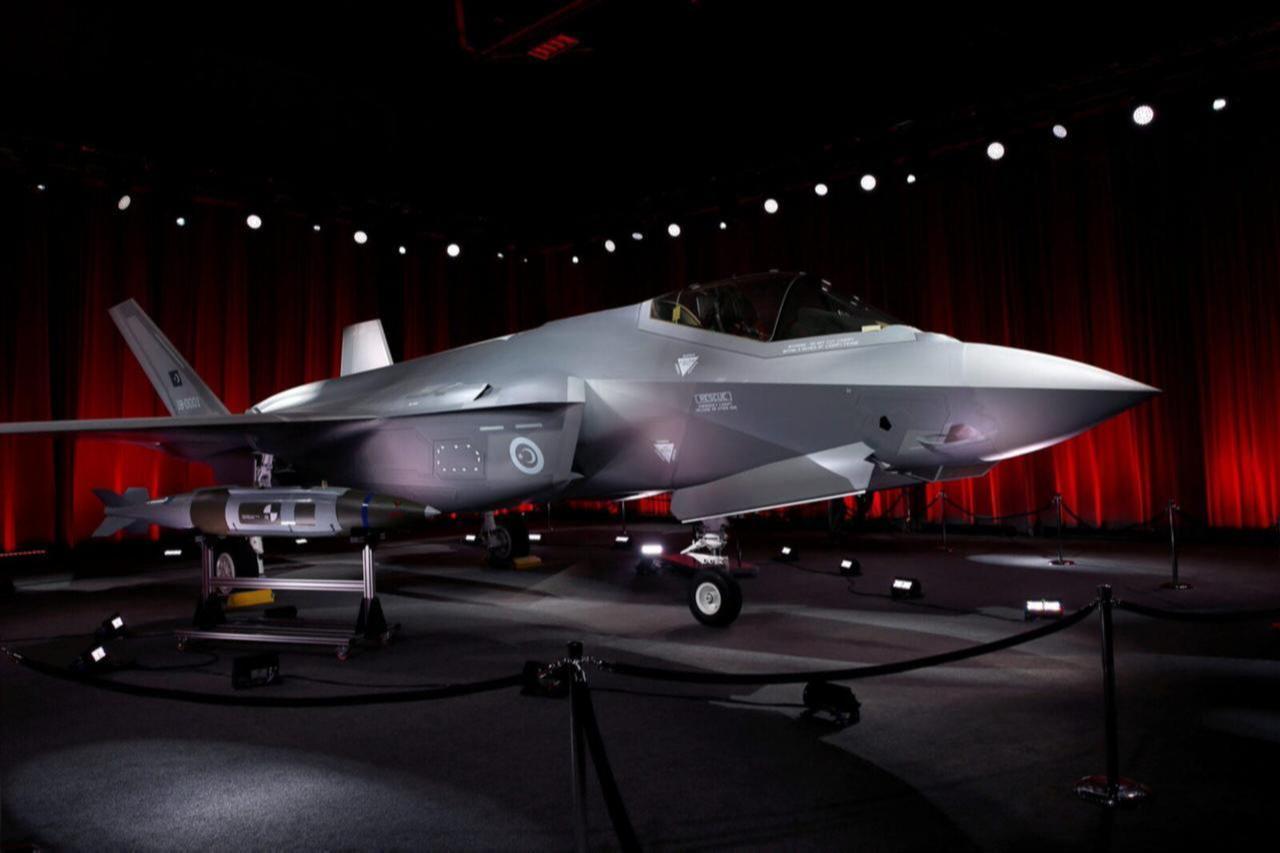

Türkiye's exclusion from the F-35 program has been one of the most consequential fault lines in U.S.-Turkish relations in recent years.
Ankara was removed from the fifth-generation stealth fighter program in 2019 after purchasing the Russian-made S-400 surface-to-air missile defense system, a decision Washington said was incompatible with NATO interoperability standards and posed a risk to the F-35's sensitive technology.
The move cost Türkiye not only the aircraft themselves but also lucrative manufacturing contracts, as Turkish defense firms had been producing components for the program.
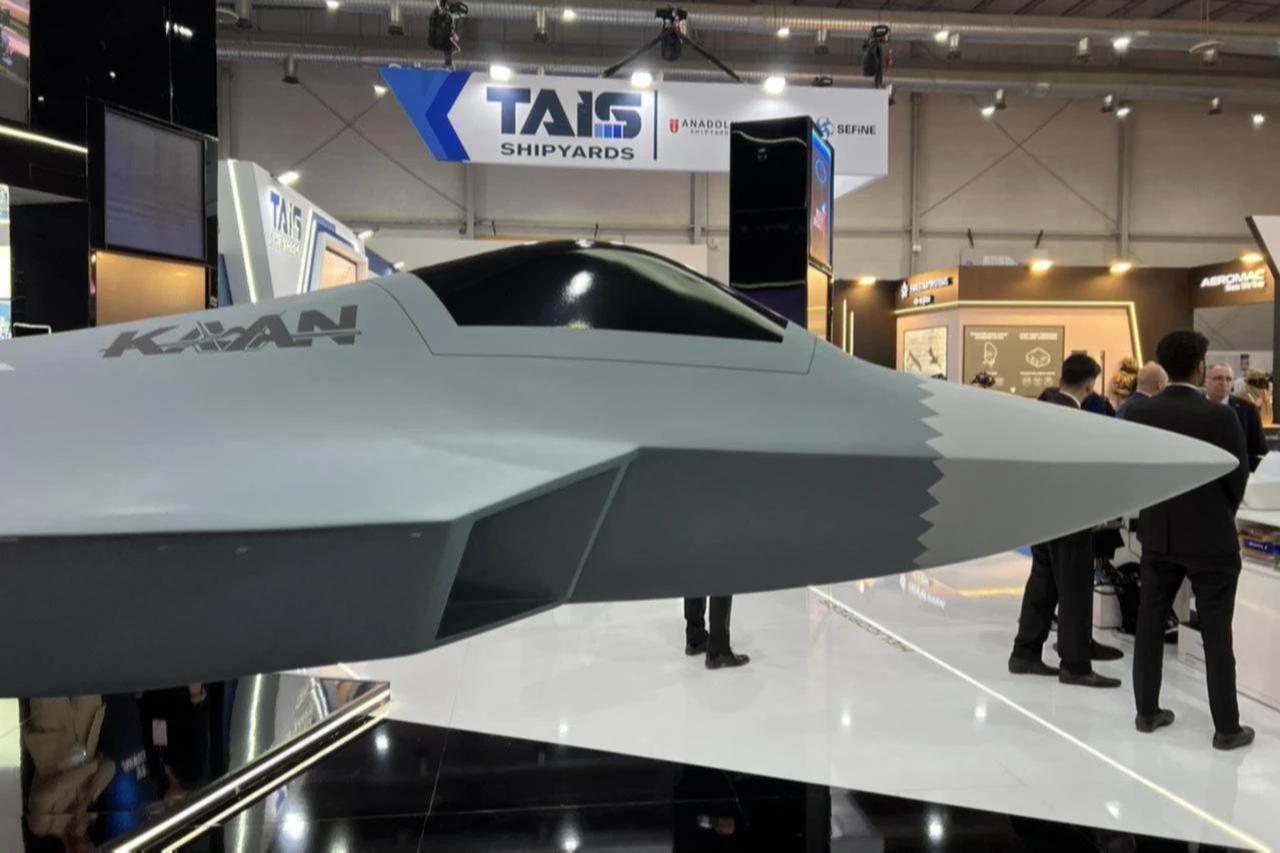
In parallel, Türkiye accelerated development of the KAAN, its first indigenous fifth-generation combat aircraft, developed by Turkish Aerospace Industries. The jet completed its maiden flight in 2023 and has since become a symbol of Ankara's broader push for strategic autonomy in defense.
Erdogan's remarks suggest Ankara is now seeking a dual track, progress on KAAN's international standing alongside a restored relationship with the F-35 program, and that the Trump meeting may have moved that needle.
The bilateral with Trump was far from the only significant encounter Erdogan had during the summit.
On the margins of the gathering, Türkiye signed a Security and Defence Partnership agreement with the United Kingdom and launched free trade agreement negotiations with Canada, two developments that underscored Ankara's efforts to broaden its strategic footprint beyond the immediate NATO agenda.
Erdogan also held talks with NATO Secretary General Mark Rutte, Canadian Prime Minister Mark Carney, Finnish President Alexander Stubb, British Prime Minister Keir Starmer, German Chancellor Friedrich Merz, Italian Prime Minister Giorgia Meloni, French President Emmanuel Macron, Syrian President Ahmed al-Sharaa, and European Union leaders Antonio Costa and Ursula von der Leyen, among others.
Topics ranged from the Russia-Ukraine war and the Iran-U.S. process to Gaza, Lebanon, Libya and Balkan stability.
On defense spending, Erdogan announced Türkiye's intention to raise military expenditure to 3.5 percent of gross domestic product before 2030, with security- and resilience-linked spending already at 1.5 percent of the national budget.
He also said Türkiye had allocated an additional 24 billion dollars for air and missile defense under the Steel Dome project.
Erdogan used the summit's conclusion to advance a broader argument about Türkiye's indispensable role within the alliance.
He invoked the "NATO 3.0" vision, an emerging framework aimed at strengthening European defense capacity and adapting the alliance to a more contested strategic environment, and positioned Türkiye as one of its most capable contributors, citing the country's military capacity, geographic position, diplomatic experience and expanding defense industry.
The summit's final communique reaffirmed NATO's commitment to collective defense under Article 5, while laying out priorities including the removal of intra-alliance defense trade barriers, new procurement agreements exceeding 50 billion dollars, continued military support for Ukraine, and accelerated investment in artificial intelligence, cybersecurity, space, integrated air and missile defense, unmanned systems and deep-strike capabilities.
Erdogan said Türkiye would continue contributing to all of those areas. "Türkiye is not only the host country," he said, "but a key ally making direct contributions to the alliance's defense, diplomacy and crisis-resolution capacity."
The summit drew more than 2,500 accredited journalists, with TRT coordinating broadcasts across 96 cameras, 18 outside broadcast vehicles and 26 transmission points. The Presidential National Library served as the international media center, providing workspace for 1,800 journalists and 40 editing suites.


 Set as preferred source
 Set as preferred source


 1 min read
 1 min read