Newsletters




A new intelligence assessment prepared by Türkiye’s National Intelligence Organization (MIT) places economic hardship and social fragmentation at the center of contemporary radicalization trends linked to Daesh. The report argues that unemployment, poverty and systemic injustice now outweigh ideological appeal as the main drivers pushing young people toward extremist networks.
Rather than treating radicalization solely as a security problem, the analysis frames it as a byproduct of prolonged socioeconomic stress. Young people who feel excluded from economic life and distrustful of institutions are described as particularly exposed to militant propaganda.
The report underscores that when individuals lose confidence in the possibility of change through legal or political channels, extremist organizations gain strategic leverage. This sense of inevitability, according to the assessment, marks a decisive turning point in the radicalization process.
The roughly 70-page report was compiled after the first attack carried out in Türkiye by Daesh’s Khorasan Province network. Prepared by experts affiliated with the MIT Academy, the study relies on open-source material and contextual analysis rather than classified intelligence alone.
It offers a detailed overview of the Khorasan network’s organizational structure, ideological framing, operational patterns and recruitment methods. The document also situates the group within broader regional dynamics shaping militant movements across Eurasia.
By combining structural analysis with case-based observations, the report seeks to explain not only how the organization operates, but why it continues to find recruits despite sustained counterterrorism pressure.


Economic distress emerges as the report’s central explanatory factor. According to MIT’s findings, rising unemployment, unequal access to limited resources and declining trust in judicial and political mechanisms have created a permissive environment for radical messaging.
Young people facing long-term joblessness are portrayed as especially vulnerable to narratives that frame violence as both resistance and opportunity. Daesh’s messaging, the report notes, frequently taps into feelings of humiliation and exclusion rather than religious obligation alone.
A key insight is the role of hopelessness. When individuals internalize the belief that their circumstances are fixed and irreversible, extremist propaganda becomes significantly more persuasive and difficult to counter.
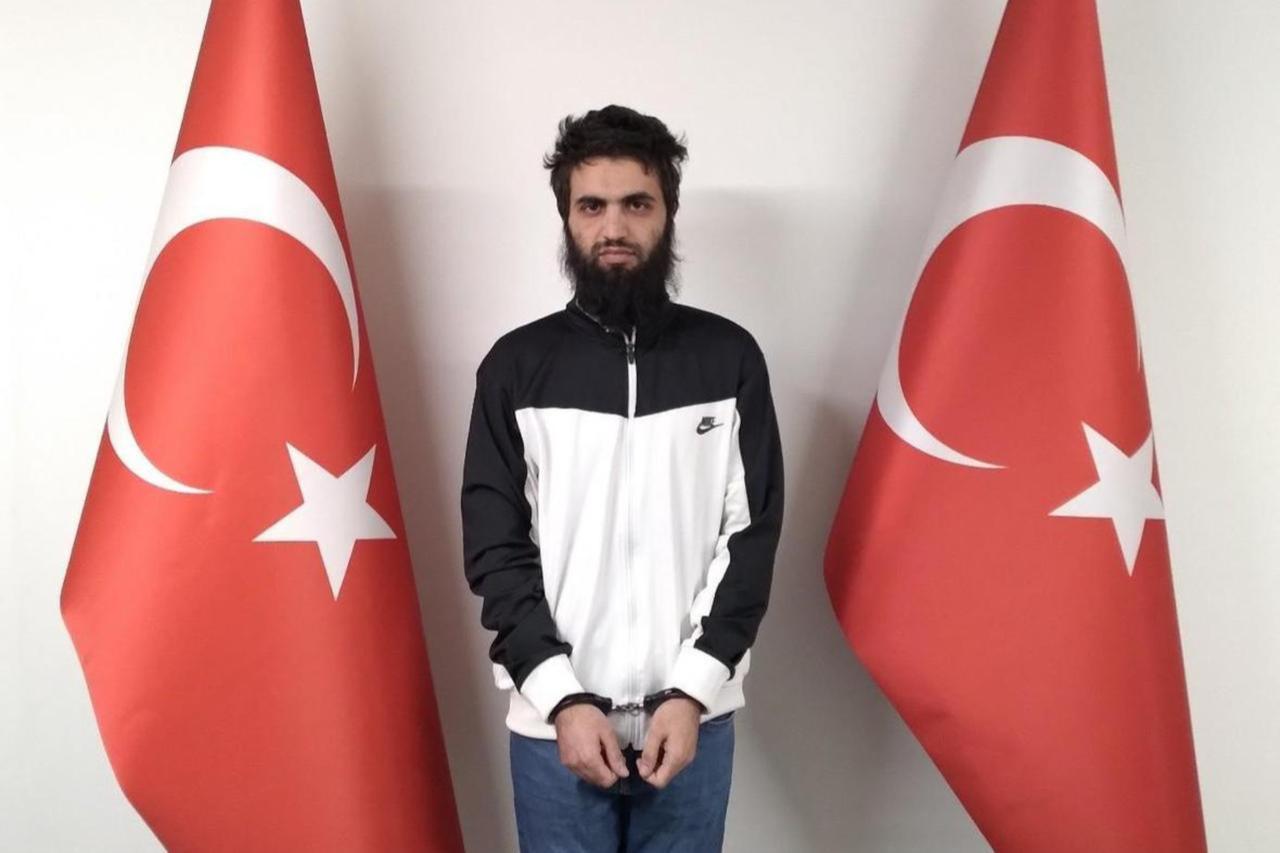
The report links the expansion of Daesh’s Khorasan network to regions marked by chronic instability and weak economic foundations. Drawing on examples from the Caucasus, it highlights how post-Soviet poverty, unemployment and political volatility created openings for Salafi-jihadist ideologies.
In such environments, the organization combines ideological messaging with material incentives. Continuous propaganda output, high-impact attacks and promises of financial support are used to build visibility and attract recruits.
Symbolism plays a strategic role as well. By carrying out sensational operations, the group seeks to project relevance far beyond its immediate area of activity, reinforcing its claim to global reach.
While the report acknowledges the necessity of security operations, it argues that enforcement-focused approaches are insufficient on their own. Long-term effectiveness, it suggests, depends on addressing the social and economic roots of radicalization.
MIT highlights the importance of expanding vocational training and employment programs, particularly for marginalized youth. De-radicalization initiatives and psychological support mechanisms are also identified as critical components of prevention.
The report further emphasizes media literacy, critical thinking and local community networks as tools to reduce susceptibility to extremist narratives and to strengthen social resilience.
The Intelligence Academy’s assessment ultimately challenges narrow definitions of counterterrorism. It argues that confronting Daesh-linked radicalization requires sustained engagement with economic crisis, youth unemployment and widening social inequality.
By reframing extremism as a structural issue rather than a purely ideological threat, the report points to a broader policy debate now taking shape within Türkiye’s security establishment.
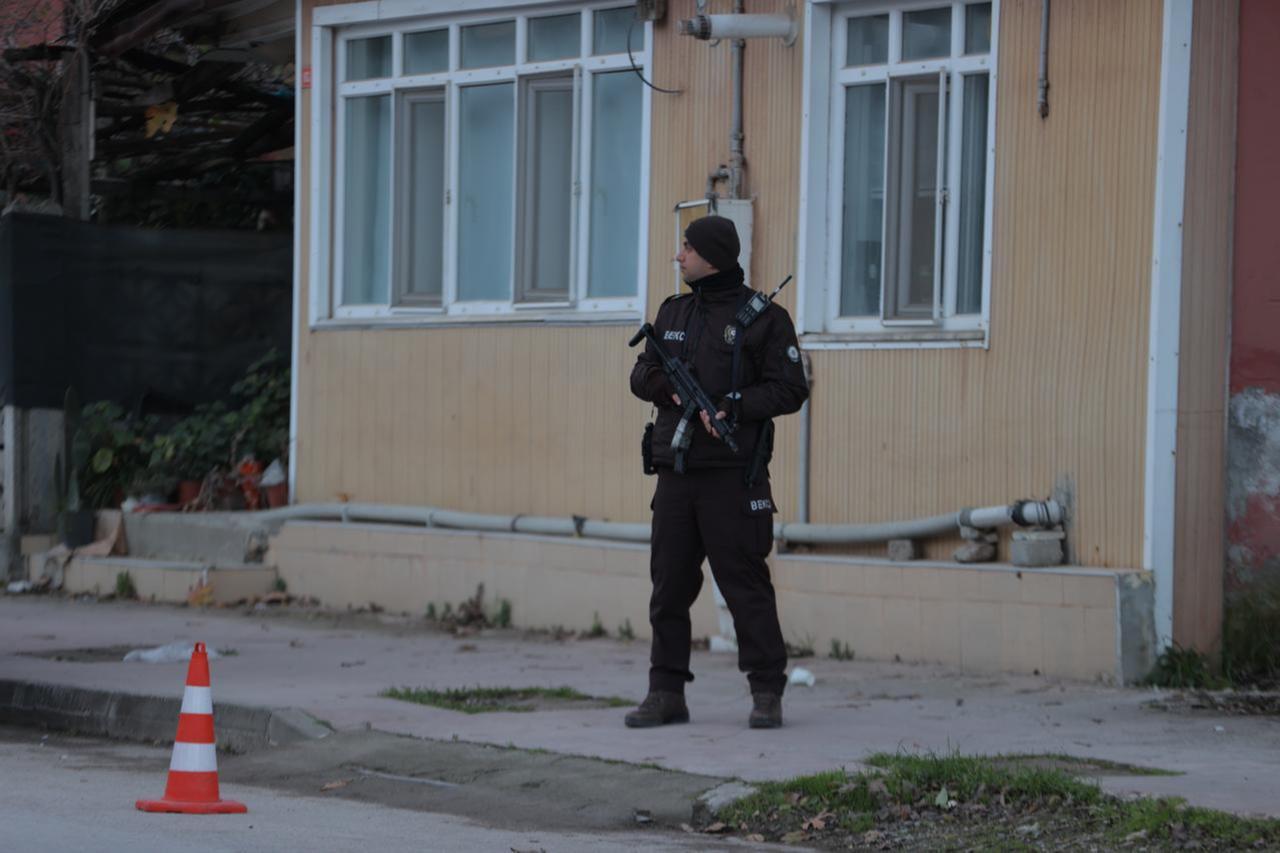
Public attention to Daesh terrorism has intensified following a deadly police operation in Yalova targeting a terror-linked safe house. Three police officers were killed during the raid, reigniting debate over possible institutional shortcomings.


 Set as preferred source
 Set as preferred source



 2 min read