Newsletters





Youth unemployment remains a key policy issue in Türkiye, with many young people facing difficulties in securing stable work and independent living.
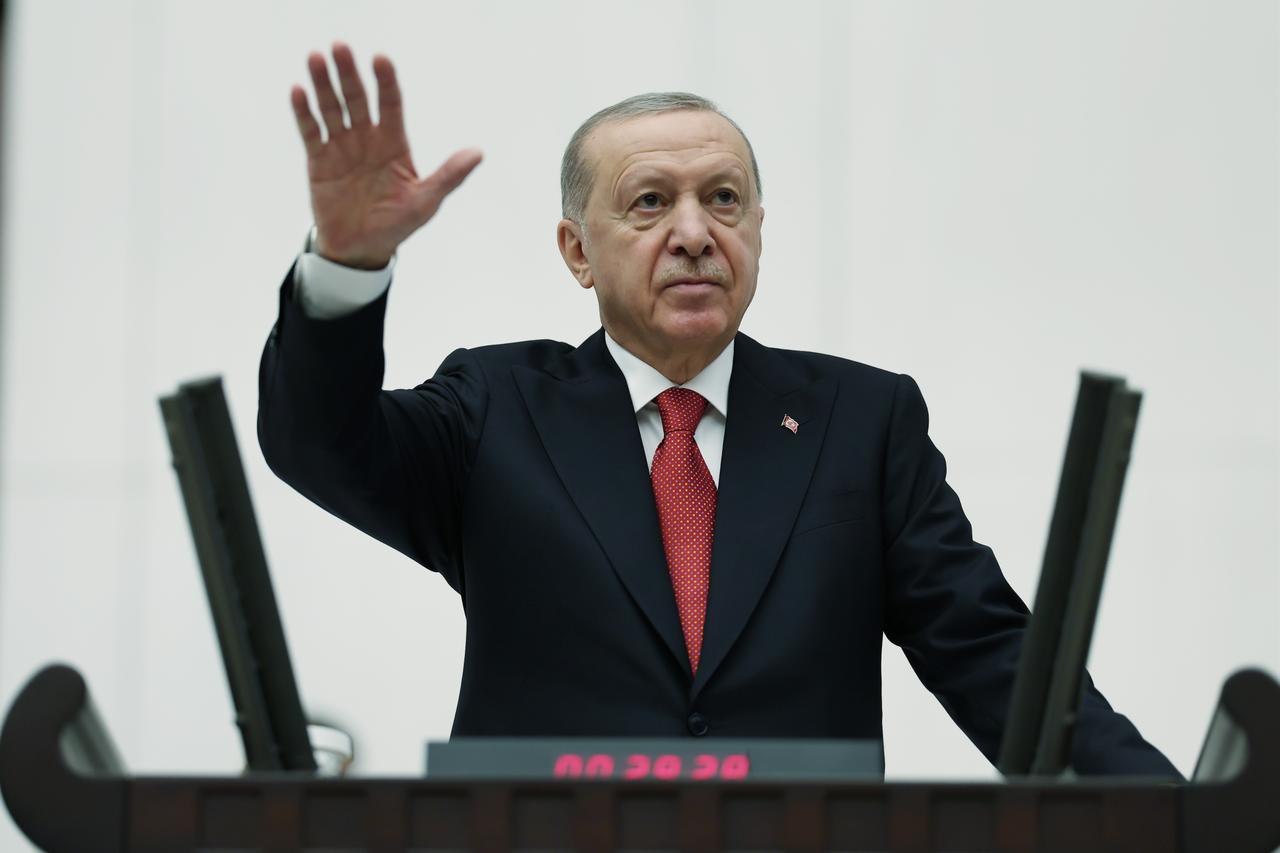
During a speech on Tuesday, President Recep Tayyip Erdogan addressed how this group is discussed in public debate and focused on the widespread use of the term “ev genci,” describing it as hurtful toward young people who remain outside stable employment.
The phrase, which can be translated as “home-based youth,” is commonly used in Türkiye to describe young adults who continue living with their families due to economic constraints rather than choice. Erdogan claimed that such labels unfairly portray young people as passive and overlook their potential.
Speaking at the Youth Employment Drive promotion event, he also pushed back against claims that young people are selective about work, saying these generalizations do not reflect reality.
At the event, Erdogan outlined a new phase of youth-focused employment policies implemented through the public employment agency ISKUR.
Key elements of the program include:
The government says the program aims to prepare 750,000 young people for working life within three years and bring more than three million young people into employment through publicly funded mechanisms.
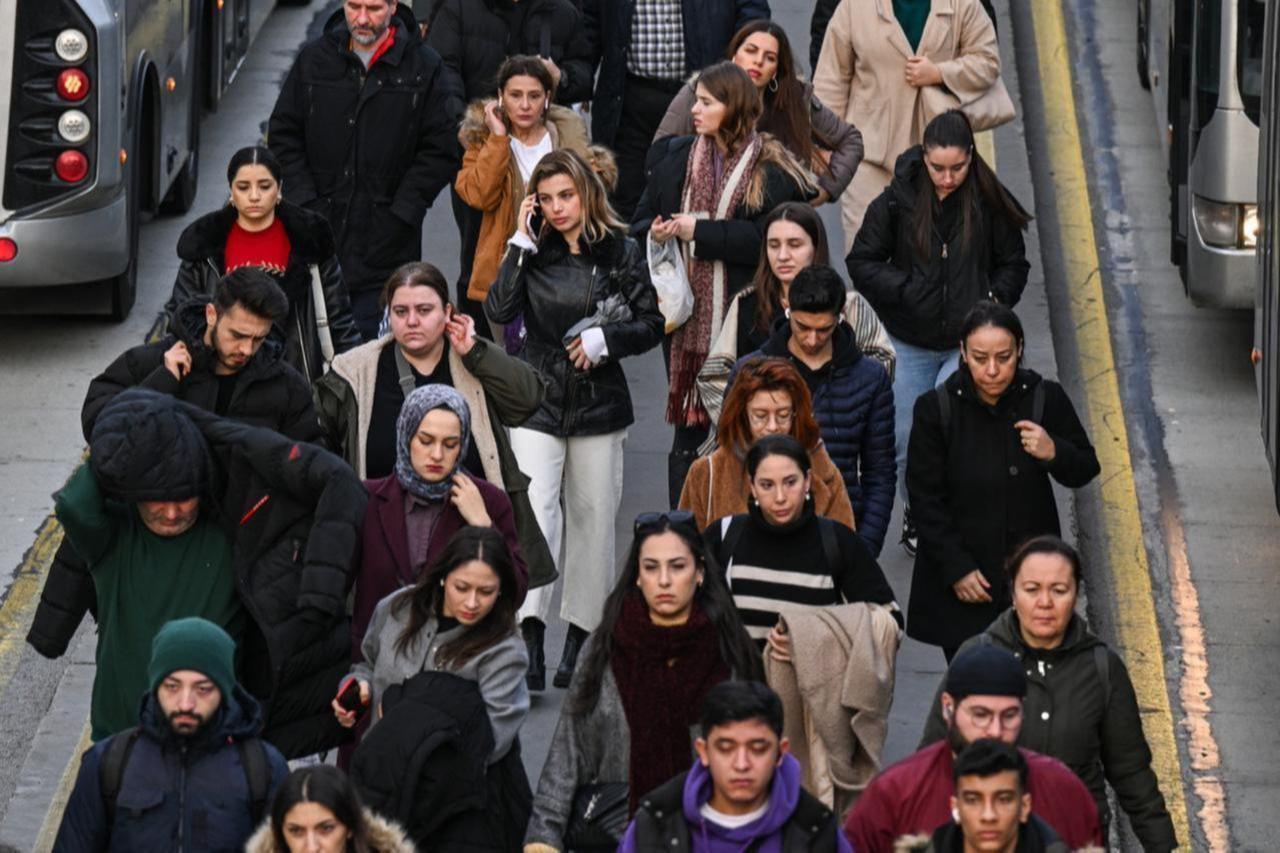

While the term “home-based youth” has become politically sensitive, recent research suggests the social condition it describes is both widespread and structural.
Research Istanbul conducted its “Generation Profile 2025” survey (Nesil Kunyesi 2025) across 26 provinces, interviewing 2,000 respondents aged 18 to 30. The findings point to a pattern of prolonged economic dependence among young people in Türkiye.
The survey shows that:
Financial autonomy remains limited, as only about 2 out of 10 young people can save money, and researchers note that this is rarely the result of wages alone.
Savings are more commonly linked to inherited advantages such as home ownership or the absence of rent costs, rather than income levels that allow for long-term planning.
Columnist Mehmet Y. Yilmaz argued that discomfort with the terminology should not overshadow the underlying issue.
Ultimately, the central problem does not lie in the label itself but in the economic conditions that continue to delay financial independence for a large share of Türkiye’s youth.

The Research Istanbul findings also challenge assumptions about young people’s expectations from work, particularly the idea that flexibility is their primary demand.
Contrary to common belief, flexible or remote working models are not a top priority for many young people in Türkiye. Instead, respondents place greater importance on stable income, job security, and strong social benefits.
Researchers note that economic uncertainty has shifted priorities, making security more valuable than flexibility for a generation struggling to plan independently.
The research also shows that financial pressure extends beyond employment and directly affects young people’s ability to make autonomous life decisions. Economic dependence limits independence in areas such as education, career choice, and family responsibilities.
While many young people express a desire to build an independent life and achieve financial freedom, the data suggest that current conditions make this difficult to realize.
Young people living with their families say their primary goal is to leave the family home, rather than adapt to flexible or precarious work arrangements.
Researchers emphasize that this reflects a broader demand for stability rather than lifestyle preference, particularly in a high-cost environment where wages often fail to meet basic living expenses.
International comparisons underline the scale of the challenge. Data cited in the commentary shows that Türkiye ranks last among 33 countries in the employment rate of newly graduated university students, according to OECD figures.
Previous reporting on youth economic conditions in Türkiye has found similar patterns of family dependence.
An October 2024 survey had also found that many young people live near the poverty threshold and rely on family support to meet basic expenses, with more than 64 percent of survey respondents saying they make ends meet through parental allowances and a majority earning below ₺5,000 per month.
Taken together, the findings suggest that youth unemployment in Türkiye is shaped less by attitudes toward work and more by structural conditions affecting wages, housing costs, and economic security, reinforcing long-term dependence on family support.


 Set as preferred source
 Set as preferred source


 6 min read