Newsletters


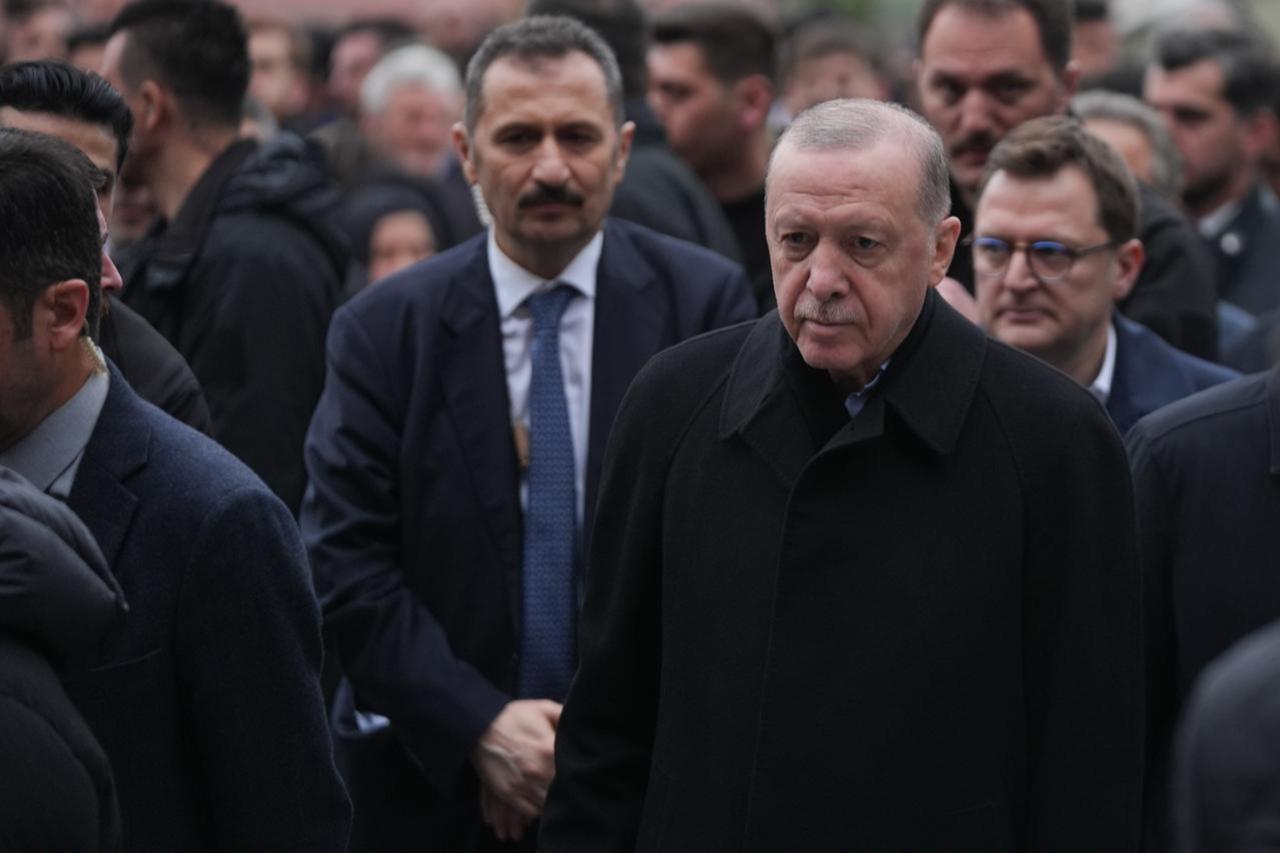


President Recep Tayyip Erdogan stated on Eid al-Fitr that "Zionist Israel" will "pay the price" for killing hundreds and thousands of people in the Middle East.
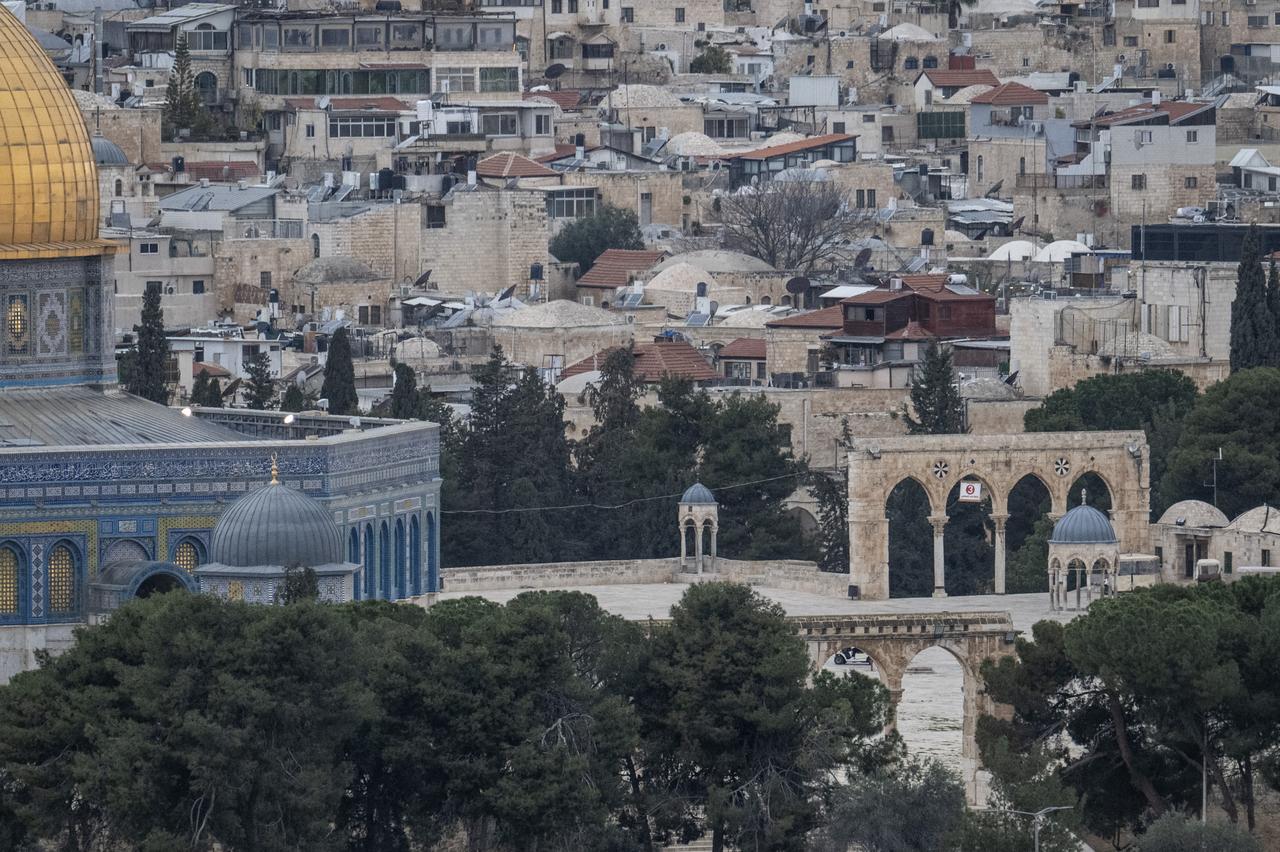
Israeli authorities banned Eid prayers at Al-Aqsa Mosque in occupied East Jerusalem, leaving the Old City resembling a ghost town on the Muslim holiday.

Erdogan performed the Eid al-Fitr prayer at Güneysu Central Mosque in his hometown of Rize and made a statement to journalists afterward.
"We have left behind the blessed Ramadan, whose beginning is mercy, whose middle is forgiveness, and whose end is salvation from eternal torment, and today we are honored with Eid al-Fitr," Erdogan said.
"May Allah grant that Eid al-Fitr be a means of salvation and revival for the entire world of Islam. May it also be a means of unity, togetherness, and brotherhood in our country," he added.
Erdogan then turned to the situation in the Middle East. "Because the Middle East is boiling right now, and this Zionist Israel has, as is known, massacred hundreds and thousands of people. I do not doubt that it will pay the price for this, Allah willing," the Turkish president stated.
"May Allah be our helper. May Eid al-Fitr be a means of goodness for our country and our nation," he said.

Israeli authorities banned Eid al-Fitr prayers at Al-Aqsa Mosque in occupied East Jerusalem, citing security restrictions imposed amid the war against Iran.
Palestinians called on worshippers to gather near the Old City to perform prayers as close to Al-Aqsa as possible.
Israeli police have previously used batons, sound grenades, and tear gas against Palestinians who prayed outside the Old City's walls in protest against restrictions on Al-Aqsa during Ramadan.
Occupied East Jerusalem entered the holiday period in a somber mood.
The Old City, which normally fills with Palestinians in the days before Eid, was eerily quiet, resembling a ghost town.
Israel restricted access, citing its assembly ban, while Palestinian shopkeepers were prevented from opening their stores, with only pharmacies and essential food shops permitted to operate.
Palestinian traders, who declined to be named fearing Israeli reprisals, said the restrictions had left them in severe economic distress.


 Set as preferred source
 Set as preferred source


 2 min read