Newsletters


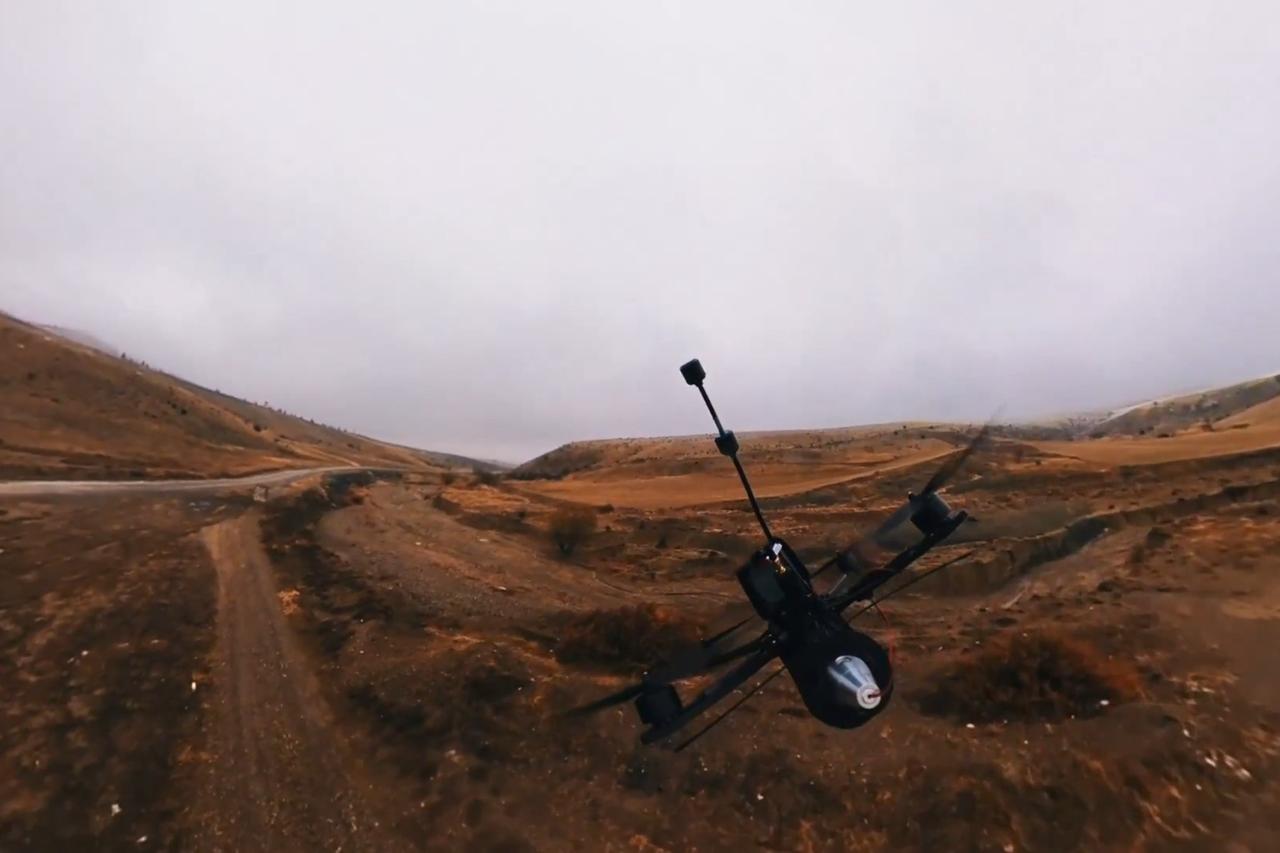


Skydagger, a Turkish FPV kamikaze drone manufacturer founded approximately two years ago, said it is targeting monthly production of 10,000 units by the second half of 2026, produces nine of 11 drone components domestically, and is working toward full assembly automation.
General Manager Mehmet Oztekin noted in an interview with SAHA Istanbul's SAHASohbetleri that the company is developing interceptor drone systems and fiber-optic drone capabilities.
Oztekin said Skydagger started with a target of 1,000 units per month, scaled to 3,000-3,500, then 5,000, and currently produces approximately 8,000 units per month with 96 personnel.
He noted that the company plans to reach 10,000 units per month in the second half of 2026, as the company plans to expand production internationally, establishing automated production lines in other countries.
Skydagger GM added that the drone maker has already partially automated its carbon frame assembly, with a single machine performing the work of approximately 18 people per day.
The company is now developing a CNC-based machine that will assemble a complete drone frame, including four motors, speed controllers and standoffs, in approximately 30-35 seconds.
"We are designing this machine ourselves," he added.
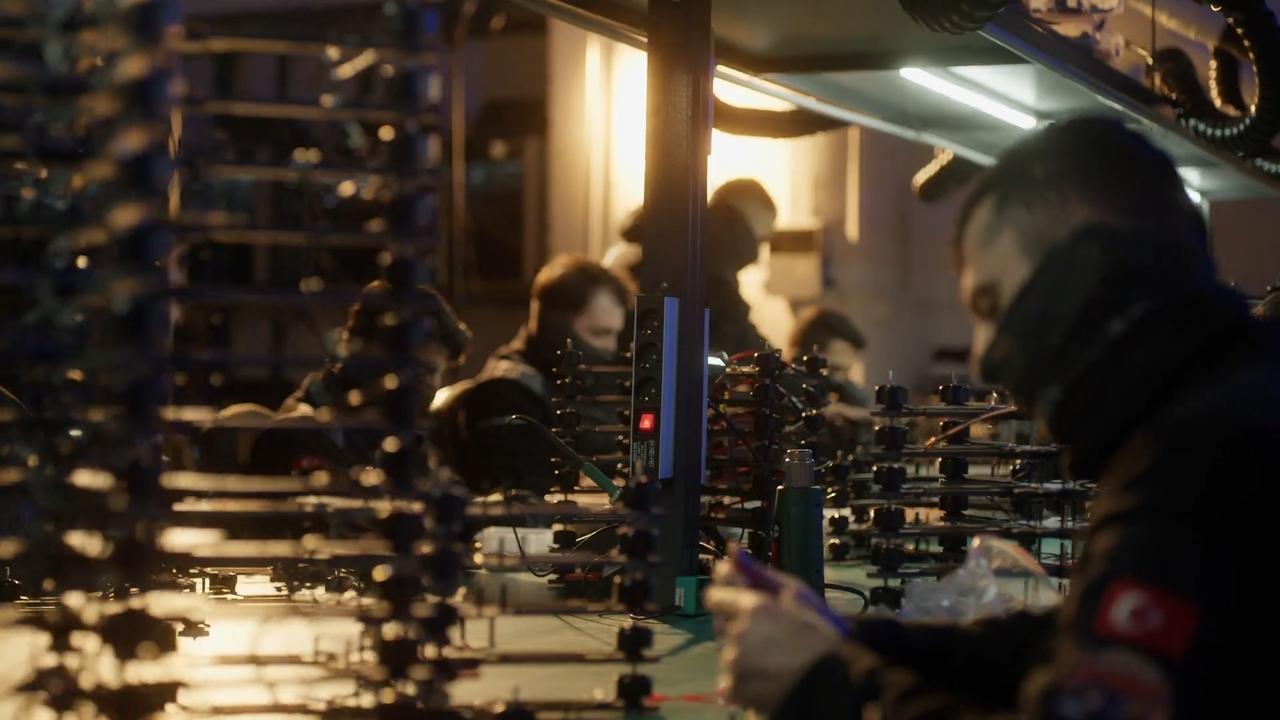

The general manager noted that Skydagger manufactures nine of 11 components on each drone domestically, with only propellers and cameras sourced externally.
"Propellers can be purchased from any manufacturer for 25 cents; it is not worth making. Camera technology unfortunately does not exist in Türkiye, but if a domestic manufacturer produces a camera to our standards, we would gladly use it," he said.
He added that with annual targets of 100,000-150,000 drones, Skydagger alone represents a market of 100,000-150,000 cameras and nearly 600,000 propellers per year, a potential market for domestic suppliers.
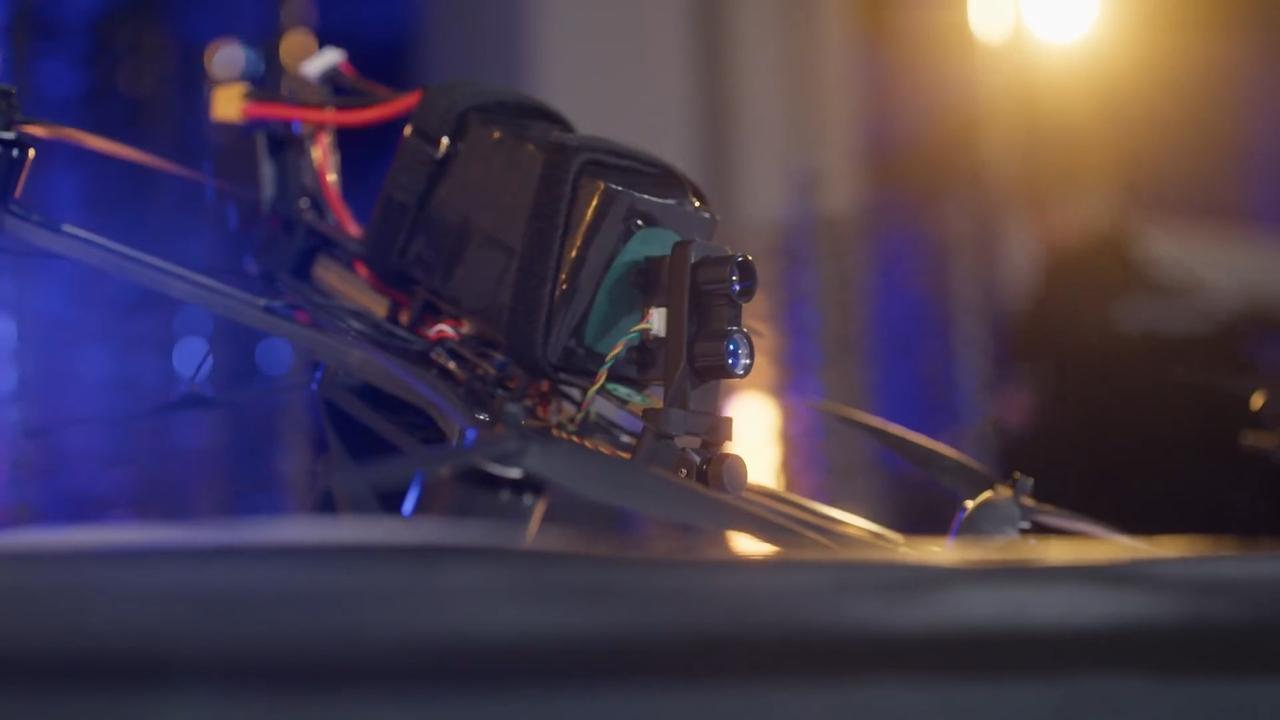
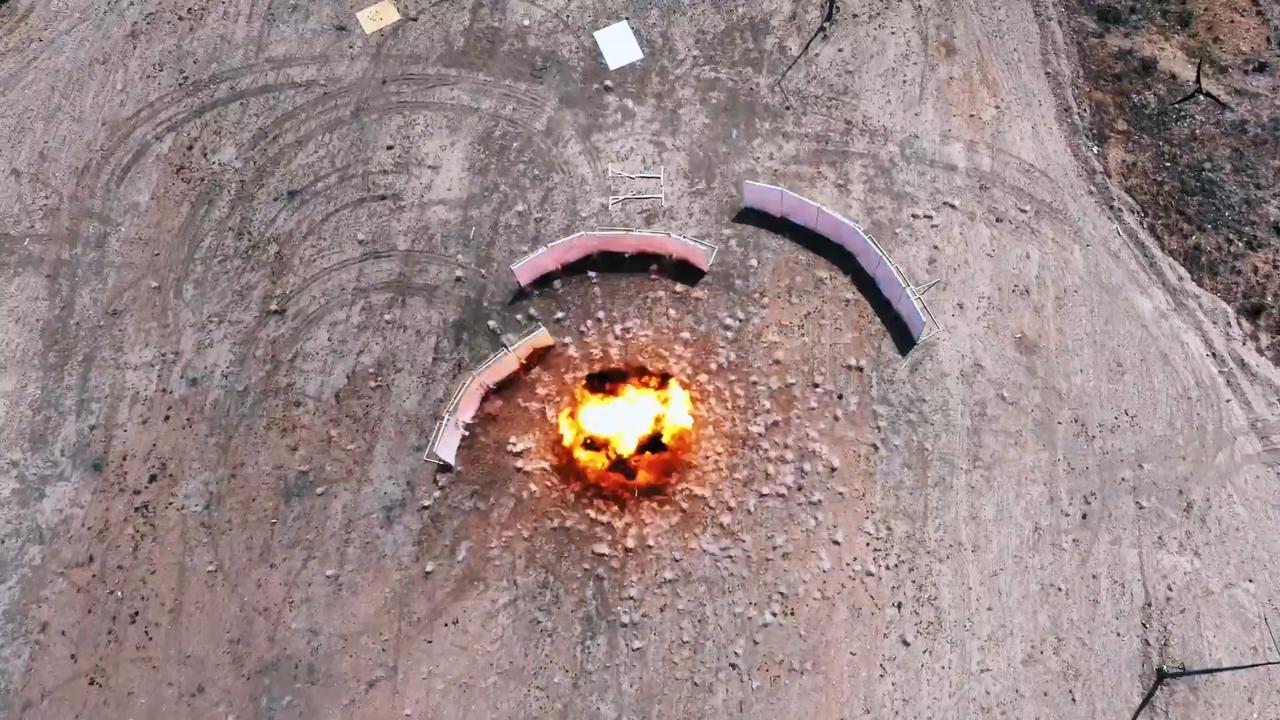
Oztekin also noted that Skydagger produces a complete system for customers, including a drone, ground station, battery, fiber-optic capability, and warhead casing, making it unique among global manufacturers.
"No other company in the world does what we do," he said, adding that warhead casings are provided with formulation guides, allowing customers to produce completed warheads domestically within their own countries.
The ground station supports all drone types in Skydagger's lineup and communicates with operators in seven languages through both audio and visual prompts.
He explained that Skydagger designs its own receivers and video transmitters, enabling frequency monitoring and in-field frequency changes via the controller.
"We can listen to the dominant or disrupted frequency in the field and switch frequencies from the controller," he added, noting that the company's own controller design allows operators to control camera switching, frequency changes and hopping frequency selection, differentiating Skydagger from Chinese manufacturers who typically offer no performance guarantees on range, camera quality, or electronic warfare (EW) resistance.
The general manager of the Turkish drone-maker stated that the company is also developing an interceptor drone system more advanced than current Ukrainian models, aiming for early detection, trajectory prediction and autonomous interception.
"Our approach is to detect the incoming drone early with an early warning system, predict the intercept point and eliminate it, a more autonomous system that reduces the operator's workload," he said.
He shared details of the system, saying it will use radar, visual and frequency-based detection and will work in all lighting conditions using thermal cameras. He noted that Turkish defense giants Aselsan and Roketsan are also working on drone defense systems and called for faster development of counter-drone capabilities.
"It is a very serious threat on the battlefield," Oztekin noted.
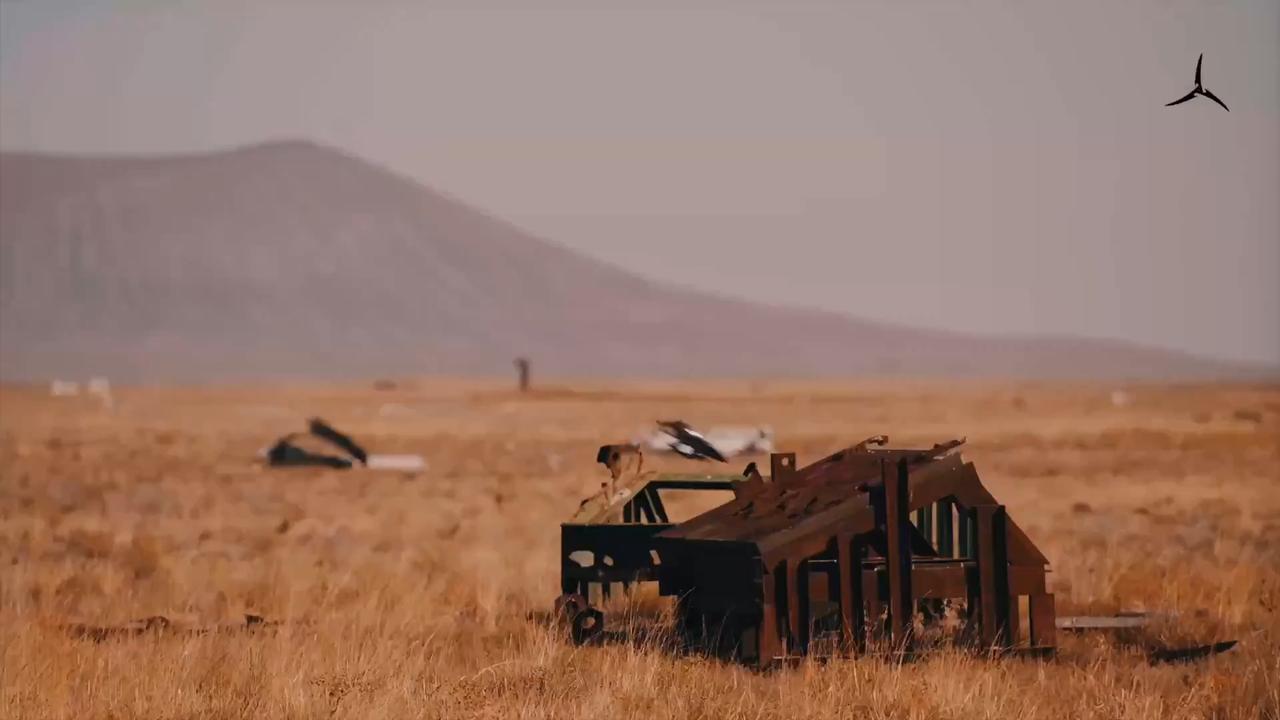
Oztekin stated Skydagger is not focused on Shahed-scale platforms, preferring platforms carrying 5-15 kilograms of warhead. However, he added that the company is developing a loitering munition platform targeting an effective range of approximately 600 km and 10 hours of airborne endurance in favorable conditions.
He also confirmed that a Skydagger FPV drone was recently launched from Baykar's Bayraktar Kalkan unmanned aircraft systems (UAS) and said the company is working to integrate small drones onto multiple Baykar platforms.
"Imagine Kalkan conducting reconnaissance and surveillance at 10,000 feet, deploying a small drone below the cloud line for precision targeting, this exponentially increases capabilities," he said.
Oztekin added that he envisions tens of small drones launching from TB2, TB3, Akinci and eventually Kizilelma. "I believe we'll be talking about this as something we have already achieved in five or six years," he said.
The general manager noted that Türkiye will become "a global center" for FPV and kamikaze drone systems within two years.
"Türkiye will definitely be a center in this area, together with Baykar's small platforms, STM, Roketsan and the others," he stated.


 Set as preferred source
 Set as preferred source


 2 min read