Newsletters


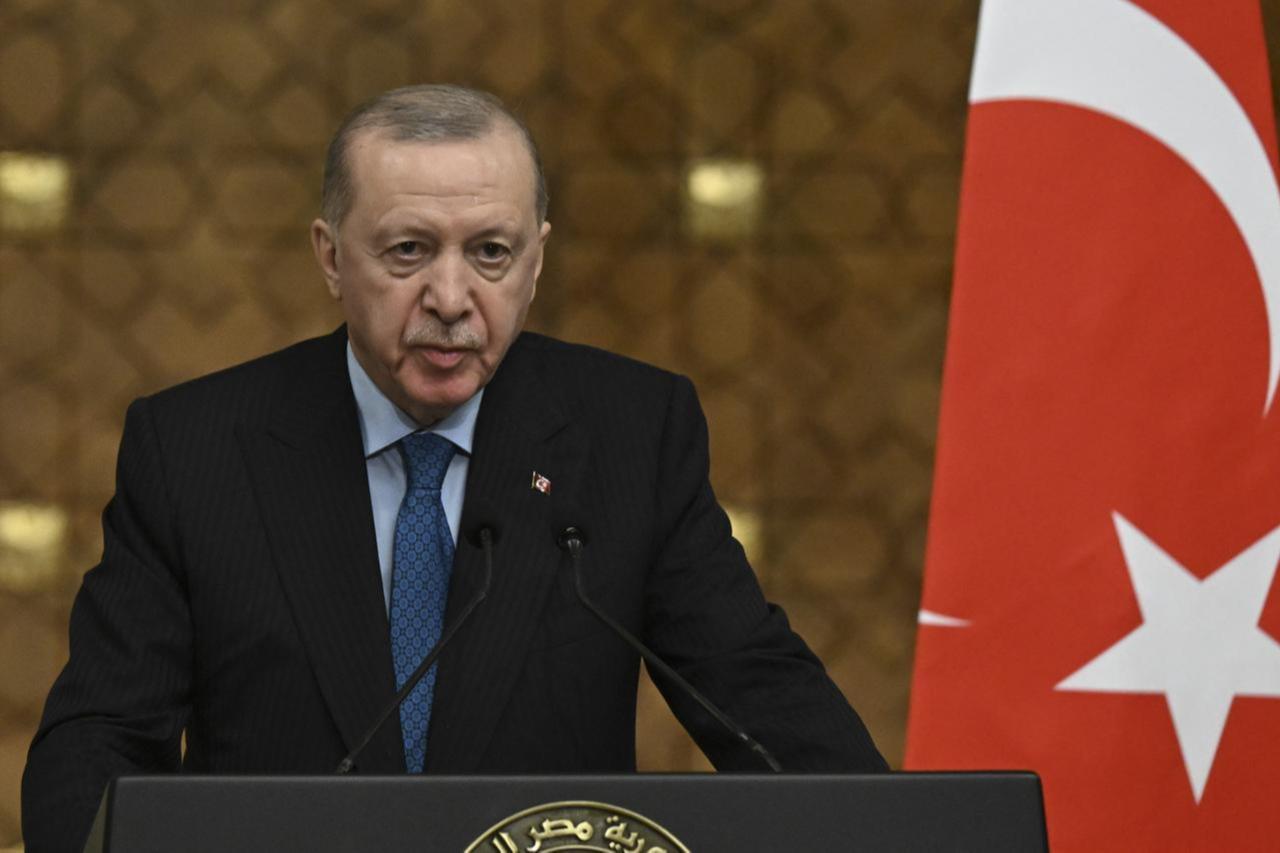


President Recep Tayyip Erdogan on Monday said Türkiye has delivered formal warnings to Iran after NATO air defenses shot down a second Iranian ballistic missile over Gaziantep, escalating a diplomatic confrontation between the neighboring countries as the wider U.S.-Israeli military campaign against Iran enters its tenth day.
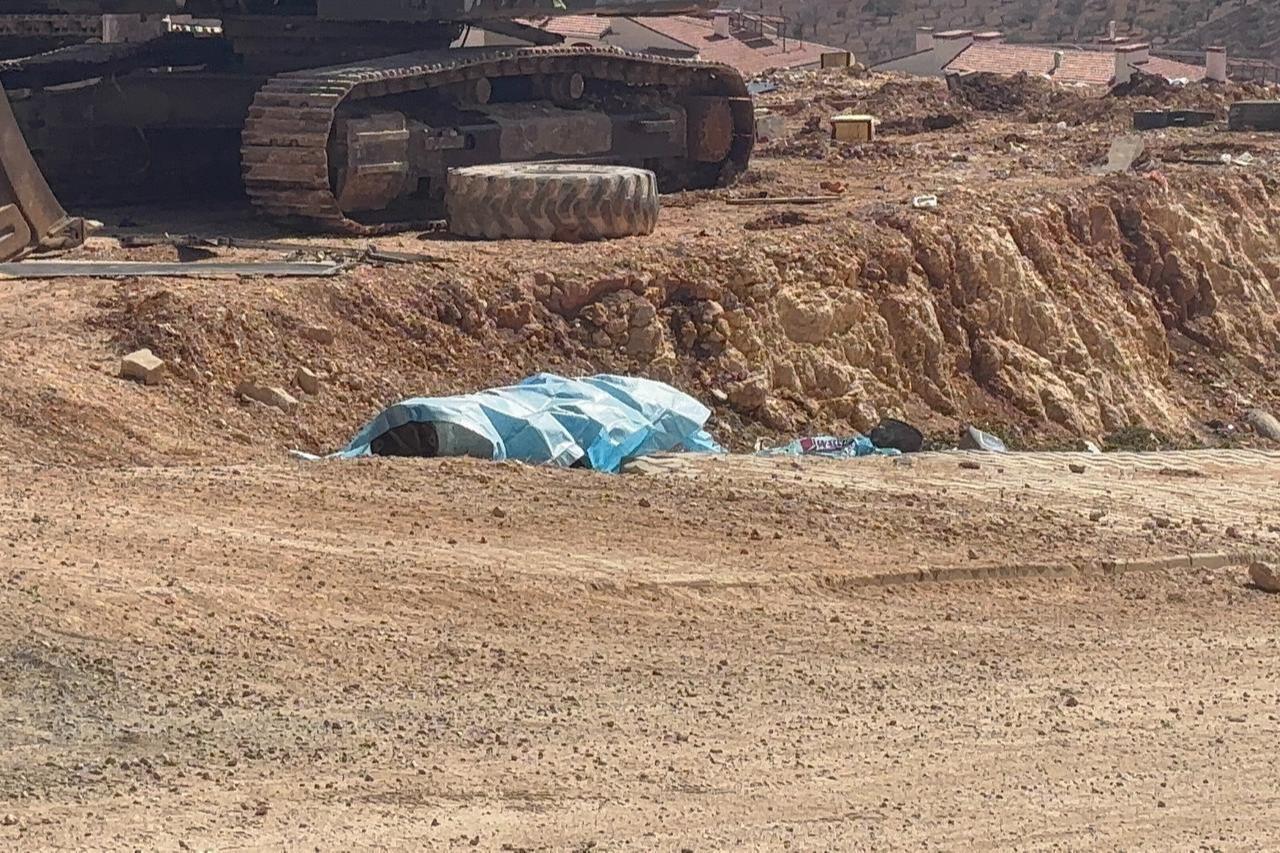
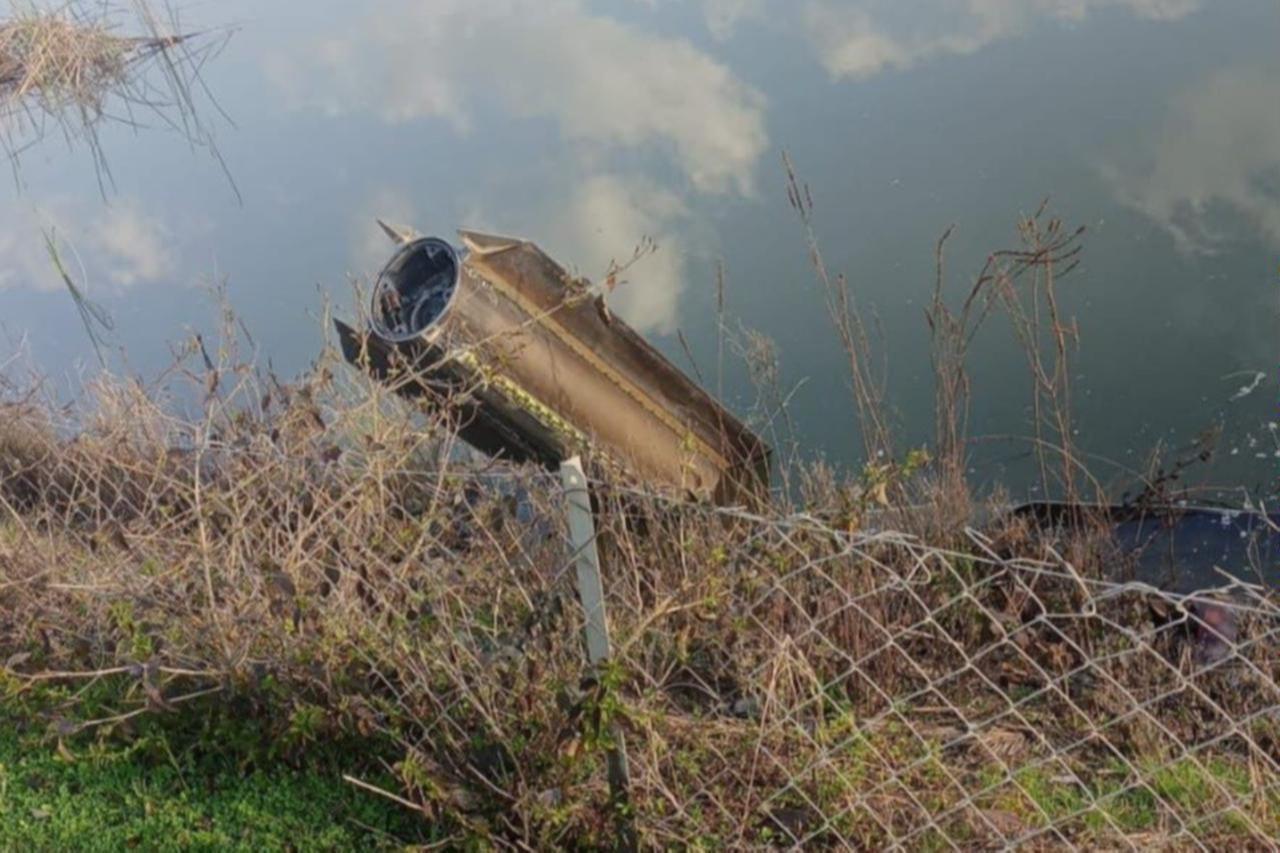
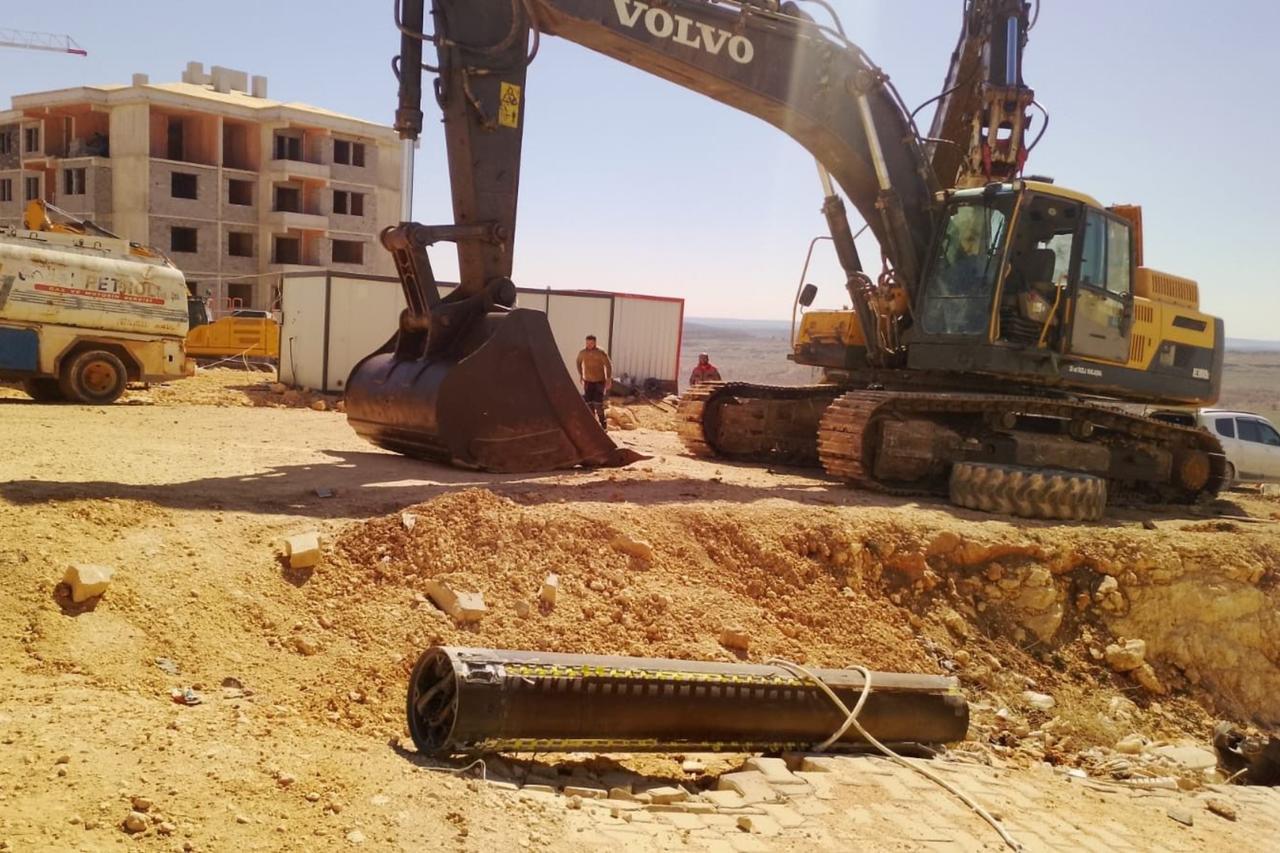
Speaking after an emergency cabinet meeting at the Presidential Complex in Ankara, Erdogan said the missile was intercepted by NATO systems and that debris fell onto empty land in the Sahinbey district of Gaziantep, causing no casualties. The incident marked the second time in five days that an Iranian ballistic missile entered Turkish airspace, following a similar interception near Hatay province on March 4.
"The necessary warnings have been delivered to Iran," Erdogan said. He urged Tehran not to take steps that would jeopardize a millennium of neighborly relations, warning that Iran must avoid being drawn into "provocative actions that would strain Türkiye's friendship."

Erdogan framed his message to Iran in both strategic and emotional terms, invoking the deep historical bonds between the two countries while making clear that Ankara's patience was wearing thin. "No one should enter into a calculation that would cast a shadow over our thousand-year-old law of neighborliness and brotherhood, one that would leave deep wounds in the hearts and minds of our nation," he said.
He added that Türkiye's position and stance were well known, pointing to what he described as extraordinary efforts to prevent the conflict from spreading further and to stop additional bloodshed.
The cabinet meeting, which began at 3:20 p.m. local time, focused on the broader repercussions of the Iran crisis, with ministers reviewing potential impacts spanning the economy, trade and border security. Erdogan said Türkiye had been on full alert since February 28, the day the United States and Israel launched their joint military operation against Iran, and that all state institutions had been mobilized.
"Our goal, first and foremost, is to keep our country away from this fire," he said. "Ensuring the security of Türkiye and the peace of 86 million people is our greatest priority."
Erdogan said he had spoken with 16 world leaders since the crisis began in an effort to find a diplomatic path out of the conflict. He described Türkiye as standing on the side of justice, international law, peace and stability, and in favor of resolving conflicts through dialogue.
On the military front, the president said F-16 fighter jets, along with early warning and tanker aircraft, were monitoring Turkish airspace around the clock against potential threats. He reported no unusual activity or movement along the border and said preventive measures had been increased at border crossings and in affected provinces.
Türkiye's three border gates with Iran were operating normally with no congestion, Erdogan added.
The broader context of the missile incidents is the sprawling U.S.-Israeli military campaign against Iran, which began on February 28 with joint airstrikes that killed Supreme Leader Ali Khamenei. Iran responded with missile and drone strikes against Israel and U.S. bases and allies across the region, including Azerbaijan, Bahrain, Iraq, Jordan, Kuwait, Oman, Qatar, Saudi Arabia, and the United Arab Emirates.
Iran has not officially acknowledged targeting Türkiye. Tehran has said repeatedly that it is not at war with regional countries and is not explicitly targeting Türkiye .After the first interception on March 4, Iran's armed forces denied firing any missile toward Turkish territory, insisting that Iran respects Türkiye's sovereignty
Erdogan sought to reassure markets and the public about Türkiye's economic resilience. He said central bank reserves stood at approximately $200 billion and that the financial system possessed a strong capital structure and sufficient liquidity to absorb any risks.
The Capital Markets Board and Borsa Istanbul had swiftly implemented measures to ensure the safe functioning of markets, he said, adding that energy supply security was not at risk thanks to prior investments and agreements. On the agricultural front, Erdogan said he did not foresee any problems with food supply security.
"Our state is by no means in a position of helplessness," he said. "All our institutions are on full alert."


 Set as preferred source
 Set as preferred source


 1 min read
 1 min read