Newsletters


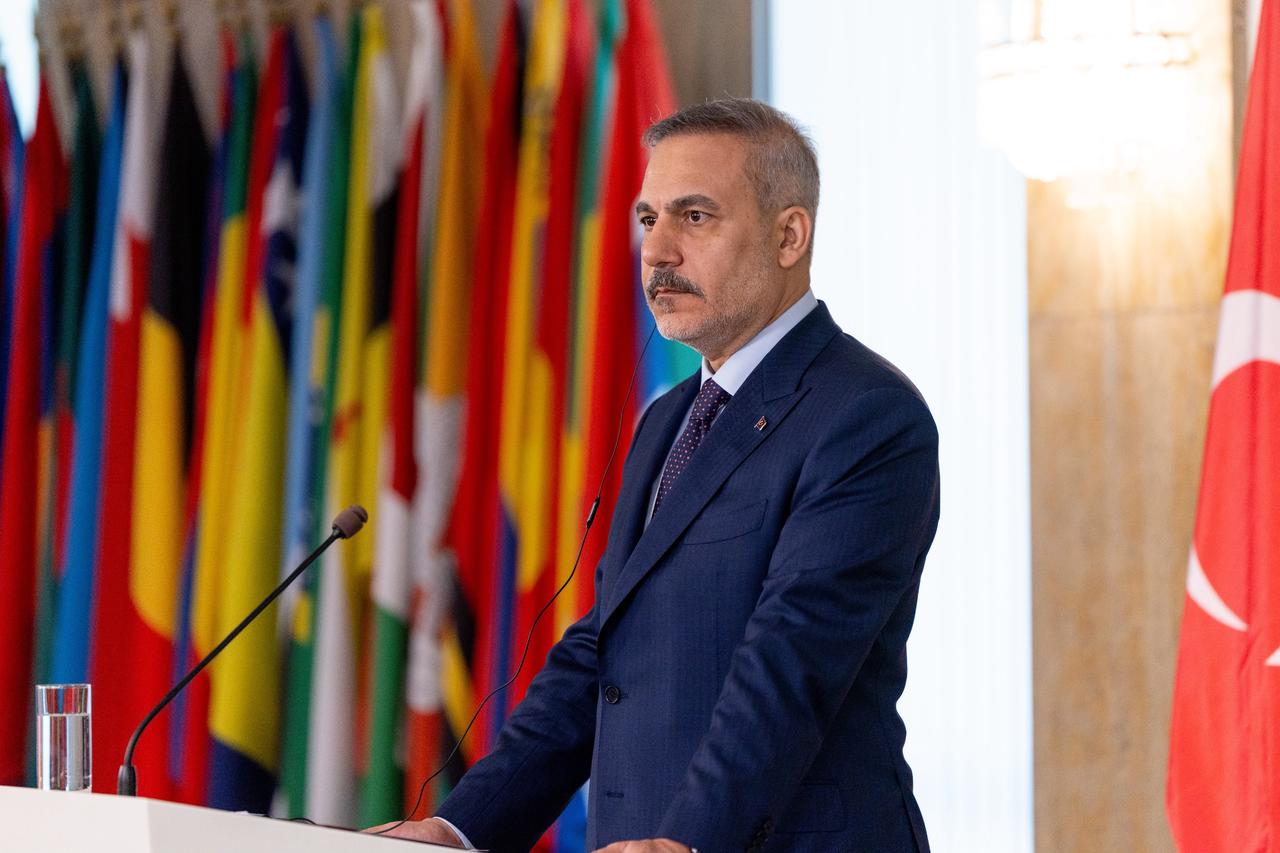


Turkish Foreign Minister Hakan Fidan stated Thursday that a European architecture in which Türkiye does not take its rightful place will remain incomplete and weakened in its capacity to manage crises, making deeper EU-Türkiye economic integration "a strategic necessity" for Europe.
He also confirmed a new border crossing would be built north of Kapikule and announced bilateral trade with Bulgaria had exceeded €8.4 billion ($9.6 billion) in 2025.
Fidan said the multi-dimensional crises shaking the region and the world had exposed in full clarity the strategic and indispensable nature of Türkiye-EU relations.
"It is clear that a European architecture in which Türkiye does not take its rightful place will be incomplete and that its capacity to cope with crises will weaken," the Turkish top diplomat said.
"The EU's economic future depends on increasing its competitiveness, strengthening its resilience and rebuilding supply chains in its near geography. In this context, deepening economic integration with Türkiye is a strategic necessity for the EU," he added.
Fidan also said it was essential that the EU's defense and security initiatives be conducted with an inclusive understanding that includes Türkiye, a strong NATO ally contributing to European security. He expressed appreciation for Bulgaria's support for Türkiye's EU membership process.

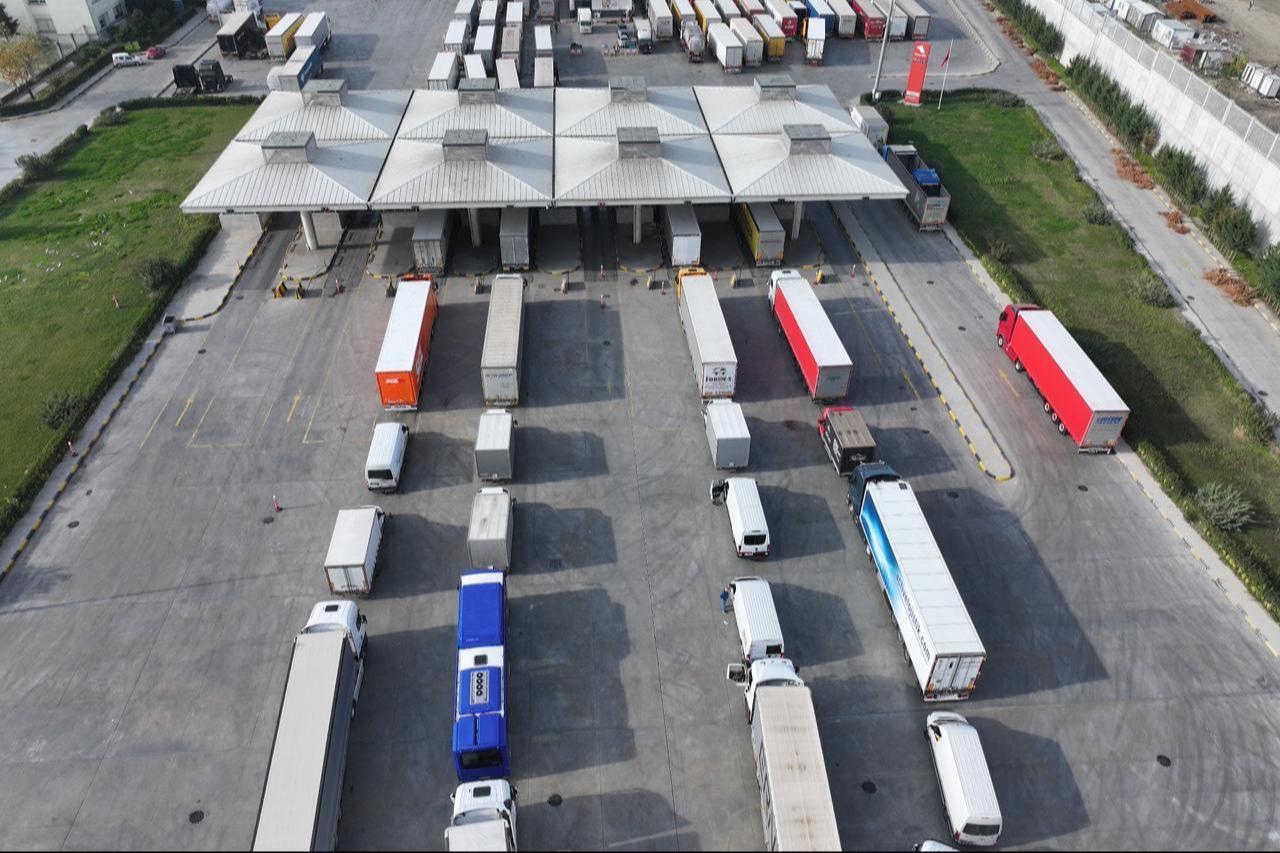
Fidan said both sides had confirmed their shared intent to build a new border crossing north of Kapikule, Europe's busiest border gate, and had exchanged views on road and railway projects to strengthen regional connectivity.
"We confirmed our joint will to build a new border crossing north of Kapikule, which is Europe's busiest border crossing. We also exchanged views on road and railway projects that will strengthen regional connectivity," he said.
He expressed gratitude to the Bulgarian authorities for their support in ensuring smooth border crossings for Turkish citizens traveling to Europe during the summer months.
He noted that bilateral trade reached €8.4 billion in 2025, directly reflecting deepening energy and transport cooperation. He added that Turkish Petroleum would begin oil and gas exploration at the Han Tervel field in Bulgaria's exclusive economic zone (EEZ) this year.
Fidan also highlighted a Memorandum of Understanding (MoU) on green electricity transmission and trade signed in Baku in 2025, with the participation of Azerbaijan and Georgia, as significant for energy supply security.
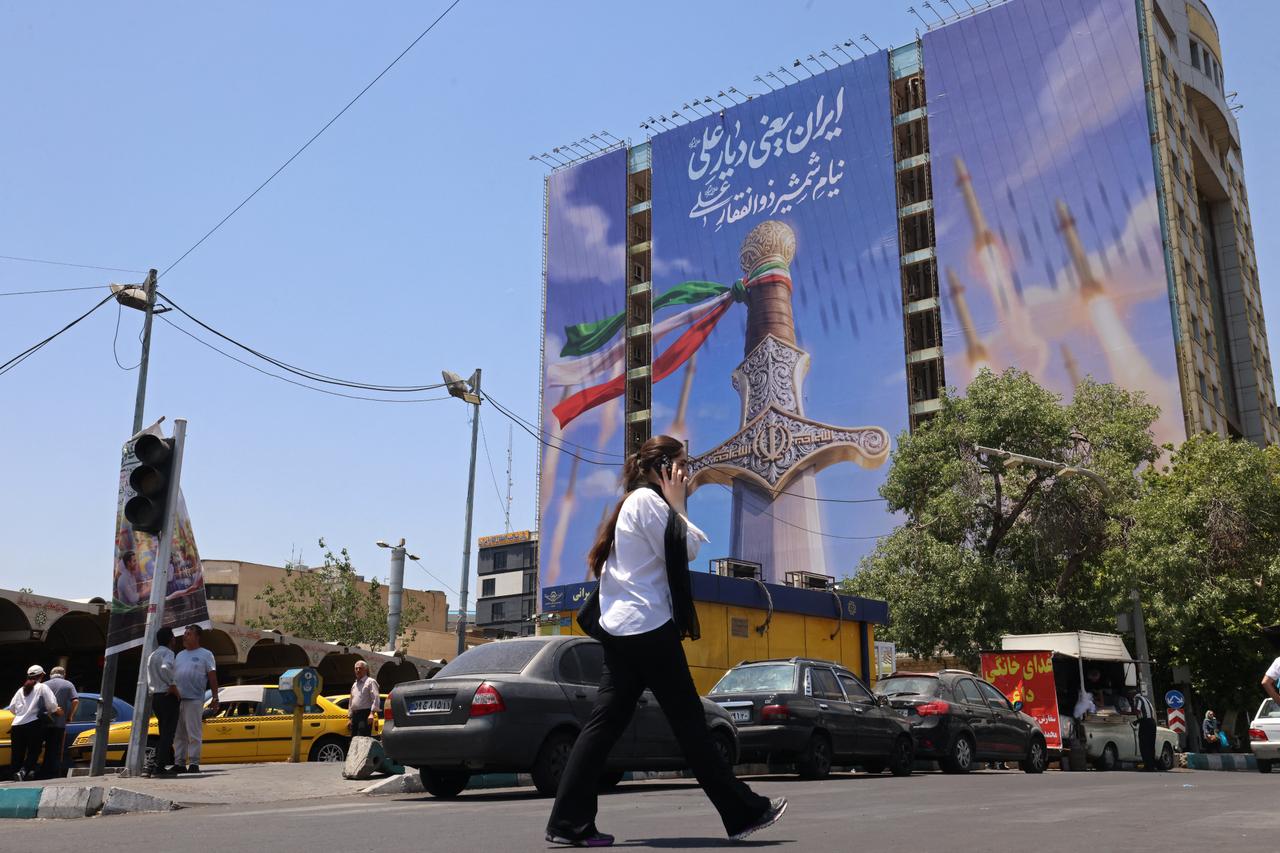
On the escalating Iran-U.S. conflict, Fidan said there had been a general belief that an agreement was close, but that the reciprocal attacks of the past two days were alarming.
"We recommend that the parties halt their mutual attacks as soon as possible and return to the negotiating table and finish the text they were close to completing. Our efforts are also in this direction," Fidan said.
"No matter how difficult or nerve-wracking, advancing negotiations to their final point must be the goal. They must finish this," he added.
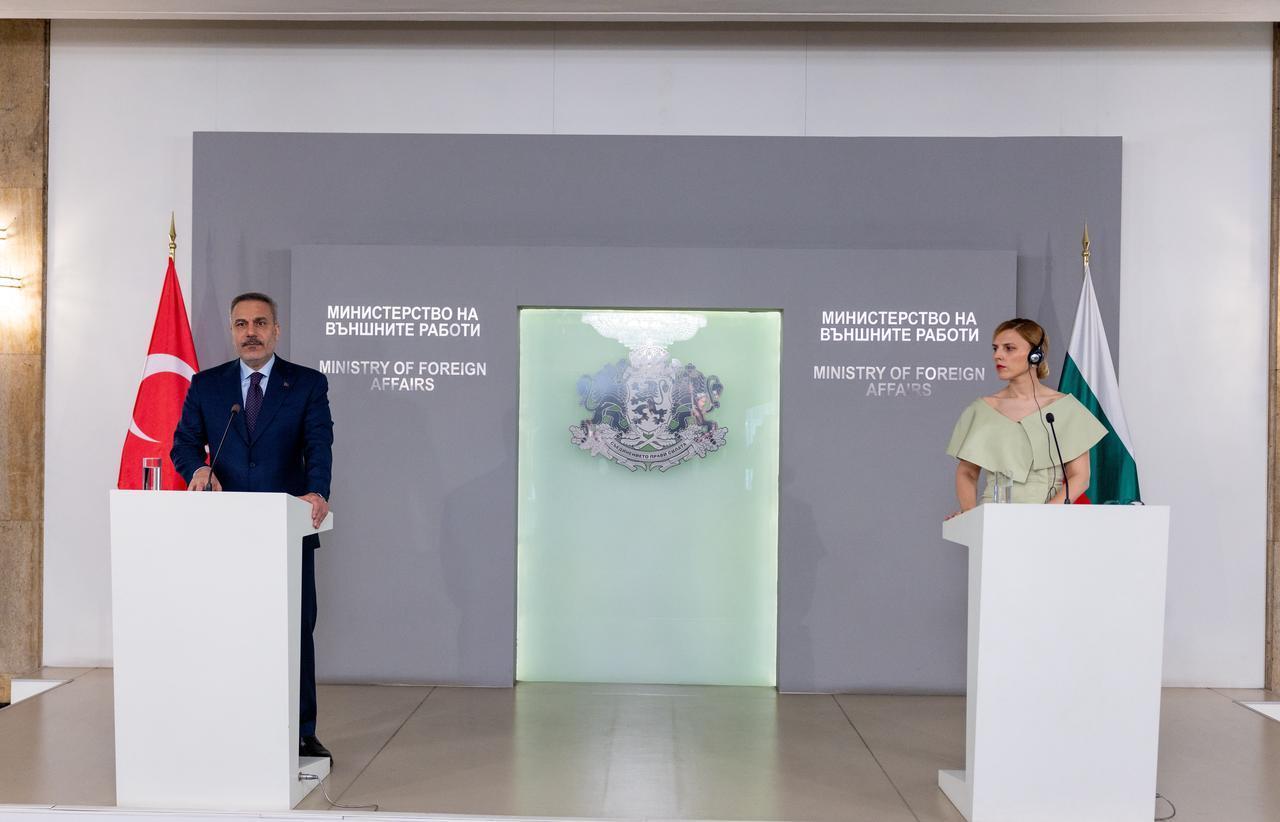
Bulgarian Foreign Minister Velislava Petrova-Chamova said her country attached great importance to productive cooperation with Türkiye, and that Bulgaria's most active border crossing was its crossing with Türkiye.
"We reached an agreement on diversification of energy sources, trade cooperation, and continuing coordination at the very active Bulgaria-Türkiye border crossing," she said.
Petrova-Chamova said Bulgaria supported the continuation of constructive EU-Türkiye cooperation.
On the BOTAS-Bulgargaz agreement, both sides confirmed talks were continuing at the technical level, with Fidan noting that President Erdogan had given instructions to resolve the matter and that he expected a solution soon.


 Set as preferred source
 Set as preferred source


 1 min read
 1 min read