Newsletters


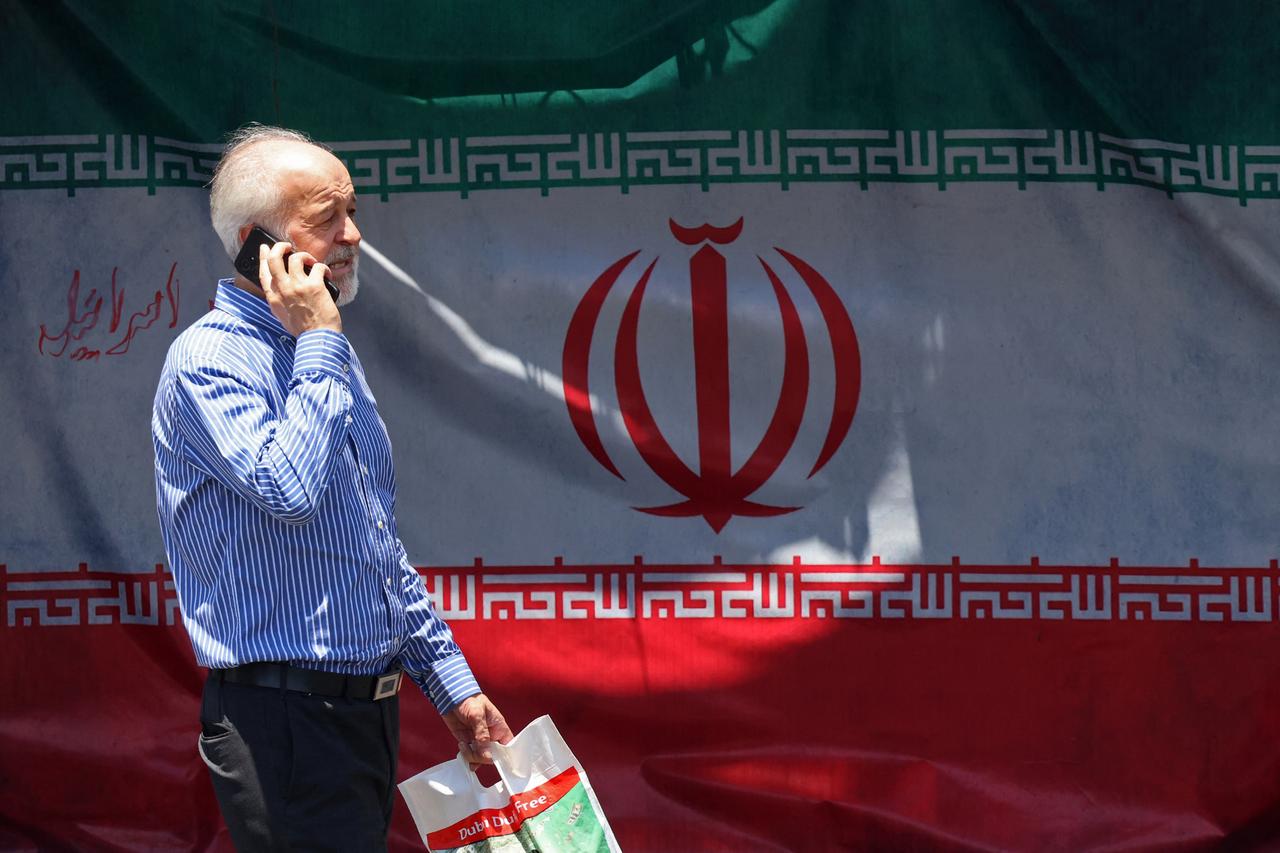


Iran's Foreign Ministry declared Thursday that U.S. strikes over the past two nights had "effectively rendered the ceasefire dated April 8, 2026, meaningless."
Meanwhile, Jordan’s military said it intercepted 20 Iranian ballistic missiles near the Al-Azraq air base overnight.
Qatari negotiators also left Tehran after overnight talks, while Pakistani and American officials separately confirmed that negotiations on a preliminary deal were still ongoing despite the escalation.
Iran's Foreign Ministry said in a statement: "The recent illegal and criminal attacks by the United States not only constitute a gross violation of the United Nations Charter and the fundamental rules of international law respecting the national sovereignty and territorial integrity of states but have also effectively rendered the ceasefire dated April 8, 2026, meaningless."
The Foreign Ministry's full statement said the U.S. attacks had placed regional countries that allowed their territory to be used for operations against Iran "alongside the aggressing parties," and warned Iran would act to "neutralize the origin and source of aggressive attacks against Iran" in the exercise of its inherent right of self-defense.
Iran also called on all U.N. Security Council member states to oppose what it described as flagrant violations of the U.N. Charter and warned that the world was "heading toward chaos and insecurity" if the actions of the U.S. and Israeli regime went unchallenged.
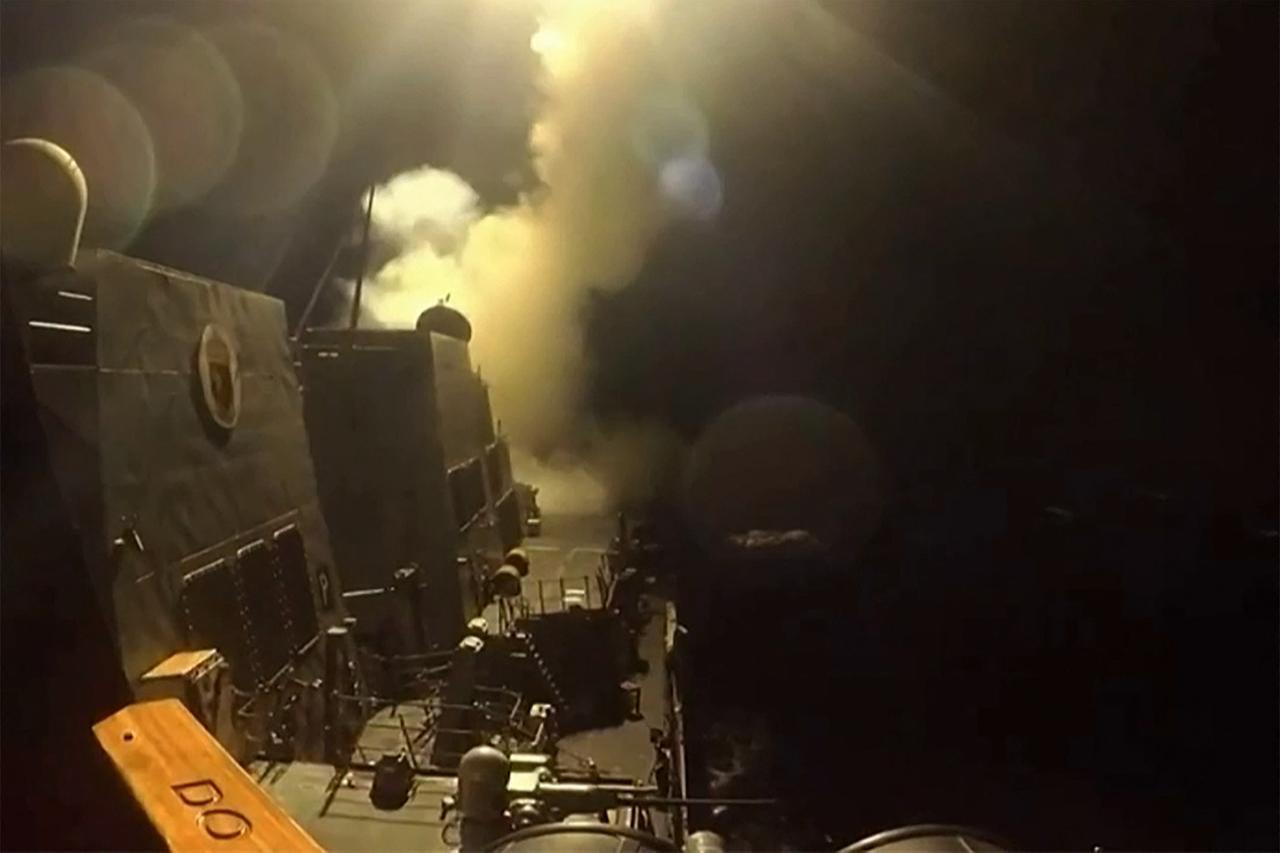

Jordan's military said its air defense systems and the Royal Jordanian Air Force intercepted and shot down 20 missiles launched from Iran toward the Azraq area in Zarqa governorate, approximately 80 kilometers east of Amman, at dawn Thursday.
"The interception resulted in the fall of a number of fragments, without any human casualties or material damage," a military official said in a statement carried by state-run Petra news agency.
The IRGC had earlier announced it fired 12 ballistic missiles at Al-Azraq Air Base and U.S. command facilities in Jordan, claiming to have destroyed installations and a large number of American fighter jets.
Qatari negotiators left Tehran on Thursday after meeting with Iranian officials, with discussions running into the early hours, according to diplomatic sources speaking to Agence France-Presse (AFP).
"The Qatari delegation departed from Tehran this morning following talks with Iranian officials... that lasted into the early hours of this morning," the diplomat said on condition of anonymity, adding the discussions were "conducted in coordination with the United States".
Meanwhile, Pakistan's Foreign Ministry said it remained engaged in mediation despite the escalation.
"It is hard to be an optimist in the new exchange of hostilities. We haven't lost hope, we remain engaged," Foreign Ministry spokesman Tahir Andrabi told journalists.
"Let's not draw curtains on Pakistan's mediation approach," he added, calling for a "negotiated settlement" of all contentious issues.


 Set as preferred source
 Set as preferred source


 2 min read