Newsletters


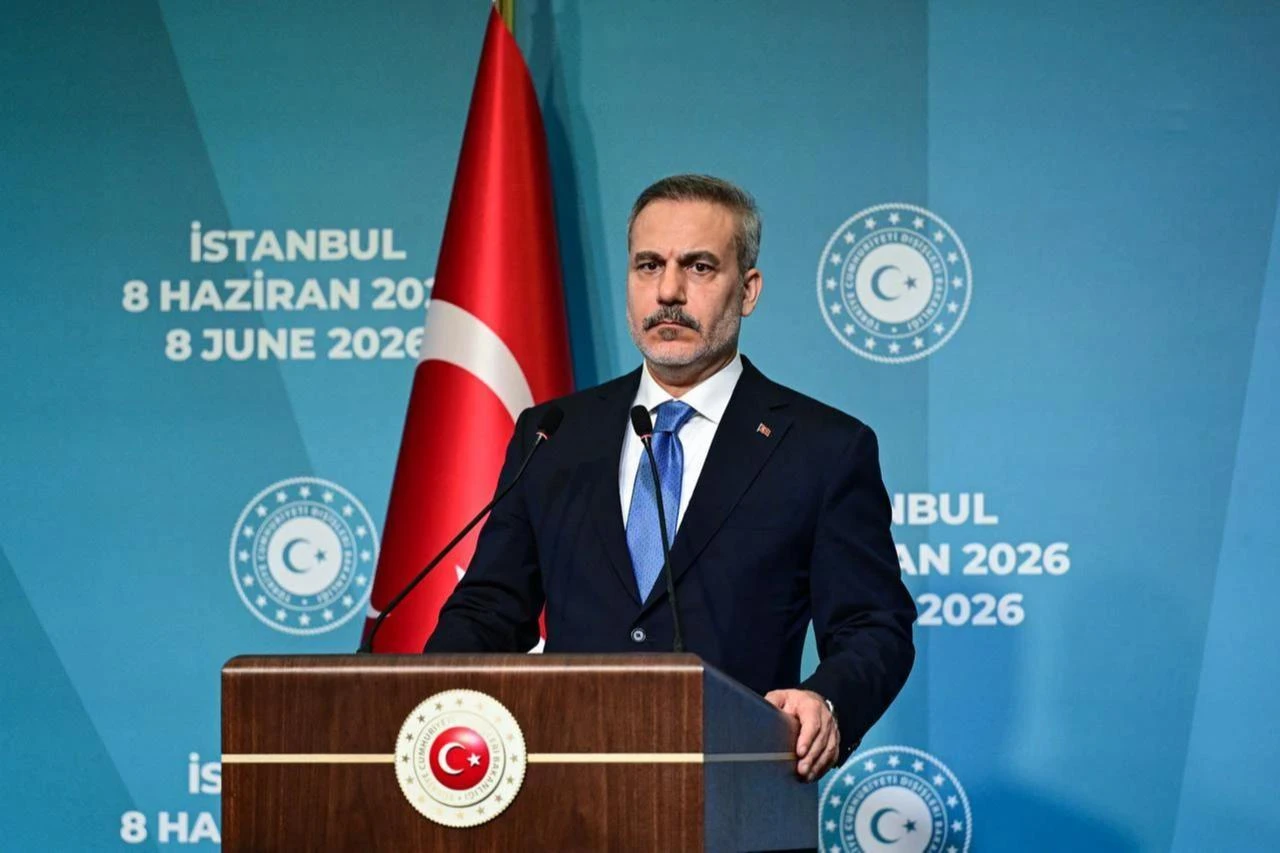


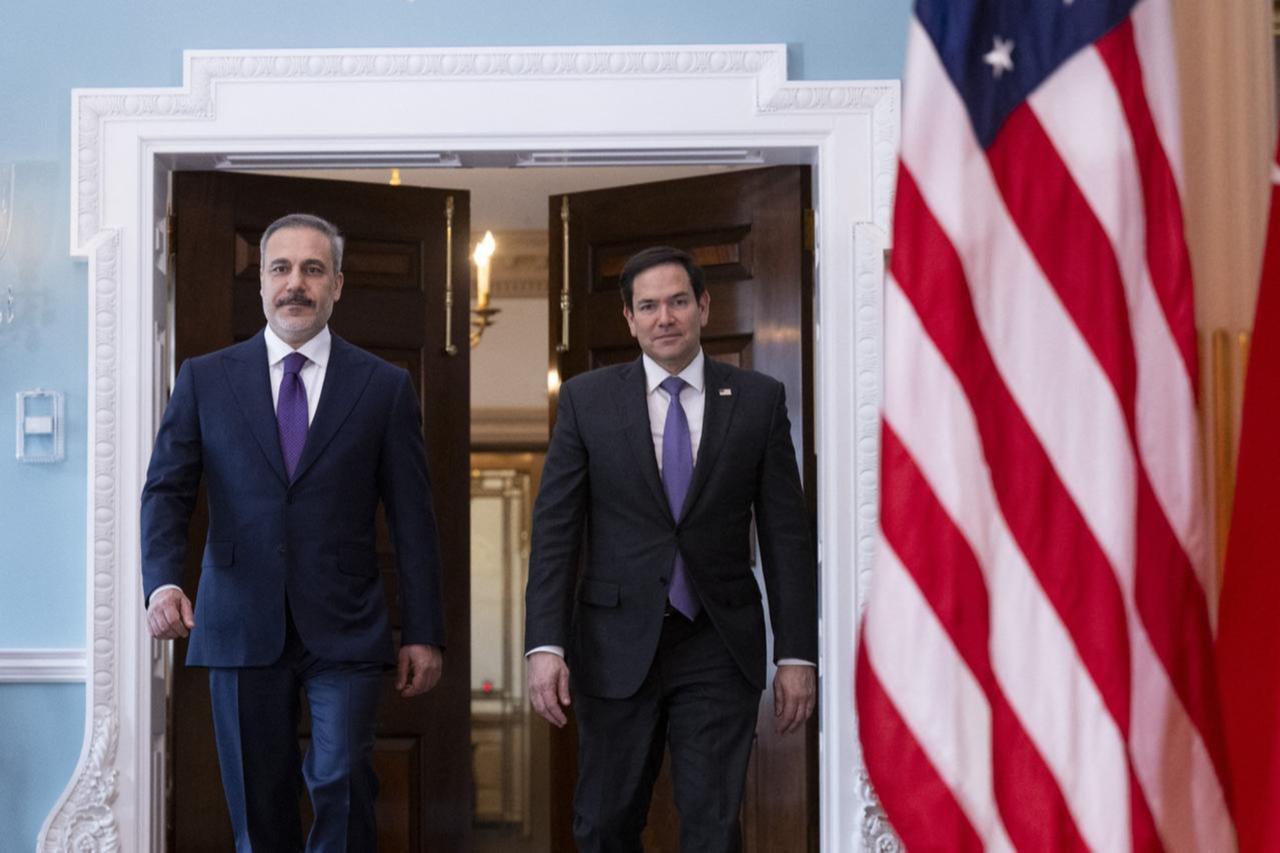
Turkish Foreign Minister Hakan Fidan said Thursday that U.S. sanctions on Türkiye under the Countering America's Adversaries Through Sanctions Act can be lifted, declaring that political will from both sides is already in place and that technical steps are now underway.
Speaking live on CNN Turk, Fidan said the decision to remove the CAATSA sanctions, imposed after Türkiye acquired Russia's S-400 missile defense system, has effectively already been made.
"Both leaders and both countries want this lifted," he said, adding that the practical steps required of the American side and of Türkiye are currently being carried out. "The announcement has already been given," he said.
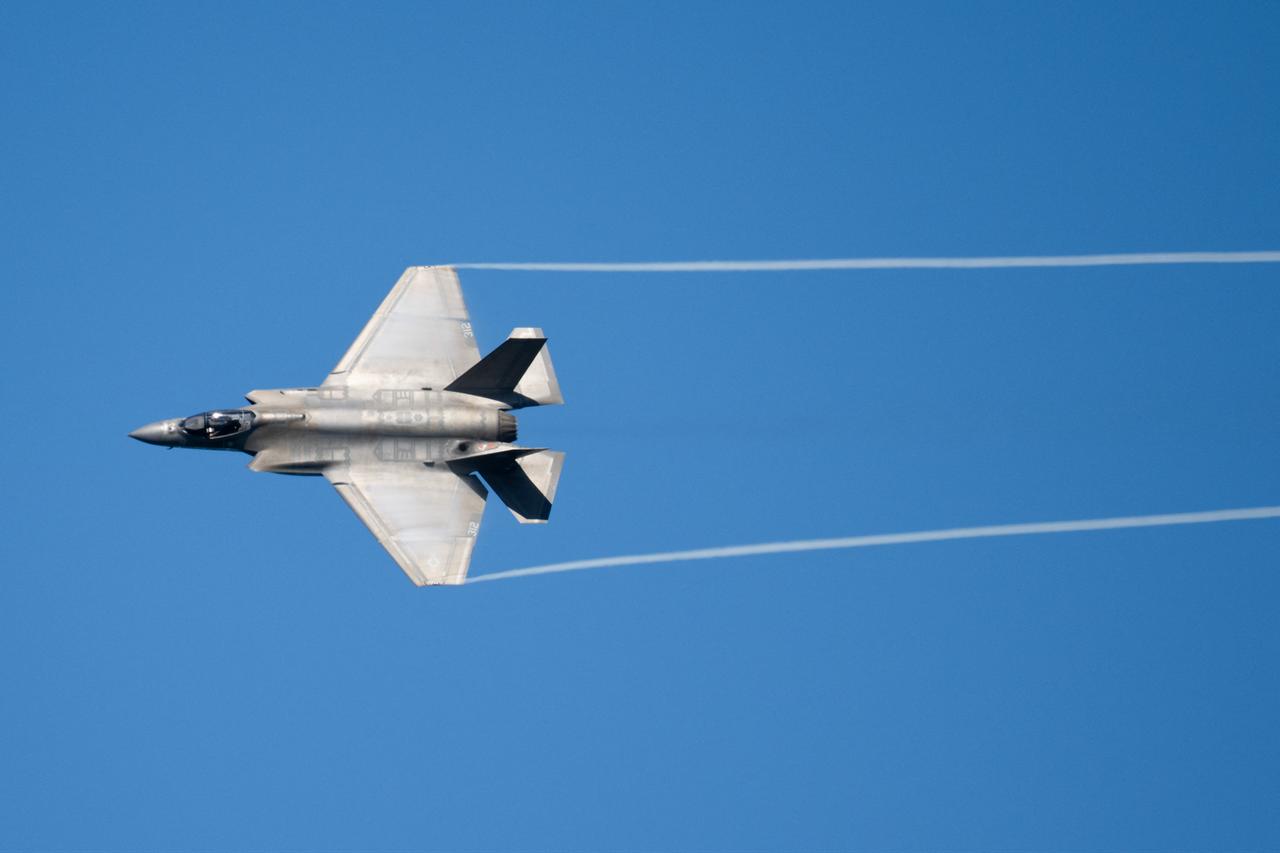
CAATSA, enacted by the U.S. Congress in 2017, allows Washington to penalize countries that conduct significant transactions with Russia's defense sector. Türkiye was sanctioned in 2020 following its purchase of the S-400 system, a move that also triggered its removal from the F-35 joint strike fighter program.
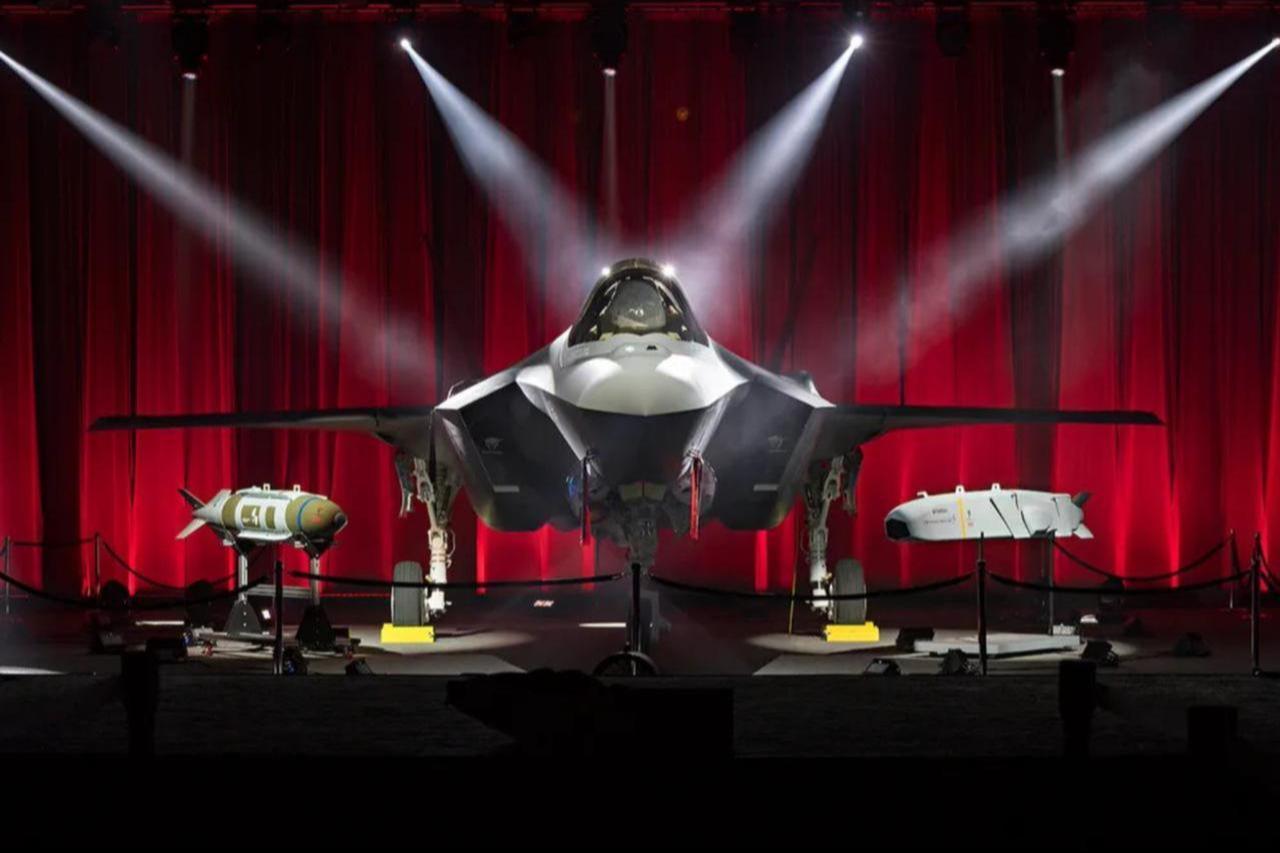

Fidan drew a distinction between different stages of Türkiye's potential reintegration into the F-35 program. He said the lifting of the sales ban on the aircraft is a separate and more straightforward matter than returning to the program as a manufacturing partner. "The sales ban being lifted is, I think, the easier issue practically. It is an administrative decision. After CAATSA, I think this will happen," he said.
Returning to the production partnership, he noted, is a distinct and more complex question.
Fidan said U.S. President Donald Trump had not intended to attend the NATO summit being hosted in Türkiye, and that it was President Recep Tayyip Erdogan's personal outreach that changed his mind.
"If President Erdogan had not called, he had no such intention," Fidan said, adding that Erdogan himself has publicly stated as much. He described Erdogan's global leadership vision and the network of trust he has built as central to Türkiye's current standing.
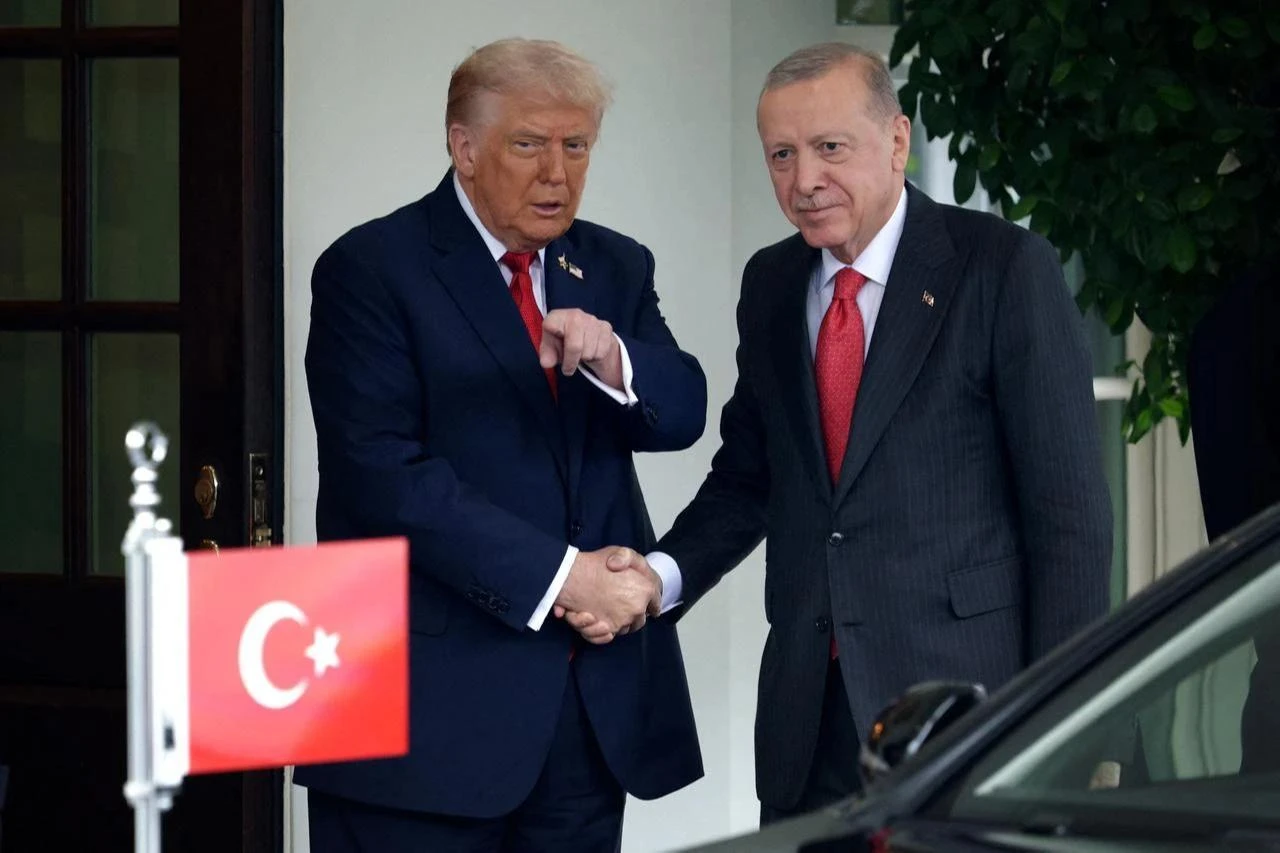
Fidan called the summit the largest in NATO's history, citing the convergence of multiple major crises, including Russia's war in Ukraine, a shifting U.S. role in transatlantic affairs, and rising European anxiety about its own security.
"Europe has not felt itself under such a great threat since the Second World War," he said, noting that both Russia's aggression and America's recalibration of its global role are creating simultaneous pressure on the alliance.
He said Erdogan had received detailed briefings from the foreign minister, the defense minister, the communications director, the head of defense industries, and others, and had set out the framework for how Türkiye will approach the summit.
He noted that Türkiye will hold bilateral meetings not only with the United States but also with the United Kingdom, Germany, France, Italy, and other delegations, many of which have requested meetings with Erdogan.
Fidan also addressed Israel directly, saying Tel Aviv is actively searching for new enemies in order to rehabilitate its international image following what he described as widespread global condemnation.
"Israel is trying to create an enemy for itself," he said, adding that Türkiye has no reason to step back from any actor. He said Israel is not only Türkiye's problem but a problem for the entire world, and that its current policies and mindset represent "a burden that humanity can no longer carry."
On the broader U.S.-Türkiye relationship, Fidan said the most significant source of bilateral friction, Washington's support for the YPG in Syria, which Ankara considers a terrorist organization linked to the PKK, was formally abandoned during Trump's second term.
He said Türkiye and the United States also share strategic alignment on ending the war in Ukraine and on stabilizing Syria.


 Set as preferred source
 Set as preferred source


 1 min read
 1 min read