Newsletters


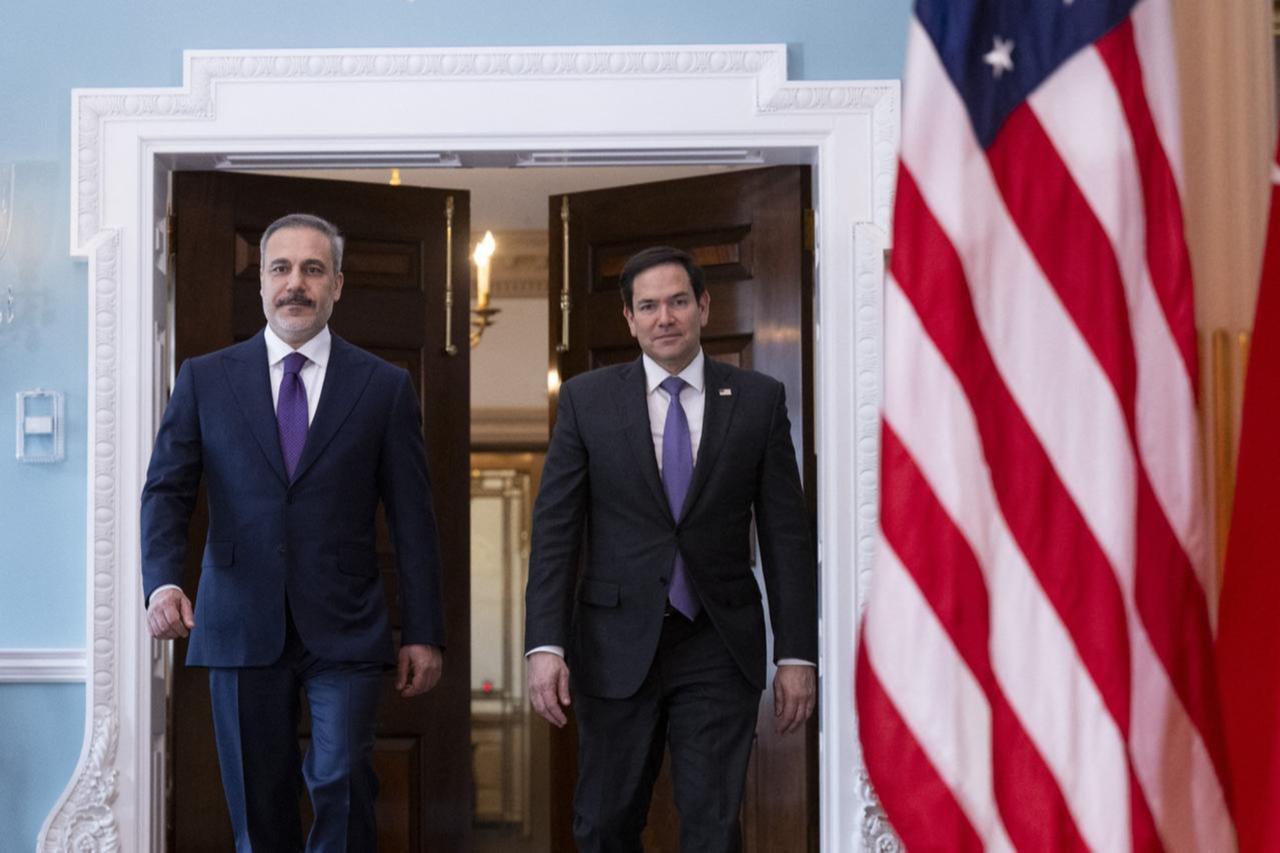


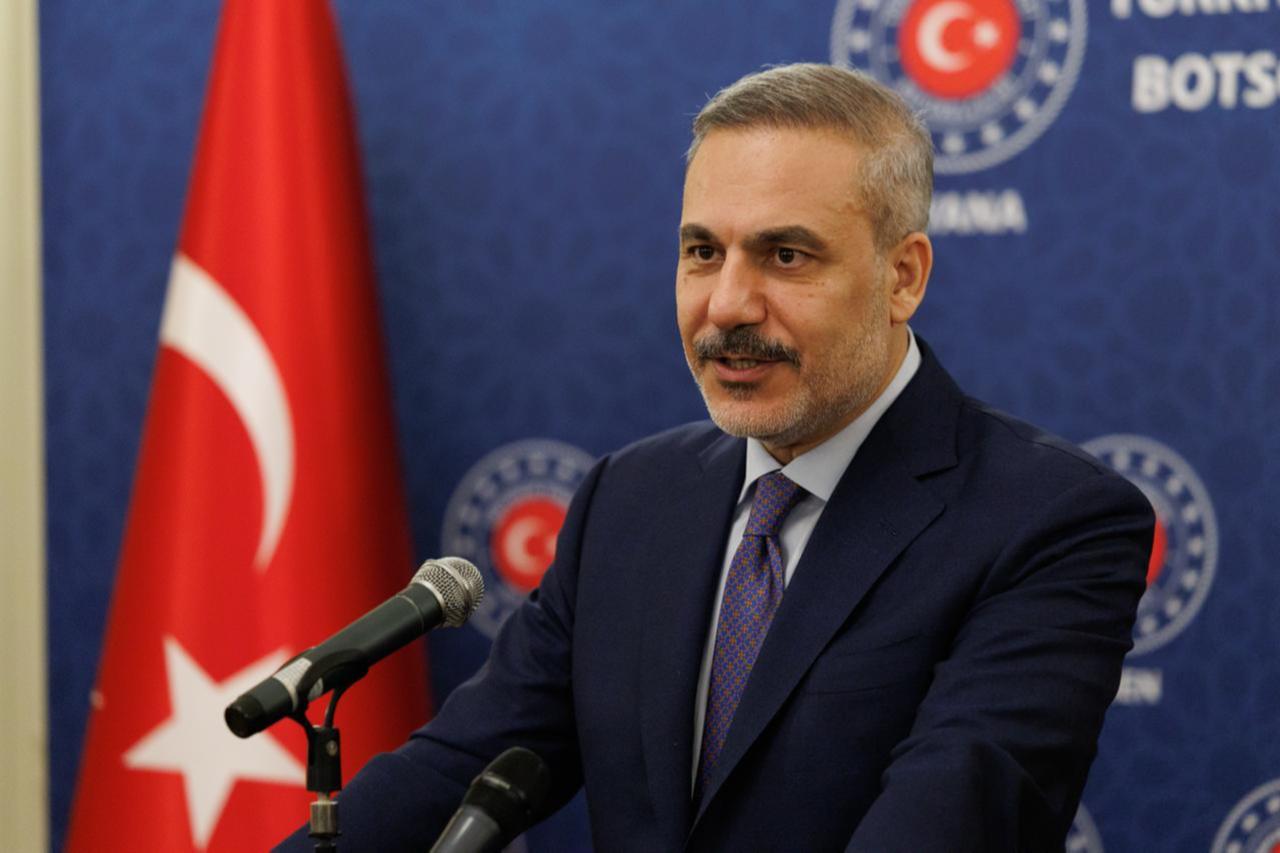
Turkish Foreign Minister Hakan Fidan said Saturday that he expects the United States to remove sanctions imposed on Ankara over its purchase of Russian defense systems "very soon," signaling potential progress in resolving one of the most contentious issues between the NATO allies.
Speaking to Reuters on the sidelines of the Doha Forum, Fidan said the two countries have begun working on the issue and expressed confidence that a resolution is near. The sanctions, imposed in 2020 under the Countering America's Adversaries Through Sanctions Act, have strained relations between Washington and Ankara for nearly five years.
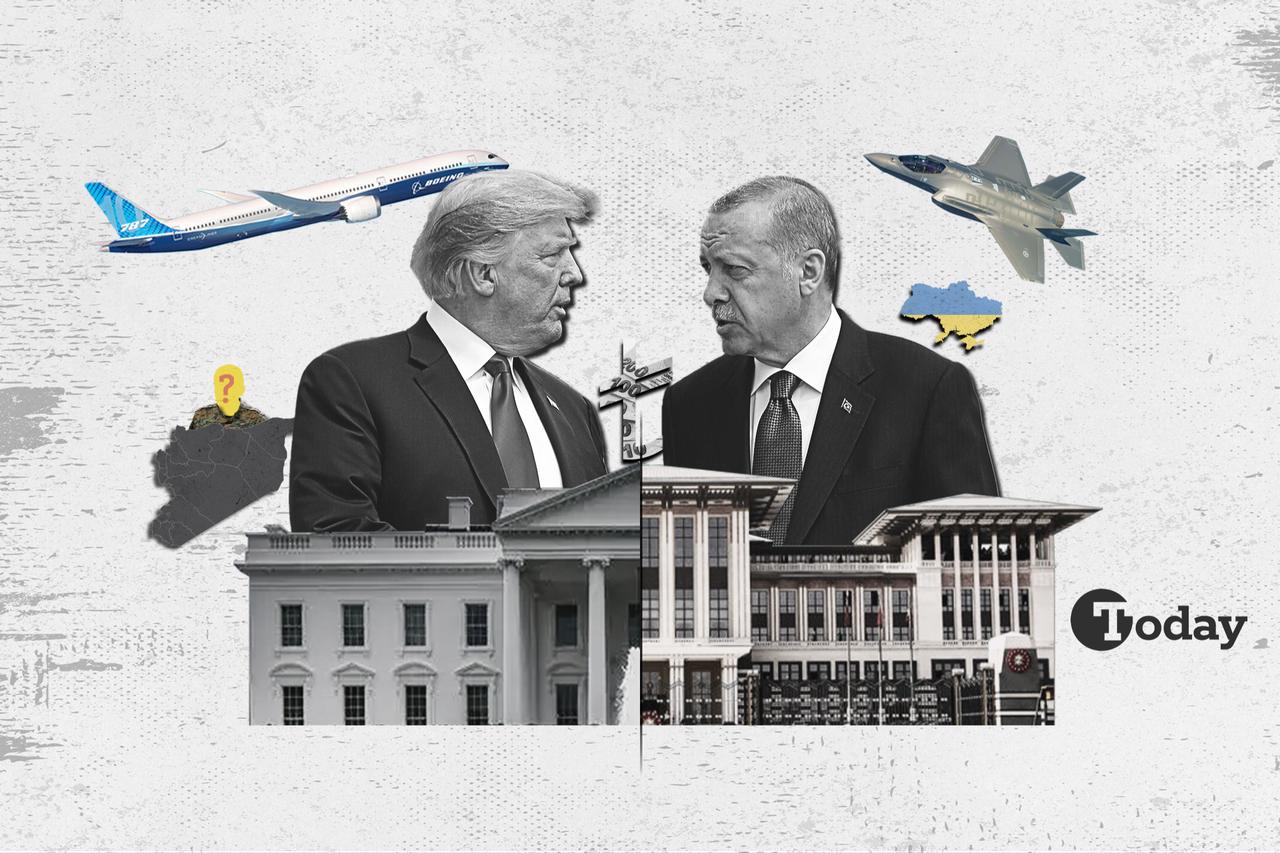
Türkiye has consistently called the punitive measures unjust and has voiced hope that the matter could be resolved during President Donald Trump's second term in office.
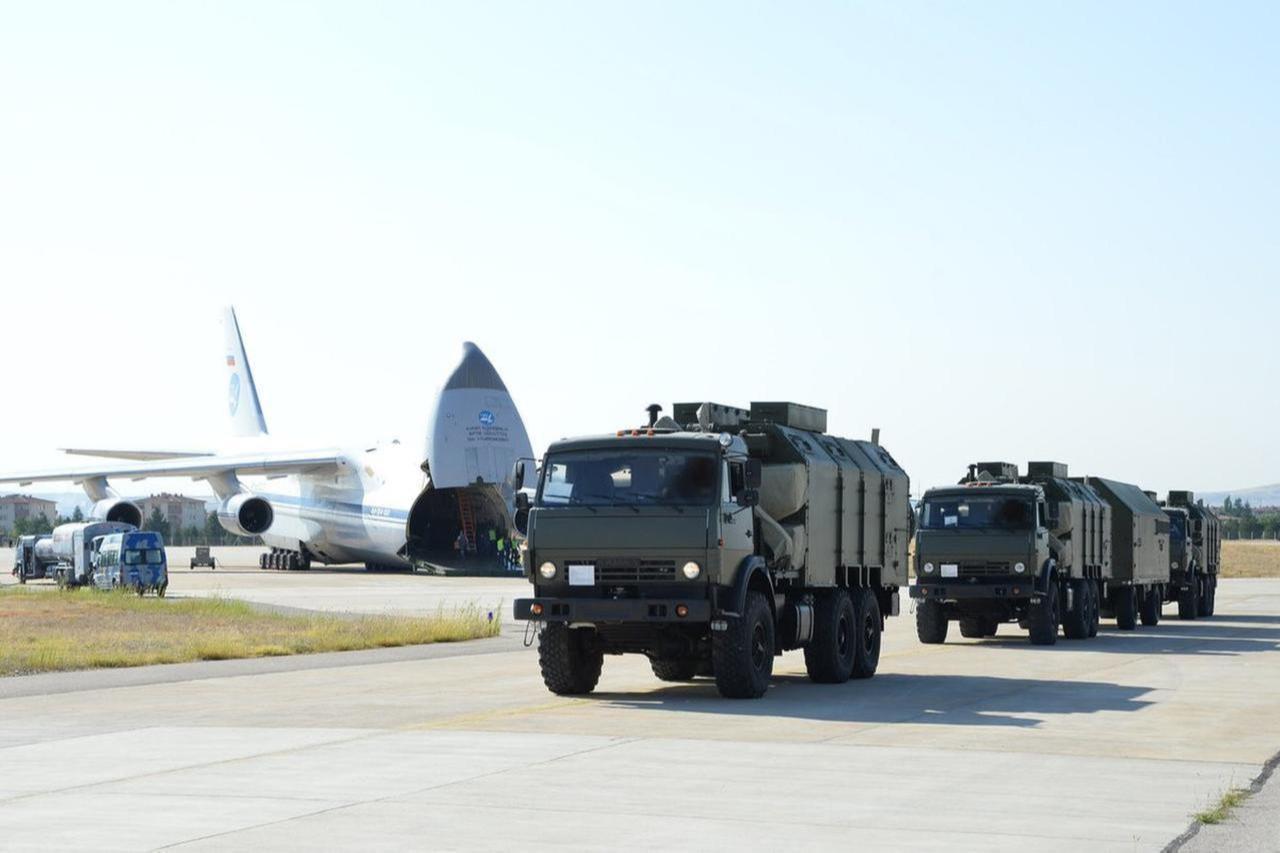

The sanctions were imposed in December 2020 after Türkiye proceeded with the acquisition of Russia's S-400 surface-to-air missile system despite repeated warnings from Washington. Then-Secretary of State Michael Pompeo announced the measures would target Türkiye's Presidency of Defense Industries, known as SSB, for engaging in a significant transaction with Rosoboronexport, Russia's main arms export entity.
The penalties included a ban on all U.S. export licenses and authorizations to SSB, as well as asset freezes and visa restrictions on Dr. Ismail Demir, the agency's president, and other SSB officers. In his 2020 statement, Pompeo said the S-400 purchase would "endanger the security of U.S. military technology and personnel and provide substantial funds to Russia's defense sector."
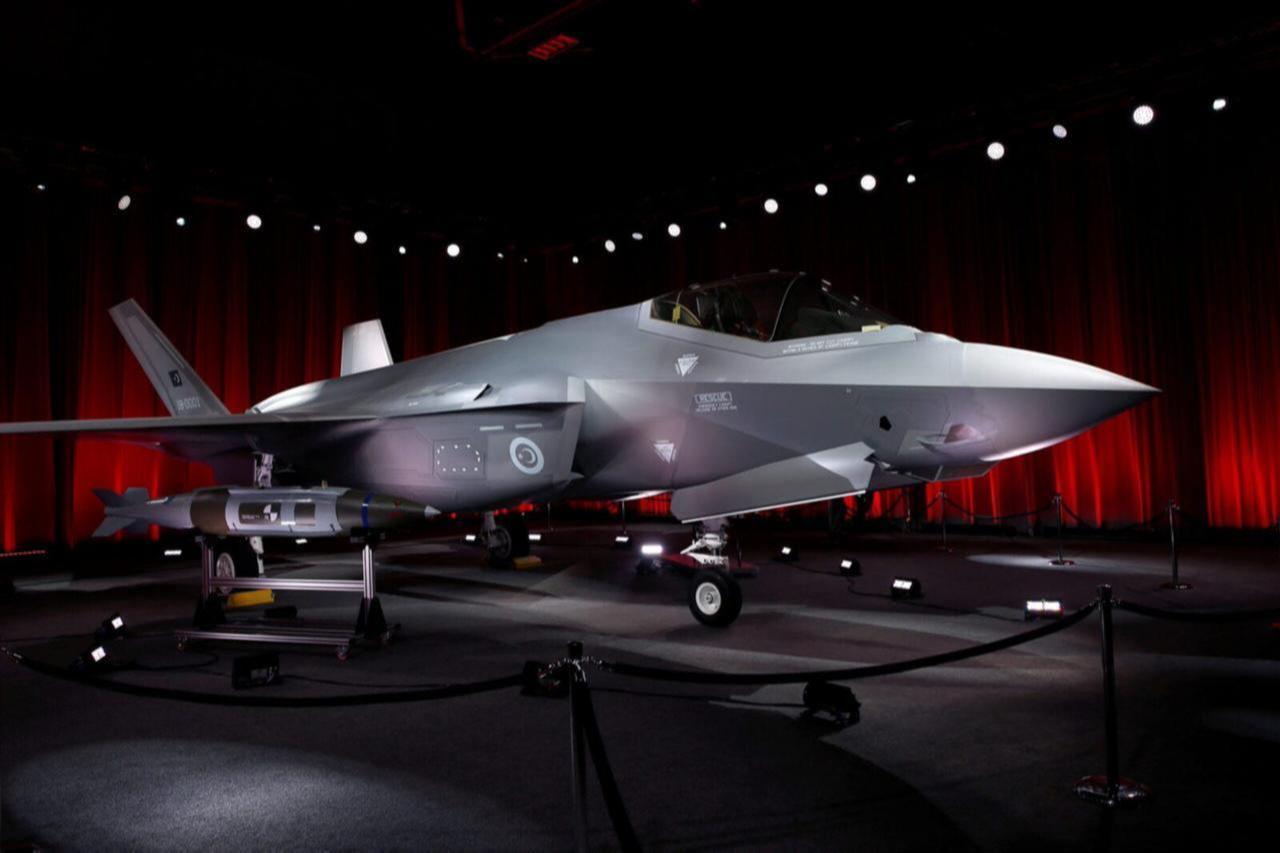
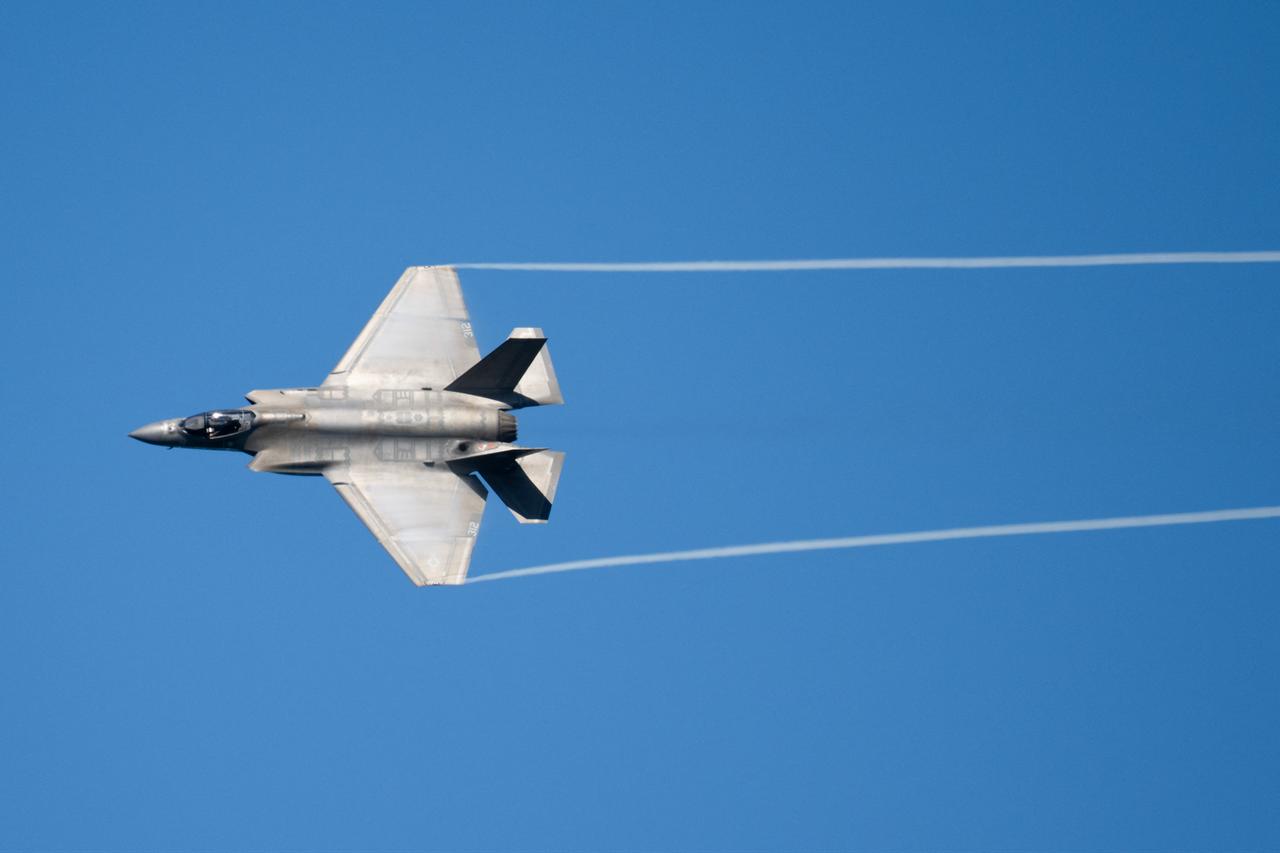
Beyond the direct sanctions, Washington removed Ankara from the F-35 Joint Strike Fighter program, a move that dealt a significant blow to Türkiye's defense industry ambitions. The F-35 is a fifth-generation stealth fighter aircraft developed by a multinational consortium, and Türkiye had been both a buyer and a manufacturing partner in the program.
U.S. officials argued that allowing Türkiye to operate both the F-35 and the Russian-made S-400 system posed unacceptable security risks, as the S-400's radar systems could potentially be used to gather intelligence on the advanced fighter's capabilities. Pompeo noted in 2020 that NATO-interoperable alternatives were available to meet Türkiye's defense requirements.
Fidan's comments suggest renewed momentum in resolving the dispute, though he provided no specific details about what form a resolution might take or what commitments either side might be making. The S-400 missile batteries have been delivered to Türkiye but their operational status has been a subject of ongoing diplomatic discussion.
During the same interview, Fidan also addressed international mediation efforts on the Ukraine war, describing Washington's initial 28-point plan as a "starting point" that is evolving into a new format. He said U.S. officials were "on the right path" in their mediation techniques and reiterated Türkiye's readiness to host peace talks between Russia and Ukraine.


 Set as preferred source
 Set as preferred source


 1 min read
 1 min read