Newsletters


A claim that meat from a former racehorse ended up in food served at a soup kitchen run by the Mersin Metropolitan Municipality has stirred public debate in Türkiye after DNA testing reportedly identified the animal as Smart Latch, a mare that had raced at Adana Yesiloba Hippodrome and recorded three wins.
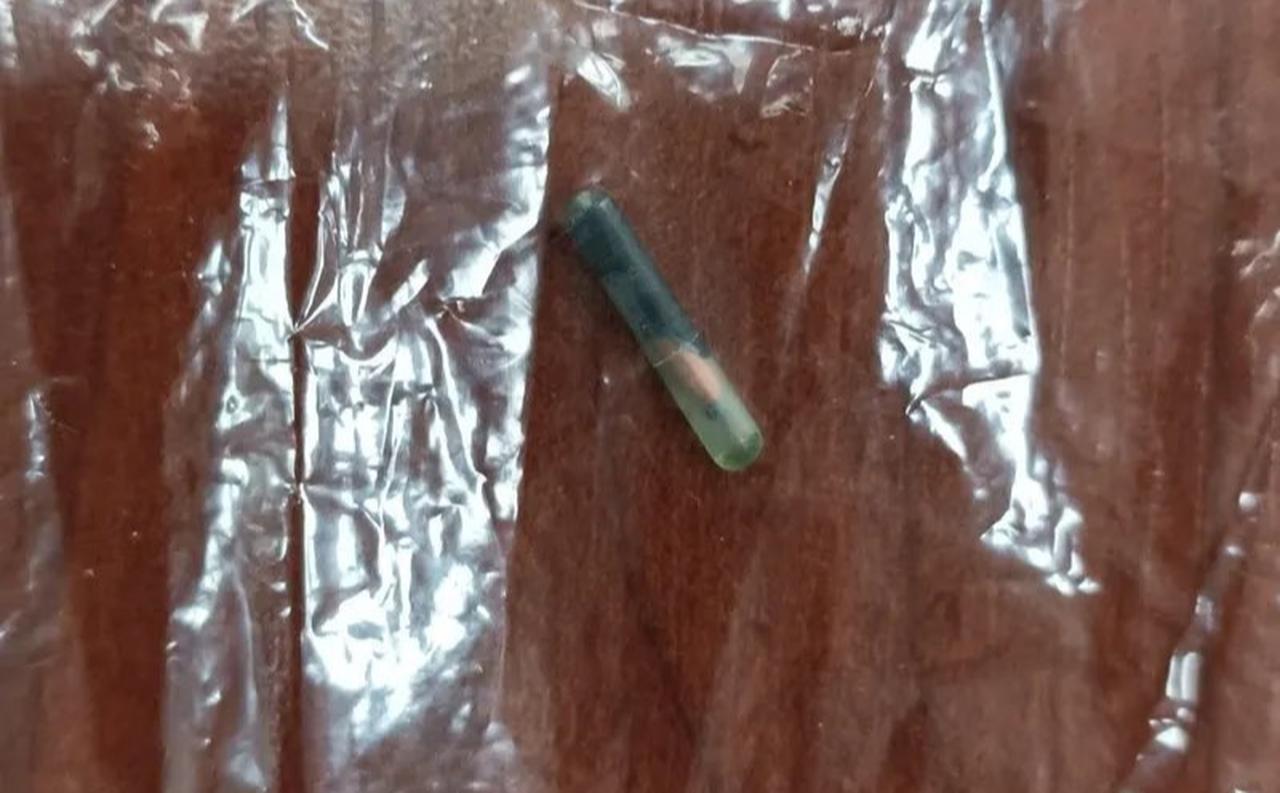
According to the account cited in the report, the case came to light after a person eating at the soup kitchen found a foreign object in a serving of kavurma, a traditional Turkish meat dish made by slow-cooking or preserving meat.
Officials from the General Directorate of Food and Control, which operates under the Ministry of Agriculture and Forestry, reportedly determined that the object was an electronic identity chip belonging to Smart Latch, a 4-year-old English thoroughbred mare.


A sample of the food was then taken for analysis, and the report said DNA findings showed that the kavurma had been made from meat classified as a single-hoofed animal, such as a horse.
Suat Topcu, listed in records of the Turkish Jockey Club, or TJK, as the horse’s owner, said an official investigation had begun and described the outcome as devastating.
He said Smart Latch had been brought back to the farm after her racing career because the family planned to keep her for breeding, but veterinary checks showed that she was not suitable for that purpose because of a physical condition affecting her uterus.
After that, Topcu said, the family tried to place the horse in a new home rather than send her away for any harmful purpose. In recounting the case, he summed up his grief with the remark, "We were trying to do something good, but it led to something terrible."
He also said that people involved in racing do not treat horses as disposable animals and argued that no one at the hippodromes would knowingly harm one. To make that point, he said breeders usually try to place retired horses with suitable owners and added that he had previously given horses free of charge to institutions, including a university riding club, a vocational school, and a veterinary faculty.
Topcu said he was contacted around 15 to 20 days ago by the provincial agriculture directorate’s horse-breeding unit and was initially unable to believe what he was hearing. He said he gave an official statement and told authorities that he had sent the horse to a farm in Osmaniye, where adults and children ride horses as a hobby.
According to his account, he handed the horse over to a transporter he had worked with for years, and that transporter later provided the name of the person at the receiving farm. Topcu said he had urged officials to take the matter to court if necessary and said whoever was responsible should be found.
He also spoke about his personal bond with Smart Latch, saying he had cared for the horse from birth until she was sent to the racetrack, while his wife later took over her upbringing as part of their breeding work.
Archive footage shows Smart Latch competing in a race at Adana Yesiloba Hippodrome. (Video via Turkish Jockey Club)
As the investigation moves forward, Topcu said the case had also exposed what he sees as a wider structural problem in the handling of retired racehorses.
Drawing on his experience in both Türkiye and the United Kingdom, he said that in Britain, once a horse’s racing career is over, owners can hand the animal over to the racing authority for a fee and receive documentation, after which the horse is placed through what he described as a safer and more reliable process.
He said that in Türkiye, a similar route had existed in the past, when TJK accepted retired racehorses as donations and handled their placement. That system, he said, has no longer been available for roughly the last decade, leaving owners to work things out on their own.
Topcu said his biggest mistake was giving the horse away without completing a formal sale or transfer. He said the registered owner’s name remains visible in the pedigree system and suggested that stronger oversight is needed so that retired horses cannot be diverted for improper use.

The case has drawn attention not only because of the allegation involving a municipal soup kitchen but also because it has raised concerns about traceability, animal welfare, and the supervision of retired racehorses after they leave competition.
While the municipality has said its meat procurement followed the rules, the owner has said he wants the person responsible to be identified, arguing that someone capable of harming an animal in that way poses a serious concern. For now, the matter remains under official investigation.


 Set as preferred source
 Set as preferred source



 6 min read