Newsletters


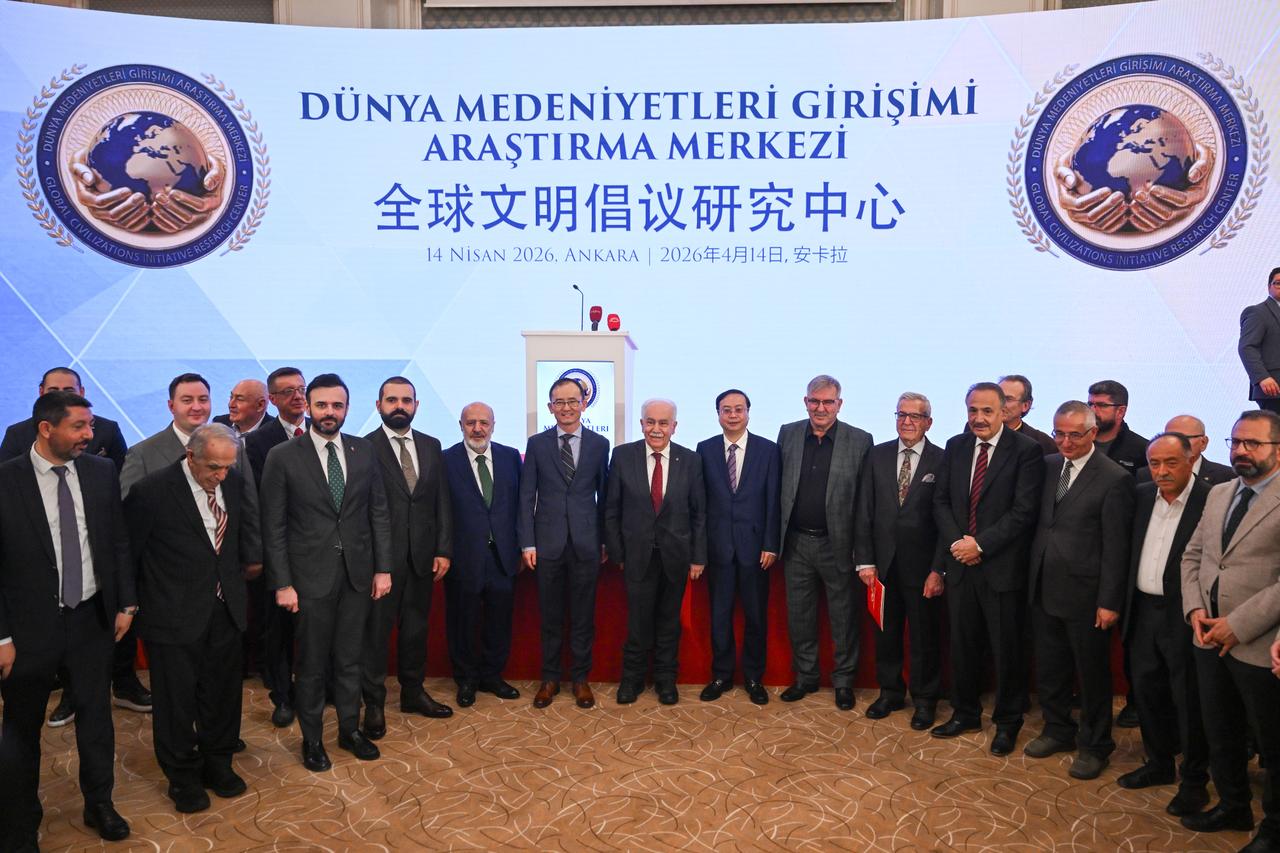


The Global Civilization Initiative Research Center was inaugurated in Ankara, with the Chinese Communist Party International Relations Department Director Jin Xin attending alongside Vatan Party leader Dogu Perincek.
The Chinese Embassy in Türkiye welcomed the opening on X, citing President Xi's words to frame the initiative as a shared civilizational project.
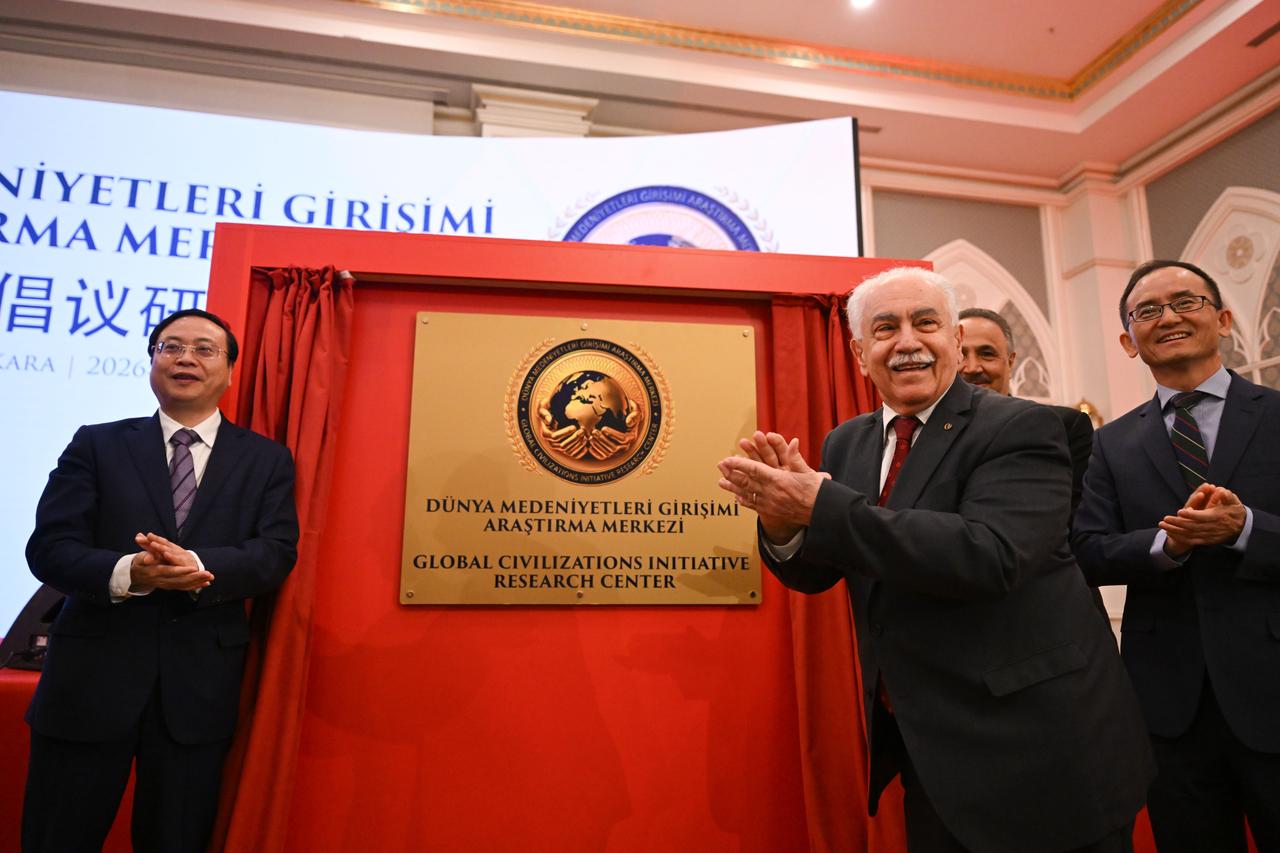

The Chinese Embassy in Türkiye posted its congratulations on X.
"We warmly welcome the establishment of the Global Civilization Initiative Research Center in Ankara! As Chinese President Xi Jinping has observed, a single flower does not make spring," the embassy noted.
China and Türkiye, both home to great civilizations that transcend time and space, will continue to learn from one another, helping make the garden of world civilizations even more vibrant. Wish the Center all the best!" the embassy wrote.
Jin Xin, general director of the CCP International Relations Department Office, said he was pleased to attend both the 55th anniversary of Türkiye-China diplomatic relations and the opening of the center.
He noted that Türkiye had historically served as a crucial bridge between Eastern and Western civilizations at the crossroads of land and sea Silk Roads.
"Today, China's Belt and Road Initiative and Türkiye's Middle Corridor plan are being aligned. The ancient Silk Road is being revived through the joint efforts of both peoples," Jin said.
He described the shared vision by saying, "China and Türkiye, as rising economies and important members of the Global South, share common goals such as national revival, peaceful development, justice and inter-civilizational dialogue."
"The research center is expected to deepen the exchange of ideas, promote the advancement of civilization, and contribute knowledge and intellectual input to the modernization processes of Türkiye and China," Jin noted.
He said the center should combine historical heritage with contemporary needs, noting, "Drawing on the historical accumulation of both countries, work should be done to bring traditional values together with today's needs and contribute to modernization processes."


 Set as preferred source
 Set as preferred source



 2 min read