Newsletters


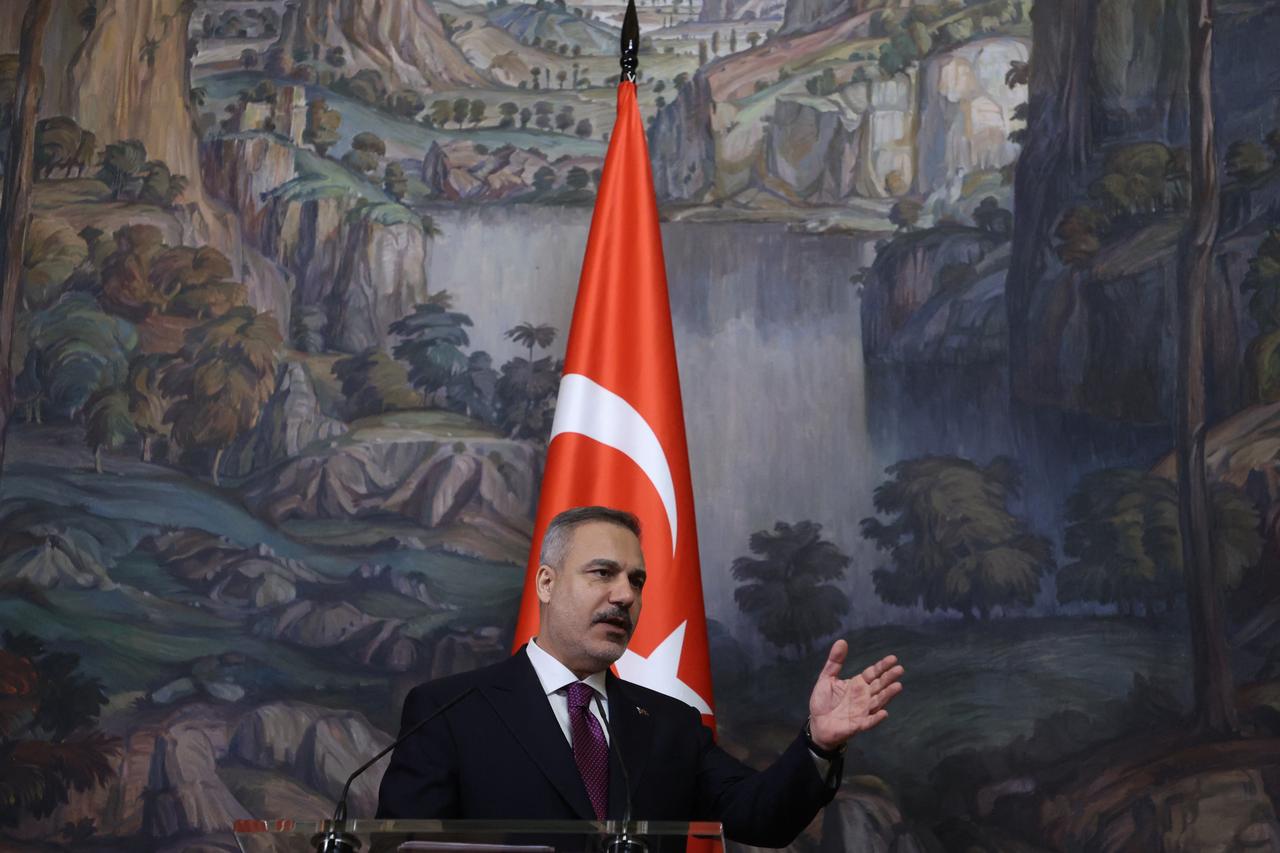


Turkish Foreign Minister Hakan Fidan delivered a sharp statement on Israel's regional conduct, framing what he described as "a growing international consensus in terms that went beyond standard diplomatic formulations."
"Israel's behavior in the region is not the problem of just a few countries; it is the problem of the whole world, and the whole world knows this," Fidan said at a joint press conference alongside Russian Foreign Minister Sergey Lavrov in Moscow on Tuesday.
"For the first time, a consensus is forming across the whole world toward the dissolution of the illusion that Israel has created. This consensus needs to be transformed into a unity of action by putting in place the necessary diplomatic methods," he added.
The minister called for global diplomatic unity against Israel's regional conduct and warned against Israeli sabotage of the Iran-U.S. deal.
He also urged de-escalation in Ukraine and reaffirmed Türkiye's readiness to host the next round of Russia-Ukraine talks.
Fidan said the U.S.-Iran Memorandum of Understanding (MoU) represented "an extremely valuable diplomatic milestone for breaking the cycle of conflict in the region" and expressed hope that it would develop into "a structural and permanent security architecture rather than a temporary calm."
He warned that in the sensitive period before the final signatures were exchanged, "statements and possible Israeli sabotage attempts aimed at derailing the process must absolutely be avoided."
He credited Pakistan's mediation, Qatar's and Saudi Arabia's diplomatic support, and the political will of both the U.S. and Iranian leadership for producing the agreement and said Türkiye had worked "at an incredible pace from the very beginning" under President Recep Tayyip Erdogan's leadership.
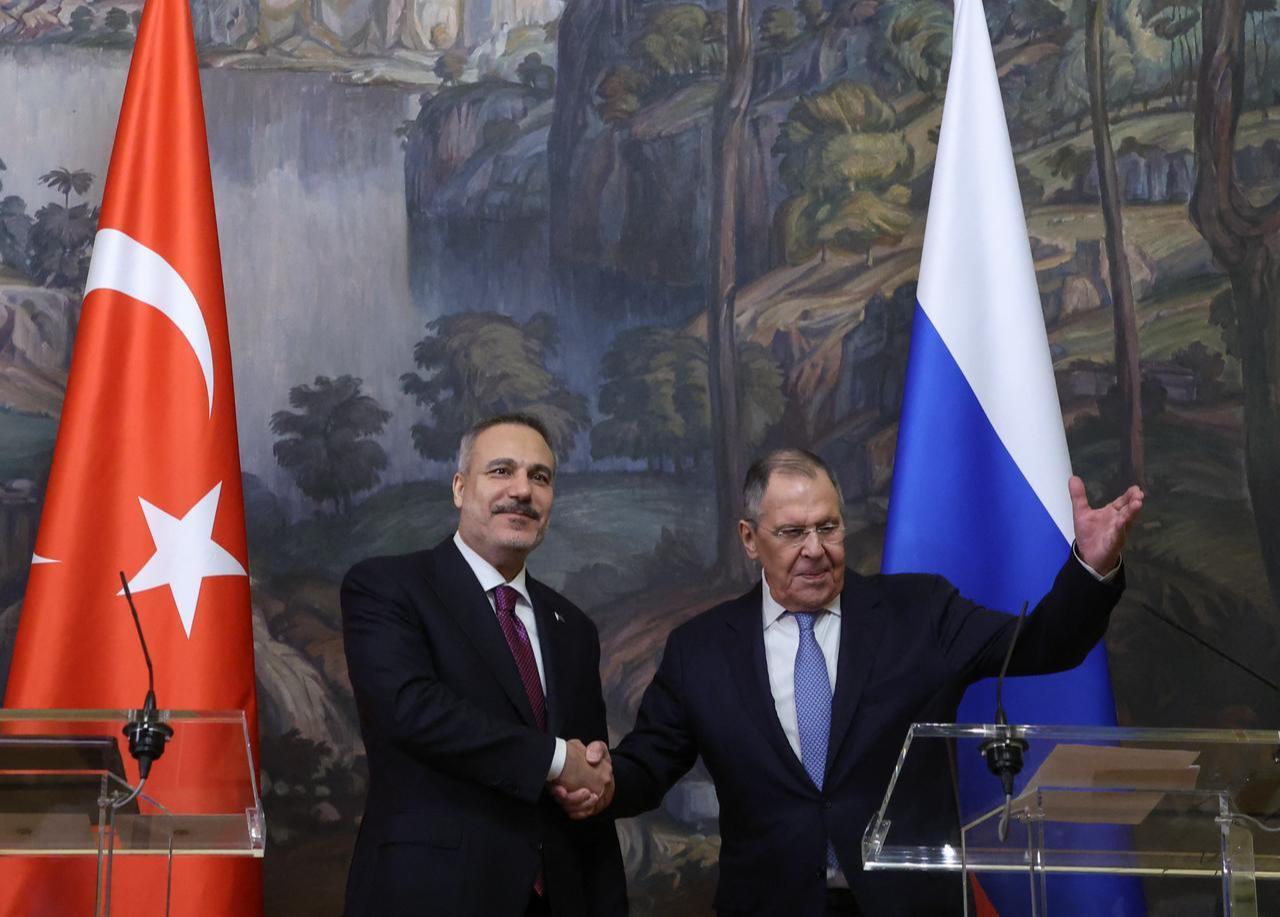

The minister also argued that genuine collective pressure is the only effective deterrent.
"Countries need to be sincere, call wrongs wrong, come together, and give the necessary response when a wrong step is taken. When that happens, Israel will not take that step," he said, contrasting that approach with what he described as bilateral arrangements that allowed Israel to benefit from selective protection.
"When countries behave sincerely and collectively, Israel will not be able to continue the destabilizing game it is trying to set up in the region," the Turkish top diplomat noted.
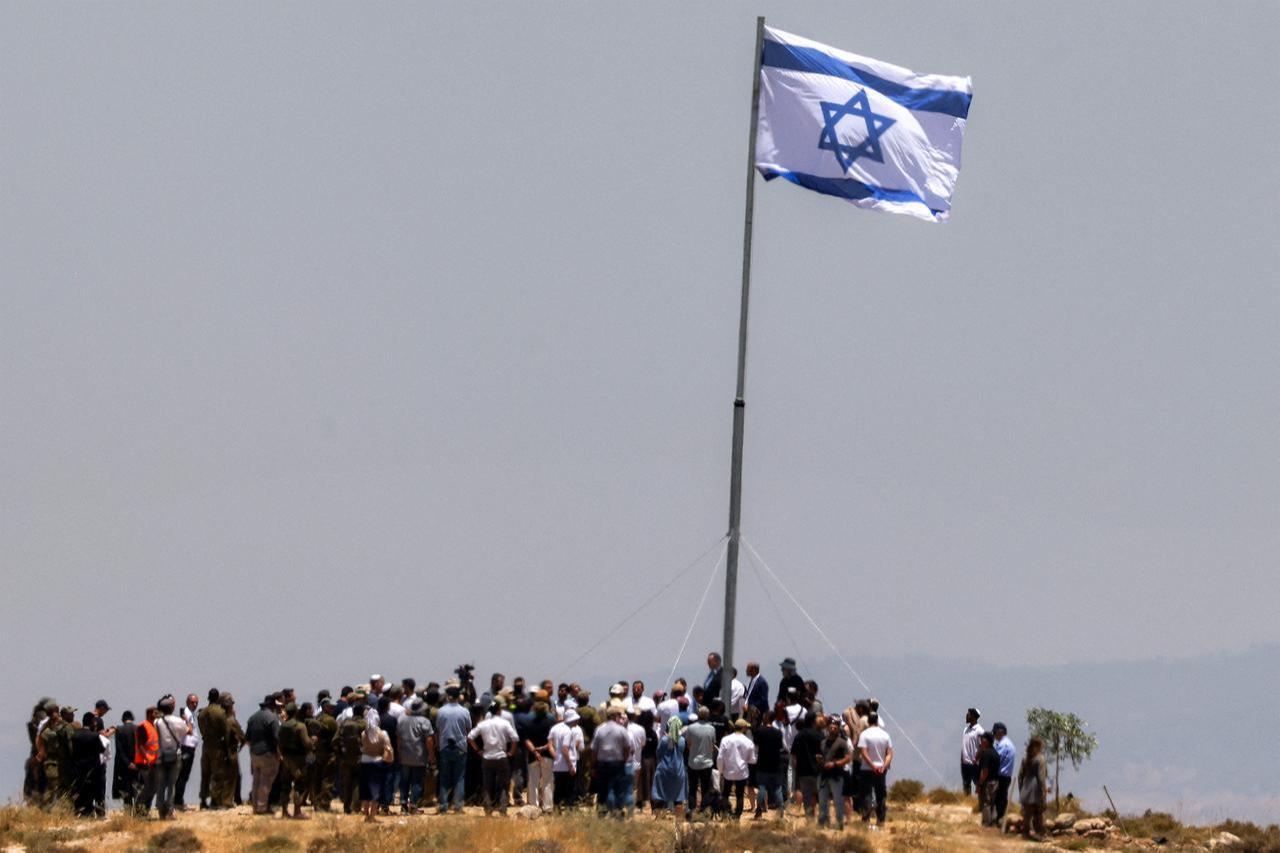
Fidan said Israel's attacks on and occupation of Lebanese and Syrian territory were "a continuation of the project to weaken these countries and destabilize the region" and called for approaches that "strengthen the possibilities for solutions rather than expanding the areas of conflict."
He also said Hormuz's pre-war status must be fully restored.
"The Strait of Hormuz being kept open to the safe, free and uninterrupted passage of all vessels, as it was before the war, is of vital importance not only for regional stability but also for global energy security and international trade," he added.
Fidan addressed the Russia-Ukraine war directly, expressing concern about its recent escalation trajectory, saying, "The recent escalation in the Ukraine war and the danger of its geographical expansion are a source of serious concern."
"In particular, the increase in attacks on targets behind the front lines and attacks threatening the safety of navigation in the Black Sea have effects that harm the interests of third parties. Certain de-escalatory measures are therefore necessary," the Turkish diplomat noted.
He told Lavrov that Türkiye expected steps to be taken to prevent incidents that could harm Türkiye's interests in the Black Sea and said the two sides exchanged views on how navigational safety in the region could be secured.
Ankara has protested to both Kyiv and Moscow in recent months over drone attacks on tankers near Türkiye's northern coast, including one striking a Turkish-owned vessel.
Fidan reiterated Türkiye's readiness to host the next round of Russia-Ukraine talks, stating, "Our fundamental priority is for Russia and Ukraine to return to the diplomatic table. If the sides agree, we are ready to also discuss how the negotiations can continue in a more result-oriented way."
He added that Türkiye opposed attacks on civilians and civilian infrastructure "regardless of the reason."
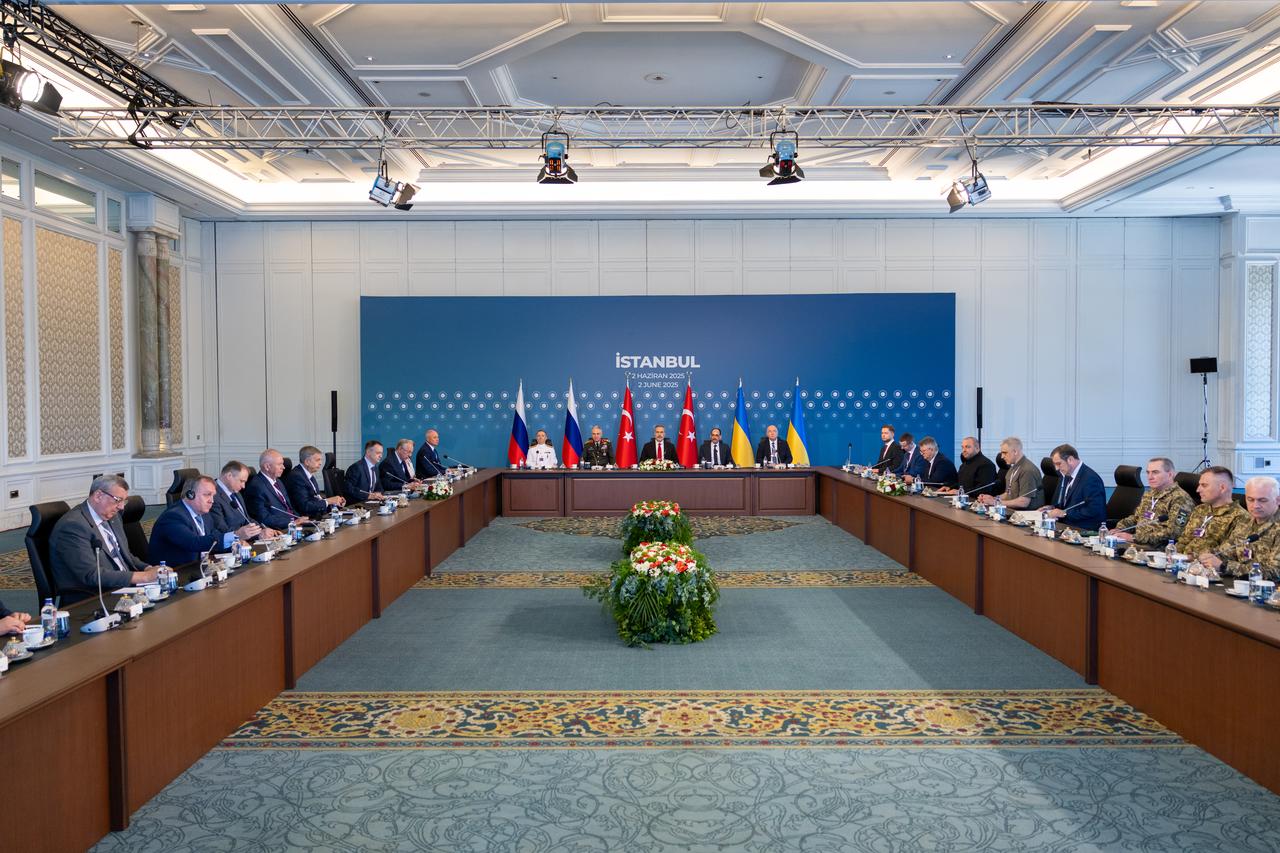
Fidan said Türkiye and Russia had discussed developments in the South Caucasus in detail and that progress in the Armenia-Azerbaijan peace and normalization process was a source of satisfaction.
He expressed support for the 3+3 regional cooperation platform as an important framework for managing South Caucasus affairs through dialogue among regional states and their close neighbors.
On Syria, Fidan described the stabilization process underway there as "a source of hope at a time when the world is being tested by numerous regional and global crises" and said Türkiye would continue working constructively with all parties committed to Syria's territorial integrity, security and economic development.
He closed by articulating what he described as Türkiye's overarching regional vision, noting, "This geography must no longer be an arena for external interventions and destructive geopolitical competition."
"Regional countries must, with common sense, moderation and a sense of responsibility, take ownership of their own futures. The conditions and the ground are suitable. All that is needed is a vision, courage and a little push and Türkiye is, Allah willing, capable of doing this," Fidan concluded.


 Set as preferred source
 Set as preferred source


 2 min read