Newsletters


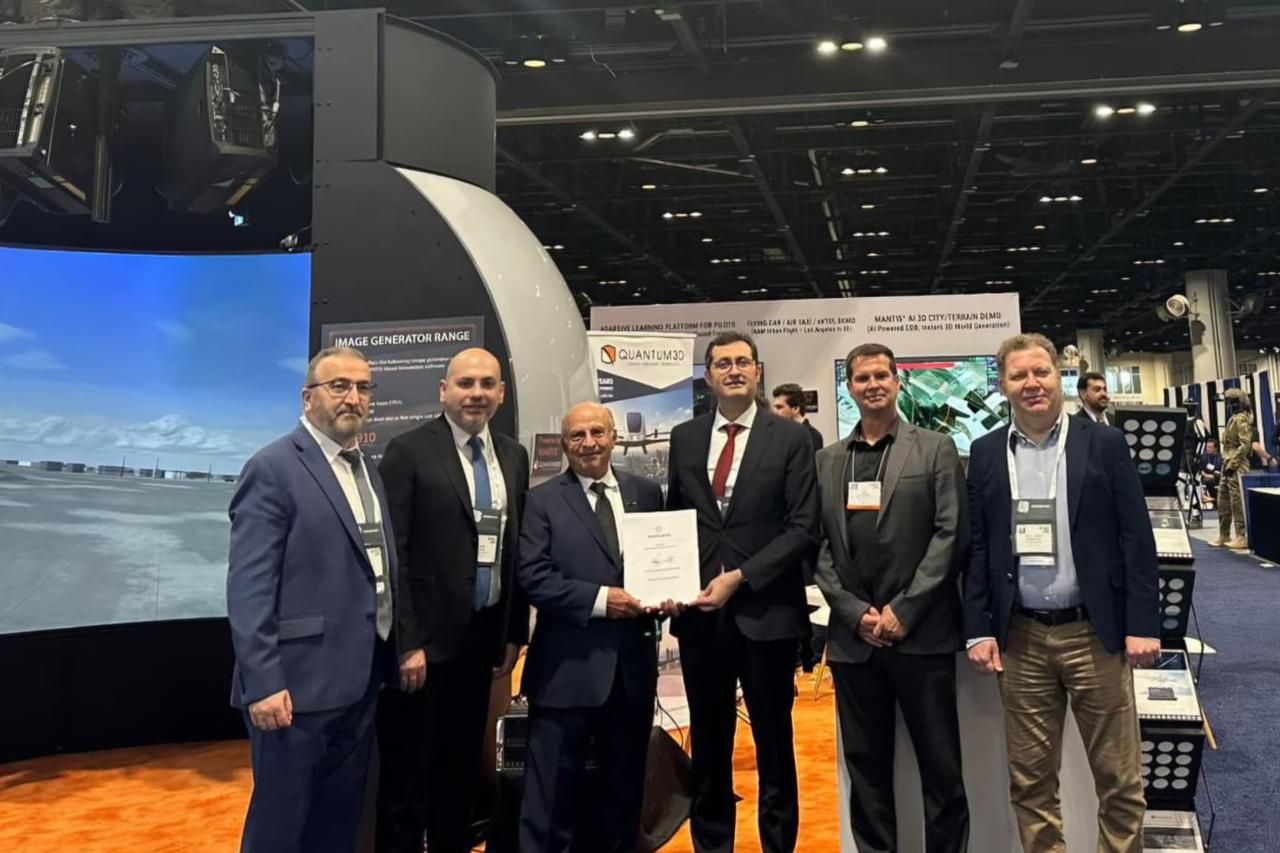


Türkiye's leading simulator manufacturer, Havelsan, signed a strategic partnership agreement with U.S.-based Advanced Rotorcraft Technology, Inc. (ART), one of the world's leading players in rotary-wing aircraft simulation and engineering analysis.
Under the agreement, the teams will work closely on rotorcraft analysis and simulation, particularly supporting the development of pilot training simulators.
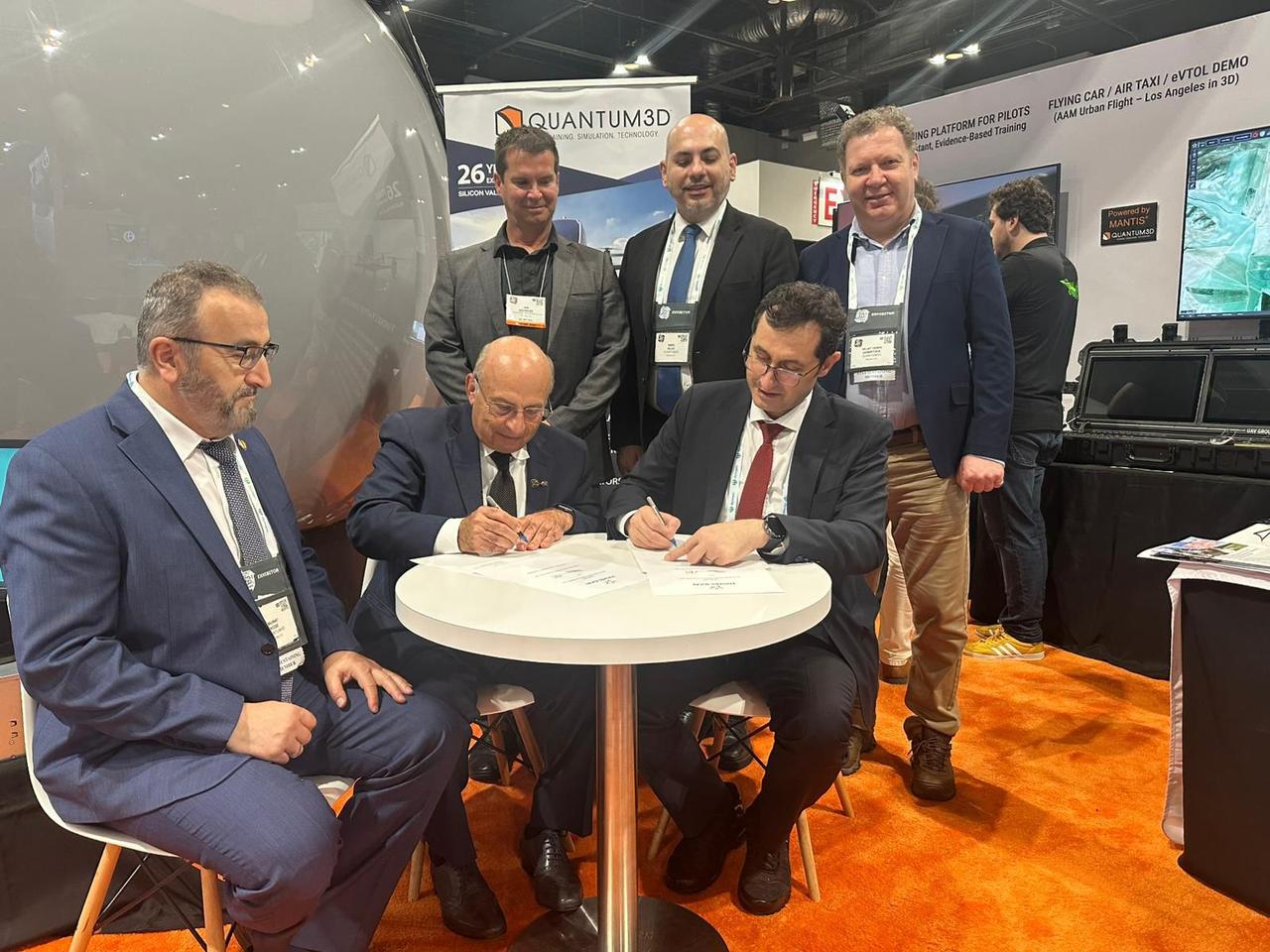

The combination of Havelsan's globally recognized simulator infrastructure and capabilities with ART's pioneering flight physics models will provide the most advanced simulation environment for training and analysis of various rotorcraft and VTOL (vertical takeoff and landing) configurations, the companies said.
Under the cooperation, high-accuracy rotorcraft flight dynamics and engine models will be integrated into Havelsan simulators.
The highest standards of realism and accuracy will be ensured in model validation. Cooperation will be conducted in simulator qualification and customer acceptance processes for simulator certification.
Due to ART's mathematically precise modeling of complex "rotor physics," the simulators produced by Havelsan will achieve the highest level of compatibility with real-world conditions. Havelsan offers simulator solutions across a wide range in both military and civil aviation. The company's product portfolio extends from basic training aircraft to the world's most complex fighter jets and passenger aircraft.
This partnership will add capabilities to Havelsan's portfolio, particularly in training simulators for foreign-origin platforms.
ART, based in California, operates as an established aviation company specializing in helicopters, unmanned aerial vehicles (UAVs) and eVTOL (electric vertical takeoff and landing) aircraft.
The company is among the world's pioneers in the design, flight dynamics and simulation of rotary-wing aircraft.
ART provides a digital environment that enables millimeter-precision predictions before the physical prototype production process — which can cost billions of dollars for aircraft or helicopter manufacturers.
The company enables pilots to train as if they were in a real aircraft through the software and models it develops for simulators. ART also develops advanced algorithms that analyze the complex airflows created by helicopter rotors and their effects on the fuselage.


 Set as preferred source
 Set as preferred source


 1 min read
 1 min read