Sign in
 Newsletters


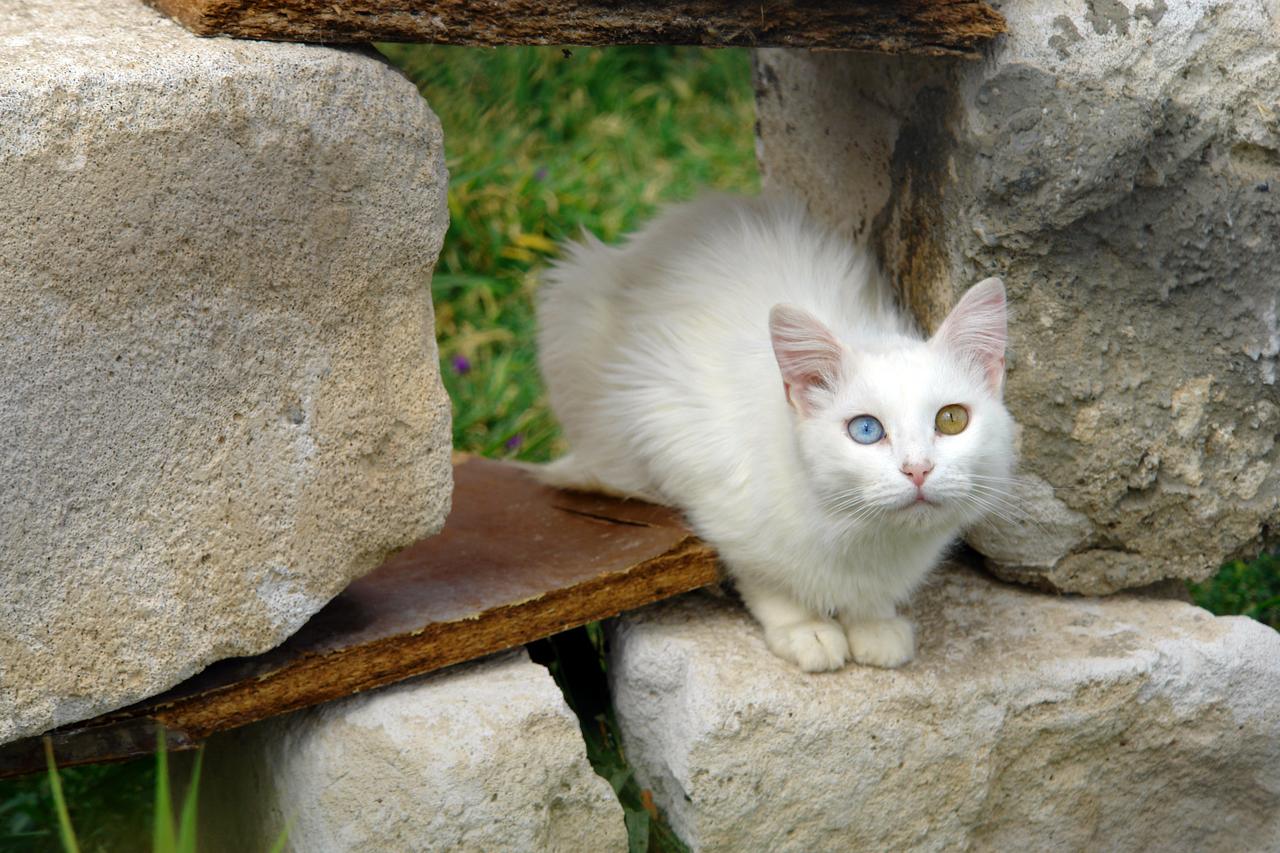


On a November afternoon, with snow-capped mountains surrounding the city of Van in eastern Türkiye, air conditioners at the Van Cat Research Center were running at full capacity to keep its silky, white-furred Van cats cool.
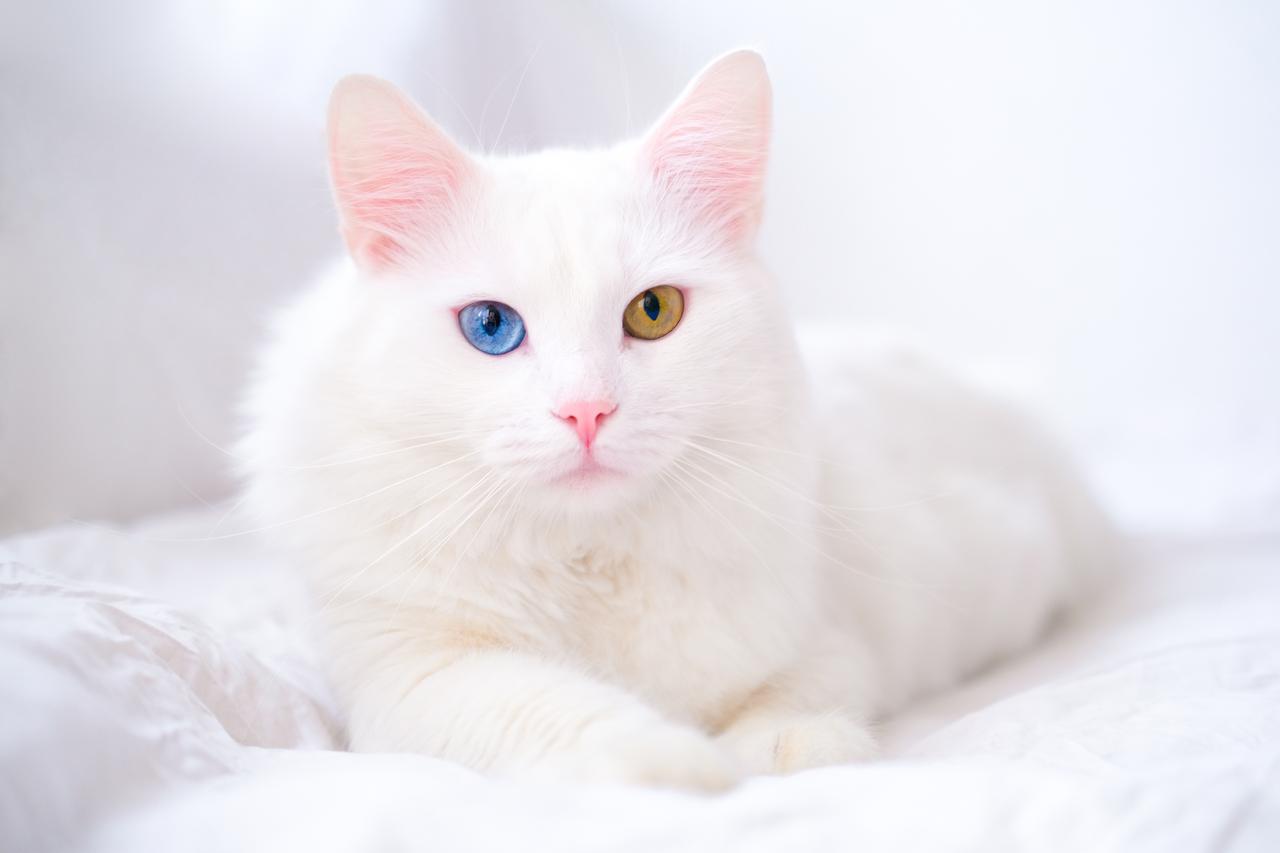
Known for their blue and amber eyes, Van cats are residents of the city they are named after. They appear in local legends, are honored with a giant statue on the city's main street and are under state protection.
Rising temperatures in eastern Türkiye are now affecting the animals, and the center's head says coping with heat has become a nearly year-round issue.

"We never used air conditioning here before. But because of rising temperatures, we eventually had to install it," said Dr. Abdullah Kaya, a veterinarian and biology professor who directs the center, which operates within Van Yuzuncu Yil University.
Kaya describes Van cats as "cold-climate animals." "The hot season used to be very short, but now it lasts much longer. We have observed changes in both the cats' skin and fur," he said.
Their coats now thin out more in summer, and Kaya said their appetite drops noticeably in the heat, leading to weight loss.
According to the United Nations' climate science body, eastern Türkiye is warming faster than the global average. Van sits at about 1,740 meters (5,709 feet) above sea level, slightly higher than Denver. Winters in the city are warming, snow cover is shrinking, precipitation patterns are shifting and summer heat waves are becoming more frequent.
Lake Van, Türkiye's largest lake, is facing a deepening water crisis driven by changing weather and poor water management, said Caner Yerli, an associate professor of agricultural sciences at Van Yuzuncu Yil University. He said climate models show the Van Basin moving toward a warmer, drier Mediterranean climate.
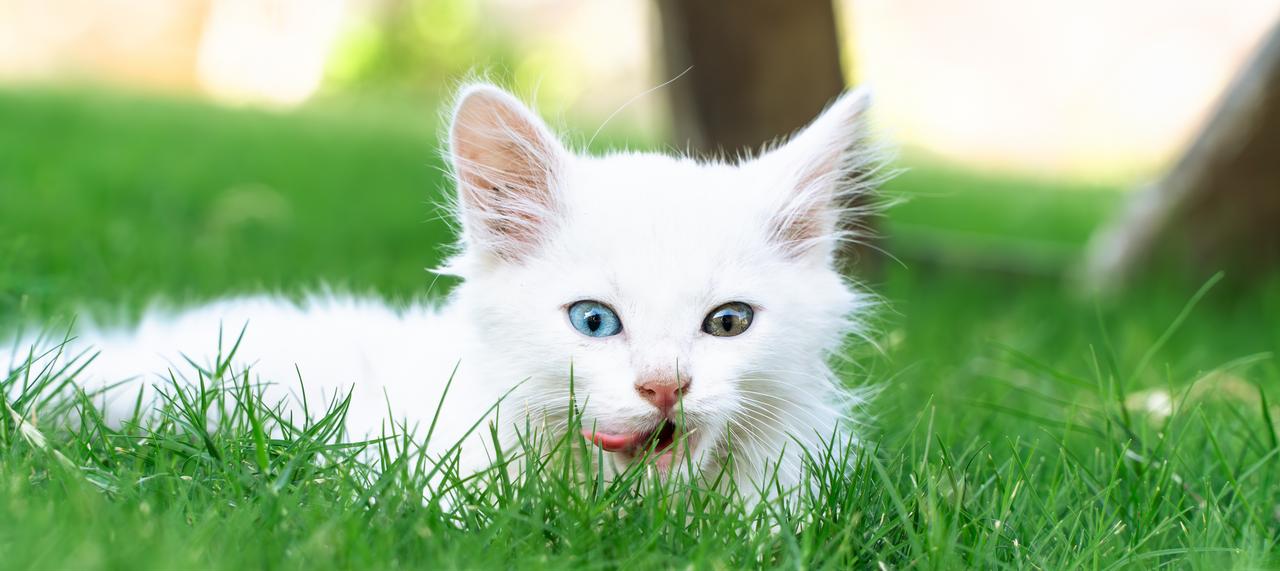
Van cats evolved long, cashmere-like coats suited to harsh Anatolian winters. They also have an unusual interest in swimming. People have observed them swimming and even diving in Lake Van.
Their fur repels water, acting as a natural raincoat that keeps them dry in rain and snow. At the center, the cats swim in specially designed pools when the weather is hot.
"Pools can help reduce the effects of heat, but of course the main problem is that climate change is happening very fast. We need to slow it down," Kaya said.
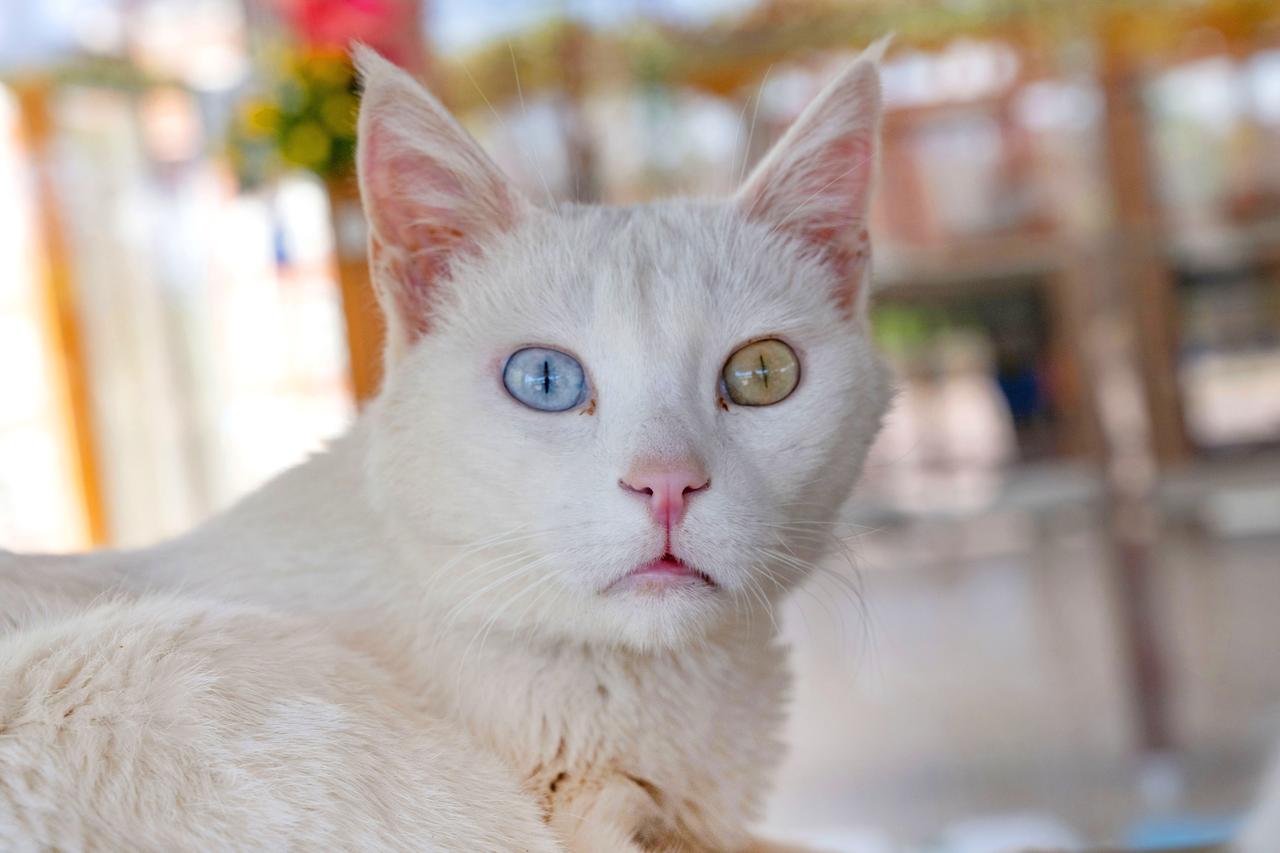
The Van cat evolved over centuries in eastern Türkiye, isolated from other cat populations. Two Britons writing about Türkiye in the 1950s helped bring it wider recognition, and in the late 1960s it was officially recognized as a cat breed.
Over the same period, rapid urbanization replaced houses with gardens with multi-story apartment blocks, removing much of the cats' natural habitat. Some people abandoned Van cats, believing they could not live in apartments, and purebred cats increasingly mated with domestic cats.
A 1992 survey found only 92 purebred Van cats left around Lake Van. The finding led to a state-backed university conservation program and government restrictions on taking the cats abroad. In the 1990s, fewer than 100 animals could be identified as purebred Van cats. The center now houses more than 300.
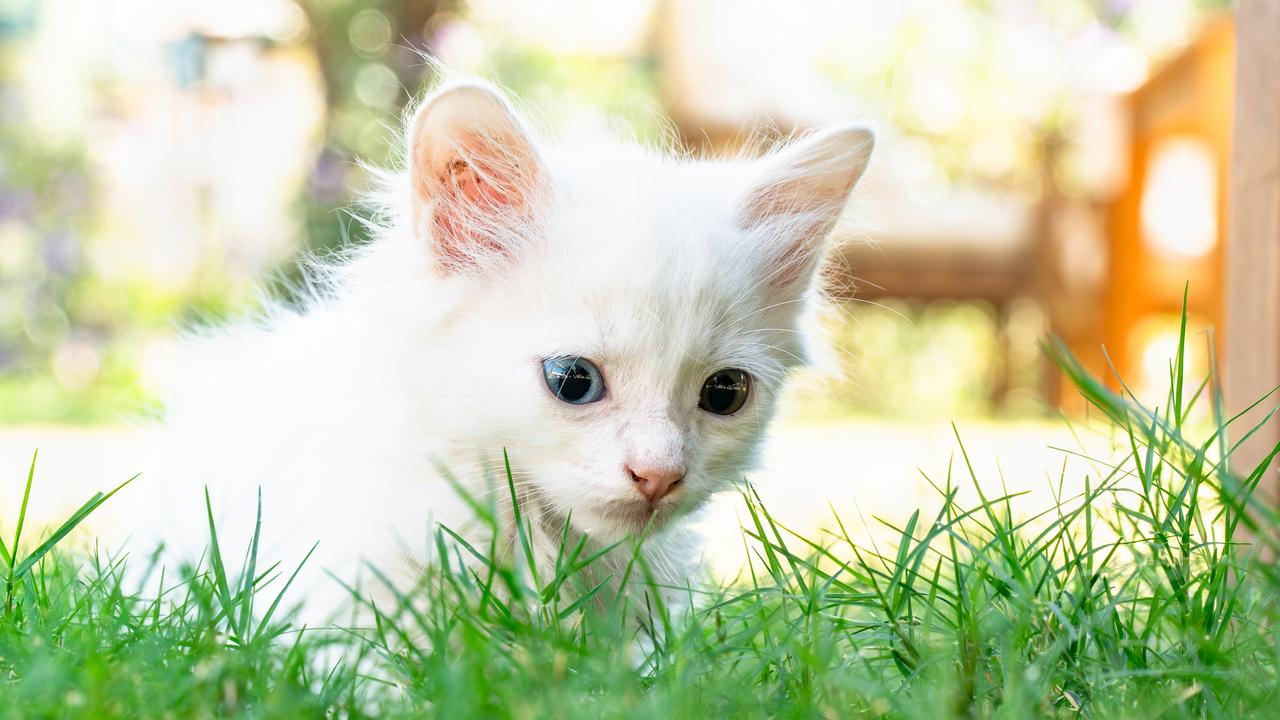
Türkiye's strong cultural affinity for cats supports the conservation effort. Street cats are treated as part of neighborhood life: they sleep on shop counters, wander through mosques, bask on Byzantine-era walls and ride ferries on the Bosphorus in Istanbul.
Among the best known are Yesim, a tabby that gained fame for queuing at a butcher shop for daily offal, and Gli, the cross-eyed resident of Hagia Sophia in Istanbul, who drew the attention of former US President Barack Obama.
Purebred Van cats, however, are now considered too valuable to be left to nature. They are rarely seen on the streets, and almost all live indoors.
Kaya said the center has not yet conducted a scientific study on the effects of rising temperatures on Van cats, but hopes to find a partner to do so.
"Even these cats, living in a protected and controlled environment, are affected by the heat. Imagine how much harder it is for cats living outside without protection," Kaya said.


 Set as preferred source
 Set as preferred source


 2 min read