Newsletters


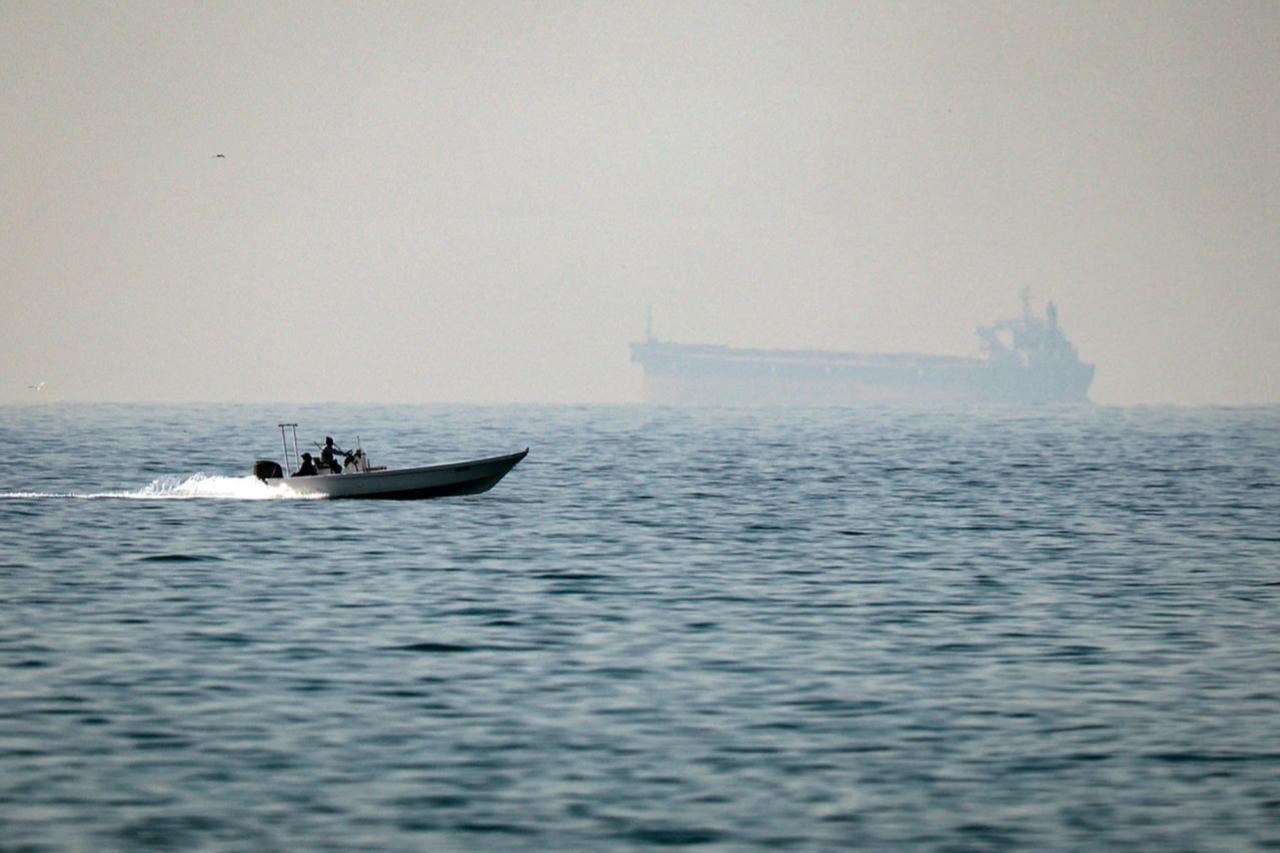


The Strait of Hormuz remains one of the most critical transit points in the global energy system, and developments around the waterway carry direct implications for energy-importing countries such as Türkiye.
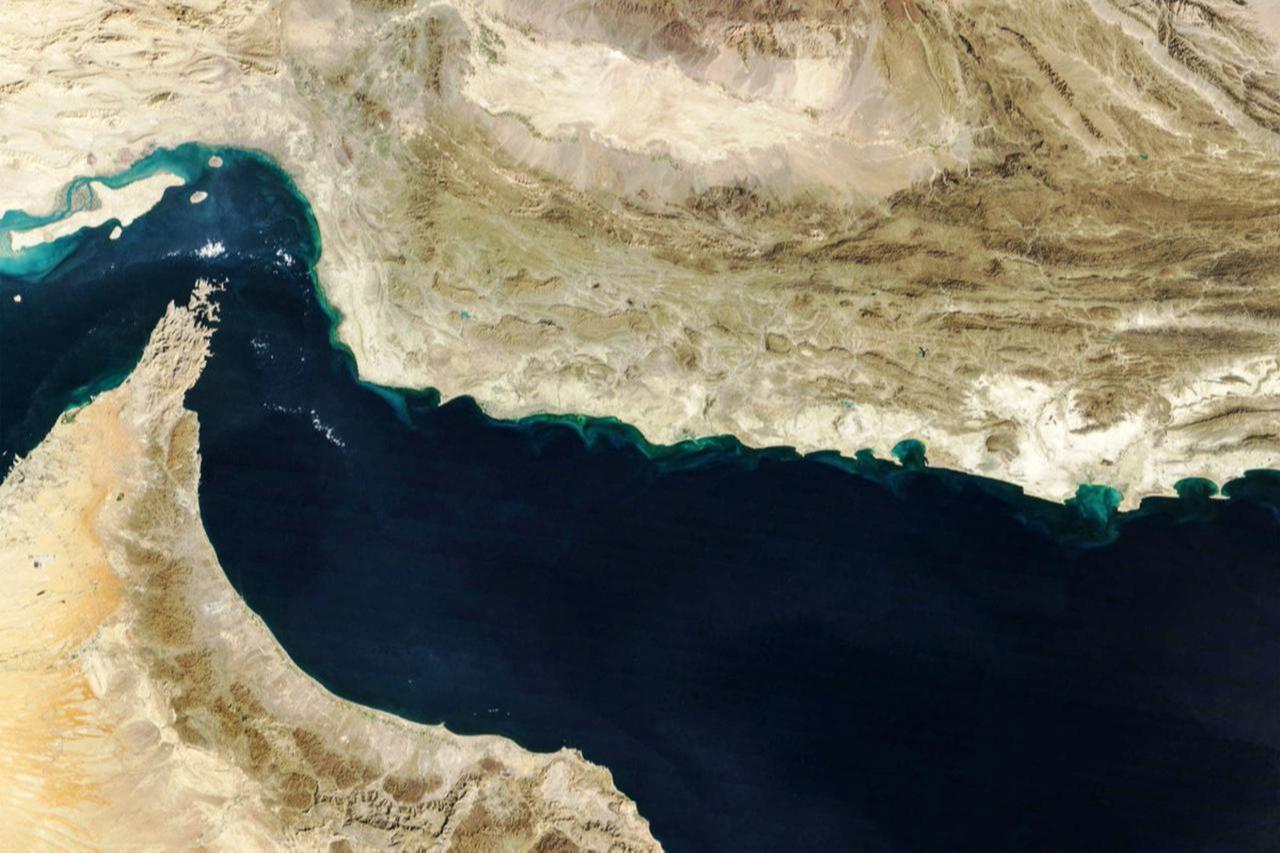
According to a research assessment conducted by the Turkish Parliament’s Research Services Directorate, the strait serves as the main export artery for hydrocarbons produced by Gulf countries bordering the Persian Gulf, including Saudi Arabia, Iran, Iraq, the United Arab Emirates, and Kuwait.
These countries rank among the world’s largest producers of oil and natural gas and rely heavily on maritime exports through this narrow corridor.
The strait connects Gulf producers directly to major Asian markets while also providing access to Europe and the Americas through the Suez Canal. This strategic positioning places the waterway at the center of global energy trade routes and international maritime commerce.
The scale of traffic passing through the corridor illustrates its importance. In 2024, an average of 20 million barrels of crude oil and petroleum products moved through the Strait of Hormuz each day, representing roughly 20 percent of global oil consumption.
In addition to crude oil shipments, the waterway plays a major role in the natural gas and petroleum gas trade. About one-fifth of global liquefied natural gas (LNG) trade and one-third of global liquefied petroleum gas (LPG) shipments transit through the strait, underscoring its significance for global energy markets.

Although Türkiye imports energy from a variety of suppliers, the parliamentary assessment indicates that the country still maintains a measurable reliance on the Strait of Hormuz.
According to the report, around 20% of Türkiye’s crude oil demand is supplied by Gulf countries through shipments that pass through the strait. This means that a portion of Türkiye’s energy supply is directly linked to the stability of maritime traffic in the region.
As a country that imports the majority of its hydrocarbon consumption, Türkiye remains sensitive to disruptions affecting major energy transit routes. Any interruption in shipments originating from the Gulf could translate into higher procurement costs.
The report therefore notes that the closure of the Strait of Hormuz could lead to increased energy costs for Türkiye, particularly because hydrocarbon imports form a significant part of the country’s overall energy consumption.
However, the assessment also emphasizes that Türkiye’s energy system has gradually developed alternative supply channels over time. Because of these alternative sources and routes, the report concludes that Türkiye is not expected to face a severe energy crisis in the short or medium term, even if disruptions occur in the strait.
While direct supply disruptions may remain limited, a crisis in the Strait of Hormuz could still have wider economic consequences for Türkiye through global market reactions.
The report notes that if Iran were to restrict or close the strait, the impact would extend beyond regional energy trade. Such a development could trigger major disruptions across global supply chains, beginning with international energy markets.
Interruptions in energy flows could lead to sharp fluctuations in oil and gas prices, increasing volatility across global markets. For energy-importing economies, this would translate into higher import bills and increased economic uncertainty.
The research warns that such a scenario could produce a domino effect across the global economy, affecting not only the energy sector but also industrial production, trade, and broader economic activity.
For Türkiye, the primary risk would therefore stem less from an immediate shortage of energy supplies and more from rising global energy prices and market volatility, which could place additional pressure on the country’s economy.
On Wednesday, Donald Trump stated that the U.S. Navy would begin escorting oil tankers passing through the Strait of Hormuz as quickly as possible, emphasizing that the United States would ensure that global energy flows continue without interruption.
Trump said Washington intends to guarantee the free movement of energy shipments through the corridor, signaling a potential increase in U.S. naval involvement in the region to protect commercial shipping.
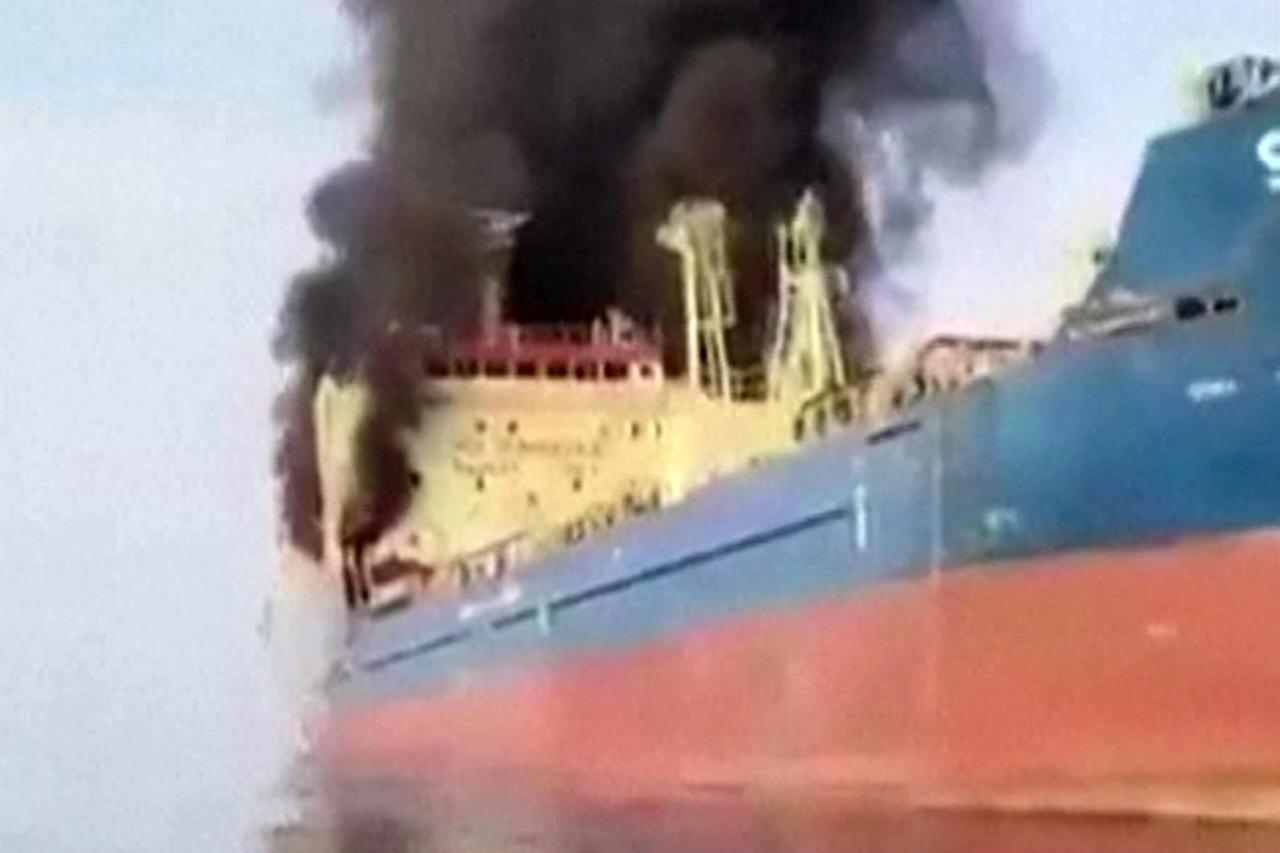
Hours before the statement, the Islamic Revolutionary Guard Corps (IRGC) announced that it had targeted more than 10 oil tankers that ignored warnings about a “transit ban” in the Strait of Hormuz.
According to the IRGC statement, the tankers were struck with various types of munitions and rendered inoperable. Iranian officials also repeated warnings that the maritime corridor is no longer safe for navigation.


 Set as preferred source
 Set as preferred source


 1 min read
 1 min read