Newsletters




Despite persistent arguments that designated terrorist groups remain entrenched and politically empowered, recent advances by the Syrian Army have altered the operational landscape, notably without direct American obstruction.
This shift has signaled a recalibration in Washington’s posture, moving away from rigid red lines toward a more flexible acceptance of realities shaped by regional actors. For Türkiye, these developments carry particular significance, as they align with a core security objective pursued consistently for nearly two decades.
Ankara’s priority has remained clear: preventing the emergence of a terror corridor along its southern border. The erosion of such a corridor, even amid unresolved political questions in Syria, represents a tangible outcome of Türkiye’s sustained military, diplomatic, and intelligence engagement across northern Syria.
Under the Trump administration, Ankara’s core national security concerns have been addressed more directly than in previous years. The outcome is not a complete reset, nor an end to all disagreements. It is, however, a clear transition from open discord to structured cooperation, particularly in conflict zones where Turkish and American interests now intersect more visibly.
At the heart of this realignment lies a broader transformation in American foreign policy thinking. The consolidation of the MAGA movement within Republican politics has brought isolationist ideas into the mainstream, reshaping how Washington views alliances and overseas commitments.
Melih Bektas, chairman of the Turkish American Coalition Political Action Committee, describes this shift as decisive. “The MAGA movement’s takeover in Republican politics and the rise of isolationist ideas brought us here,” he said, pointing to a political climate increasingly skeptical of prolonged foreign engagements, including the one in Syria.
A recent U.S. national security statement, according to Bektas, clearly reflects this outlook by prioritizing strategic competition with China. As Washington narrows its focus, NATO allies are expected to shoulder more responsibility for their own regions, creating space for actors like Türkiye to be given more initiative in their immediate neighborhood in collaboration with the allies.
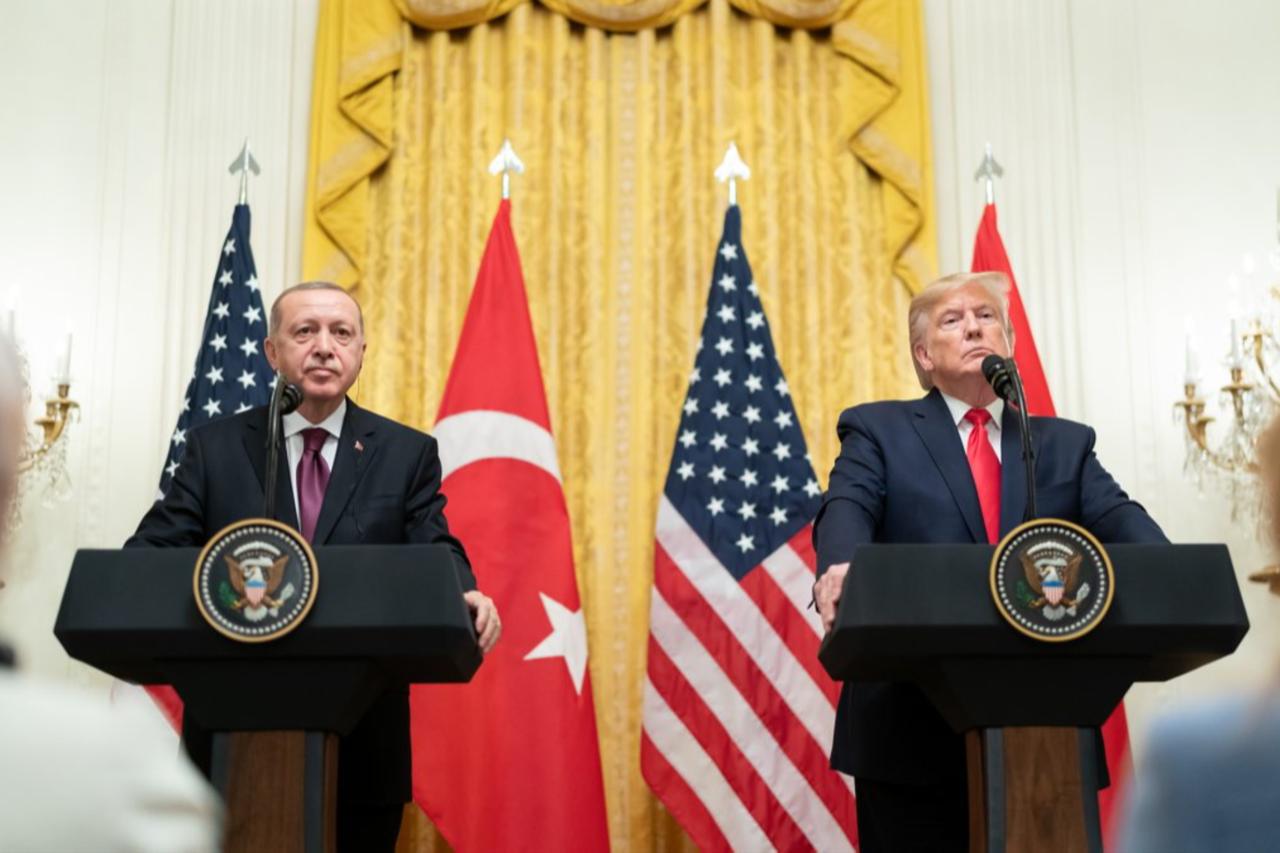
Beyond ideology, personal leadership styles have played a critical role in easing tensions. The relationship between Presidents Donald Trump and Recep Tayyip Erdogan has been widely characterized as an example of strongman diplomacy, where personal rapport substitutes for bureaucratic distance.
According to Bektas, this dynamic mattered as much as formal channels. “Strongman diplomacy and personal relations between President Trump and President Erdogan played a role as well,” he noted, emphasizing the value both leaders place on direct communication.
This approach has allowed sensitive issues to be handled quickly and informally. In Washington, it is often described as a belief that complex problems can be managed through leader-to-leader contact, bypassing institutional inertia that previously fueled misunderstandings.
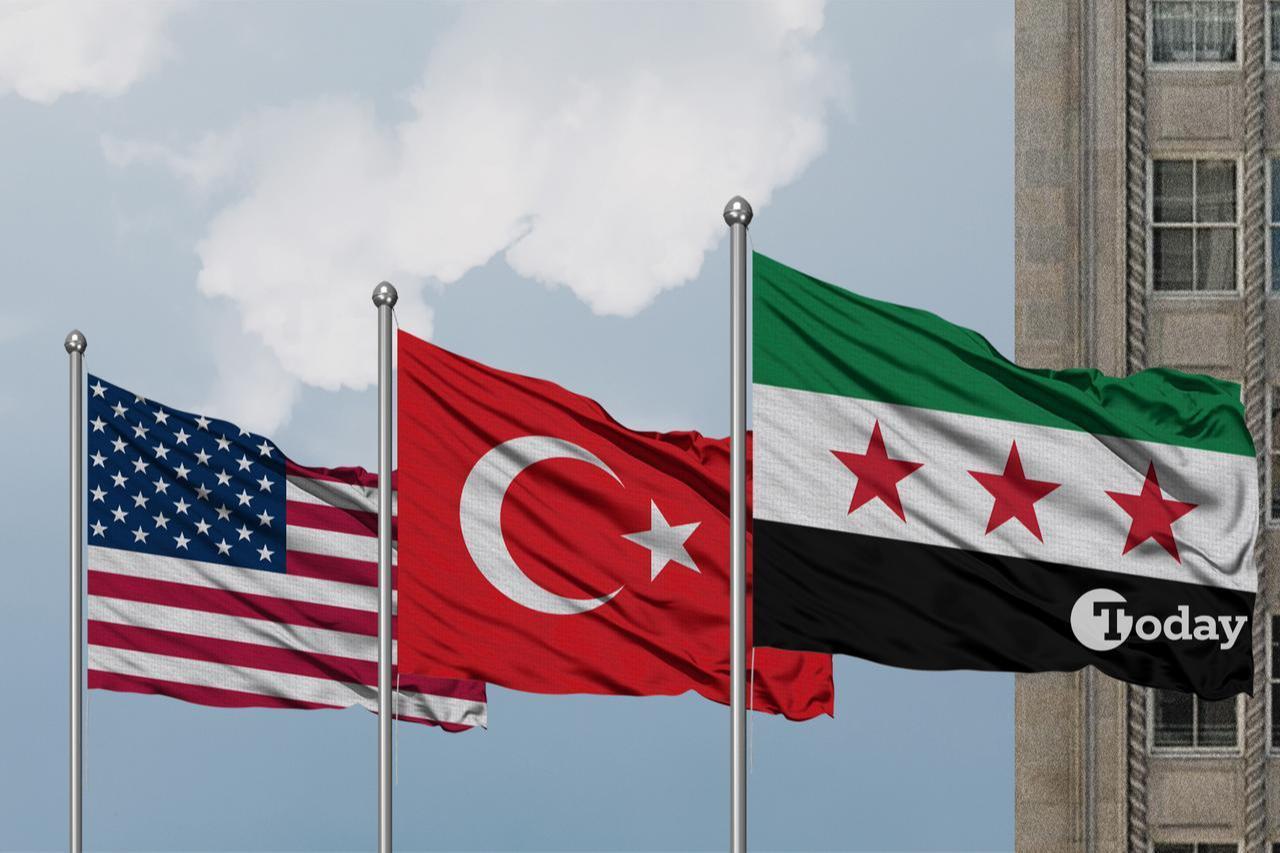

Nowhere is the impact of this realignment more visible than in Syria. Türkiye has shifted from being perceived in Washington as a disruptive actor to being acknowledged as a central power broker shaping realities on the ground.
U.S. policymakers may still frame certain Syrian actors as the least bad options available, but they increasingly accept that Türkiye’s footprint in northern Syria is decisive. Ankara’s insistence on a unified and territorially intact Syria contrasts with approaches that tolerate fragmentation or prolonged instability.
While the Syrian conflict is far from resolved, the tone of engagement has changed. “The Syria issue has not ended, but major progress has happened,” Bektas said, adding that this progress has opened the door for deeper Turkish-American collaboration across military, diplomatic, and political domains.
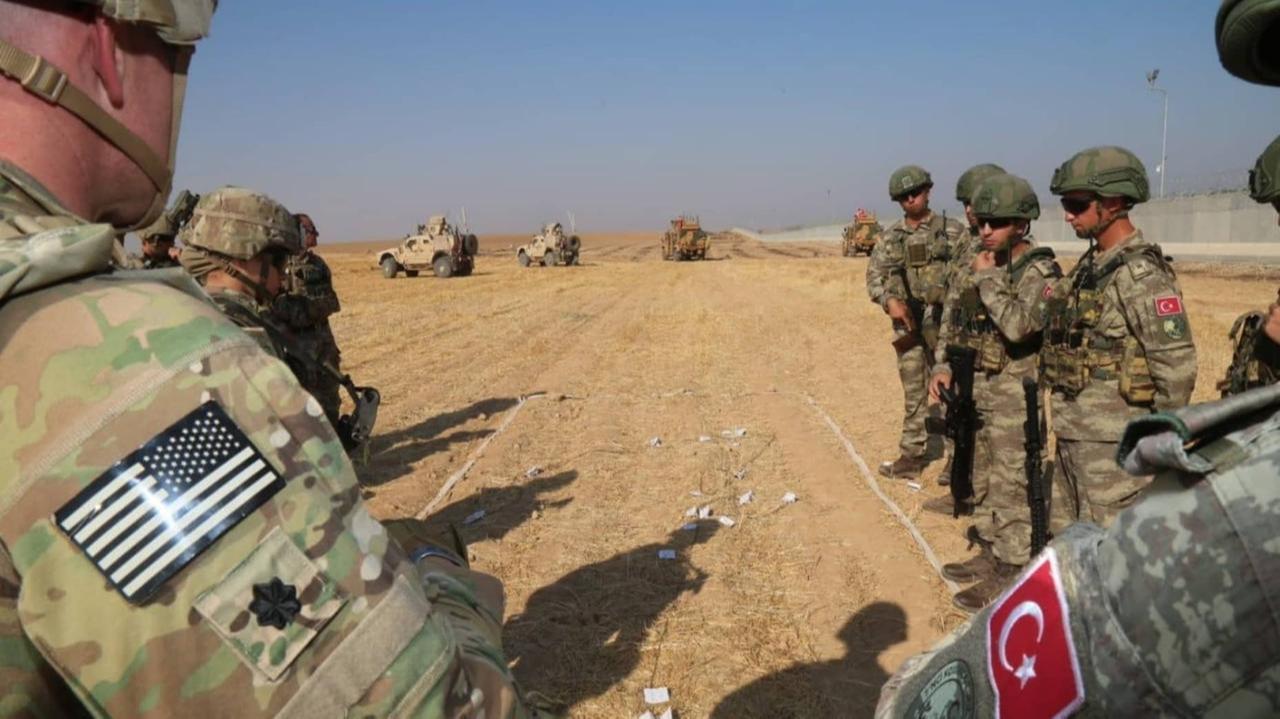
The cooperation forged in Syria has begun to generate something that had been largely absent from the bilateral relationship in recent years: operational trust. What initially emerged as issue-based coordination has evolved into a broader habit of working together, reducing misperceptions and lowering the political cost of cooperation on other files.
Officials on both sides increasingly view Syria not as a closed chapter but as a proving ground. The experience has demonstrated that Ankara and Washington can align their interests, manage differences on the ground, and produce outcomes neither could have achieved alone.
After a prolonged period of strategic mistrust, Türkiye’s gradual re-approach toward Washington is creating openings far beyond Syria and the Middle East.
For the United States, Türkiye offers access, experience, and political reach in regions where American institutional knowledge and local networks remain limited, including Central Asia, the Caucasus, and parts of Africa.
Ankara’s long-standing ties, cultural familiarity, and on-the-ground presence in these regions position it as a valuable partner for mediation, crisis management, and engagement with adversarial or hard-to-reach actors. For Washington, working through Türkiye can reduce costs, increase effectiveness, and avoid the perception of direct American overreach.
For Türkiye, closer alignment with the United States brings strategic dividends of its own. Bandwagoning with American initiatives in unfamiliar regions allows Ankara to expand its influence while sharing political and security risks. The emerging framework suggests a relationship built less on friction management and more on complementary strengths.
Together, these dynamics point to a partnership no longer confined to damage control. Instead, they signal a deliberate effort to translate renewed trust into a wider, more durable geopolitical alignment.


 Set as preferred source
 Set as preferred source


 2 min read
 1 min read