Newsletters


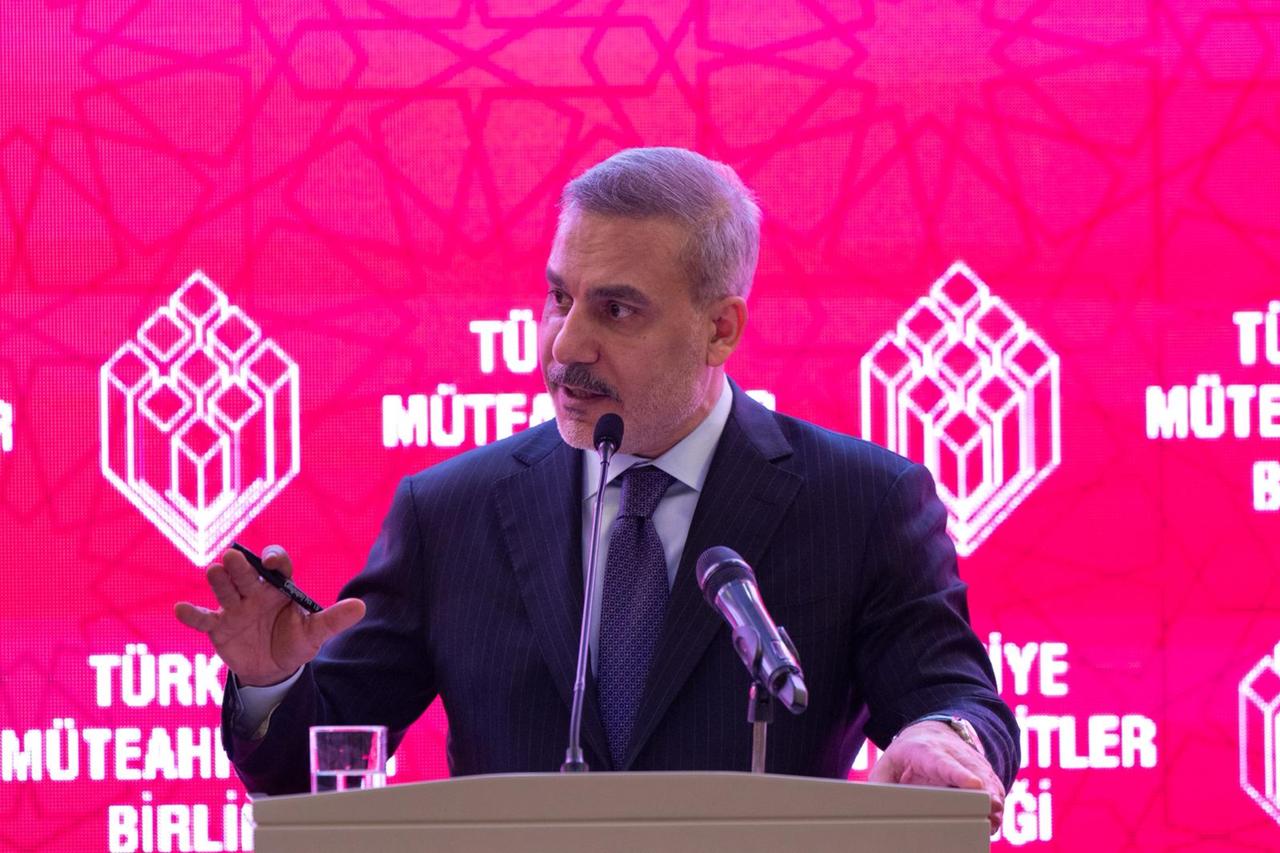


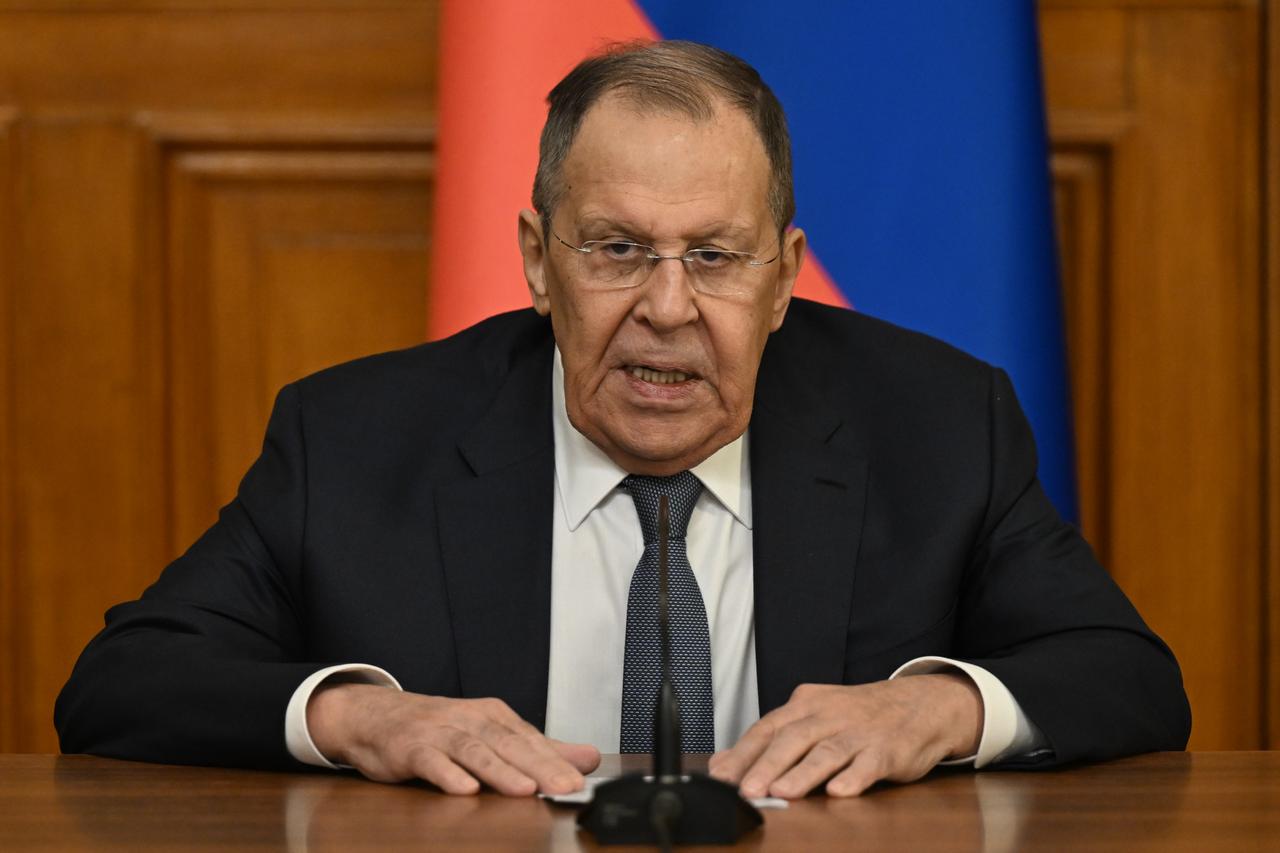
Foreign Minister Hakan Fidan has accused Iran of pursuing a scorched-earth strategy as it comes under mounting military pressure, warning that Tehran is deliberately targeting energy infrastructure across the Middle East under the logic that if the regime falls, it will take the wider region down with it.
Fidan said Iran has made a calculated assessment that any existential threat to the regime should trigger maximum regional damage. Tehran, he explained, is acutely aware of how critical energy infrastructure in neighboring countries is to the global economy, and is exploiting that vulnerability as a form of leverage.
"Iran is pursuing a strategy of 'if I go down, I will take the region with me,' and is targeting energy infrastructure in other countries, particularly critical ones," Fidan said. The foreign minister added that as military strikes against Iran intensify, Tehran is escalating its attacks on regional energy assets to build pressure against the forces arrayed against it, effectively turning the Gulf's interconnected oil and gas networks into a weapon of deterrence.
The approach represents a stark gamble by Tehran, one that threatens to transform what might otherwise remain a contained military campaign into a crisis with far-reaching consequences for global energy markets and economic stability.
Fidan described the current moment as deeply critical for the region, noting that the Middle East has already endured two decades of devastating conflicts. The war involving Iran, he said, marks a dangerous escalation whose effects were always going to extend well beyond any single country.
"When we look at the effects of the war, they are not limited to Iran. Just as we predicted long ago, it is spreading across the entire region," he said.
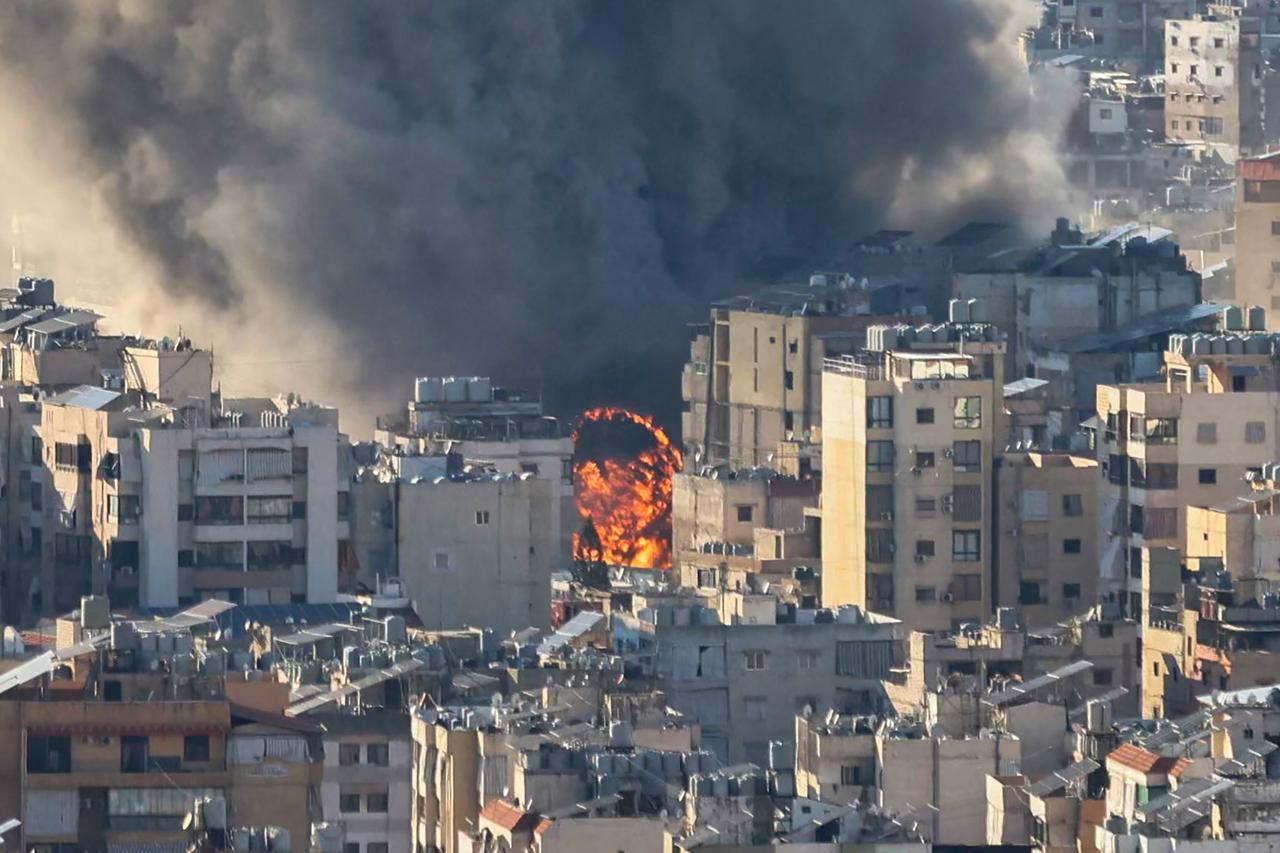
The warning underscores a fear shared by multiple regional capitals: that the conflict's shockwaves, whether through missile strikes on energy facilities, disrupted shipping lanes, or refugee flows, are creating cascading risks that no single country can insulate itself from.
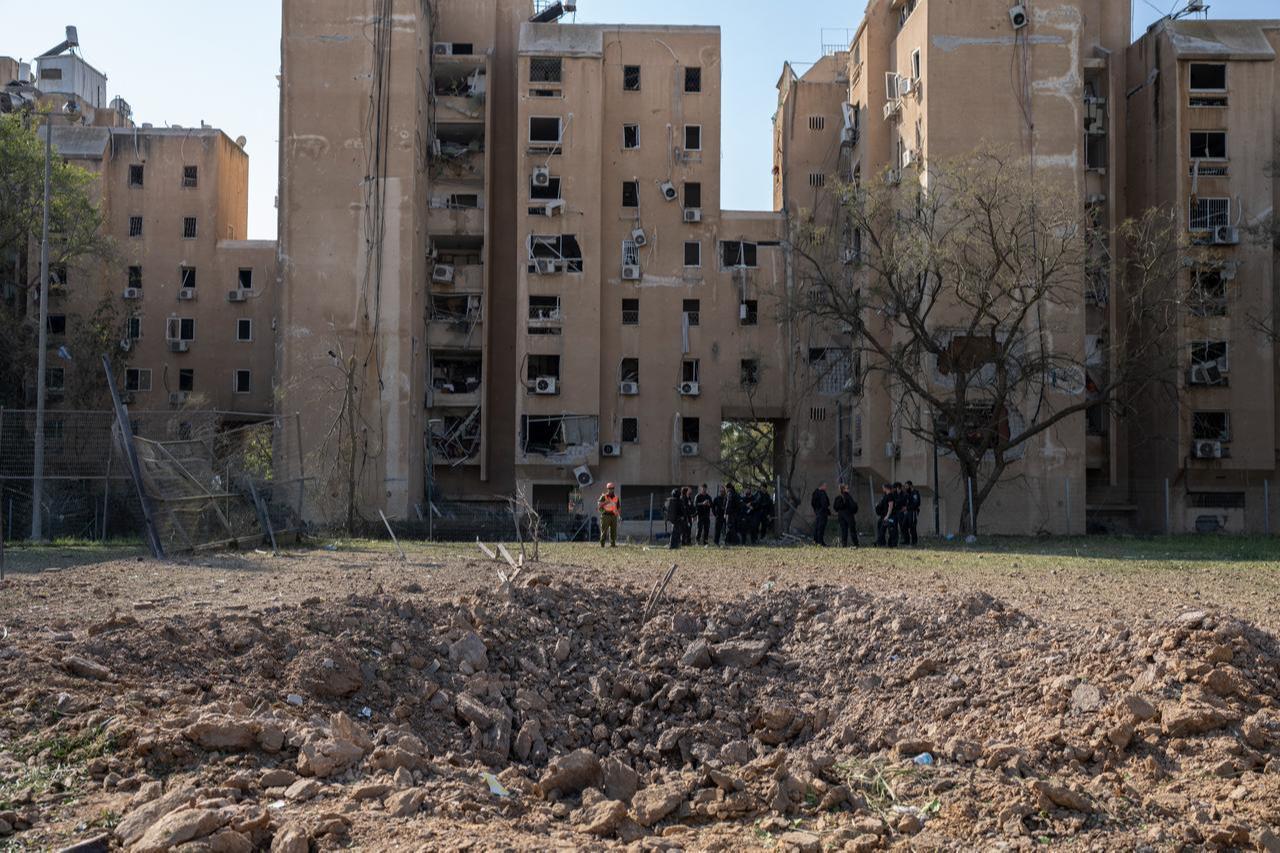

Fidan drew a sharp distinction between two possible objectives driving the military campaign against Iran, each with profoundly different implications for how far the conflict spreads and how long it lasts.
The first is a narrowly defined military goal, the systematic elimination of Iran's defense capabilities. Under this scenario, operations would continue until that benchmark is reached, offering at least the possibility of a defined endpoint. The second objective is far more sweeping: full regime change through force.
"Depending on which of these two objectives is being pursued, the duration of the war changes, its character changes. The way it spreads and the risks it creates also change, as these are two very different concepts," Fidan said.
A regime-change campaign would almost certainly be longer, more unpredictable, and exponentially more destabilizing than a limited military operation, raising the likelihood that Iran's strategy of dragging the region into chaos finds more time and space to succeed.
Fidan confirmed that Türkiye is already engaged in active diplomacy with a number of countries to build a common position aimed at preventing the situation from worsening. While he did not identify Ankara's partners, the remarks pointed to an urgent effort at coalition-building at a time when the war's trajectory remains deeply uncertain.
Türkiye's position gives it an outsized stake in the outcome. Sharing borders with Iran, Iraq, and Syria, and serving as a key transit corridor for energy flowing from the Middle East and the Caspian basin to Europe, Ankara faces both security and economic exposure if the conflict continues to metastasize. Fidan's intervention signals that Türkiye intends to play an active role in shaping the diplomatic response, rather than waiting for events to overtake it.


 Set as preferred source
 Set as preferred source


 1 min read
 1 min read