Newsletters


Türkiye’s artificial intelligence ecosystem is expanding rapidly, but its most decisive momentum increasingly comes from outside its borders. While domestic startups multiply and institutional awareness grows, the contrast between local funding capacity and diaspora-led global success is shaping the country’s AI trajectory in ways that carry strategic implications for investors, policymakers, and corporate actors alike.
The 2025 Turkish AI Ecosystem and Global Impact Report presents a data-driven snapshot of this transformation. The findings point to a young and ambitious ecosystem at home, reinforced—and in some cases outpaced—by Turkish founders operating in global technology hubs.
Türkiye has emerged as the leading AI hub in Eastern and Southeastern Europe, distinguished as the only country in the region to have produced an AI unicorn. This symbolic milestone reflects a broader structural expansion rather than a single outlier success.
The country is now home to 1,188 active AI startups, underscoring both scale and density. Nearly 70% of these companies were founded after 2020, highlighting how sharply innovation activity has accelerated in recent years.
This youthfulness allows Turkish startups to build natively around current AI architectures and global market needs. However, it also means many firms remain early-stage, with limited access to deep capital and long-term corporate partnerships.
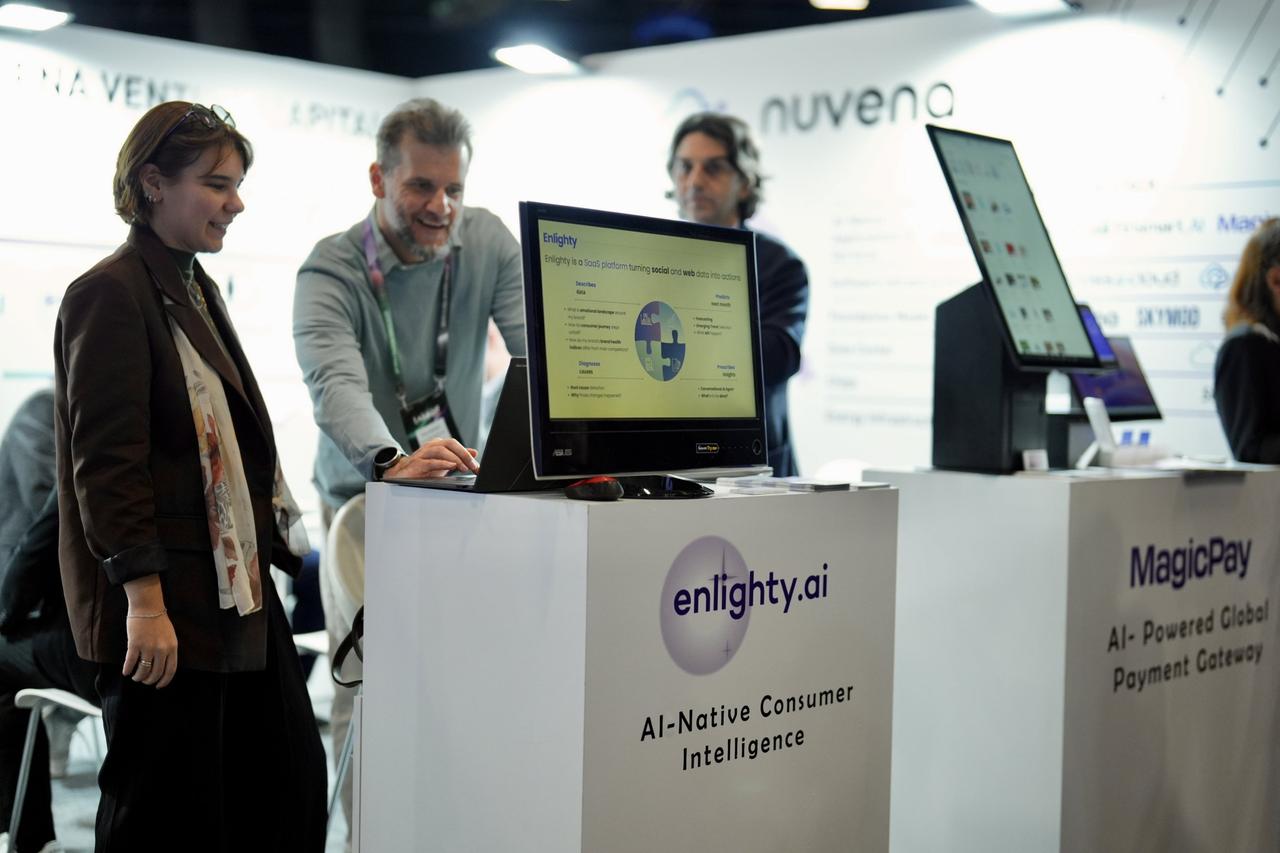

Outside Türkiye, Turkish founders have built a parallel AI ecosystem that is both smaller in number and significantly larger in financial impact. A total of 274 active AI startups have been founded by Turks living abroad, primarily in the United States and the United Kingdom.
These diaspora-led companies operate in mature capital markets and benefit from proximity to global customers, institutional investors, and advanced research networks. Their funding outcomes reflect this advantage clearly.
In 2025 alone, diaspora-founded AI startups raised $712 million across 29 investment rounds. This translates into an average of $24 million per round, a scale of financing largely absent from the domestic market.
The contrast with Türkiye-based startups is pronounced. Over the same period, local AI companies raised a total of $17.4 million across 69 funding rounds, resulting in an average of approximately $252,000 per round.
This gap does not stem from a lack of entrepreneurial activity, but from structural constraints within the local investment environment. Türkiye currently has only five investment funds dedicated exclusively to artificial intelligence.
As a result, most domestic startups rely on fragmented seed funding, limiting their ability to scale products, retain top talent, or compete globally at later stages.
Perception plays a critical role in capital allocation, and the report highlights a notable confidence deficit among local investors. When asked to rate the global vision and competitiveness of Turkish AI startups on a scale of five, investors gave an average score of just 2.71.
This skepticism translates directly into conservative investment behavior. Rather than backing ambitious, export-oriented AI ventures, many investors favor limited-risk, early-stage exposure or avoid the sector altogether.
The outcome is a self-reinforcing cycle: limited capital constrains global ambition, while constrained ambition reinforces investor doubt.
On the demand side, Turkish corporations demonstrate growing openness to artificial intelligence, but not necessarily to domestic suppliers. According to survey data, 53% of corporate firms in Türkiye report having integrated AI into their business processes.
However, only 6.25% of those companies state that they use solutions developed by local AI startups. The majority rely on international vendors, even when domestic alternatives exist.
This trust gap limits revenue generation for local startups and deprives them of the reference clients needed to expand internationally. It also weakens the feedback loop between industry needs and local innovation.
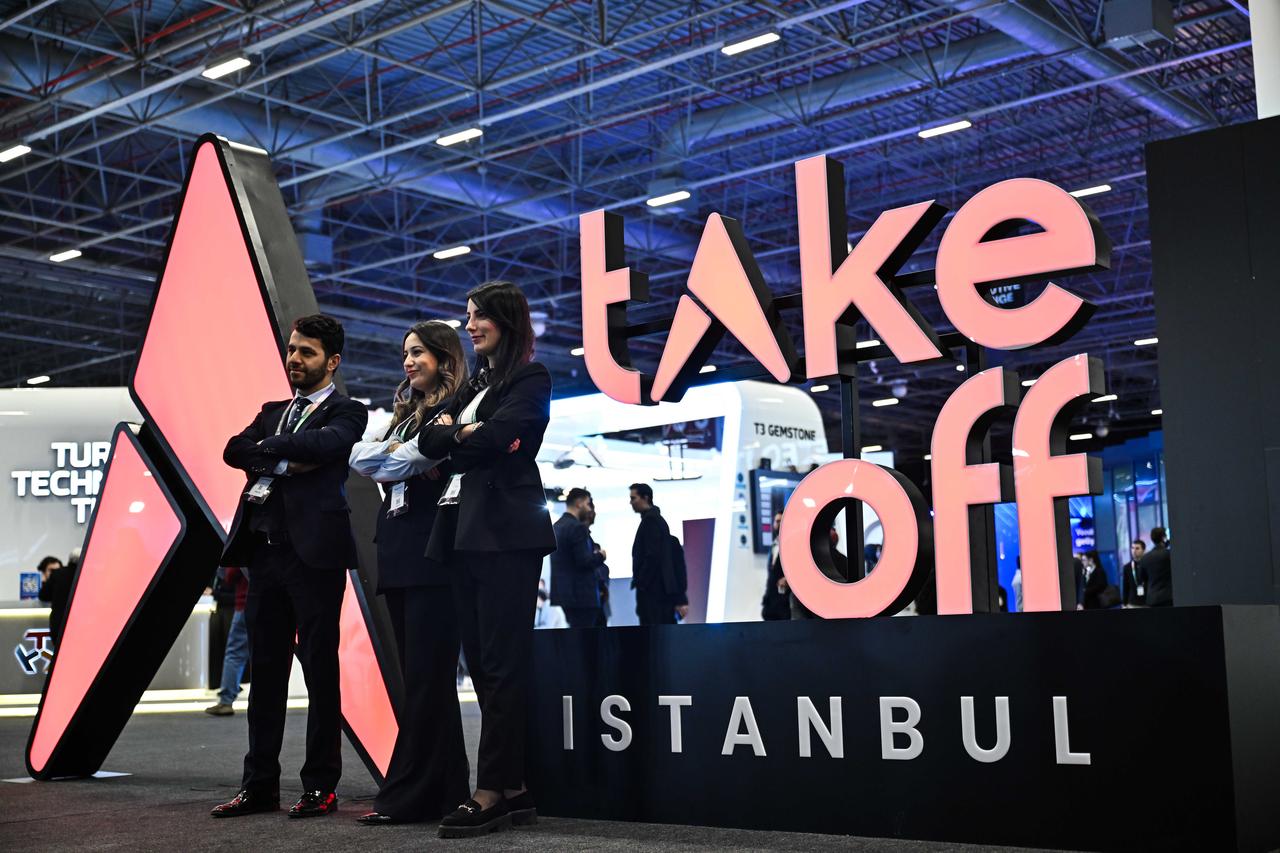
Despite these challenges, early-stage activity remains vibrant. The Yapay Zeka Fabrikasi (AI Startup Factory), backed by Isbank, has emerged as the most active domestic catalyst in the AI space.
Since early 2024, it has completed 27 investments, positioning itself as a key entry point for first-time founders. While the median investment size remains modest, this early-stage support sustains experimentation and pipeline growth.
The challenge lies not in startup creation, but in converting early momentum into scalable, globally competitive firms.
Across stakeholders, the most frequently cited bottleneck is not regulation or data access, but the shortage of qualified AI talent. Competition for engineers, researchers, and experienced product leaders is intense, both domestically and internationally.
To move forward, Türkiye’s AI ecosystem must shift from being a technology adopter to a global problem-solver. This requires producing AI solutions designed from the outset for international markets and planetary-scale challenges.
In this transition, the Turkish AI diaspora is not merely a success story abroad. It functions as a strategic extension of Türkiye’s innovation capacity, offering a model for what local startups could achieve if capital, trust, and talent constraints are addressed in tandem.


 Set as preferred source
 Set as preferred source


 6 min read