Newsletters


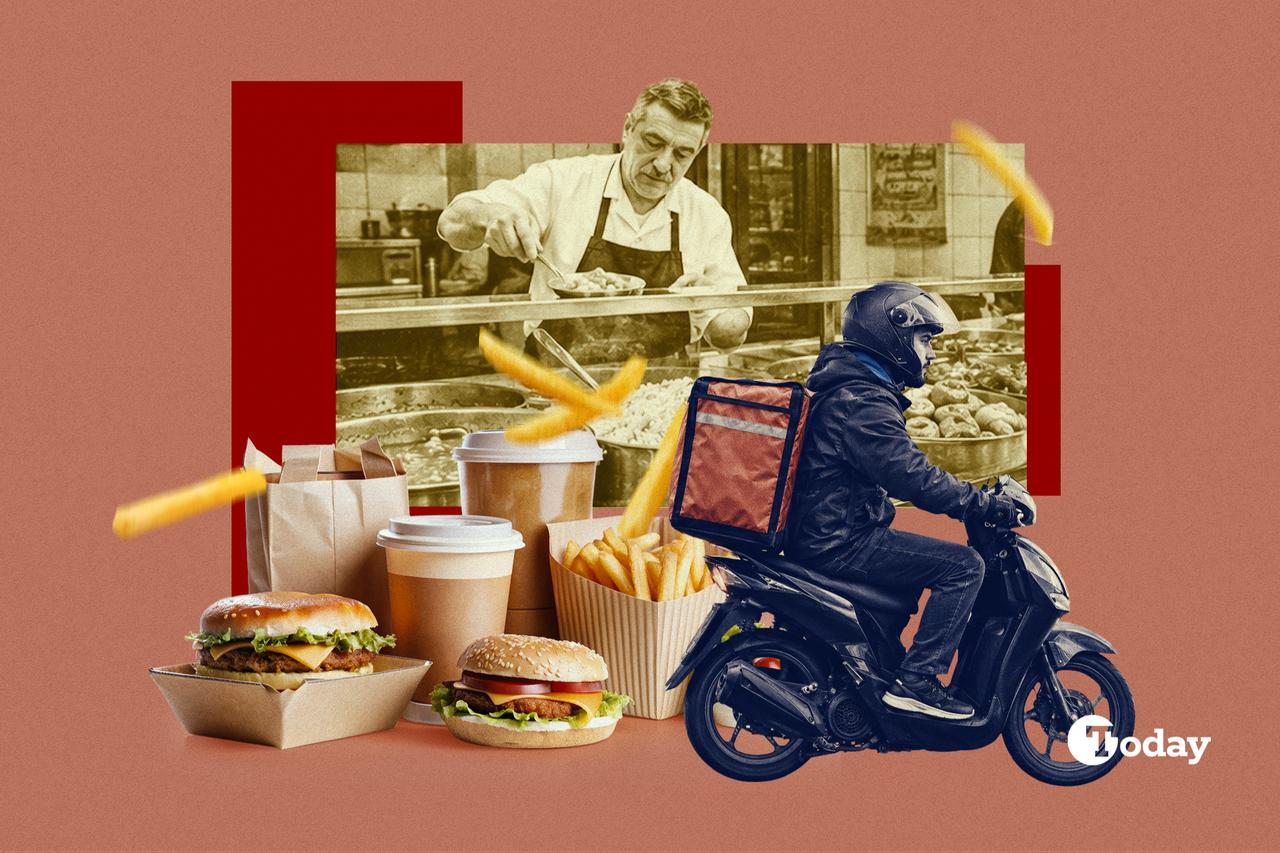


Istanbul still has its local diners known as esnaf lokantasi, local diners where shopkeepers eat stews and pilaf.
At noon, the day's dishes sit in large pots behind the glass: white bean stew, okra with lamb, stuffed peppers, all cooked that morning before the shutters went up. Regulars rarely order, because the man behind the counter already knows what they want.
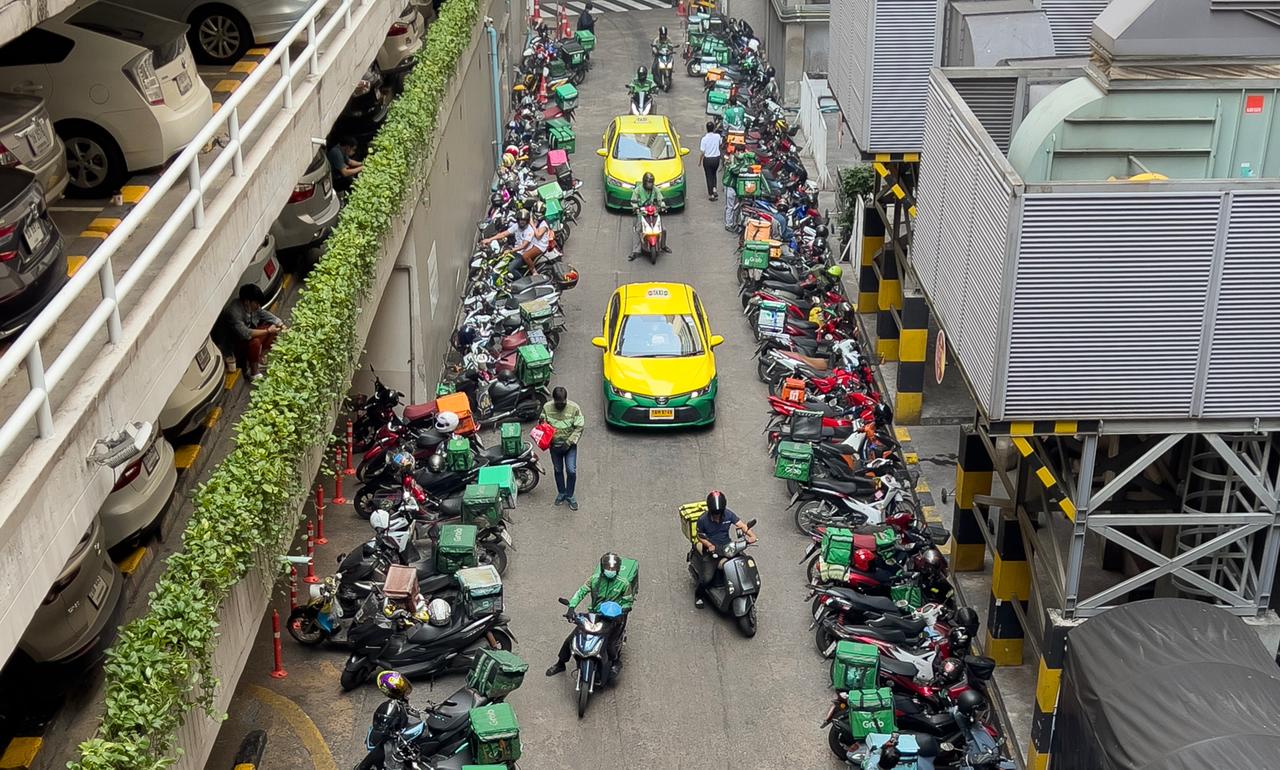
A few streets away, motorcycle couriers wait outside a burger chain for the next order to appear on their screens.
Of the two scenes, the second is winning. Hamburgers were the most ordered dish on Türkiye's quick-delivery platforms in 2025, with 97.8 million orders worth ₺26.74 billion ($548 million), according to the Ministry of Trade's annual e-commerce report.
It is tempting to call this Americanization. The data suggests otherwise. Türkiye's turn toward fast food reflects structural pressures more than changing taste: shrinking households, a delivery economy that rewards scale and an inflation crisis that has made a predictable price worth more than a good meal.
The casualty is the middle of the country's food economy, the ordinary restaurants between the street cart and the fine dining room.
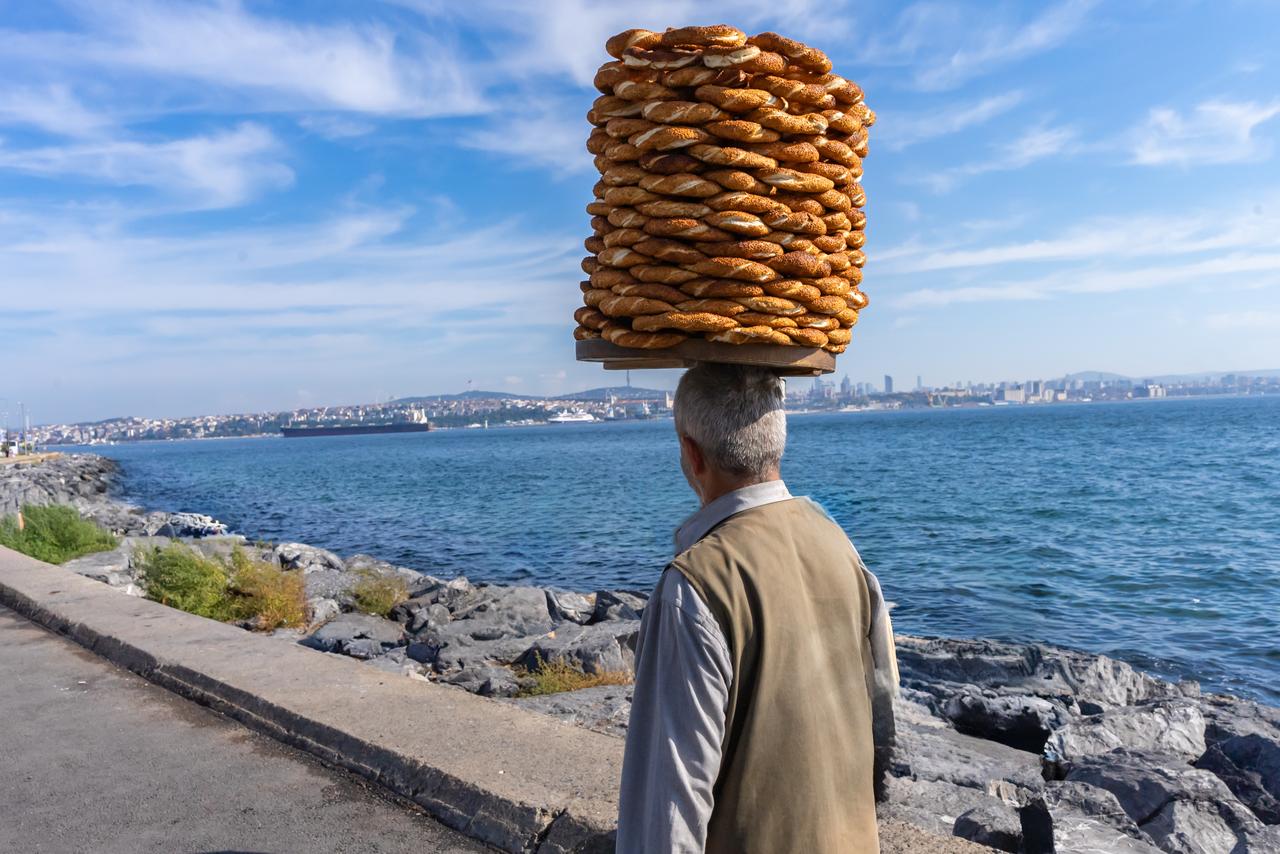

Türkiye did not need to import the idea of eating quickly. Simit sellers and the diners themselves have fed workers in minutes for generations. What distinguished them was their reliance on people rather than systems.
Sociologist Besim F. Dellaloglu has described the esnaf lokantasi as an institution of a more local way of life, when people walked to work and ate near home, and has observed that their numbers are declining.
Fast food is defined instead by its production model: a limited menu, standardized preparation, payment before service and an identical product in every branch.
When McDonald's opened its first restaurant in Türkiye in Istanbul's Taksim on Oct. 24, 1986, it introduced not speed but uniformity. Why has uniformity become so attractive?

Part of the answer lies in demographics. According to the Turkish Statistical Institute (TurkStat), the average household shrank from four people in 2008 to 3.11 in 2024. Single-person households rose from 14.9% to 20% between 2016 and 2024.
Cooking time does not scale down with the number of people eating. For single workers and dual-income couples facing long commutes, the savings from cooking at home are modest, while the time cost remains fixed.
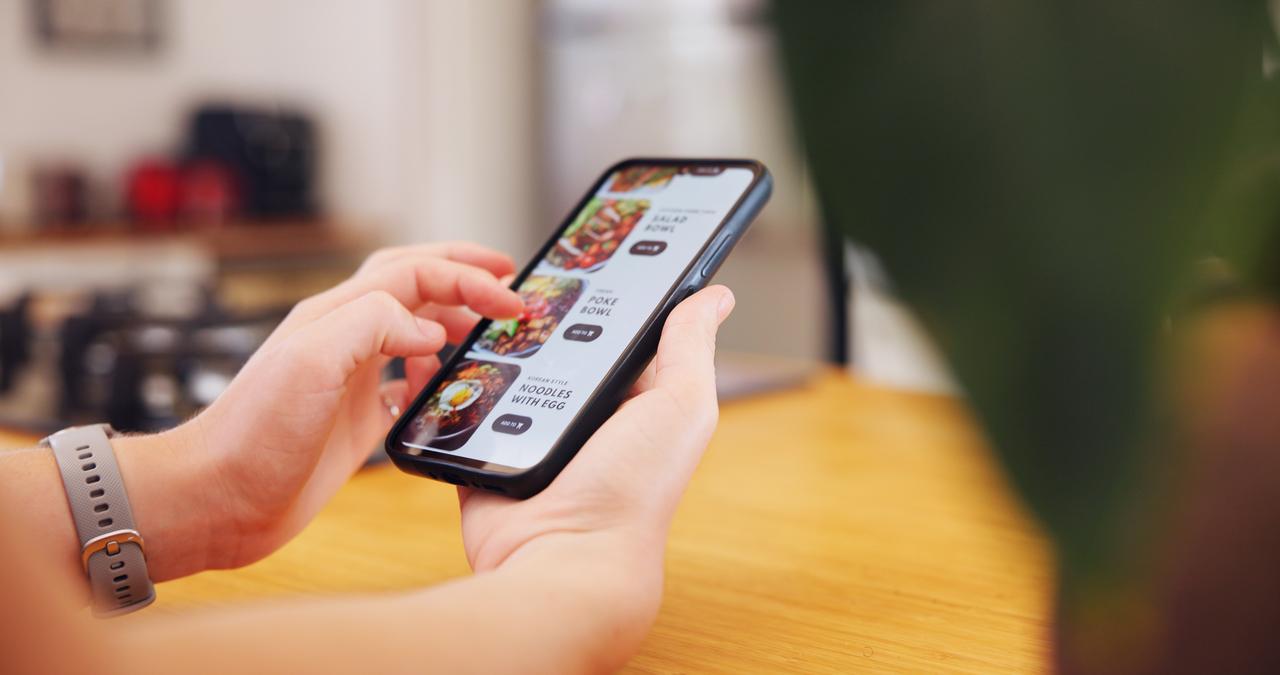
Delivery platforms have converted that time gap into a market. Yemeksepeti, the country's oldest food delivery service, grew from 900,000 active users in 2010 to 13.2 million in 2025.
Quick commerce, mostly delivered by motorcycle couriers, reached ₺388.7 billion ($7.94 billion) in 2025, up 55.6% year-over-year, according to the Ministry of Trade. The sector grew at a compound annual rate of 138.7% between 2019 and 2025. Restaurant food made up 69.5% of the volume, and Istanbul alone accounted for 55.4%.
Delivery also favors food that survives half an hour in a bag. Yemeksepeti CEO Oytun Calapover said at the company's 25th anniversary event that price, rather than variety or experience, has become the main factor shaping user choices.
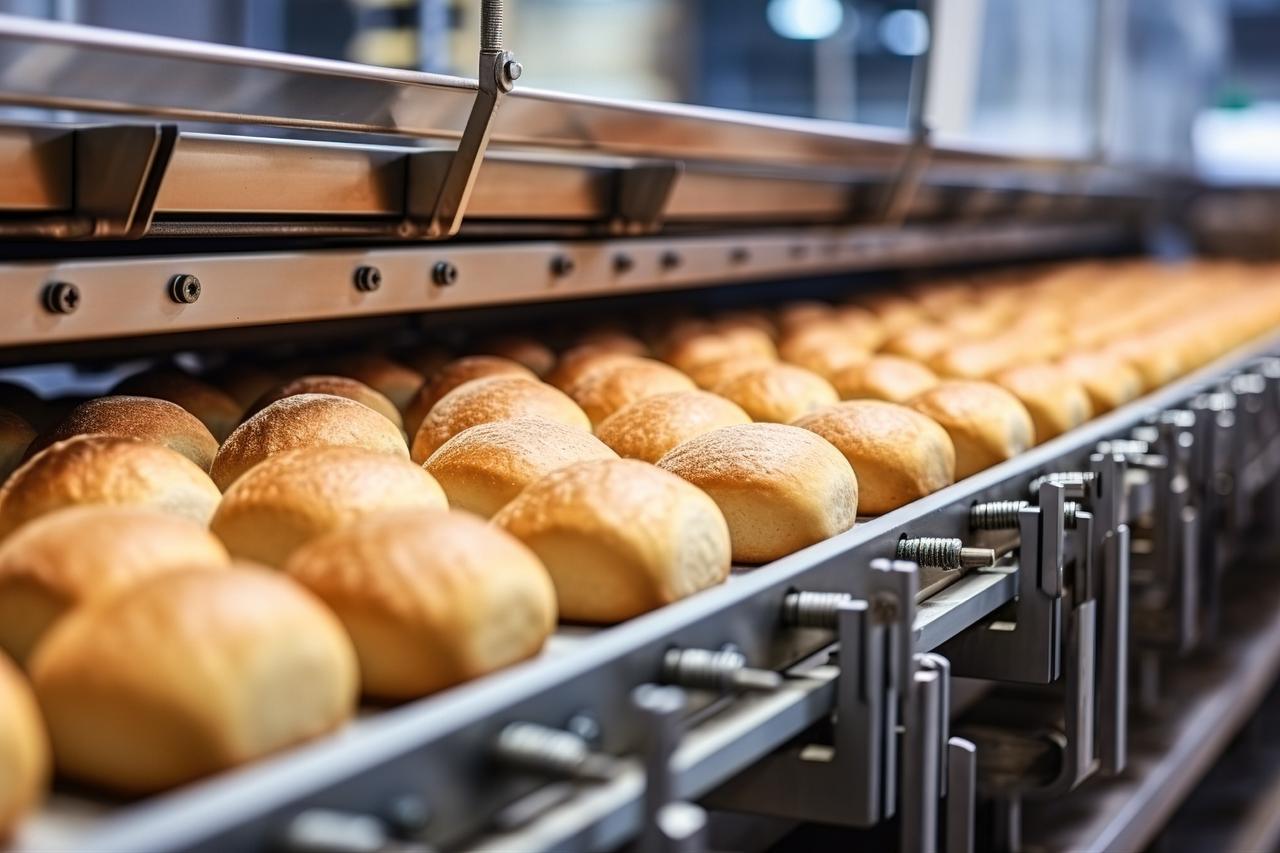
If price decides, scale wins. TAB Gida, which has held Burger King's Türkiye franchise since 1995 and also operates Popeyes, Arby's, Subway and Sbarro, illustrates the advantage.
An independent restaurant buys meat from a butcher supplied by a wholesaler, with a margin added at each step. An operator that controls its supply chain removes those margins and can absorb price shocks that would close a neighborhood kitchen.

Those shocks are persistent. Annual consumer inflation stood at 31.51% in August, with food prices up 33.79%, according to TurkStat.
Incomes have fallen behind. The Confederation of Turkish Trade Unions (Turk-Is) put the hunger line, the monthly food cost for a family of four, at ₺37,388 ($766) in August. The net minimum wage, unchanged since January, is ₺28,075.
Fast food is not cheap. Its advantage is certainty. A customer knows the cost of a combo meal before ordering. At an independent restaurant, the bill is harder to anticipate.
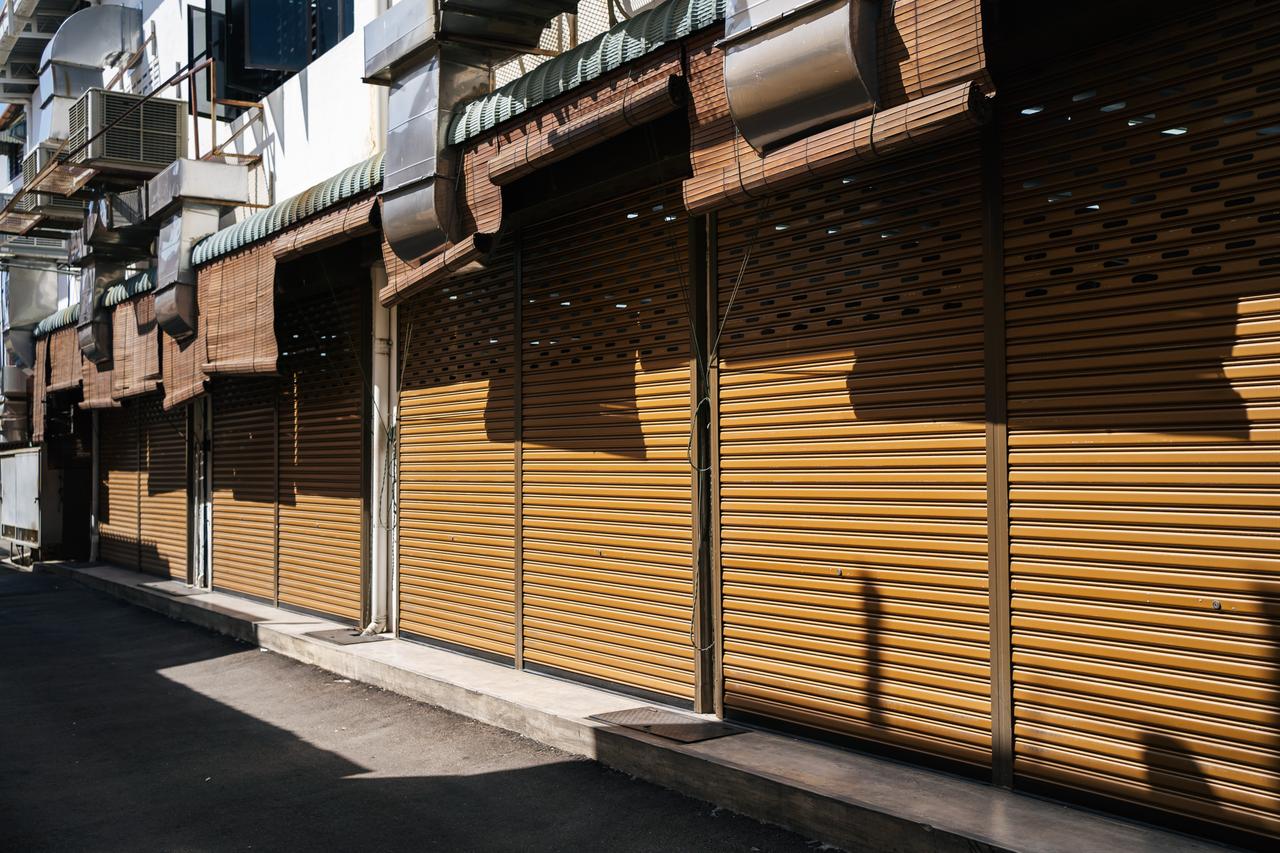
The strain is visible in closure figures. In the first eight months of 2026, 82,669 small tradesmen's businesses shut down, up 11.3% year-over-year, according to the Confederation of Turkish Tradesmen and Craftsmen (TESK). The data covers all small trades, not only restaurants, but the direction is consistent.
Food critic Vedat Milor has noted that as customers shifted toward grilled meat, diners built around stews added doner and grilled kofte to their menus.
Higher up, one listed mid-to-upper segment restaurant operator reported that its receipt count fell about 9% in the first quarter, while average spending per receipt rose about 49%. Fewer customers were paying considerably more.
At the top end, the trend reverses. The Michelin Guide said in December that its next edition would cover all of Türkiye for the first time. Fine dining and delivery burgers are both expanding. What contracts is the space between them: the sit-down restaurant a salaried family could once afford on a weekend.
None of this is unique to Türkiye. Market research firms identify the same drivers across emerging economies: urbanization, dual-income households and delivery infrastructure. McDonald's Türkiye says 98% of its products are sourced locally.
The burger in a Turkish delivery bag is largely Turkish. What was imported in 1986 was never the ingredients. It was the format, and it has proved better suited than the diner to the country Türkiye has become.
The diners are unlikely to vanish overnight. More likely, they will thin out one shuttered storefront at a time, until a generation raised on delivery apps has never stood at the counter and pointed at a pot.
The burger will keep arriving in half an hour. What it replaced will not appear on any screen.


 Set as preferred source
 Set as preferred source



 2 min read