Newsletters


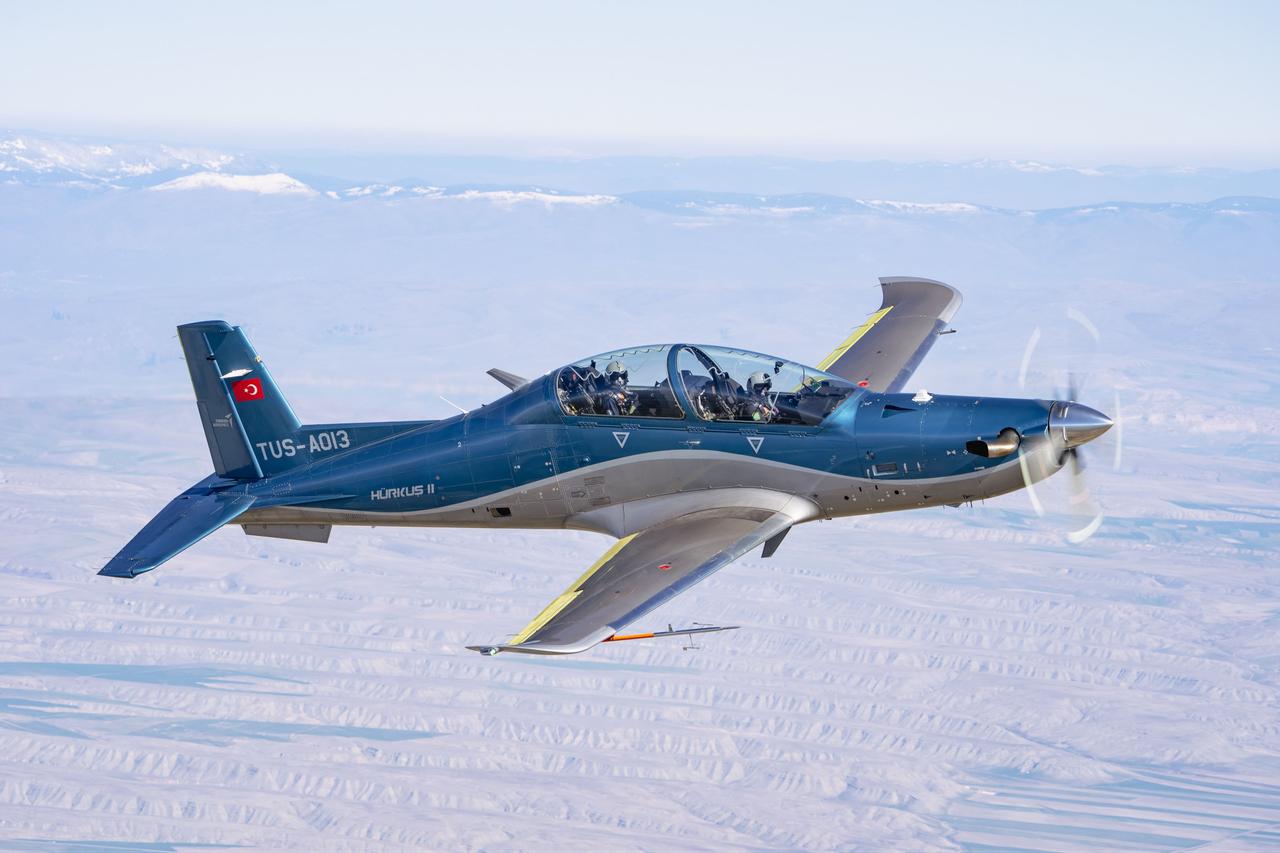


The Turkish Air Force (TurAF) is set to receive its first Hurkus-II next-generation basic trainer aircraft Monday, Sept. 28, opening what officials describe as the era of national manned aircraft in its fleet.
An acceptance ceremony is scheduled for Sept. 28 at Turkish Aerospace Industries' (TAI) Kahramankazan facilities, with Air Force Commander Gen. Rafet Dalkiran expected to attend, the Turkish Ministry of National Defense (MoND) said.
Deliveries are set to continue through the rest of the year.
Hurkus-II is the first step in Türkiye's manned combat aircraft development chain, which is set to continue with the Hurjet jet trainer and the KAAN multirole fighter.
The ceremony will mark the first acceptance of Hurkus-II aircraft following training for pilot and maintenance teams.
The Turkish Air Force is set to receive 55 Hurkus-II aircraft in the first phase. Developed by TAI with domestic capabilities, the aircraft will serve as the Air Force's next-generation basic trainer.
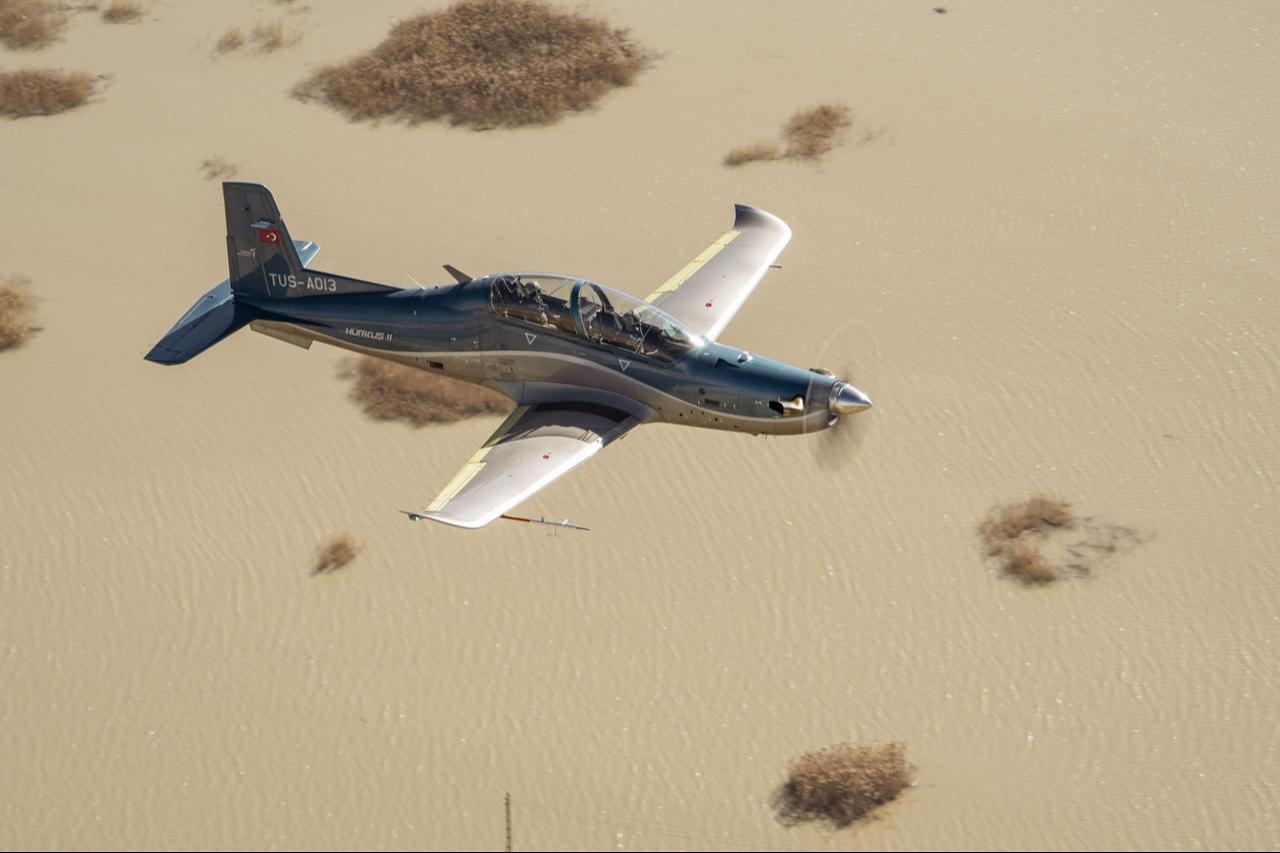

The Hurkus-II sits at the start of a pilot's progression from basic training to jet training and, ultimately, to combat aircraft.
Pilots will use it to develop basic flight and piloting skills.
The Hurkus program allowed Türkiye to design and produce its own aircraft in the modern sense.
TAI and domestic industry gained design, production, testing, and certification capabilities during its development, which have since been transferred to other manned platforms, especially Hurjet and KAAN.
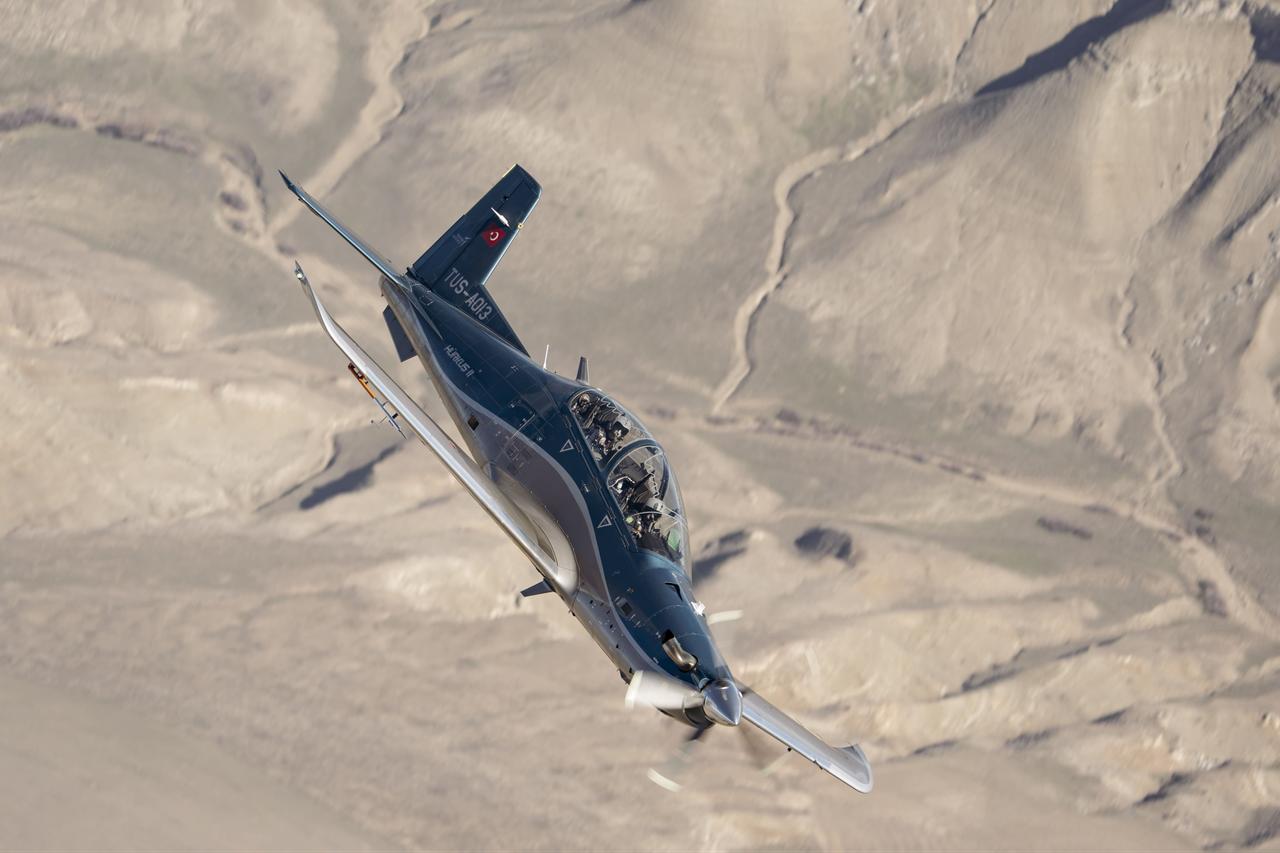
The Presidency of Defense Industries (SSB) and TAI signed the original next-generation basic trainer contract on Dec. 26, 2013. Work on Hurkus-II began after a contract amendment on May 3, 2021.
Hurkus-II made its first flight on Dec. 29, 2024, and entered serial production in 2025.
About 300 sorties were flown across 2,256 test points during development, certification, and qualification tests.
The aircraft received its military type certificate on Sept. 9, 2026. Improvements based on user feedback and localization of systems, including the canopy, cooling system, hydraulic pump, radio, and Identification Friend or Foe (IFF) system, raised its domestic content.
Hurkus-II has a maximum range of 1,190 kilometers, a maximum cruise speed of 533 kph, an anti-G system, and the ability to fly inverted for 30 seconds.
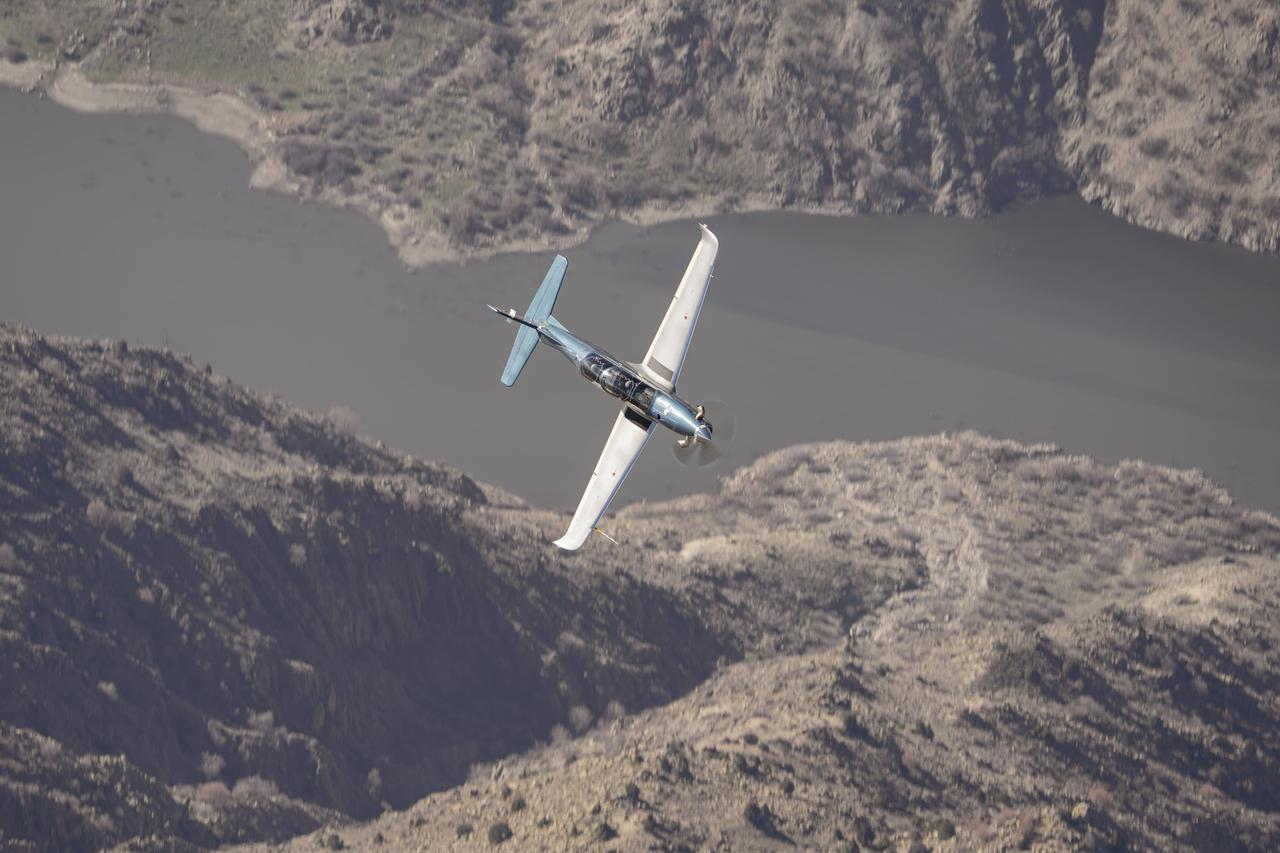
More than 250 next-generation basic trainers are projected to be needed in international markets, in addition to the Turkish Armed Forces' (TAF) requirement.
The goal is to build on the export success of earlier Hurkus configurations and turn that demand into export contracts with several countries soon. Azerbaijan has reached an understanding with Türkiye on Hurkus-II exports, while Hurkus-1 was previously exported to Chad and Niger.
Deliveries of Hurkus-II aircraft are set to continue through the end of the year after Monday's ceremony.


 Set as preferred source
 Set as preferred source


 6 min read