Newsletters




In December 2020, Washington sanctioned Türkiye's chief defense procurement agency under CAATSA for buying a Russian S-400 air defense system the year before.
Ankara was pushed off the F-35 program it had helped develop as a partner nation, and for years American officials, along with some in Brussels, treated the country as the alliance's wildcard—a NATO member that had bought Moscow's hardware and needed to be disciplined back into line.
That framing turned out to be wrong then, and many now argue it's wrong today too. Ankara's pursuit of better air defense was driven mainly by a need to protect itself from NATO's biggest adversaries—the axis of Russia, Iran, and the network of Iran-backed forces across the region, including the Assad regime in Syria.
At the time, Türkiye was fighting a largely solitary campaign against Russian influence on multiple fronts. Libya was the clearest case, a theater Moscow was about to win and did not.
The same competition played out in different terms from the South Caucasus to Sub-Saharan Africa. In Syria, the outcome is now well documented, but President Trump's own acknowledgment was the point that many things have changed.
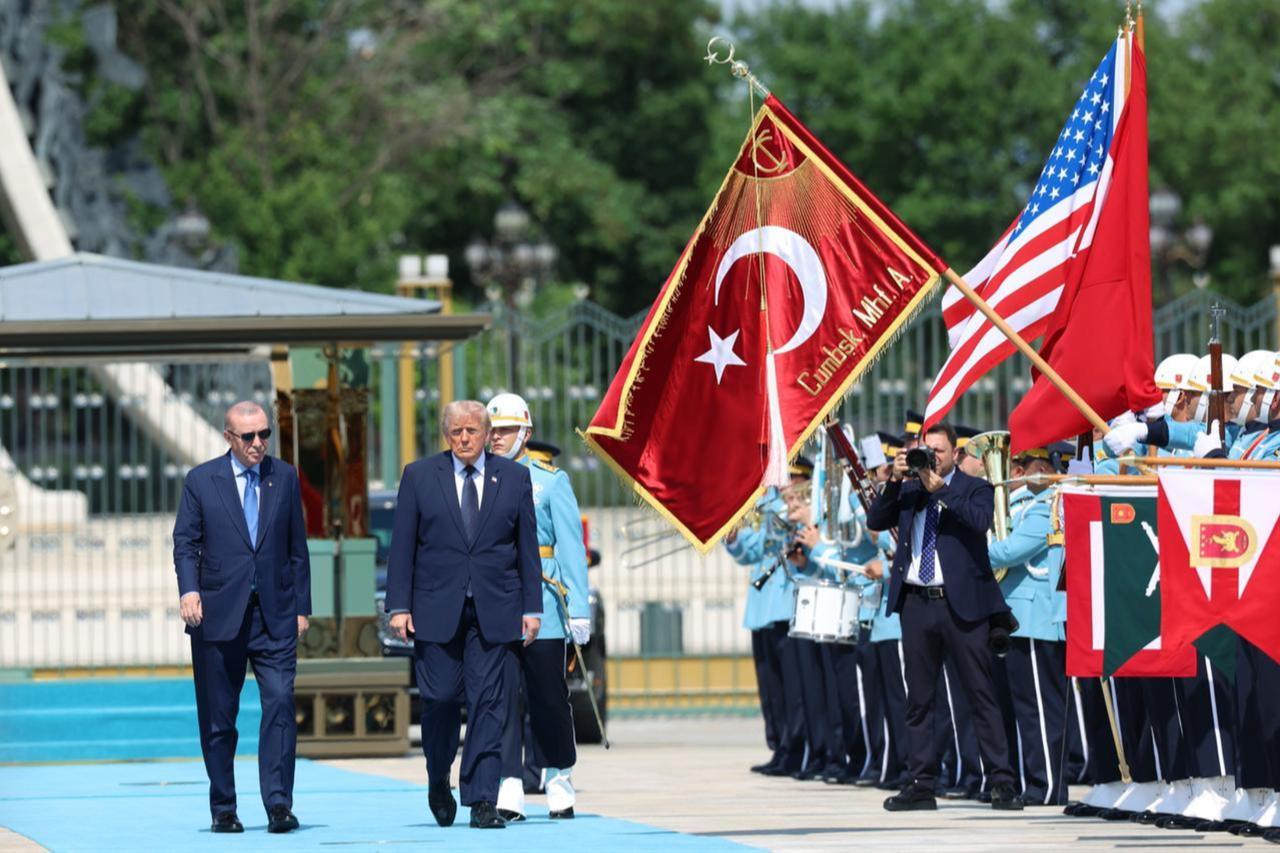
Almost six years after the CAATSA sanctions, Trump stood next to Erdogan in Ankara this Tuesday at the opening of NATO's 36th Heads of State summit and declared Türkiye an asset to the alliance.
Washington would lift the sanctions, he said, and had grown willing to sell Türkiye the F-35s the ban was designed to keep out of its hands. Türkiye, Trump said, was "much more loyal, in many ways, than other countries that we think would be loyal."
The war in Ukraine gets most of the credit for this reversal, and it deserves some. Yet, rather than being a cause, it functioned more as a lens, the event that finally forced the West to notice shifts that had been building for years already.
Yes, in the opening phase of the invasion, Turkish Bayraktar TB2 drones became global symbols of Ukrainian resistance. What that moment actually proved to NATO was that Türkiye is not a consumer of Western arms hoping to catch up, but an independent producer of battle-tested technology that had been in development for years.
It also forced NATO capitals to start evaluating Ankara through a lens of hard-nosed realpolitik, valued strictly by usable combat power rather than by how closely it mirrored Western institutional habits.

Trump does not run foreign policy through institutions he distrusts; he runs it through people he likes. Erdogan, by every account of this NATO cycle, is one of those people. That personal channel is now doing work that used to belong to the State Department process.
It was shown at the same Ankara press conference where the sanctions announcement came. Hours after American strikes hit more than eighty targets inside Iran, Trump used his arrival in Türkiye to lash out at four other NATO members. He named Britain, France, Germany, and Italy for refusing to help with the Iran operation, said he had been "very disappointed with NATO," and did not rule out further American troop withdrawals from Europe. Erdogan got none of that treatment. Instead, Trump framed the sanctions relief as a favor owed to a partner who had shown up, telling reporters simply that the two governments were done sanctioning friends.
The change, however, is structural, not a single summit's mood. Washington keeps tens of thousands of forward-deployed troops across Western Europe, a standing subsidy that lets allied capitals fund domestic priorities while leaning on the American taxpayer for the actual defending. Türkiye hosts a fraction of that footprint and asks for none of that hand-holding: it runs its own operations, on its own budget, along some of the world's most volatile borders.
That contrast is why U.S. Ambassador to NATO Matthew Whitaker told allies ahead of the Ankara summit that Türkiye's defense industry should serve as a model for the rest of them, and why the Atlantic Council's Fred Kempe has called Ankara "Exhibit A" of the ally Trump actually wants: one that shows up with capability now rather than a spending target for 2035.
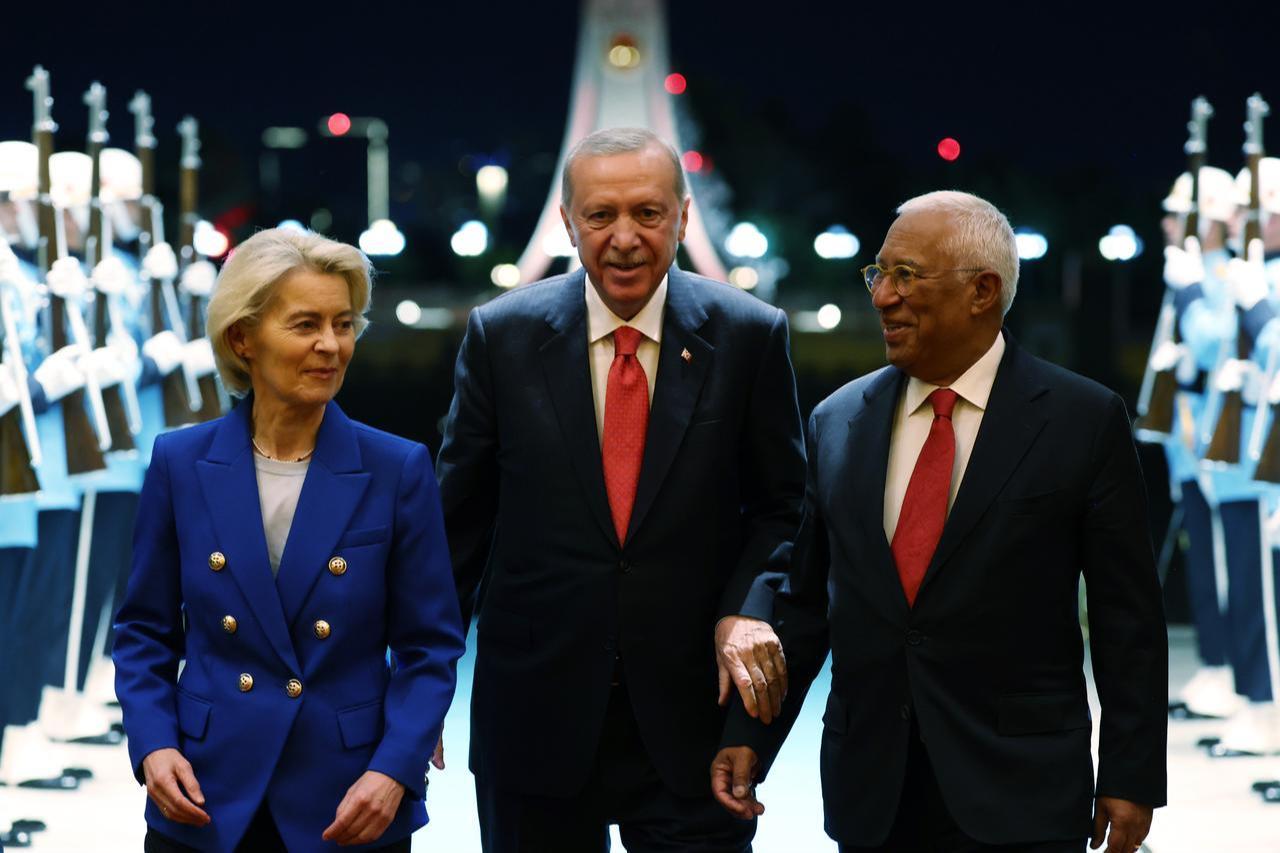
The other half of the story is not about Washington rewarding Ankara. It is about Brussels needing it. NATO members used this same summit to unveil arms deals worth tens of billions of dollars and pledge roughly $80 billion in Ukraine assistance for 2026. While Secretary-General Mark Rutte described Europe's defense spending increases as staggering and warned the alliance no longer has the luxury of time.
The spending is real. So is the strain of trying to convert it into weapons. European NATO core defense spending has roughly doubled since 2019 and could approach $900 billion by the end of the decade, but procurement delays, fragmented national programs, and strained supply chains are slowing the path from budget line to delivered equipment, and Germany recently canceled a multi-billion-euro frigate program outright over cost and schedule problems.
That gap between ambition and output is exactly where Türkiye has planted itself. A continent discovering that money alone does not produce factories needs a supplier who already has them running.
It is not only about factories, either. Türkiye still commands NATO's second-largest standing army, a mass that no European procurement cycle can replicate, no matter how many billions get committed to it.
A continent that spent the post-Cold War decades treating manpower as a legacy problem to be automated away is now confronting wars, in Ukraine and in the Middle East, that have made ground troops relevant again.
Production capacity gets Türkiye into NATO's industrial planning. The land army is what gets it into NATO's actual war planning.
This is the shift that actually inverts the 2019 story. Türkiye was removed from the F-35 program as a penalty for insufficient self-reliance on Western supply chains. Six years later, that self-reliance is the asset.
Türkiye's foreign dependence in defense production has fallen from roughly 80% in the early 2000's to under 20% today, and its defense and aerospace exports passed $10 billion for the first time in 2025, with 56% of that going directly to the European Union, NATO allies, and the United States.
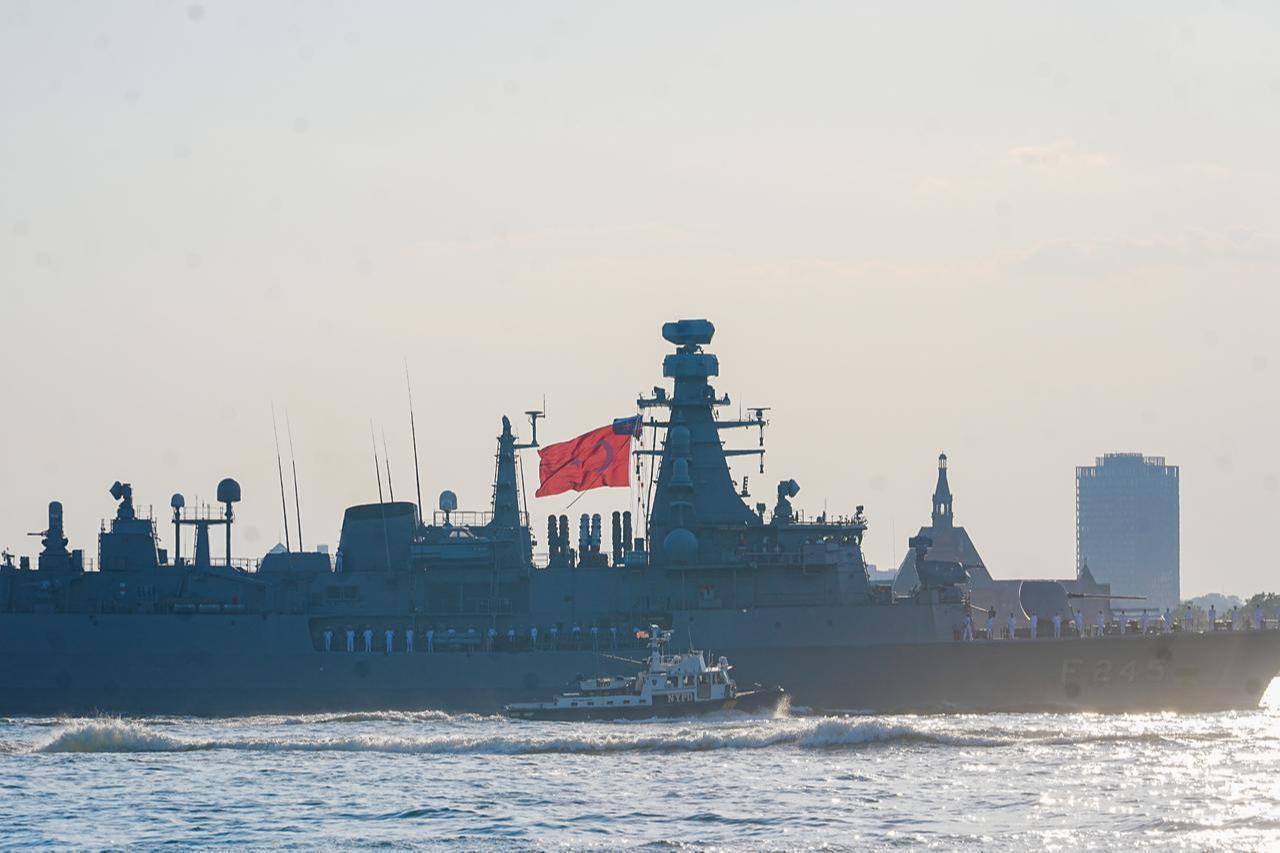
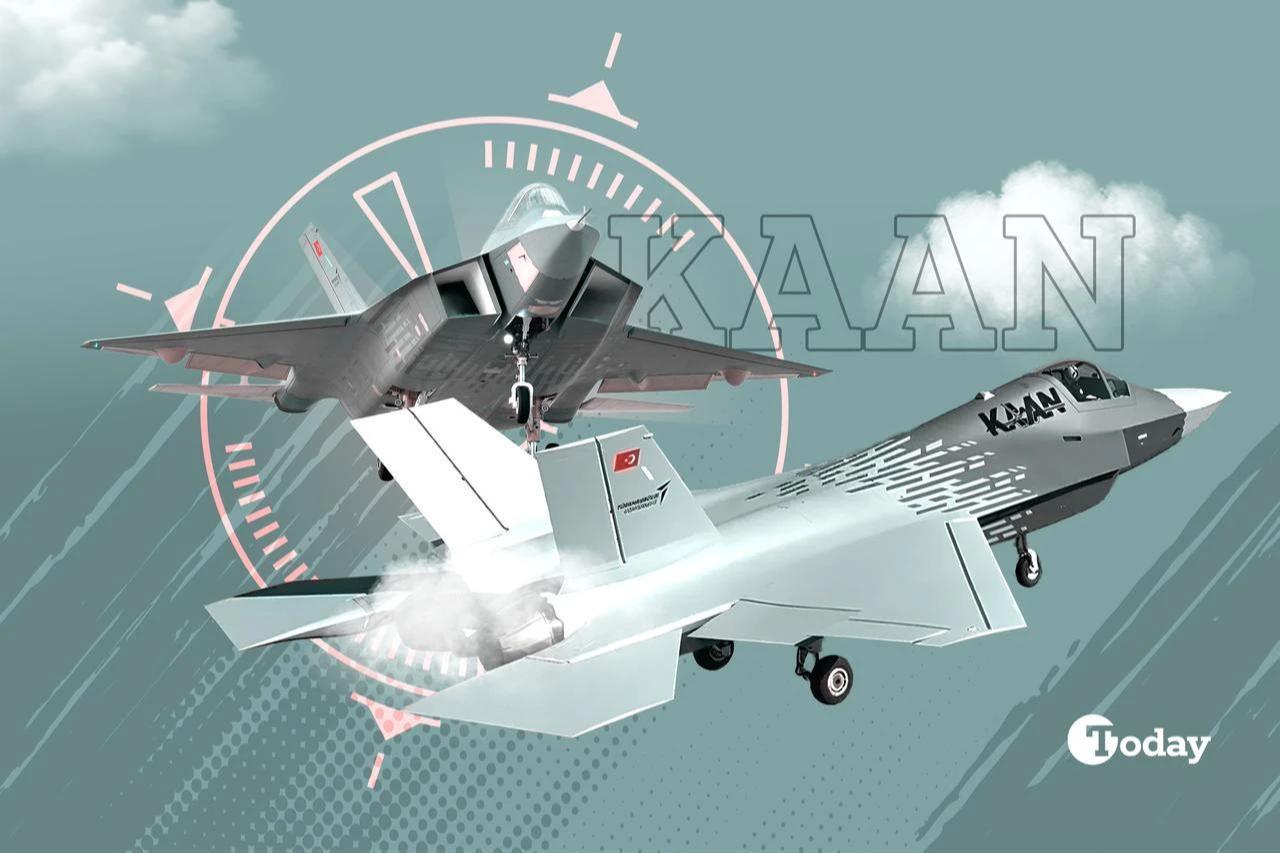
Aselsan sold Poland a $410-million electronic warfare package, the first sale of its kind inside the alliance, and Türkiye delivered a domestically built corvette to Romania, its first warship export to a country that sits in both NATO and the EU. The KAAN fighter program has already drawn Indonesian orders and Spanish interest after Madrid passed on the F-35.
NATO's own institutional language now confirms it. At the Ankara summit's Defense Industry Forum, Rutte cited Aselsan by name—and in doing so, moved Türkiye's defense-industrial buildup out of the category of national story and into the alliance's collective planning. A country NATO once eyed as a compliance risk is now a line item in its deterrence math.
There is a fourth piece that gets less attention because it does not show up in procurement tables. Türkiye still talks to everyone the rest of the alliance has stopped talking to, or never could.
It hosted the Istanbul rounds of the Russia-Ukraine talks. It has a functioning channel to Moscow that has not been severed by four years of war. It moves in the Gulf, in the Arab world, and increasingly in Africa, spaces where NATO's collective identity as a Western club is a liability rather than an asset.
President Erdogan built a domestic political brand on the idea that the world should not be run by five permanent Security Council members who happen to exclude Global South states, or occasionally, any Muslim-majority state. That grievance, aired for years, now doubles as NATO's back channel into rooms the alliance cannot enter on its own letterhead.
As geopolitical shocks forced NATO to confront its own limits, a double standard in Western rhetoric became impossible to ignore. Capitals that stayed largely silent on Gaza while policing dissent over it at home are poorly positioned to lecture anyone on rights and freedoms—and increasingly, no one in the room is buying it, including allies eyeing each other.
Once the alliance's need for Türkiye stopped being limited to migration management and started covering collective defense itself, the old geopolitical cudgel of using "values" against others lost its leverage along with its credibility.
Wildcards are unpredictable by definition. What Türkiye has built since 2020 is the opposite: a set of interlocking dependencies—on Washington's personal diplomacy, on Europe's industrial and military shortfall, and on channels no other capital in NATO can open—that make its behavior easier to forecast than almost anyone wants to admit.
The alliance did not forgive Ankara. It just ran out of better alternatives.


 Set as preferred source
 Set as preferred source


 1 min read
 1 min read