Newsletters




The National Intelligence Organization (MIT) operation that led to the simultaneous arrest of seven suspects in four provinces last week involved dismantling a spy network planted in Türkiye as far back as 1993.
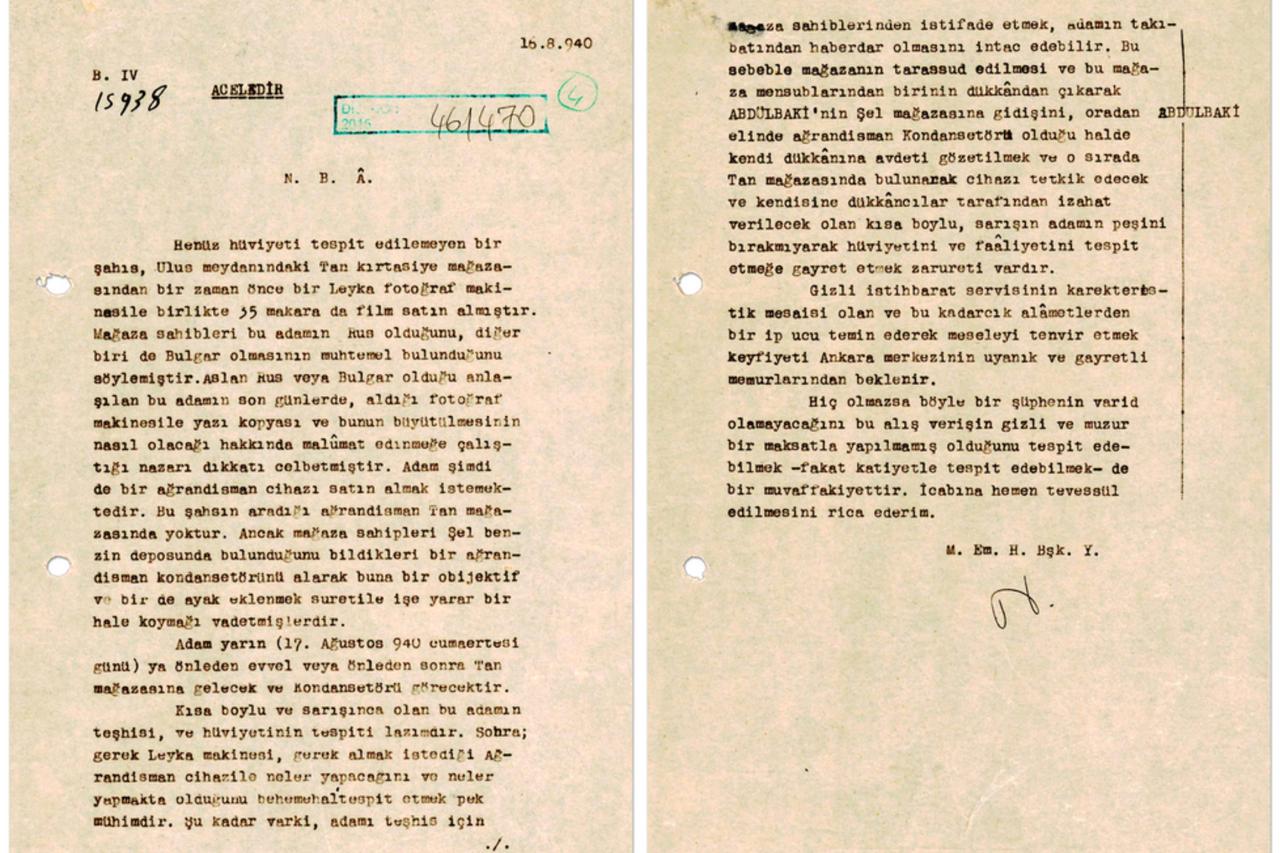
The principal agent had obtained Turkish citizenship in 1995 and had been operating as a "ghost" for a quarter century, according to Hurriyet columnist Fatih Cekirge, who reported the details on Monday. The super ghost operation, he said, demonstrated MIT's world-class counterintelligence capabilities.
According to Cekirge, the principal figure identified as A.C. was dispatched to Türkiye in 1993 and obtained Turkish citizenship in 1995. Settled in Istanbul, the spy operated as the top agent for a foreign intelligence service that Cekirge described as one of the most prominent in the world for 25 years without detection.
MIT identified A.C. not directly but through a second figure, identified only as B.E., who was born in Bursa in 1970, traveled abroad for business from 2006 onward, made contact with intelligence officers during those trips and joined the espionage network.
From 2013 onward, B.E. served as a "news element," an intelligence handler, making contact with 15 different intelligence officials over 12 years and gathering information, particularly related to Türkiye's military operations in northern Syria.
B.E. subsequently rose to become a chief agent, recruiting sub-agents, distributing tasks, and collecting sensitive data on civil society organizations, ethnic groups, and public officials.
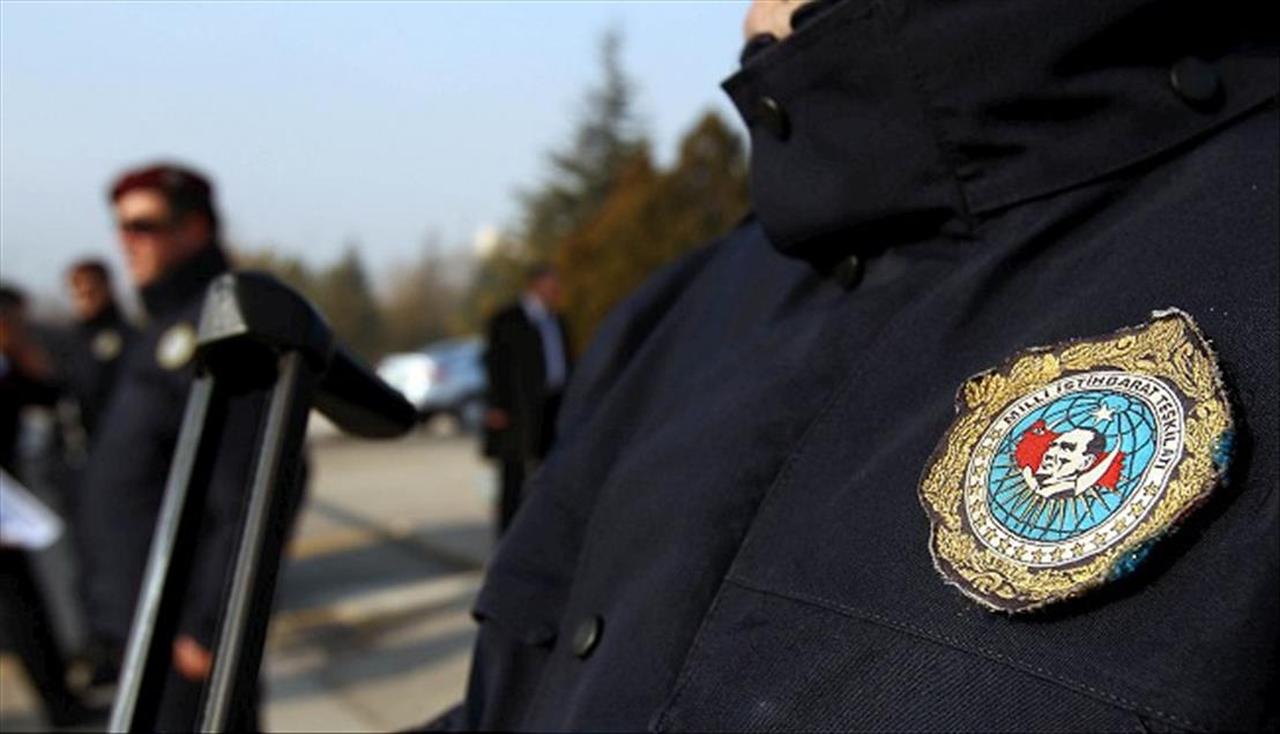

According to Cekirge, the turning point occurred when MIT's surveillance of B.E. exposed his frequent contact with A.C. Instead of moving in on B.E.’s network immediately, MIT strategically expanded its operation to A.C. This patience paid off, uncovering a deeper layer of the operation and revealing A.C. as the master agent of a separate, interconnected foreign intelligence network.
The Turkish columnist described this as what he called a "long-term dubbing strategy," allowing the surveillance target to remain operational to map the full network rather than act on partial intelligence.
 1 min read
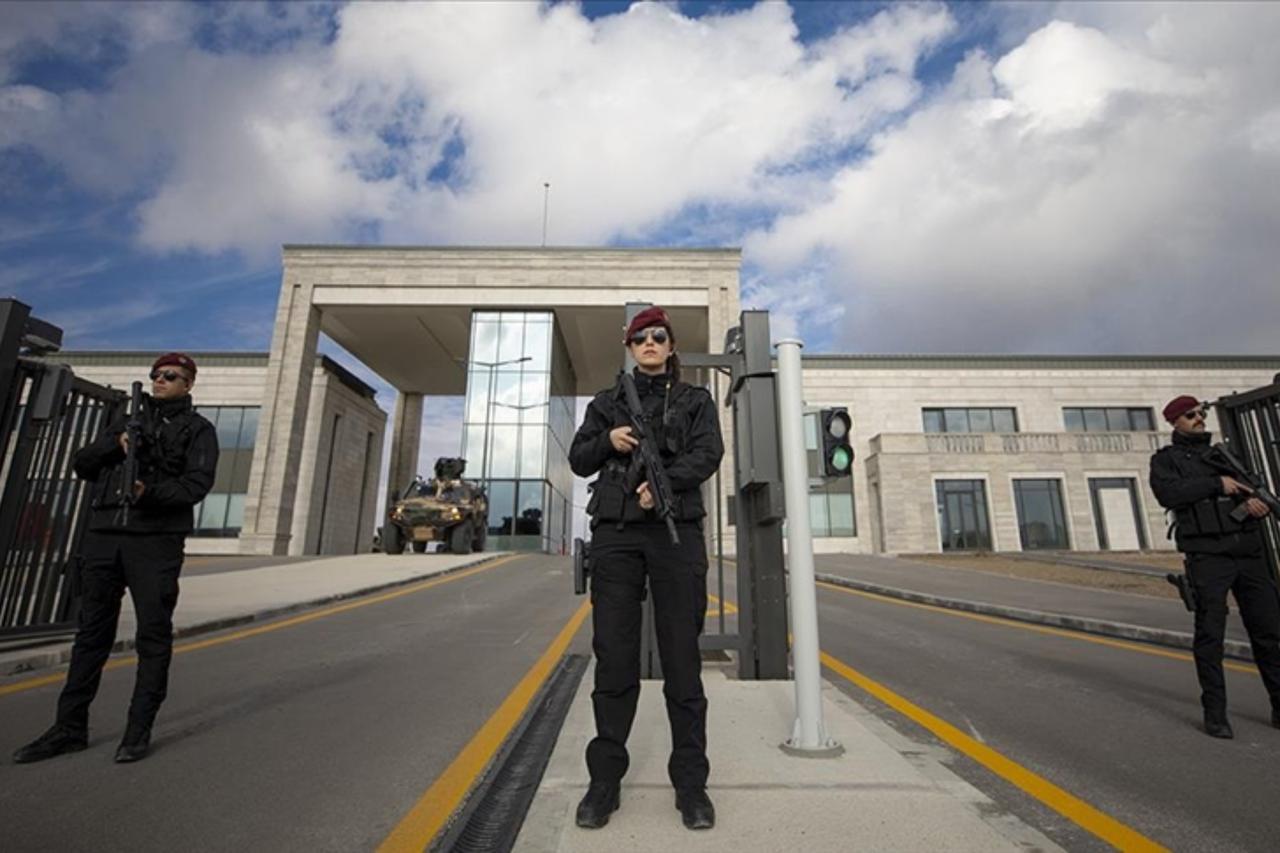
The Turkish intelligence, the Ankara Chief Public Prosecutor's Office, and special counterterrorism teams conducted simultaneous raids in four provinces, arresting seven suspects on Sunday, including the alleged ringleader, on espionage charges.
Two additional network members were already imprisoned on separate charges.
Security sources said that investigators had fully documented the network's communication channels with foreign intelligence services, reporting methods, payment mechanisms, and operational instructions before moving.
The operation also revealed the foreign intelligence services' network structure inside Türkiye, their communication protocols, and strategic objectives.
Cekirge noted that MIT had previously dismantled multiple Mossad-linked networks in Türkiye, and that the absence of an Israeli attribution in official statements was itself a signal that a different, and in his description, larger, intelligence power was involved.
He did not name the country, citing confidentiality, but said the intelligence service in question was the kind "whose name appears in the main intelligence battles in spy films."


 Set as preferred source
 Set as preferred source


 1 min read