Sign in
 Newsletters


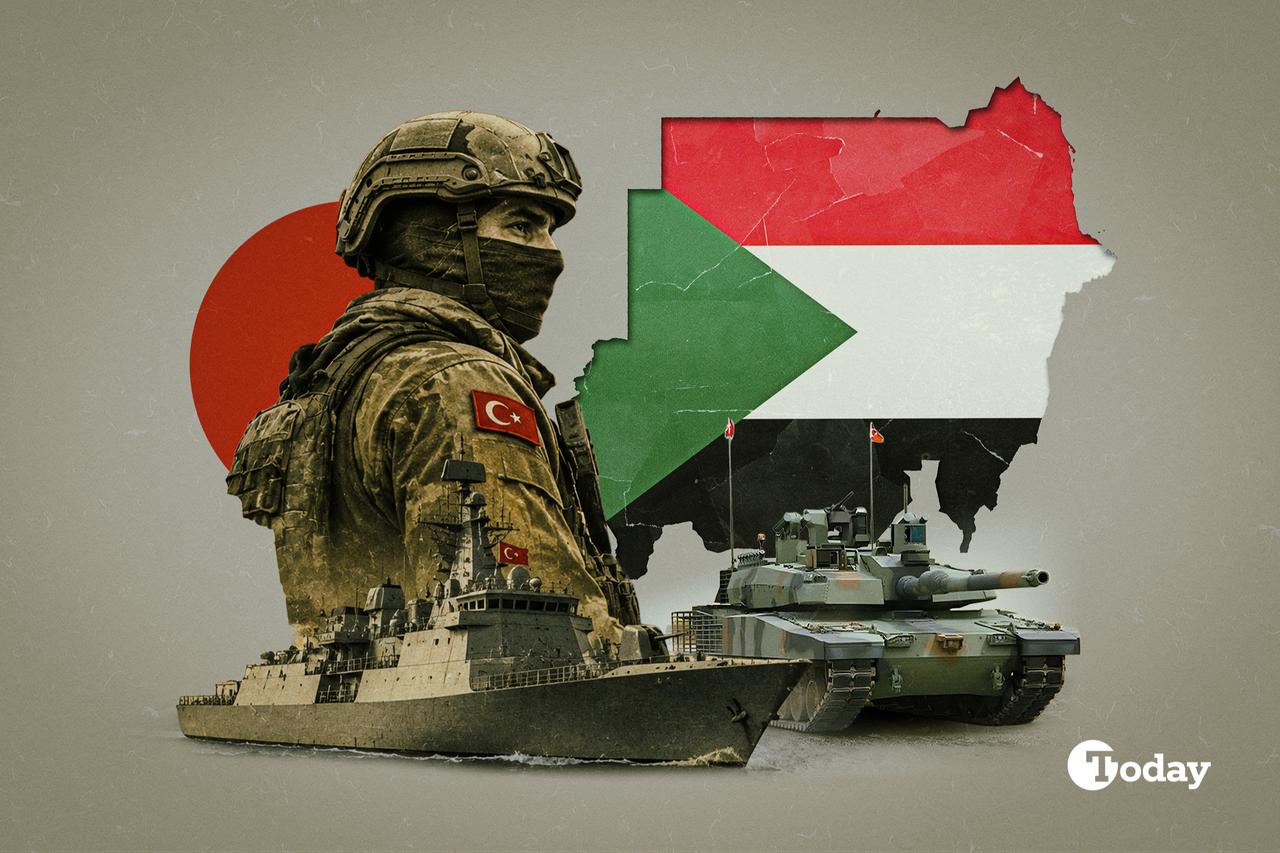


A delegation from the Turkish Naval Forces Command and the General Directorate of Naval Shipyards visited Sudan from Nov. 2 to 5, the Defense Ministry announced on Nov. 10.
According to the statement, the delegation inspected the repair shops and the slipway at the Port Sudan Naval Base. The purpose of the visit was to strengthen the Sudanese Navy's shipbuilding capacity, and the delegation also paid a courtesy visit to the Commander of the Sudanese Navy, Vice Admiral Mahjoub Bushra Ahmed Rahman.
Only a day after this announcement, on Nov. 11, the Italian news agency Nova, citing Libyan sources, reported that Saudi Arabia would no longer oppose a possible Turkish naval base on the Red Sea coast. The order in which these two reports appeared matters: first came a technical, institutional visit announcement, then a second-hand, source-based commentary that placed that same visit in a far more ambitious strategic frame.
Türkiye’s military contact with Sudan is not new. Ankara has followed a steady pattern there for some time, and its involvement remains limited. It is not a full military commitment; it mainly supports the Sudanese Armed Forces (SAF) in their fight against the Rapid Support Forces (RSF).
Within this framework, drone supply and technical, staff-level advising stand out as the main elements, though they remain part of a limited and targeted support package. Sources point to this same limit: "The reason for our presence and our effort in Sudan is very clear. Port Sudan is not a place we're unfamiliar with, but we are not deployed there. There is a need to shore up fragile ground," sources said. They added that Türkiye's presence in Sudan should not be confused with its military presence in Syria or Libya: "The Qatar model isn't the right comparison here either. Sudan is a different situation."
It is known that Ankara already provides technical and staff-level support in Port Sudan, but describing the delegation's latest visit outright as a "military base" move is premature at this stage. The Defense Ministry's statement speaks of inspecting repair shops and a slipway, that is, assessing the technical capacity of existing infrastructure. This points to a deepening of ongoing cooperation rather than a commitment to build a new base.
The Saudi-Turkish rapprochement that Nova reported offers some context here. The Mecca alliance defense pact signed on Aug. 7, which treats an attack on any one party as an attack on all three, creates an environment that could loosen Riyadh's past caution toward Turkish presence in Sudan. Some developments on the ground already seem to confirm this, including Pakistan's tightening military ties with Sudan's leadership and Saudi financial backing extended through a second channel.
Sources don't rule this out, but they're cautious about it.
"This is something where a lot of parameters have to be weighed at the same time," people familiar with the matter said, and for now they are not tying the framework to the Mecca pact or to political alignment among the pact's members on Sudan.
Still, all signs point to Ankara and Khartoum's cooperation tightening with the aim of strengthening Sudan's presence on the Red Sea. As a natural consequence of that tightening, it's fair to say that Türkiye's own presence in the region will grow as well.
But this is not really a new story. The 2017 agreement signed during President Erdogan's visit to Sudan, which provided for the restoration of Suakin Island, triggered a similar debate over a military base. After the fall of Omar al-Bashir in 2019, Türkiye denied reports that the agreement had been cancelled, but no actual base was ever built either.
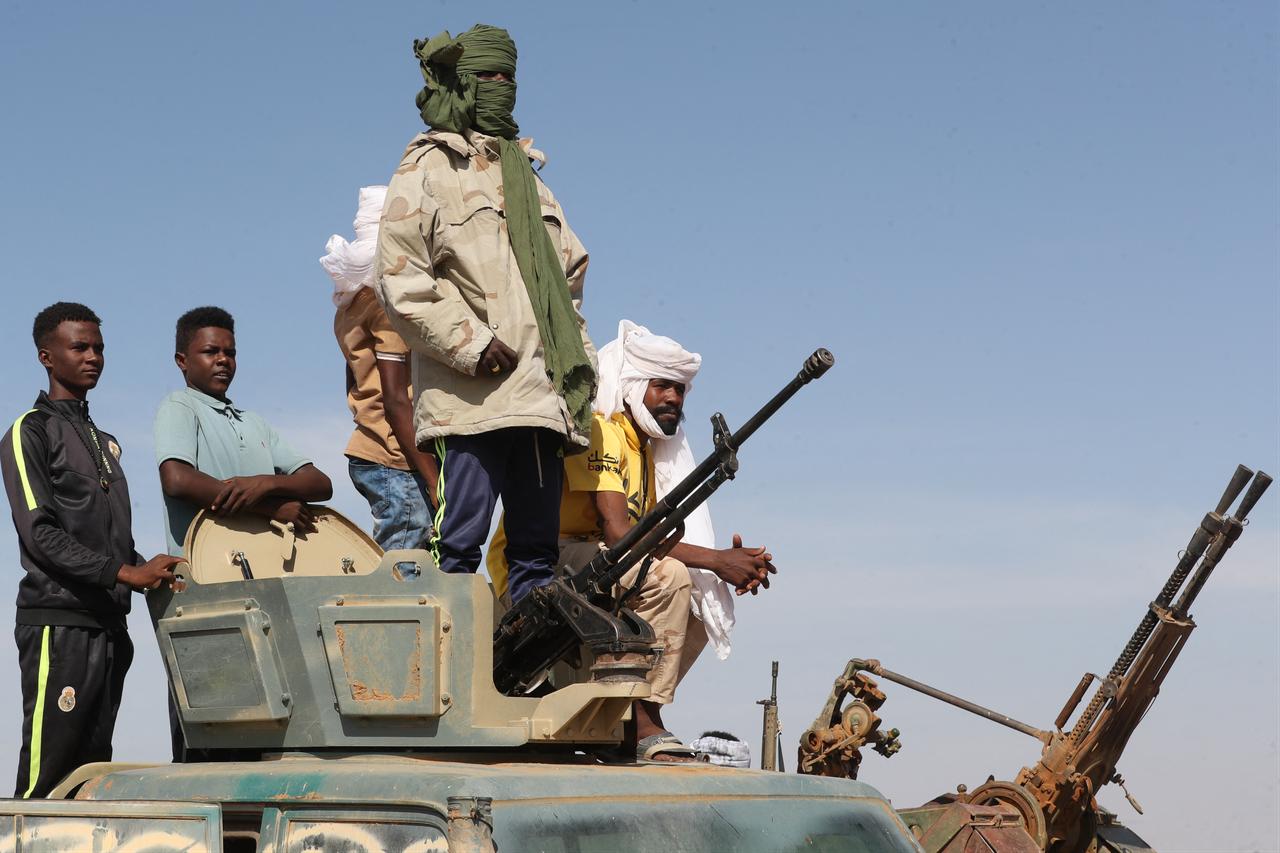

One more point is worth keeping in view while discussing this issue. Russia's base plan in Port Sudan is, as of today, effectively on hold. The project, whose groundwork was laid in 2017 and which was tied to a framework agreement in 2020, was announced as approved by Sudanese Foreign Minister Ali Youssef Ahmed al-Sharif in February 2025, yet it still hasn't been formally carried out.
On Oct. 30, Sudan's army command offered Russia a free economic zone on the Red Sea instead of a new naval base agreement. The 2020 base agreement still hasn't been ratified. The Red Sea naval base Russia has announced for nearly a decade still hasn't been built, though it hasn't been formally shelved either. Some sources describe it in more definite terms, saying Moscow has effectively abandoned the plan.
One factor cited is the drone attack the RSF carried out on the naval base near Flamingo Bay, close to Port Sudan, this past May. Sources say that attack is also among the reasons Russia, already engaged in a conflict with Ukraine, is avoiding opening a second front in this region.
This picture shows that the project Russia has been working on for years has stalled because of wartime conditions and political instability, and that the gap on the Red Sea remains unfilled. If the Russian base project is indeed off the table, that creates an opening Ankara could weigh. This moment, where Sudan's search for allies intersects with the Riyadh-Ankara rapprochement, offers a convenient basis for Türkiye to turn its existing technical cooperation into something more permanent, though that's not something that should be read as a military basing move outright.
In the end, there's no direct evidence that a Turkish military base is about to be formally established. The Defense Ministry's statement doesn't go beyond a technical reconnaissance and capacity-building visit. But the order and context of these reports show that cooperation along the Ankara-Khartoum axis is deepening, and that this deepening, combined with Russia's stalled project in the region, could gradually expand Türkiye's strategic footprint on the Red Sea.


 Set as preferred source
 Set as preferred source


 5 min read