Newsletters


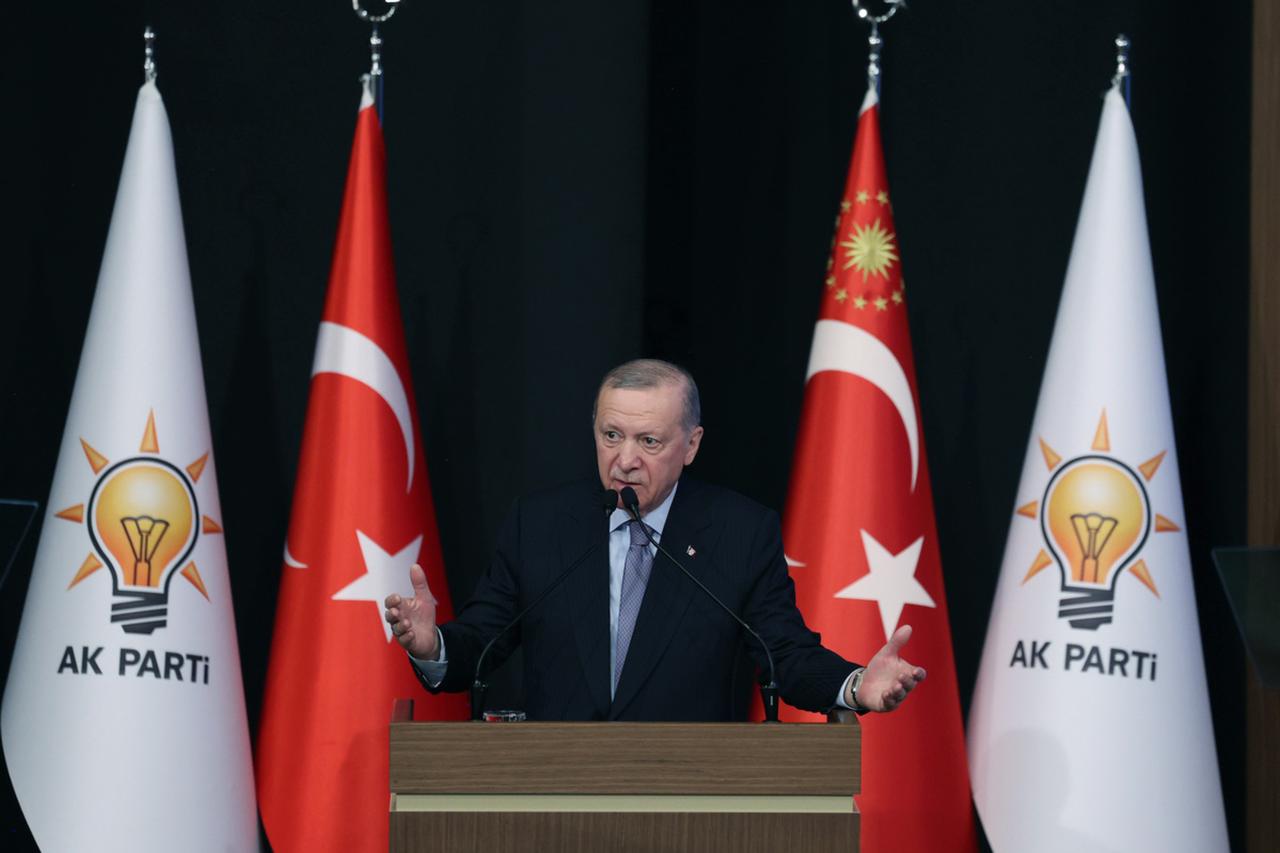


At a ruling Justice and Development Party (AK Party) gathering on Dec. 24 in Ankara, President Recep Tayyip Erdogan addressed attendees, emphasizing a renewed focus on direct public outreach.
He stressed that the party’s mission is to speak to and embrace all of Türkiye’s 86 million citizens, without distinctions based on ethnicity, religion, sect, or political identity.
Framing the ruling AK Party as a movement representing the entirety of the country rather than specific ideological groups, Erdogan’s remarks reinforced a long-standing narrative of broad-based legitimacy.
His language emphasized inclusivity and nationwide reach at a time when critics frequently argue that political polarization has narrowed public engagement.
The party’s main opponent Republican People's Party (CHP) chair Ozgur Ozel has been criticizing the governing party from this point for a long time.
In his speech, the president emphasized the need to re-engage with the grassroots, underscoring that the party must "do it once again."
In recent weeks, questions have emerged in Türkiye’s media landscape over who speaks for political power on television.
Prominent commentators affiliated with pro-government platforms have noted that elected officials have appeared less frequently in televised debates, while political arguments are increasingly articulated by media figures rather than politicians themselves.
This dynamic has raised concerns about the boundaries between journalism and political advocacy. Critics argue that when political actors withdraw from direct debate, media commentary fills the gap.
Supporters of this view suggest that political authority is most credible when exercised directly by elected representatives, particularly in an era of heightened polarization and public distrust.
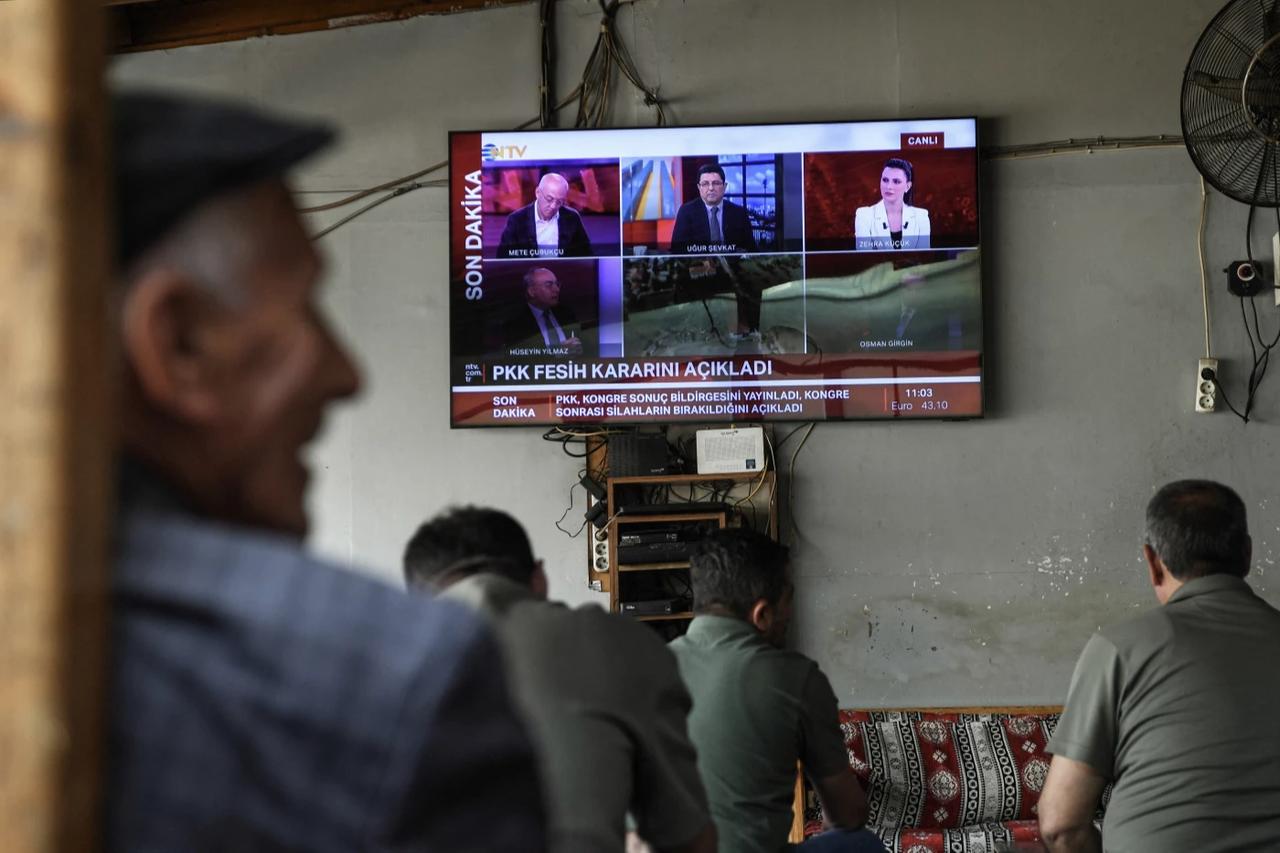

Political observers say the ruling party is increasingly aware of the limitations of indirect media representation. According to this reading, the leadership is seeking to place elected officials and party figures back at the center of political messaging, particularly on television and in public debate.
Such a shift would mark a departure from recent years, when political narratives were often conveyed through sympathetic media voices rather than direct participation by policymakers themselves. The goal, analysts suggest, is to reassert political ownership over policy defense and public messaging.
A brief statement shared by the ruling AK Party media and publicity chief Faruk Acar has responded to the ongoing debate.
While the message left room for interpretation, it effectively confirmed that ruling party politicians are expected to take on a more visible role in media appearances in the times ahead.
Read this way, the message suggested not a restriction but an adjustment toward greater on-screen participation by party figures themselves.
The carefully worded statement did not introduce a new policy but sought to draw a line between internal expectations and what the party sees as externally constructed narratives.
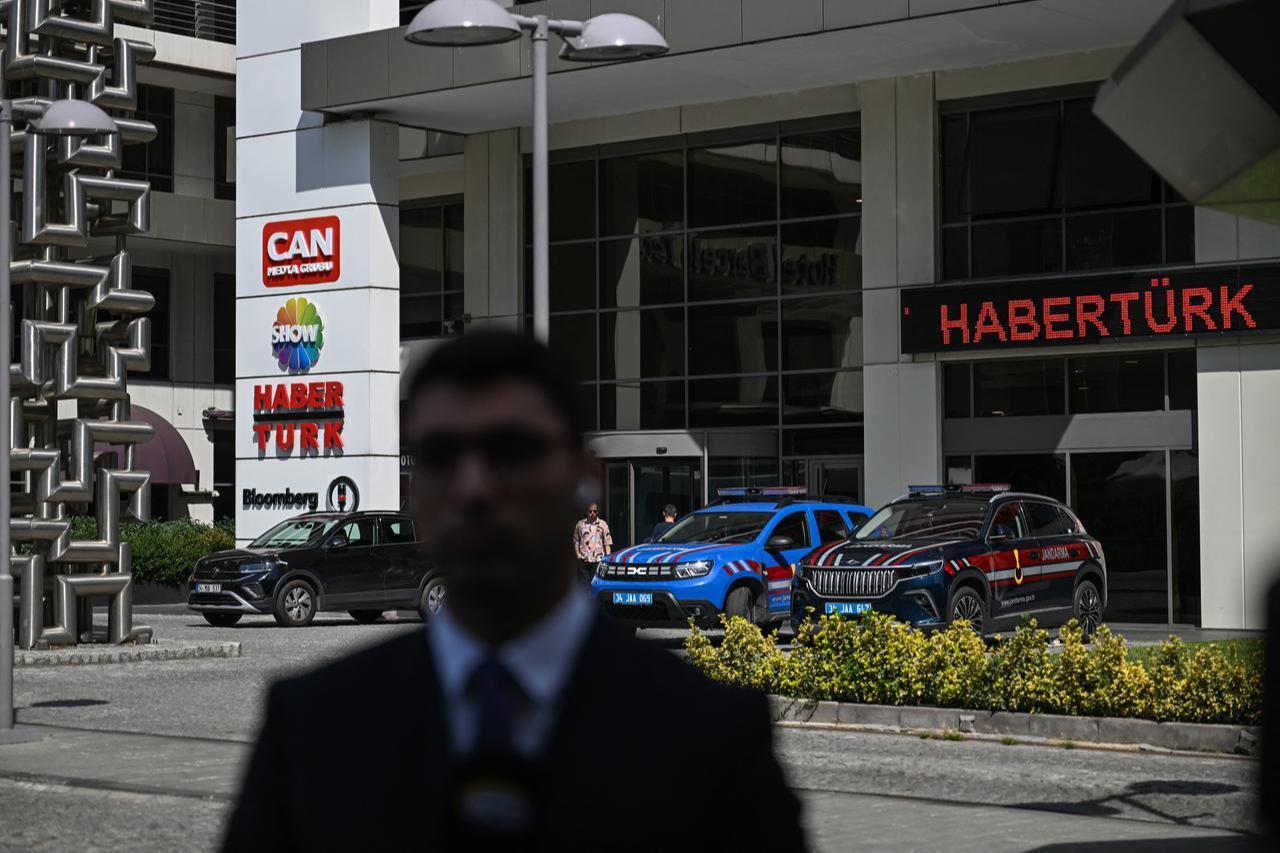
Underlying the debate is a broader structural issue within Türkiye’s media sector. Throughout 2025, significant investments failed to prevent the closure of at least one major television channel.
Despite significant investment, low profitability and declining audience trust have constrained the political impact of many outlets, whether aligned with the government or opposition.
The media landscape includes outlets under the Türkiye Wealth Fund, alongside state-run broadcasters and agencies, creating a crowded but financially strained environment.
As economic pressures mount, the effectiveness of media-driven political messaging has increasingly been called into question. For ruling parties, this has sharpened the need to reconsider how political authority is communicated and by whom.
Alongside messaging changes, the party’s leader, Erdogan, outlined an extensive winter outreach program centered on direct contact with voters and prepared by the party’s organizational leadership.
The plan includes the root method of the party, household visits, small community meetings, and engagement with local businesses and civil society organizations, extending into remote and economically disadvantaged areas.
The emphasis on face-to-face interaction reflects a broader belief that political legitimacy is reinforced not only through media visibility but through sustained physical presence. In this sense, the renewed focus on grassroots engagement complements the evolving media strategy rather than replacing it.
Taken together, ongoing legal proceedings involving several high-profile media figures and a recent leadership change within the state’s communications apparatus are reinforcing signs that the relationship between media and politics in Türkiye may be entering a new phase.


 Set as preferred source
 Set as preferred source


 1 min read