Newsletters


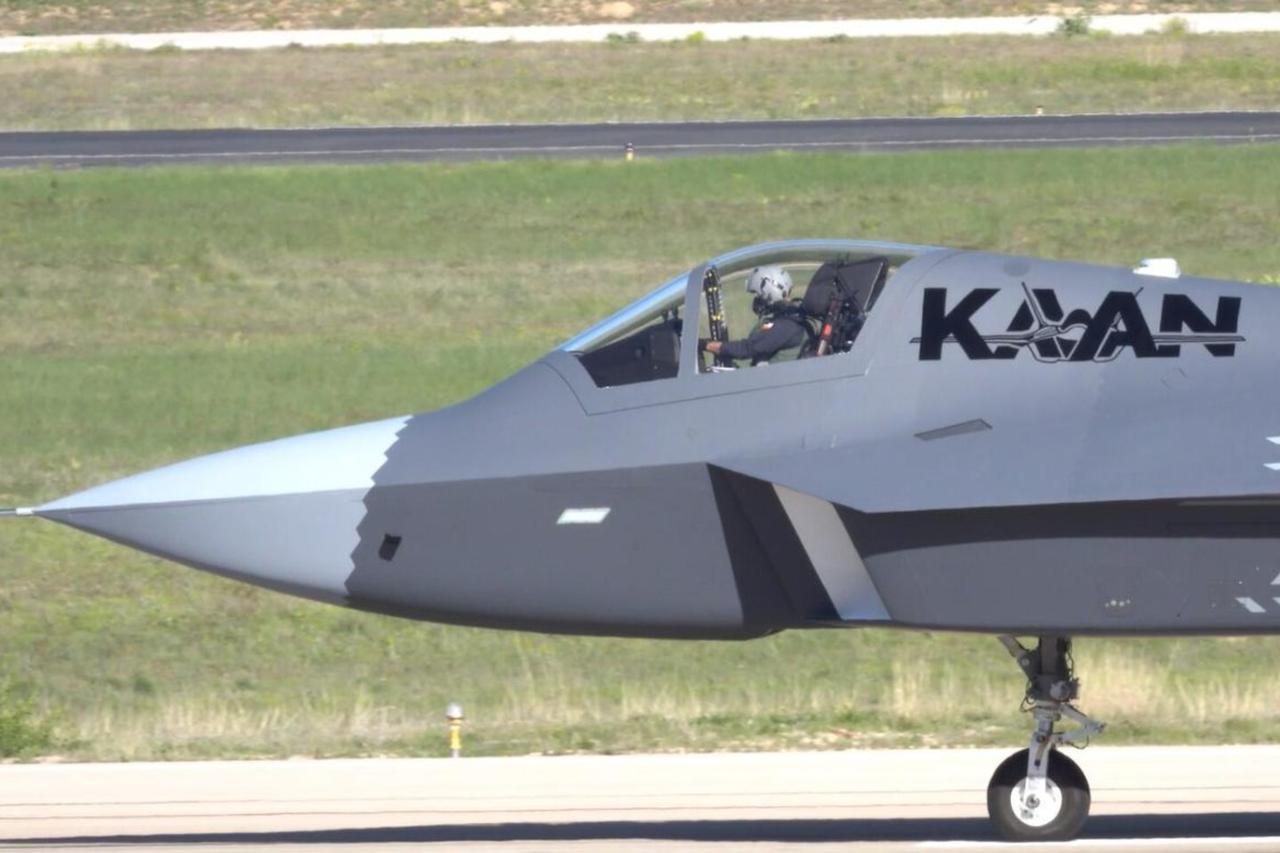


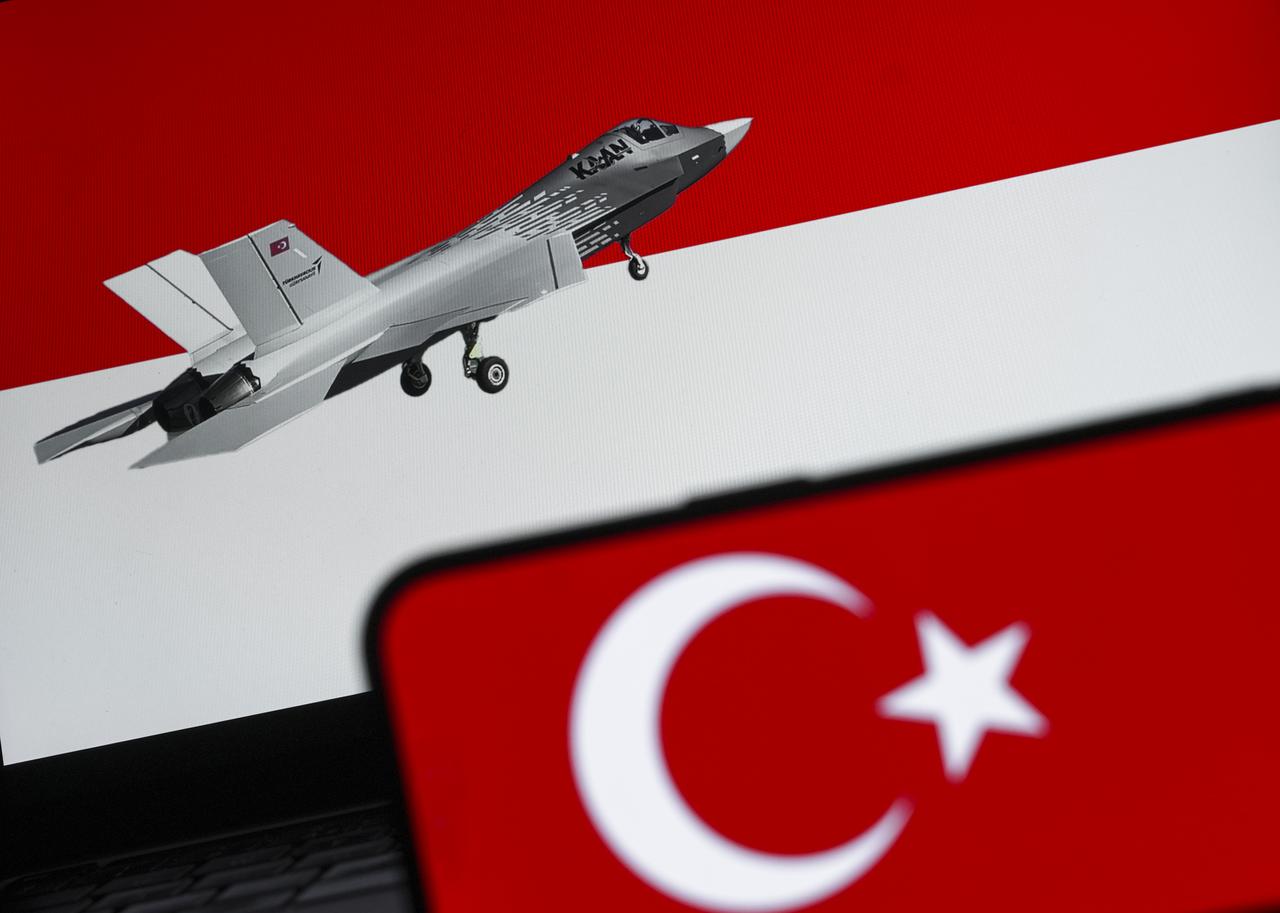
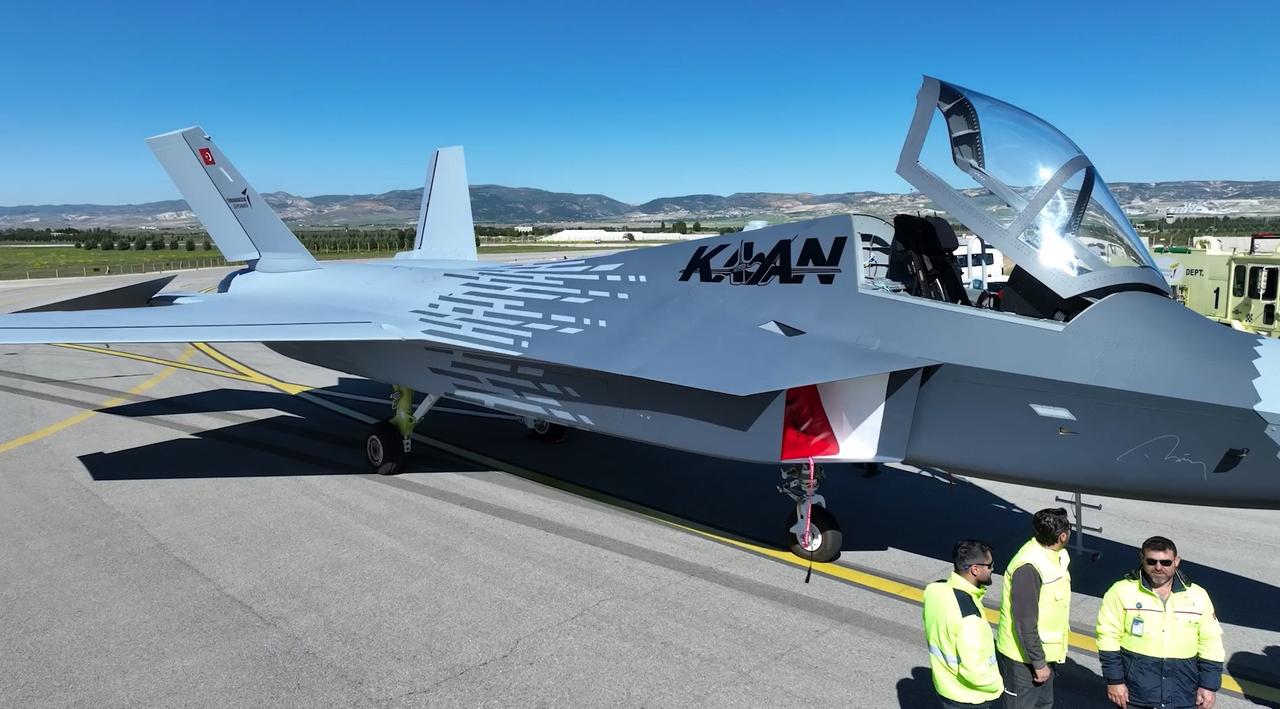
Turkish Aerospace Industries (TAI) CEO Mehmet Demiroglu announced that the first flight prototype of Türkiye's national combat aircraft, KAAN, will fly by June at the latest, with serial production deliveries now targeted for 2029, during an appearance on the SAHA Istanbul YouTube program.
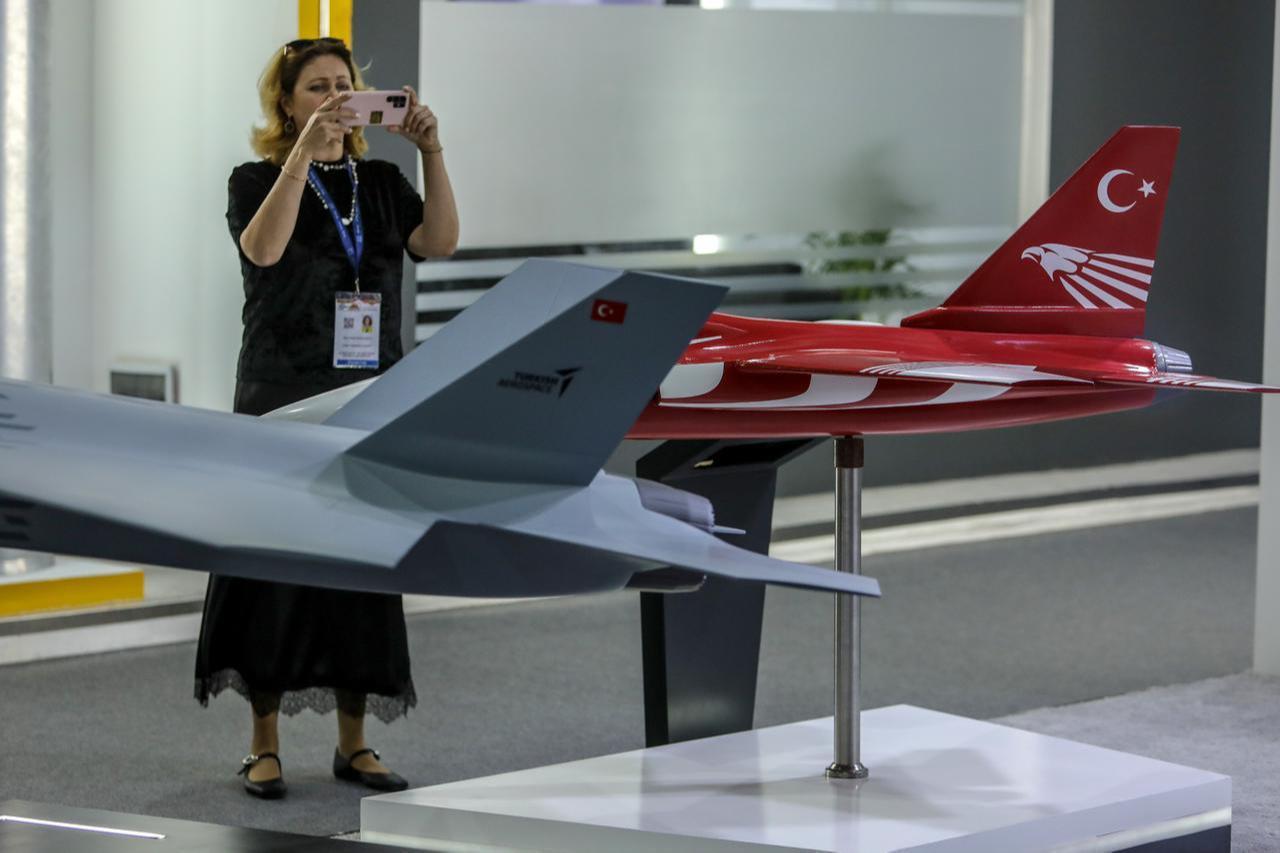

Demiroglu confirmed three flight prototypes are currently in production, with the first expected to fly between May and June.
"We had planned the first one for the end of April, but we will fly it in May, or at most June, Allah willing. Minor last-minute touches and last-minute setbacks can always occur in such large projects," Demiroglu said.
"I can comfortably say that by June, we will have seen KAAN's first prototype fly," he added.
The second prototype will follow, with Demiroglu targeting the end of this year. The third prototype is planned for either late this year or early next year.
"There are also ground tests for these; two to three months of ground tests, including system, resonance, fuel, electrical—all tests must be done so we can safely and confidently release them for flight. These can take a long time," Demiroglu explained.
The existing engineering prototype continues ground testing but is no longer used for flight tests.
Demiroglu clarified that although 2028 was previously mentioned, the target has shifted to 2029 due to the project's scale and testing processes.
He added that the likelihood of maintaining the 2029 target remains high, noting that small delays of a few months can gradually push timelines.
"By 2029, we will have passed this serial production phase and started deliveries. We also expect to receive the official order for these 20 aircraft soon," he added.
The CEO emphasized that delays of two to three months are not cause for concern in projects of this magnitude, referencing the lengthy development of the F-35.
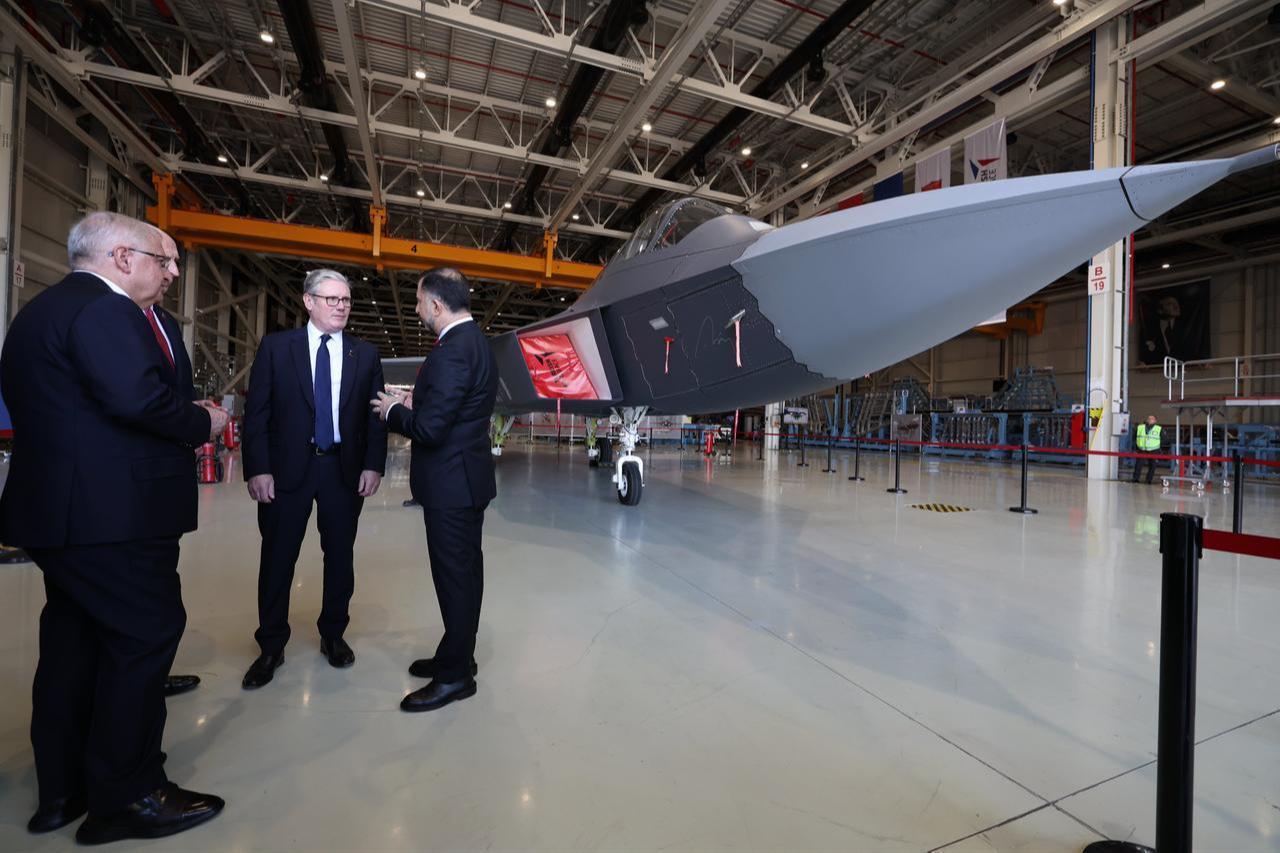
Demiroglu detailed the engine strategy for KAAN's initial production batches, designated Block 10 and Block 20.
"We first chose the F110 engines as a temporary solution. Why? Because it’s an existing engine we’re familiar with and have readily available. It’s used in F-16s and closely matches our requirements. We’re aiming for 35,000 pounds of thrust, but these engines are in the 29,000–30,000 range," Demiroglu said.
Between 20 and 40 KAAN aircraft will be produced with F110 engines in the Block 10 and Block 20 phases.
"This is not our main engine. Why? Because it's an existing engine with all our infrastructure—test infrastructure, MRO infrastructure, everything. Using it was the most logical choice," Demiroglu explained.
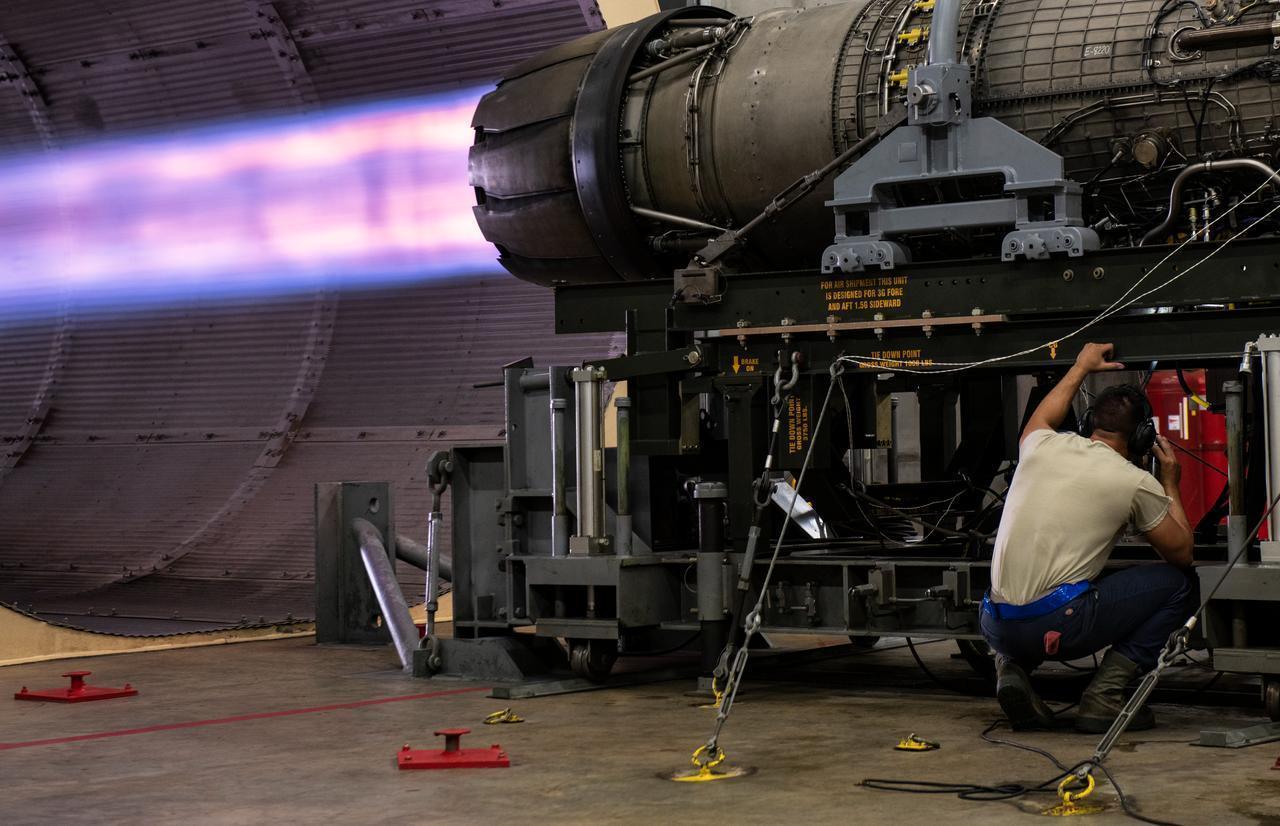
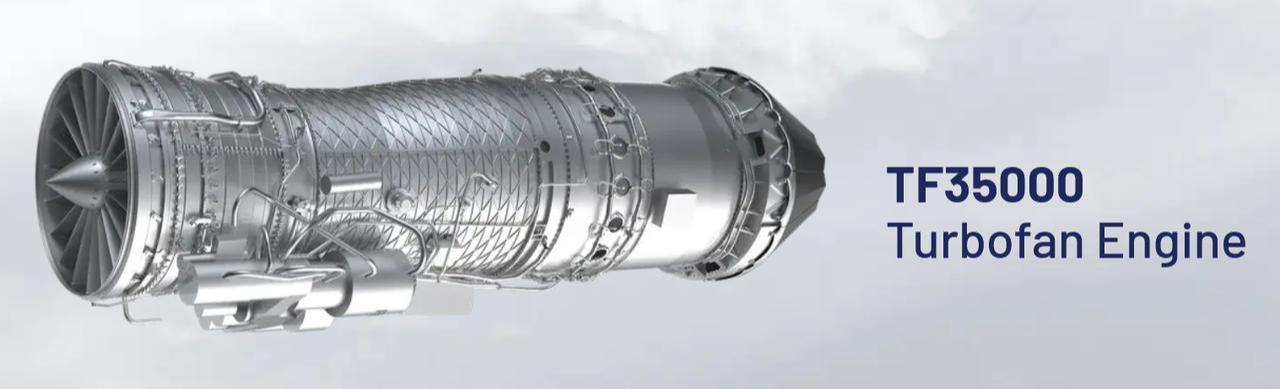
The indigenous engine critical for KAAN's full independence is progressing, with TRMotor and TUSAS Engine Industries (TEI) teams working intensively.
"We are targeting 2032 for this engine (TF35000) to be completed and its integration with the aircraft finished," Demiroglu said.
With the indigenous engine integration, KAAN is expected to fully acquire 6th-generation aircraft capabilities.
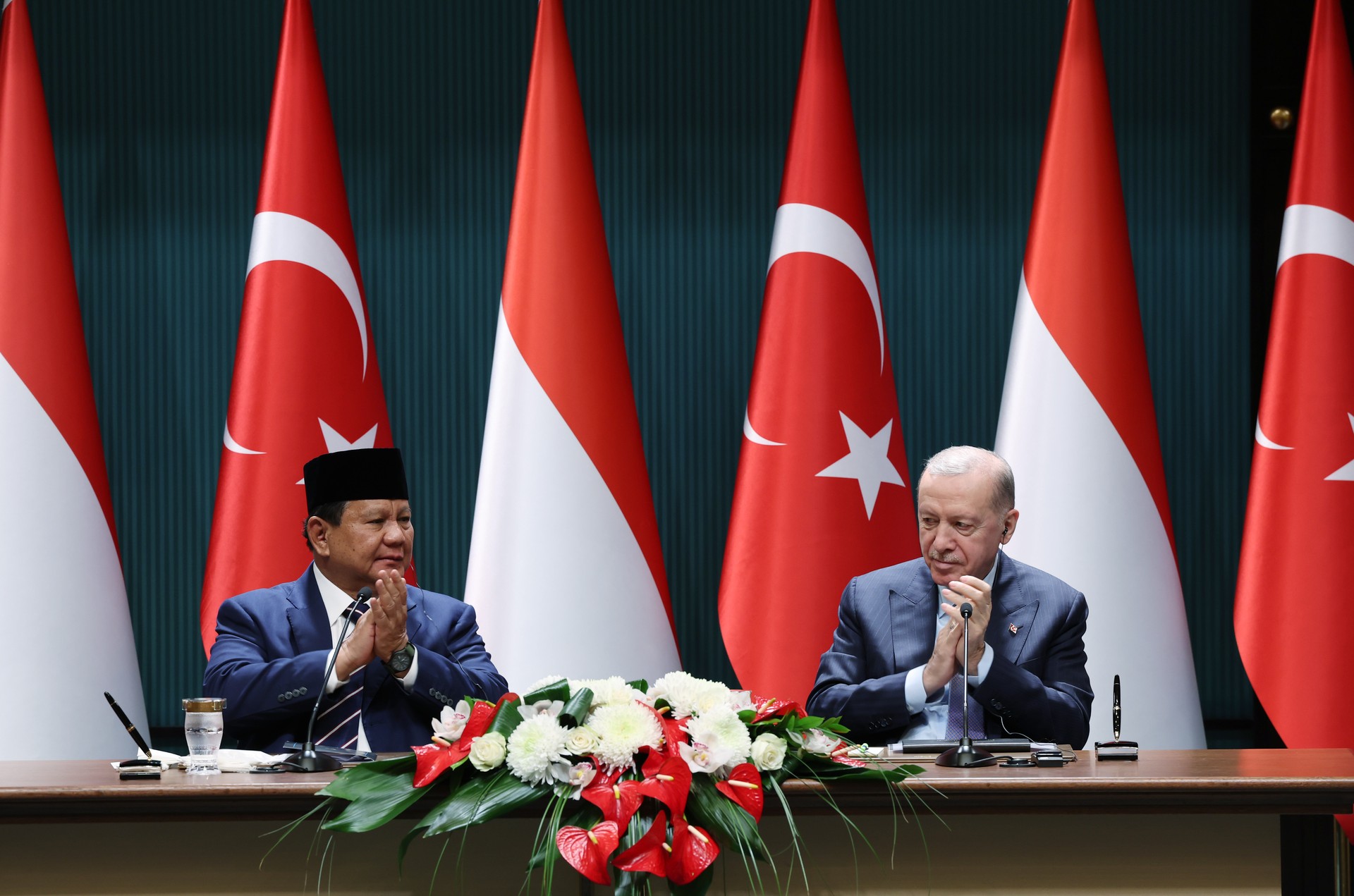
Demiroglu revealed details of the framework agreement with Indonesia, expected to be KAAN's first export customer.
The agreement is valued at $15 billion, with the Indonesian side specifically willing to wait for the ITAR-free version equipped with the indigenous engine.
 1 min read
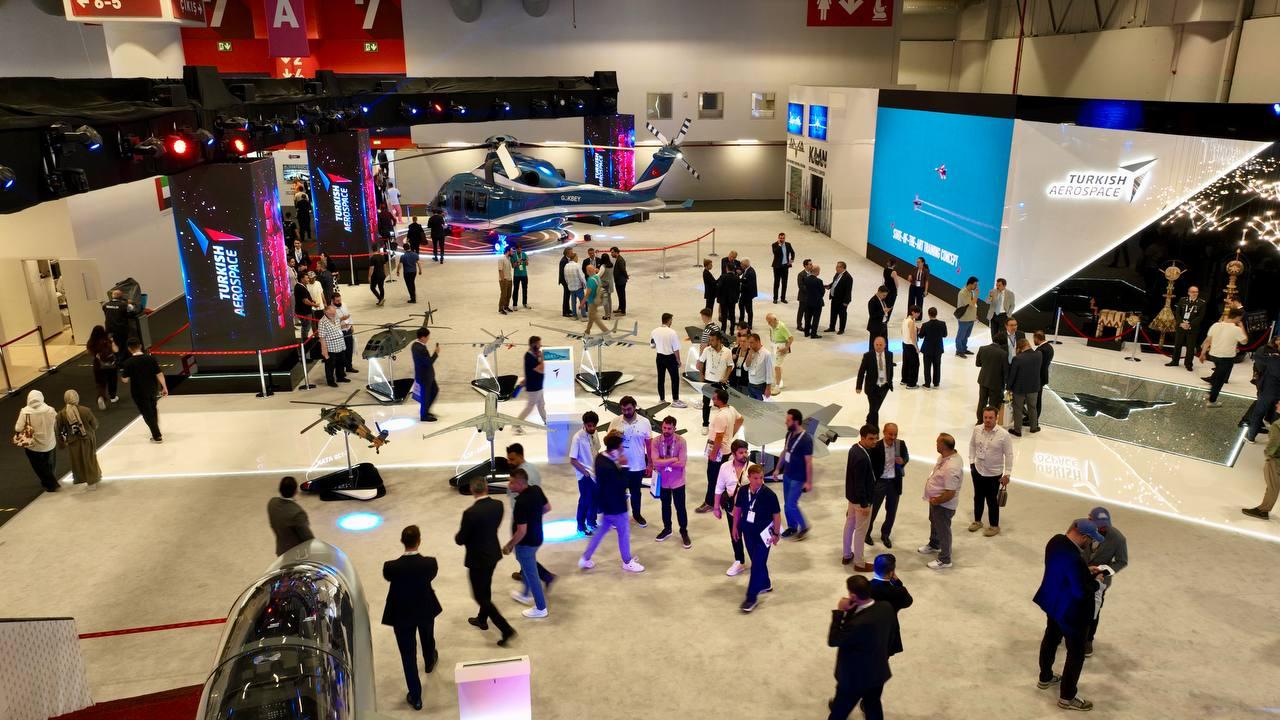
Demiroglu characterized 2025 as highly successful for TAI.
"2025 passed very well, I can say in one summary sentence. Because we have now reached the phase of putting what we have done into serial production, and we have also achieved export success in many areas," Demiroglu said.
"We achieved export success with our own platforms—our KAAN, our Hurjet, on top of Aksungur and Anka. This was truly an important year for us," he noted.
KAAN, which conducted its maiden flight on Feb. 21, 2024, staying airborne for 13 minutes and reaching 8,000 feet altitude and 230 knots speed, represents Türkiye's entry into the limited group of nations capable of producing fifth-generation fighter jets alongside the United States, Russia and China.
The second test flight took place on May 6, 2024, lasting 14 minutes with the aircraft climbing to 10,000 feet at 230 knots.
The Turkish Fighter KAAN Development Project Agreement was signed with the Presidency of Defense Industries (SSB) on Aug. 5, 2016, with the aim of replacing F-16 aircraft planned for gradual phase-out starting in the 2030s.
KAAN features low observability, internal weapon bays, high maneuverability, enhanced situational awareness and sensor fusion.
The fifth-generation aircraft offers superior capabilities for both air-to-air and air-to-ground combat missions.
"KAAN is not just TAI's but in our view, Türkiye's crown project, our most prized project. Because we are not just making an aircraft with KAAN. We are developing an ecosystem," Demiroglu concluded.


 Set as preferred source
 Set as preferred source


 1 min read