Newsletters


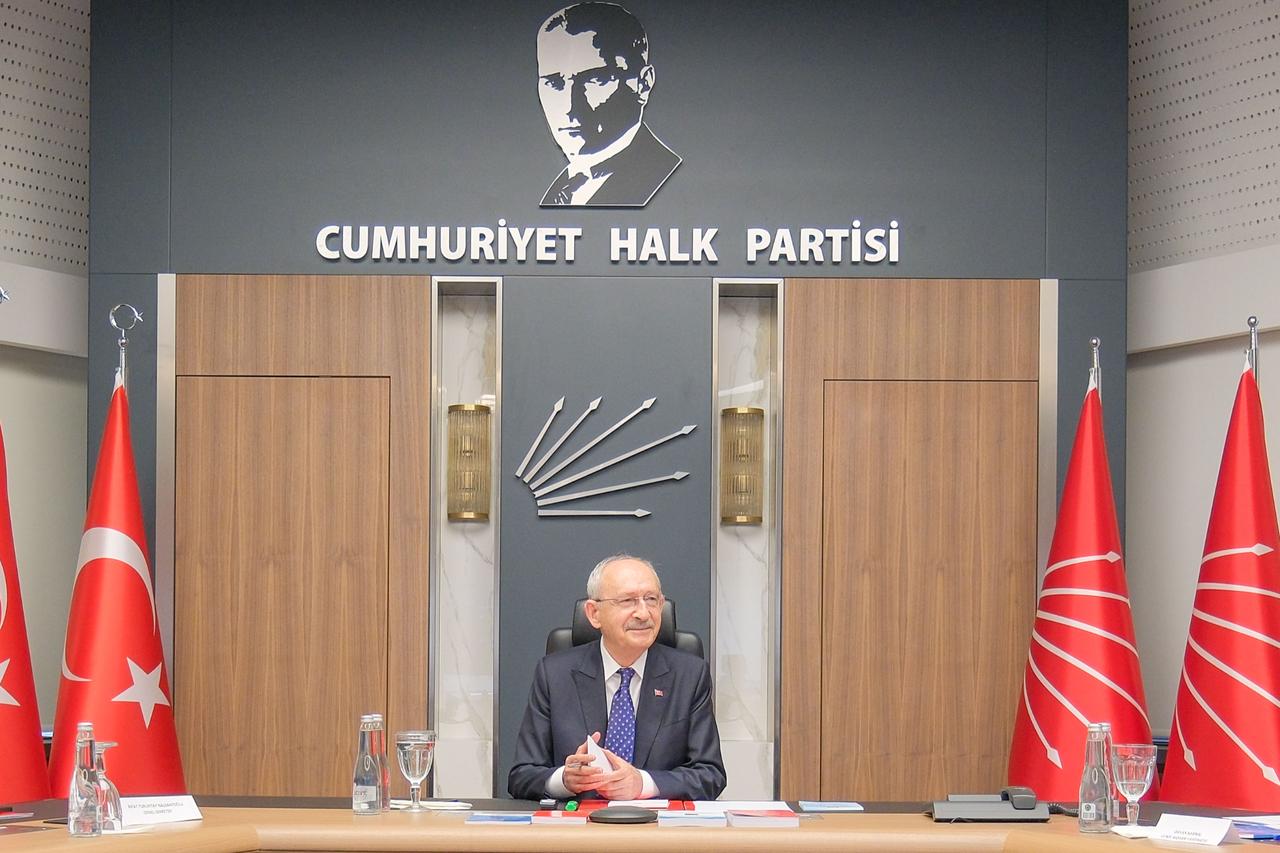


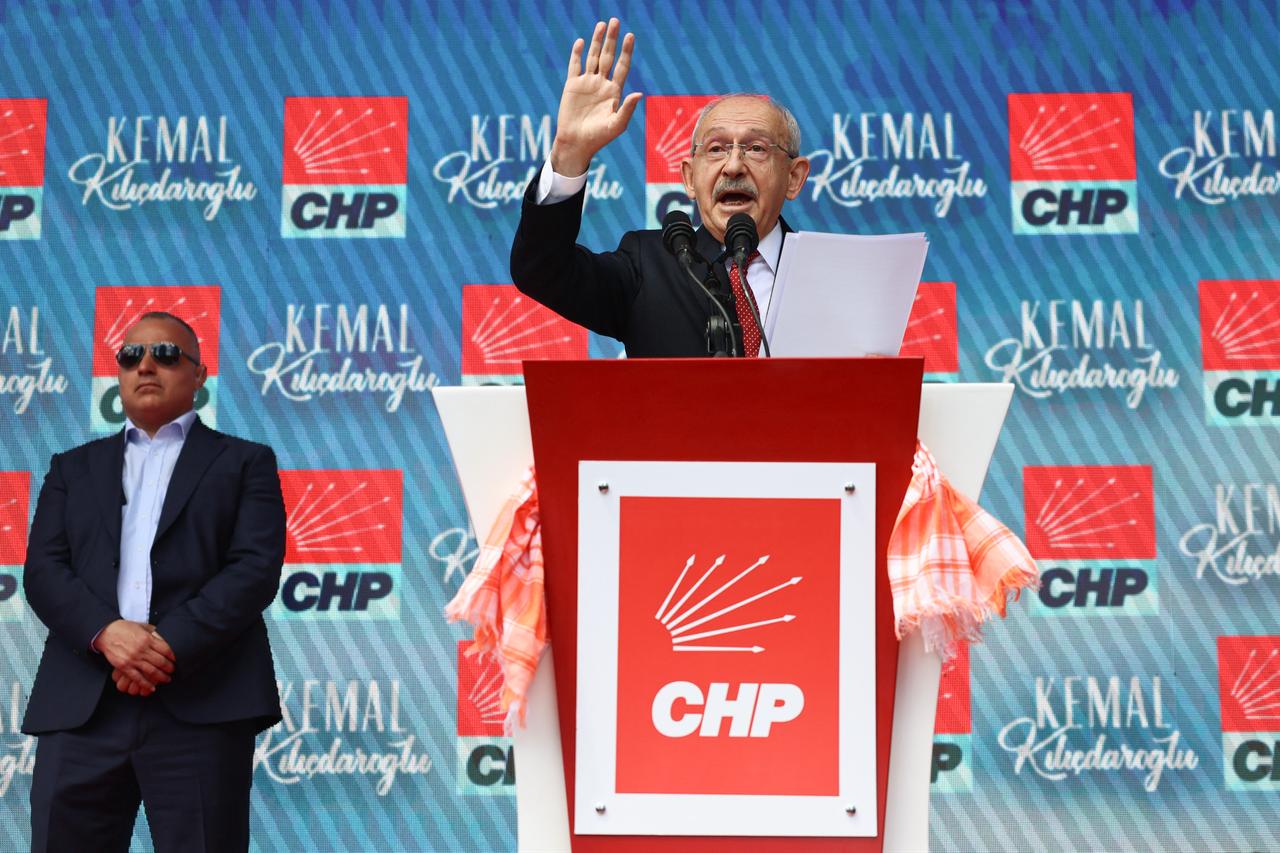
Reinstated Republican People's Party (CHP) Chairman Kemal Kilicdaroglu on Monday announced the launch of a new congress process for Türkiye's main opposition party, as a growing leadership dispute with rival figure Ozgur Ozel, the suspended party leader, deepened ahead of a parliamentary group meeting scheduled for June 9.
In a post on social media platform X, Kilicdaroglu said the party would formally begin its congress process during the first meeting of the Party Assembly on June 11.
“We are a great family that grows richer through our different ideas and unites around the same goal,” Kilicdaroglu wrote.
“We are not rivals to one another; we are the children of the Republican People's Party walking shoulder to shoulder. Our goal is clear: to establish justice and democracy in the second century of our Republic and to realize our nation's objective of reaching the level of contemporary civilization.”
“With our first Party Assembly meeting on Thursday, June 11, we are launching our congress process. I invite our entire organization to unite with one heart at tomorrow’s parliamentary group meeting and strengthen our bonds of comradeship and common sense,” he added.
Kilicdaroglu's announcement comes as Türkiye's main opposition party remains divided following a court ruling on May 21 that declared the CHP's 38th Ordinary Congress, held in November 2023, legally void under the doctrine of “absolute nullity.”
The appellate court decision invalidated the congress that brought Ozel to the party leadership and temporarily reinstated Kilicdaroglu as chairman.
Following the ruling, Ozel's administration was removed from party headquarters on May 24 after a police-enforced evacuation. Ozel subsequently led supporters on a march to the Turkish parliament, declaring that the CHP's new center of operations would be the Grand National Assembly.
Despite losing the chairmanship under the court ruling, Ozel was later elected parliamentary group chairman by CHP lawmakers. According to Turkish media reports, 111 of the CHP's 138 deputies currently support Ozel, while all parliamentary deputy group leaders remain aligned with him.
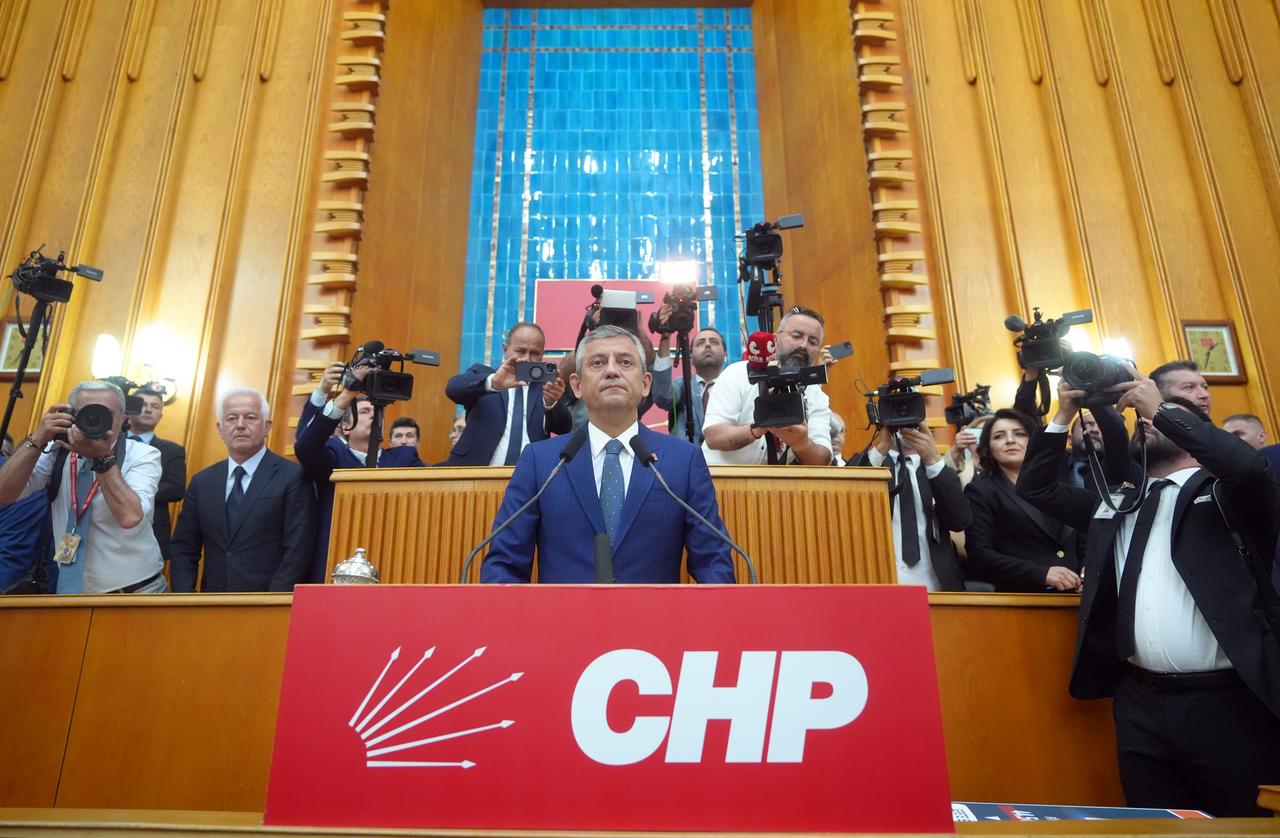

The dispute has now expanded to the CHP parliamentary group meeting scheduled for June 9, where both Kilicdaroglu and Ozel insist they will address lawmakers.
Ozel said the meeting would be opened by deputy group leaders and that he would deliver the main speech.
Describing the rival gathering organized by the Kilicdaroglu camp as a “pirate meeting,” Ozel argued that it would fail to secure the required quorum of one-third of CHP deputies.
Kilicdaroglu, meanwhile, submitted a letter to the parliamentary speaker's office stating that he would deliver the opening address at the June 9 CHP group meeting in his capacity as CHP chairman. He also submitted a guest list for the session.
Tensions over the parliamentary group meeting had already surfaced ahead of the session held by Ozel on June 2.
Before that meeting, Kilicdaroglu warned lawmakers in a letter that no parliamentary group session should be held without his approval of the date, agenda and venue.
“No meeting will be held without the date, agenda, and venue being confirmed by me,” Kilicdaroglu wrote. He also sent a similar letter to Parliament Speaker Numan Kurtulmus.
Despite the warning, Ozel proceeded with the meeting, saying: “Our open group meeting will take place tomorrow as announced.”
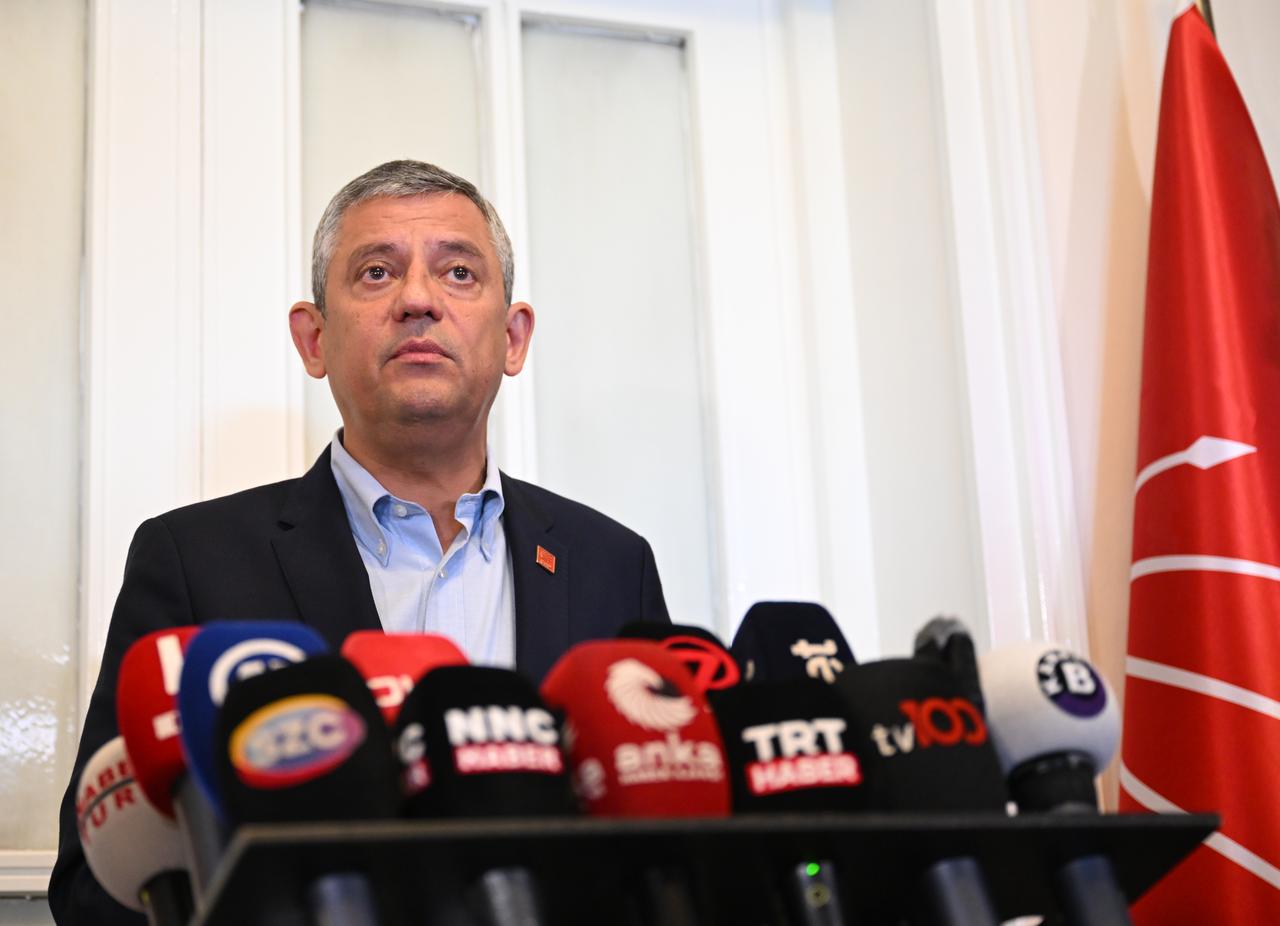
Parliament Speaker Numan Kurtulmus has previously stated that parliamentary regulations allow a party chairman to address a parliamentary group meeting and that there is no legal provision preventing such participation.
The Kilicdaroglu camp has also indicated that it plans to challenge Ozel's position as parliamentary group chairman, signaling that the power struggle within the main opposition party is likely to continue in the coming weeks.
The ruling followed lawsuits filed by CHP delegates and former Hatay Mayor Lutfu Savas, who challenged the legitimacy of the party's 38th Ordinary Congress, where Ozel defeated Kilicdaroglu for the leadership.
According to the court decision, the congress was deemed legally invalid under the principle of “absolute nullity,” a legal doctrine in Turkish law used for acts considered fundamentally unlawful or procedurally defective.
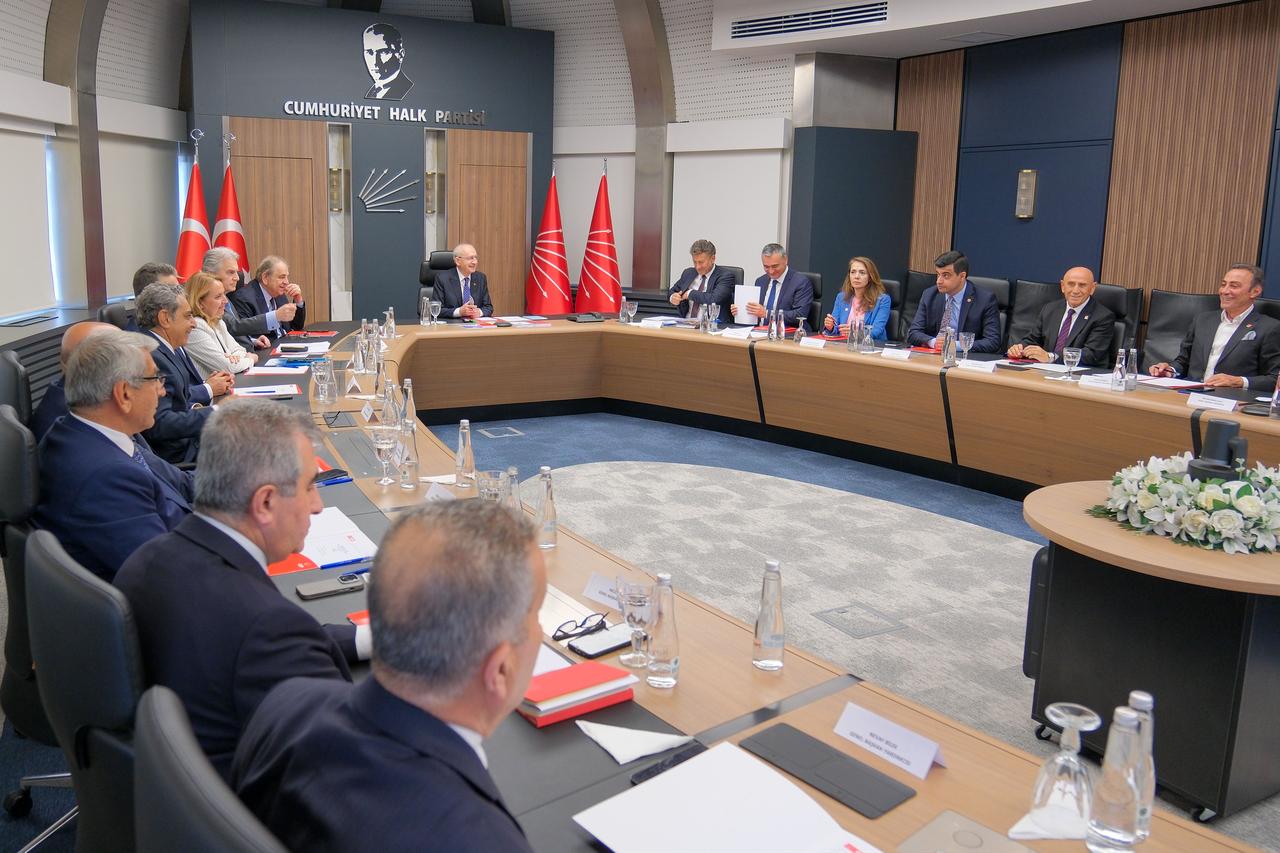
The court ordered the reinstatement of the party's pre-congress administration on an interim basis to oversee preparations for a new congress and leadership election.
The lawsuits alleged irregularities during the congress process, including claims of vote buying, political favors offered to delegates and procedural violations affecting the integrity of the leadership vote.
The plaintiffs argued that the alleged violations compromised the legitimacy of the congress outcome and requested the cancellation of the leadership election.
CHP officials have repeatedly rejected the allegations and submitted legal defenses during the court proceedings.
 1 min read

The current crisis traces back to the CHP's 38th Ordinary Congress on Nov. 4-5, 2023, when Ozel defeated Kilicdaroglu and took over the leadership of Türkiye's main opposition party.
In the months that followed, former Hatay Mayor Lutfu Savas and several party delegates filed lawsuits seeking to annul the congress, alleging vote buying, political favors and procedural irregularities. CHP officials denied the allegations and defended the legitimacy of the leadership vote.
The controversy deepened in 2024 when Ankara prosecutors launched a separate investigation into allegations of vote rigging linked to the congress process.
The legal battle culminated in May 2026, when a court ruled that the 2023 congress was legally invalid under the principle of “absolute nullity,” effectively annulling the leadership vote.
The decision reinstated Kilicdaroglu's pre-congress administration on an interim basis and tasked it with organizing a new congress and leadership election.


 Set as preferred source
 Set as preferred source


 1 min read