Newsletters


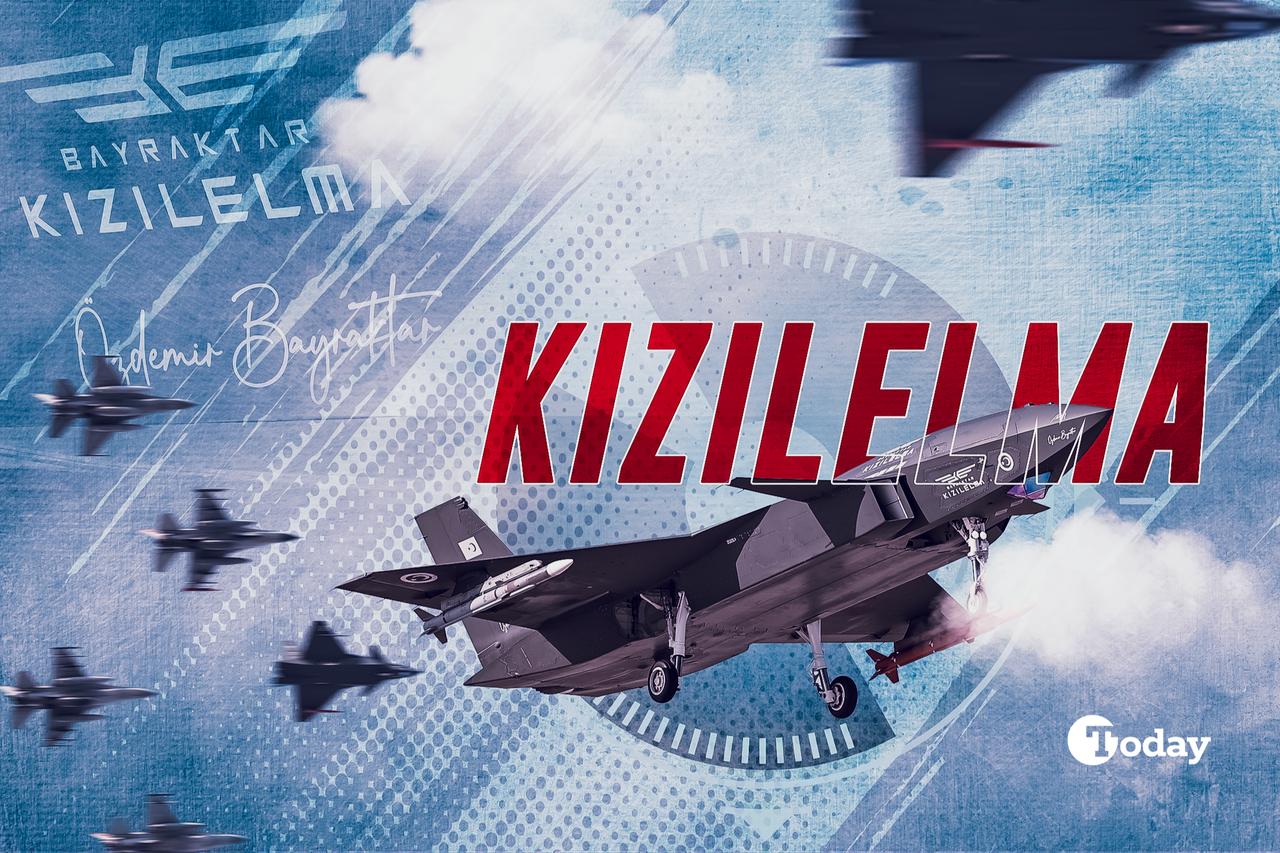
Baykar's Kizilelma unmanned fighter jet completed its first test flight with Aselsan's KARAT Infrared Search and Track (IRST) system in its final test of 2025, enabling enhanced detection and tracking of low radar cross-section (RCS) targets, including 5th-generation fighter aircraft.
Baykar Chairman Selcuk Bayraktar announced the test on his social media account, saying the KARAT IRST was tested during the last Kizilelma flight of 2025.
Aselsan CEO Ahmet Akyol said: "Bayraktar Kizilelma, which leaves its mark in the skies with every takeoff, will multiply its superiority in air combat with Aselsan KARAT, low radar cross-section compatible design."
"Detection and tracking of air threats, including 5th-generation fighter platforms. Ability to guide air-to-air munitions to targets," he added.
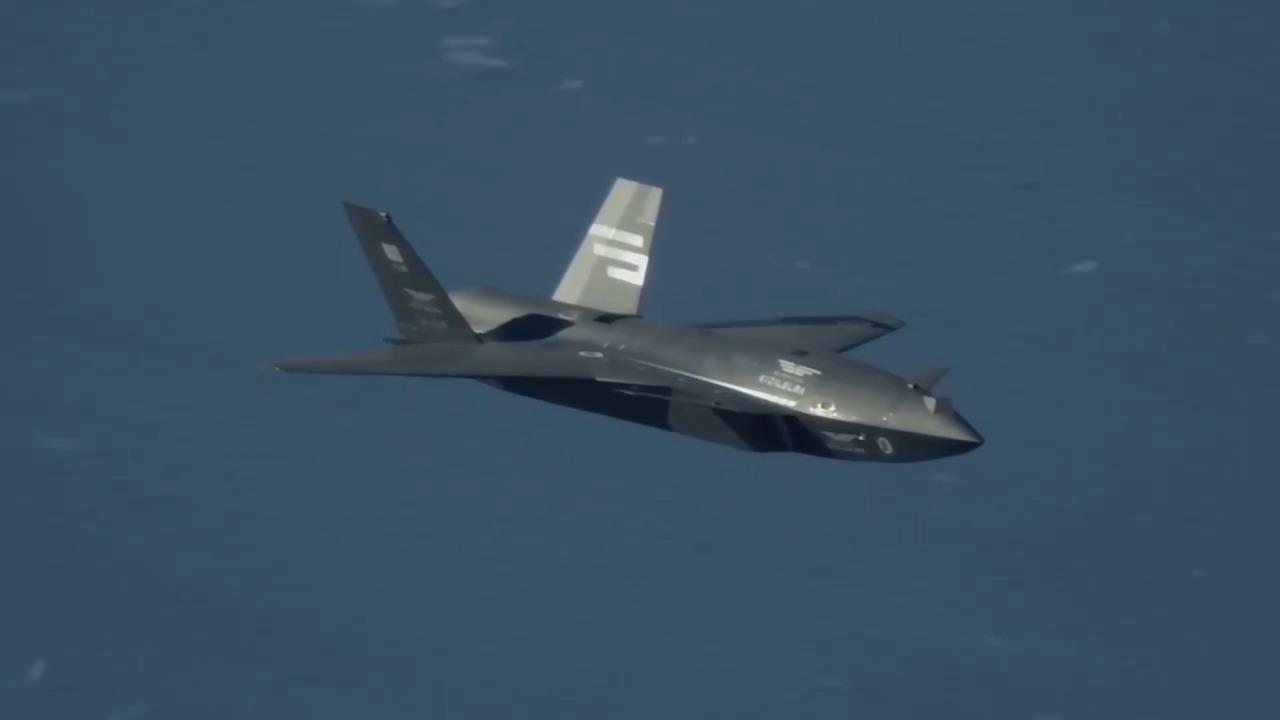

With KARAT, Bayraktar Kizilelma will go beyond being an "unmanned jet" to become an "advanced hunter aircraft."
KARAT, which has a design compatible with low radar cross-section, can detect and track air threats, including 5th-generation fighter platforms, and guide air-to-air munitions to targets.
The system will capture threats from their heat signatures in areas where radars are blind, tracking targets without being detected.
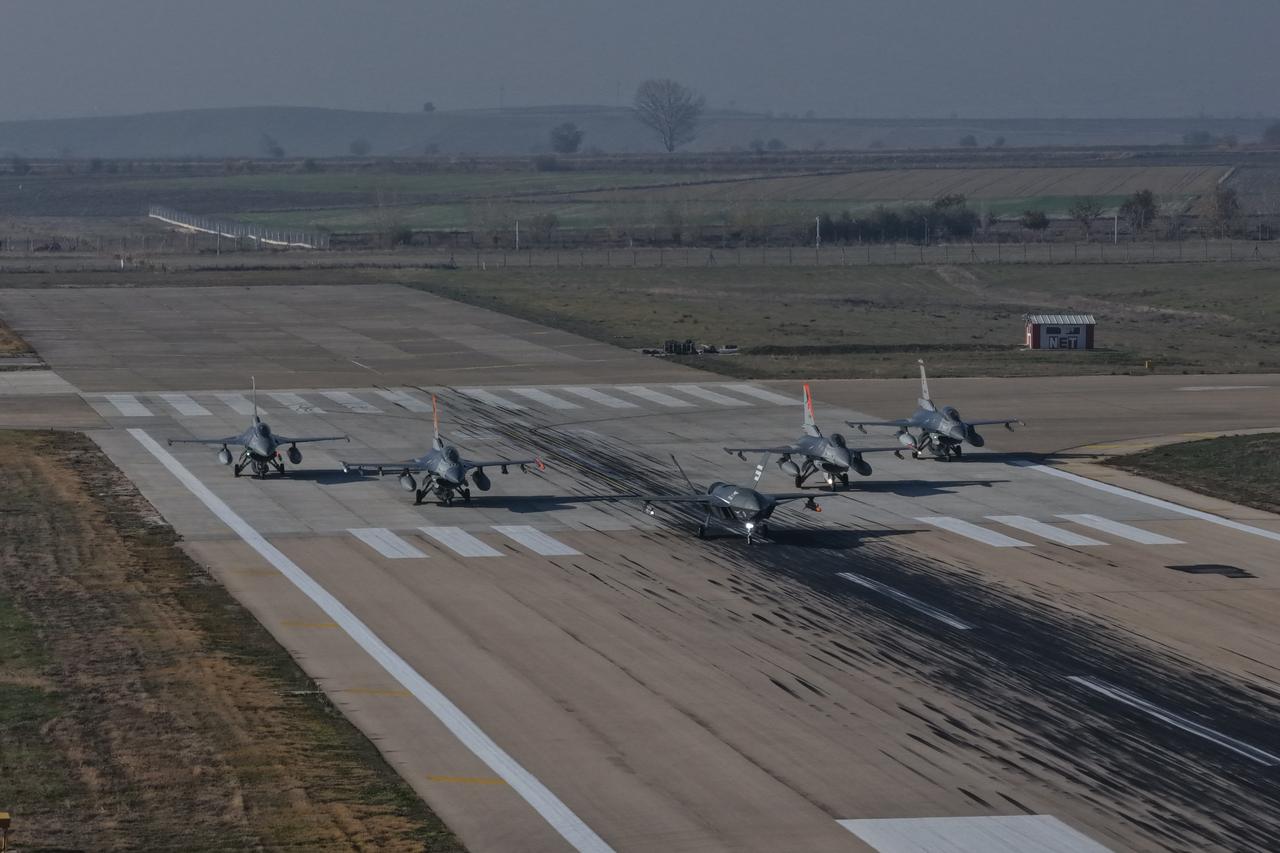
During the test conducted at the Akinci Flight Training and Test Center in Corlu, KARAT IRST tracked an air target, with footage included in the video shared by Baykar.
Kizilelma was first presented with KARAT IRST during IDEF 2025, alongside TOYGUN Electro-Optical Targeting System (EOTS).
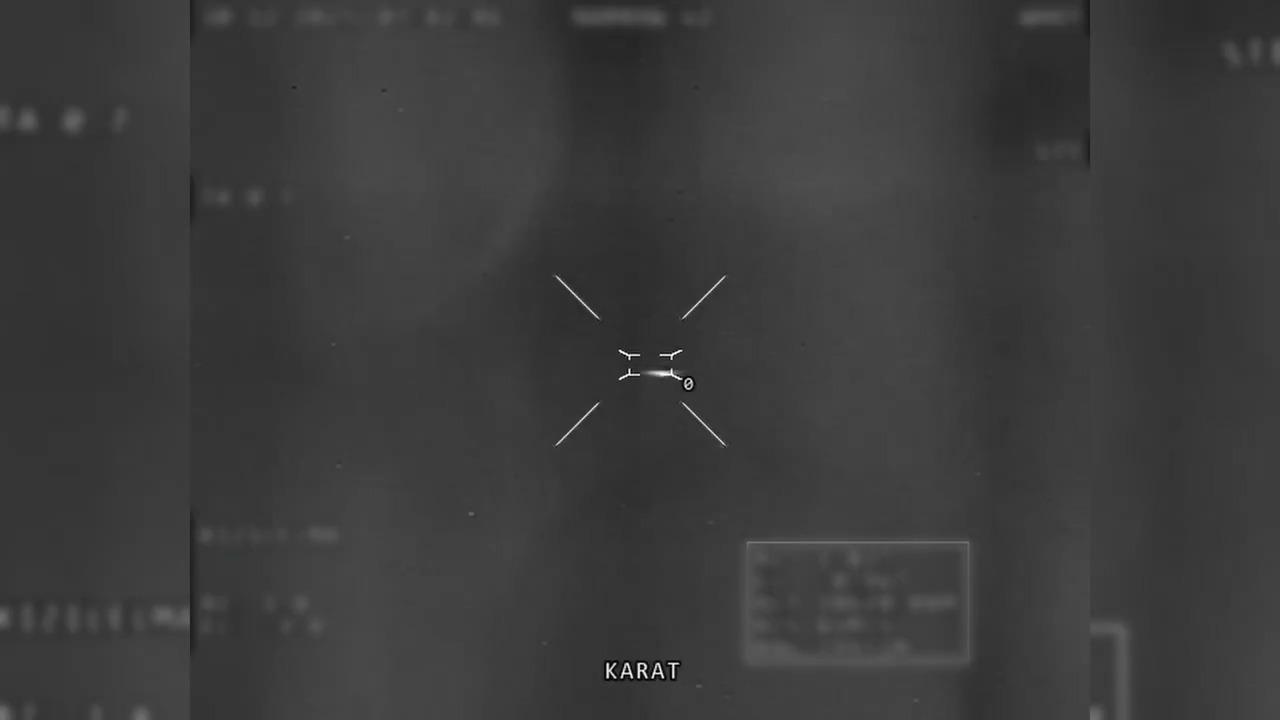
Aselsan KARAT IRST is a passive infrared search and track system that can detect and track air targets without emitting radar signals.
It provides a critical advantage especially against 5th generation combat aircraft. Targets designed with low radar visibility have relatively more difficulty hiding their infrared signatures.
KARAT offers situational awareness without leaving an electromagnetic trace — making it possible to "detect without being detected." Due to their operating spectrum, IRSTs are unaffected by radar cross-section (RCS) and rely on emitted heat from targets. Their passive nature reduces the chances of detection by signal interception.
KARAT uses a Long Wave IR (LWIR) sensor operating in the 8-12 μm wavelength, giving it the ability to detect objects without strong heat sources, such as aircraft surfaces, which are even harder to detect.
The nose-mounted KARAT IRST can detect 100 targets, track 3 of them, and provide missile guidance. As KARAT was developed with low-observable aircraft in mind, its fairing's radar cross-section is optimized for a sharply angled profile.
The IRST fairing might also have some degree of radar-absorbent properties, similar to canopy materials for modern fighter jets.
The IR sensor on KARAT provides a resolution of 640x512 pixels.
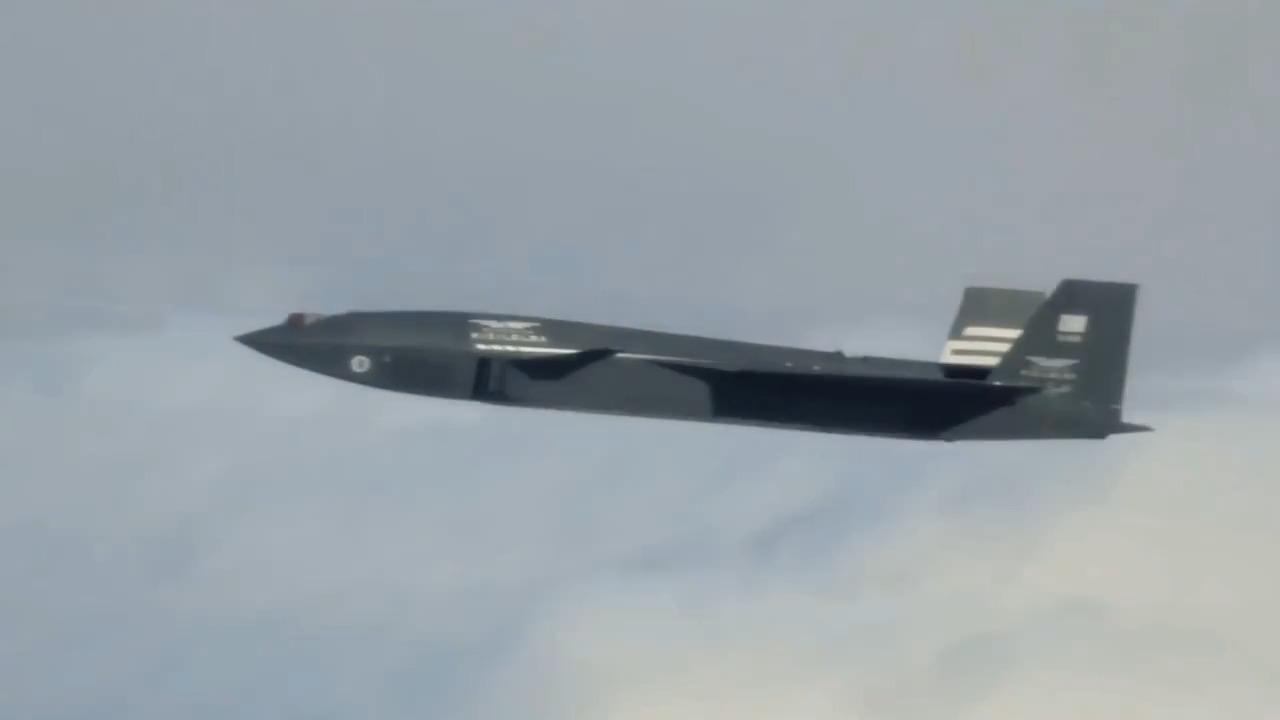
While both KARAT and TOYGUN operate in infrared wavelengths, their purposes differ significantly.
TOYGUN, with a laser designator and MWIR (Medium Wave IR) camera, is focused on air-to-surface detection and targeting. It is mounted under the nose.
KARAT is dedicated to air-to-air use with the capability to guide missiles. It is mounted on top of the nose.
KARAT's development was initially launched for the Kaan fighter jet, which will also use the Murad 600-A AESA radar and TOYGUN EOTS. KARAT's platforms were later expanded to Kizilelma and TAI's Anka-III.
Analysts suggest that two Kizilelma versions may emerge — one with TOYGUN and Murad for air-to-ground missions, and another with KARAT and Murad for air-to-air missions.
Given KARAT IRST's placement, it may serve as an alternative sensor for the radar, at least in Kizilelma's current configuration. KARAT is designed for manned-unmanned fighter aircraft, fixed- and rotary-wing aircraft, and unmanned aerial vehicles. Applications include air-to-air search, detection and tracking, and high-performance infrared imaging.
The test follows recent milestones for Kizilelma, including tests with the Murad 100-A AESA radar and TOYGUN EOTS.
Recently, two Kizilelma prototypes (PT3 and PT5) performed the world's first autonomous close formation flight by unmanned fighter jets, demonstrating Combat Air Patrol (CAP) capabilities using smart fleet autonomy algorithms.


 Set as preferred source
 Set as preferred source


 1 min read
 1 min read