Newsletters


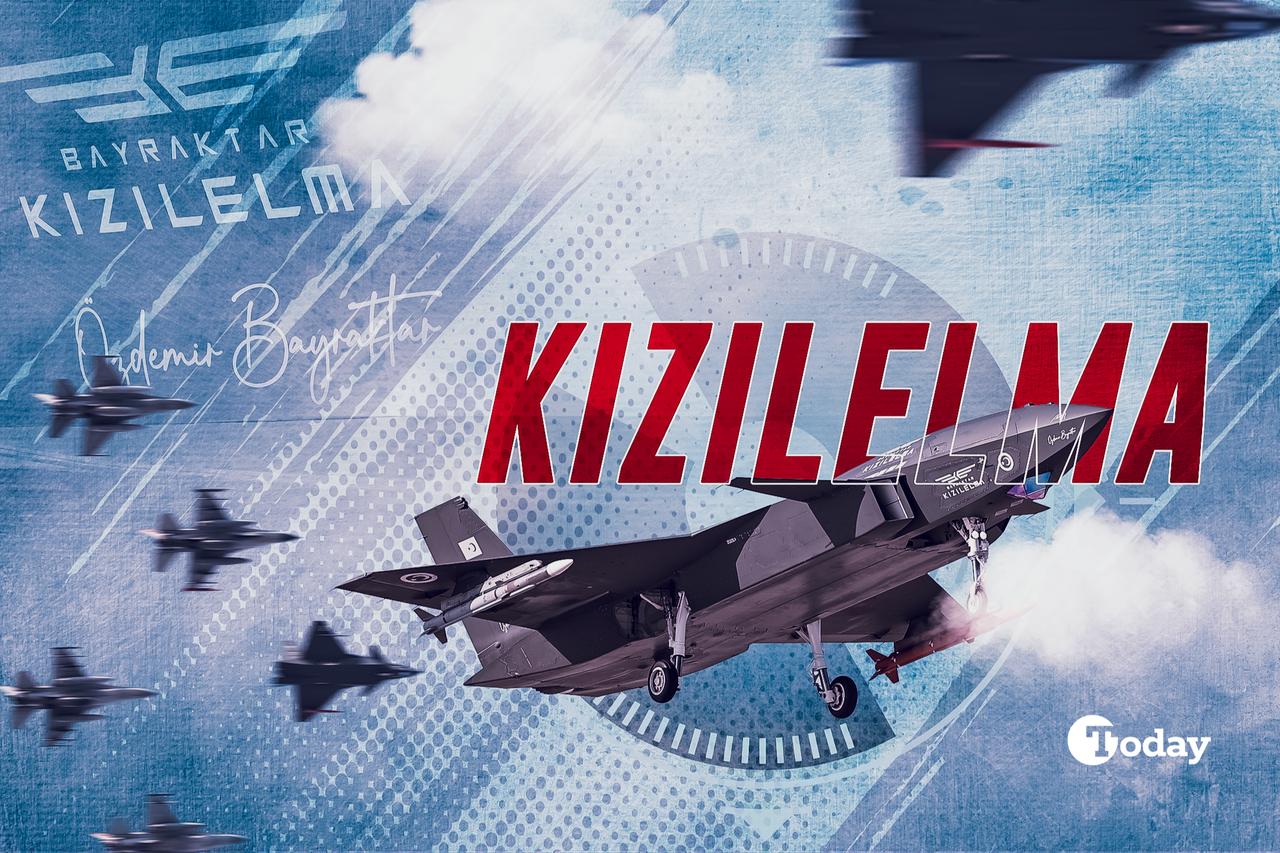


Türkiye has entered global air combat history after its unmanned fighter jet, Bayraktar Kizilelma, became the first drone in the world to destroy a jet-powered aerial target with a beyond-visual-range (BVR) air-to-air missile, according to defense company Baykar and multiple independent defense outlets.
The historic test, conducted off the coast of Sinop over the Black Sea, saw Kizilelma detect, track and destroy a high-speed target jet using the indigenously developed Gokdogan BVR missile, fired from under its wing after cueing from Aselsan’s Murad AESA radar.
Baykar says the strike marks the first time in aviation history that an unmanned fighter has executed a full air-to-air kill chain, from national radar to national missile, against a jet-powered target, and the first time in Turkish aviation history that a homegrown aircraft, radar and missile have been used together to shoot down an aerial target.
“This pride belongs to our nation,” Baykar CEO Haluk Bayraktar said, calling the test a turning point.
“With a national aircraft, national radar, and national missile, we completed every link in the air-to-air engagement chain using fully domestic capabilities.”
Baykar’s chair and chief technology officer Selcuk Bayraktar said Kizilelma had “scored another first in aviation history” with the BVR strike, describing the engagement as the opening of “a new era” for unmanned air combat.
Turkish defense officials and analysts say the achievement is not only a technological milestone, but a landmark in future air warfare, positioning Türkiye among the very few countries fielding an uncrewed fighter with verified air-to-air combat capability.
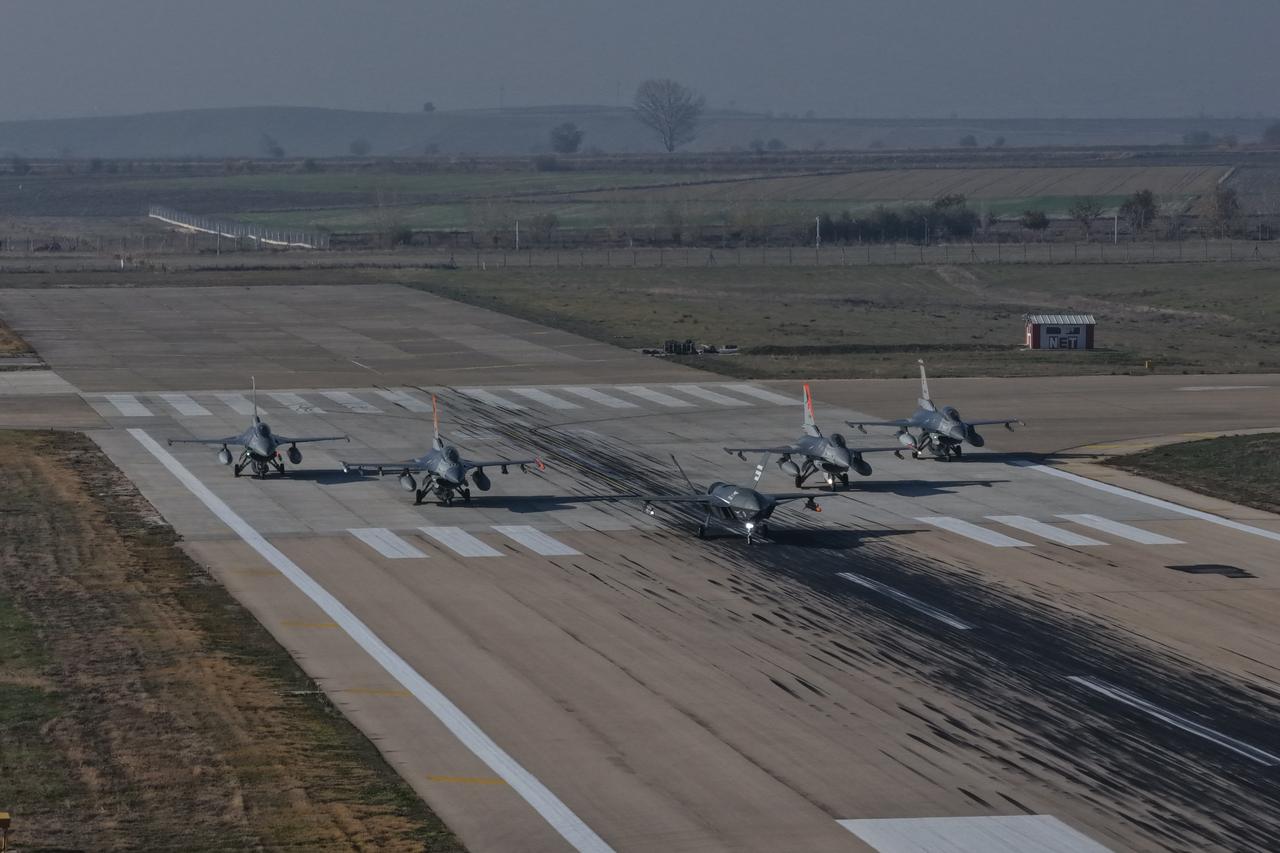

The trial was designed as a full-spectrum combat scenario.
Five F-16 fighter jets from Merzifon Air Base flew in formation with Kizilelma to showcase future manned–unmanned teaming concepts, while a Bayraktar Akinci UAV recorded the event from the air.
The shot itself was a beyond-visual-range engagement: Kizilelma detected the target with Murad AESA, maintained the track, then launched Gokdogan, which intercepted and destroyed the jet-powered target at distance; a profile defense analysts describe as a genuine air-to-air kill rather than a simple weapons test.
Haluk Gorgun, head of Türkiye’s Defense Industries Secretariat, said the successful strike shows “a wide-ranging engineering chain, from sensor fusion and radar to flight control and missile systems, working in harmony on a single national platform,” adding that the test reflects the maturity of Türkiye’s defense ecosystem and its long-term aerospace vision.
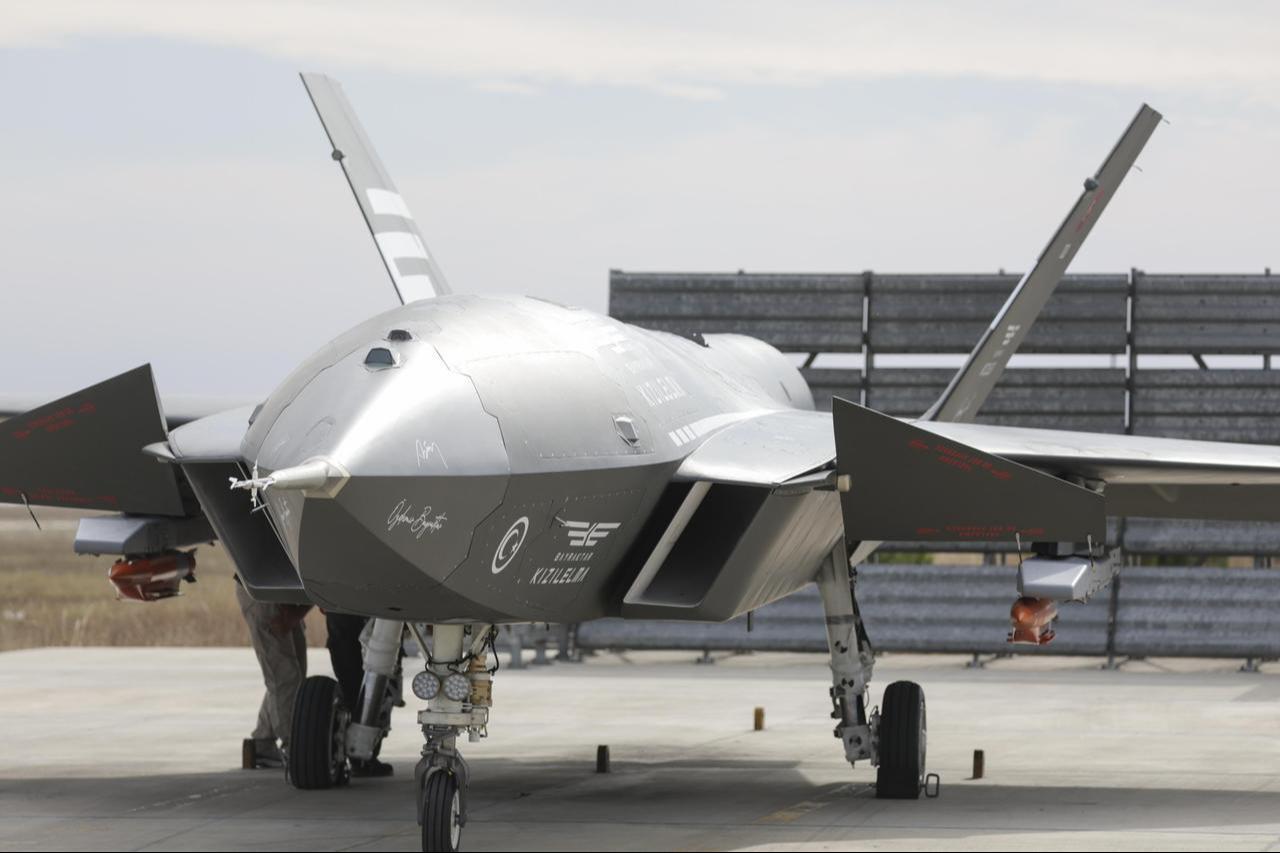
Kizilelma combines a low radar cross-section with an advanced sensor suite, allowing it to detect enemy aircraft at long range while remaining hard to see.
The aircraft integrates:
With the latest firing, Kizilelma has now validated both air-to-ground and air-to-air roles, moving from concept to an operationally credible uncrewed fighter.
Baykar has self-funded its UAV projects since 2003 and reported $1.8 billion in export revenues in both 2023 and 2024, with around 90% of its income coming from exports.
The company has signed export deals for:
Official data shows Baykar has been Türkiye’s top defense and aerospace exporter for four consecutive years.
Turkish defense firm Aselsan, which developed the Murad radar and mission-critical systems such as radar seekers, IFF and communications, said the Kizilelma test underscores the strength of fully integrated national solutions.
Roketsan, the maker of Gokdogan, said the engagement has the potential to “reshape the rules of aerial combat.”
Industry and Technology Minister Mehmet Fatih Kacir described the trial as a global first, saying Türkiye’s national technology capacity has reached a level “capable of rewriting the rules of air superiority.”
With a fully national chain, uncrewed fighter, radar, data link and missile, now combat-proven in an air-to-air profile, Kizilelma has placed Türkiye at the center of what many analysts are already calling a new chapter in global air combat history.
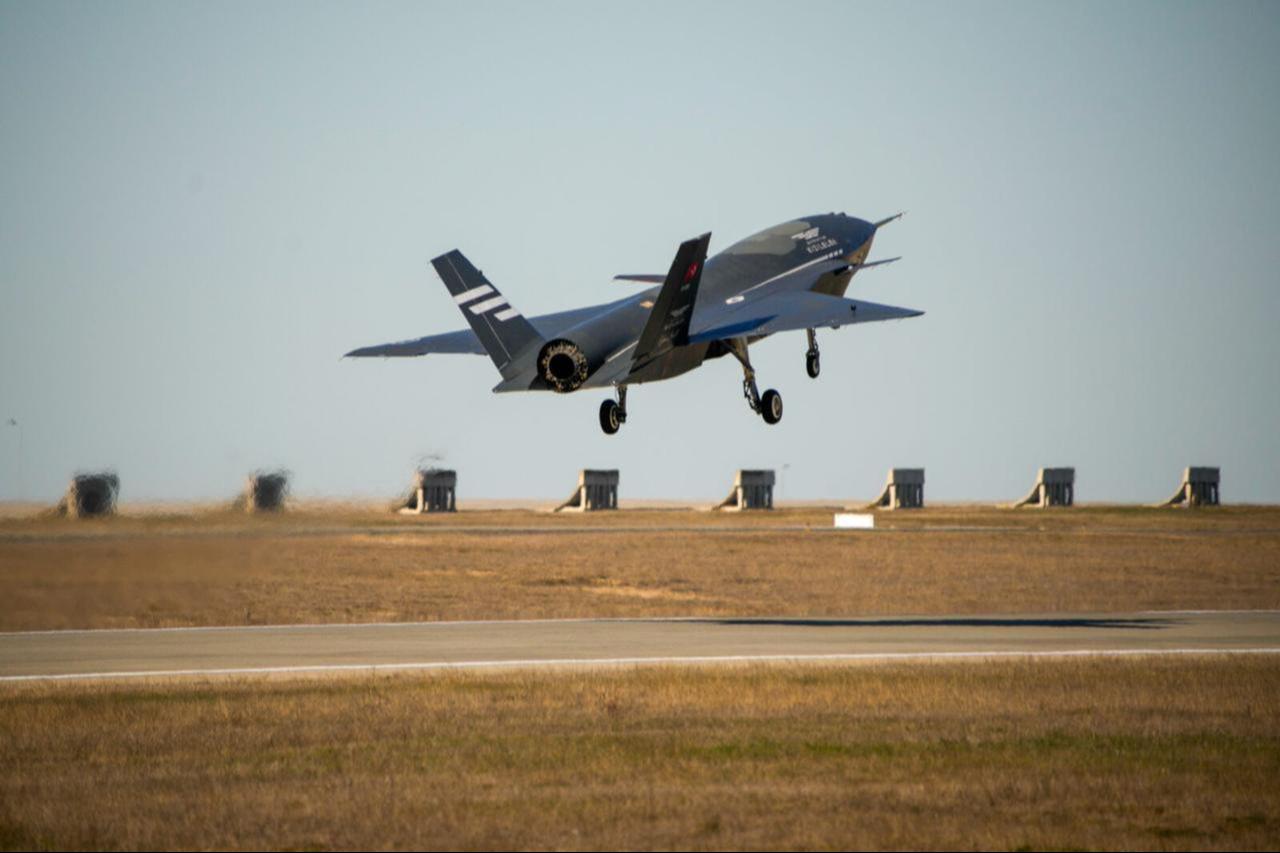
Kizilelma’s test is historic because it is the first UAV ever to shoot down a jet-powered target with a beyond-visual-range air-to-air missile, proving that uncrewed aircraft can now perform missions previously reserved for fighter jets.
Baykar’s platform completed the entire kill chain itself, detecting, tracking and engaging the target, a capability no other UAV program has publicly demonstrated.
For Türkiye, the milestone is even more significant: every element of the engagement was national; the Kizilelma UAV, Aselsan’s Murad AESA radar and Roketsan’s Gokdogan missile.
This establishes a fully sovereign, integrated air-combat system and reduces reliance on foreign suppliers.
The test also advances manned–unmanned teaming, as Kizilelma flew alongside F-16s and Akinci, aligning Türkiye with the world’s most advanced air forces developing next-generation combat concepts.
Finally, the achievement boosts Türkiye’s defense-industry profile at a time when Baykar already leads national aerospace exports, positioning the country as a rising power in autonomous air-combat technologies.


 Set as preferred source
 Set as preferred source


 8 min read