Newsletters


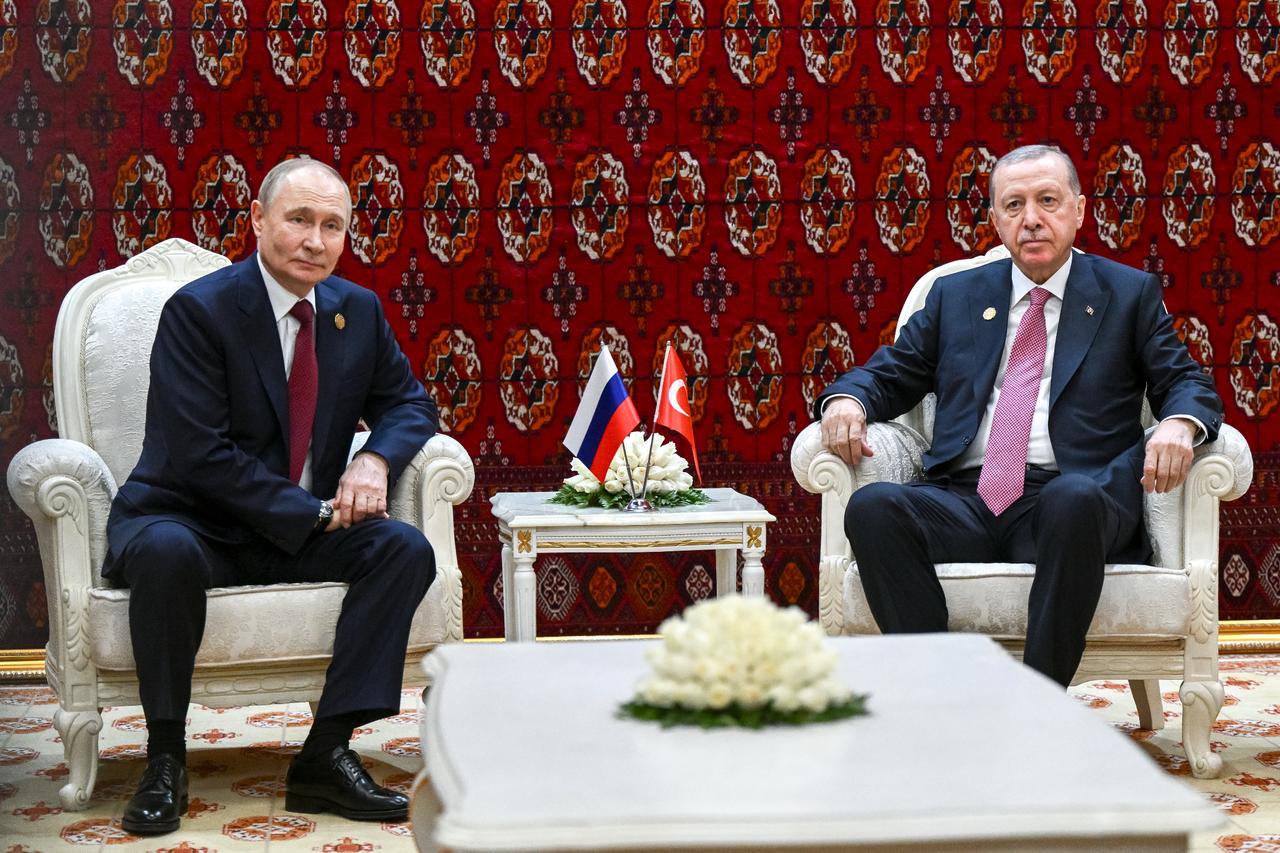


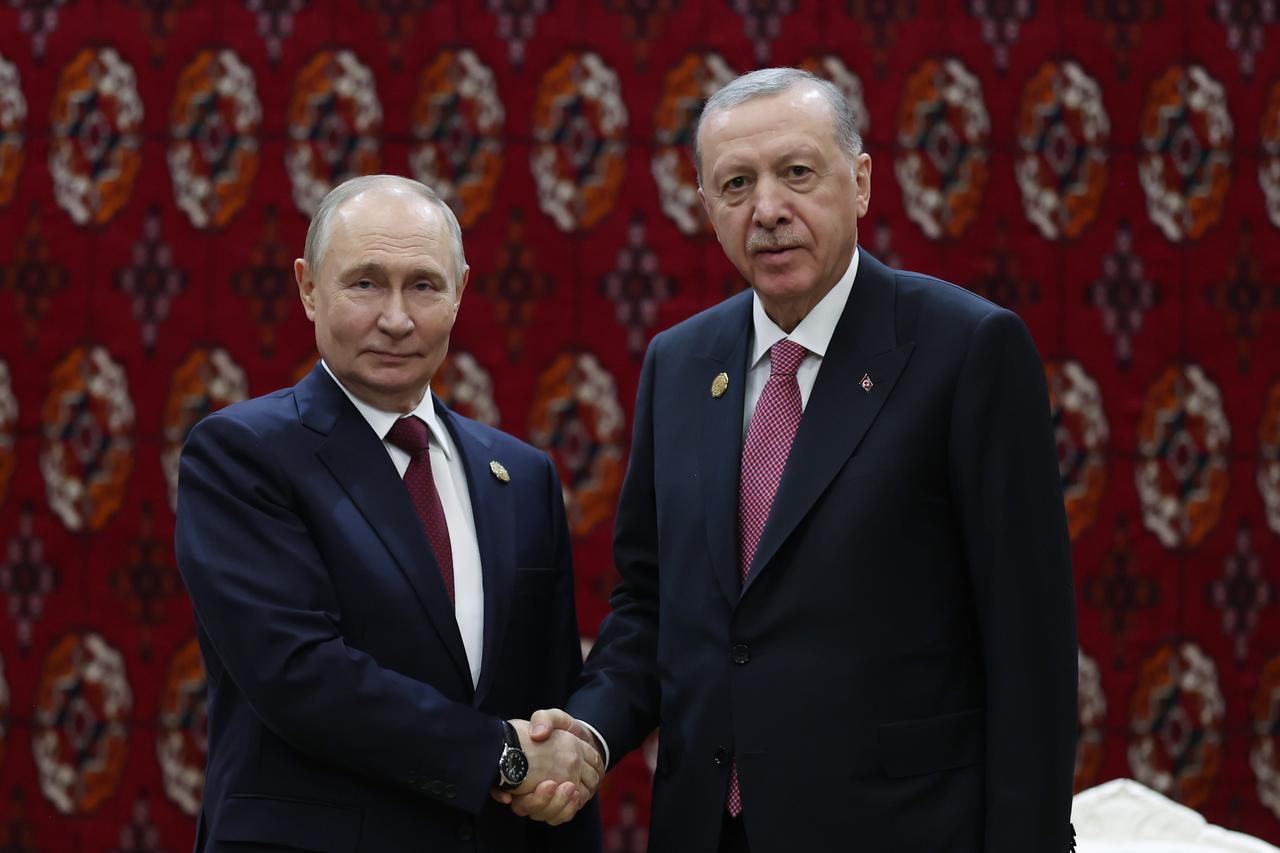
Kremlin spokesperson Dmitry Peskov defended the extended duration of talks between Russian President Vladimir Putin and Turkish President Recep Tayyip Erdogan in Turkmenistan, attributing the approximately 90-minute meeting to the sensitivity of issues under discussion.
When journalists questioned why the Friday meeting lasted significantly longer than scheduled, Peskov responded that leaders addressing highly delicate matters often lose track of time. "Of course, they are discussing very sensitive issues," Peskov told reporters. "During such meetings, it is usually very difficult to keep track of how time passes."
The Kremlin spokesperson noted that Putin's packed schedule, which included a subsequent meeting with Pakistani Prime Minister Shahbaz Sharif, created time pressure but did not prevent the substantive discussions with Erdogan from running their course.
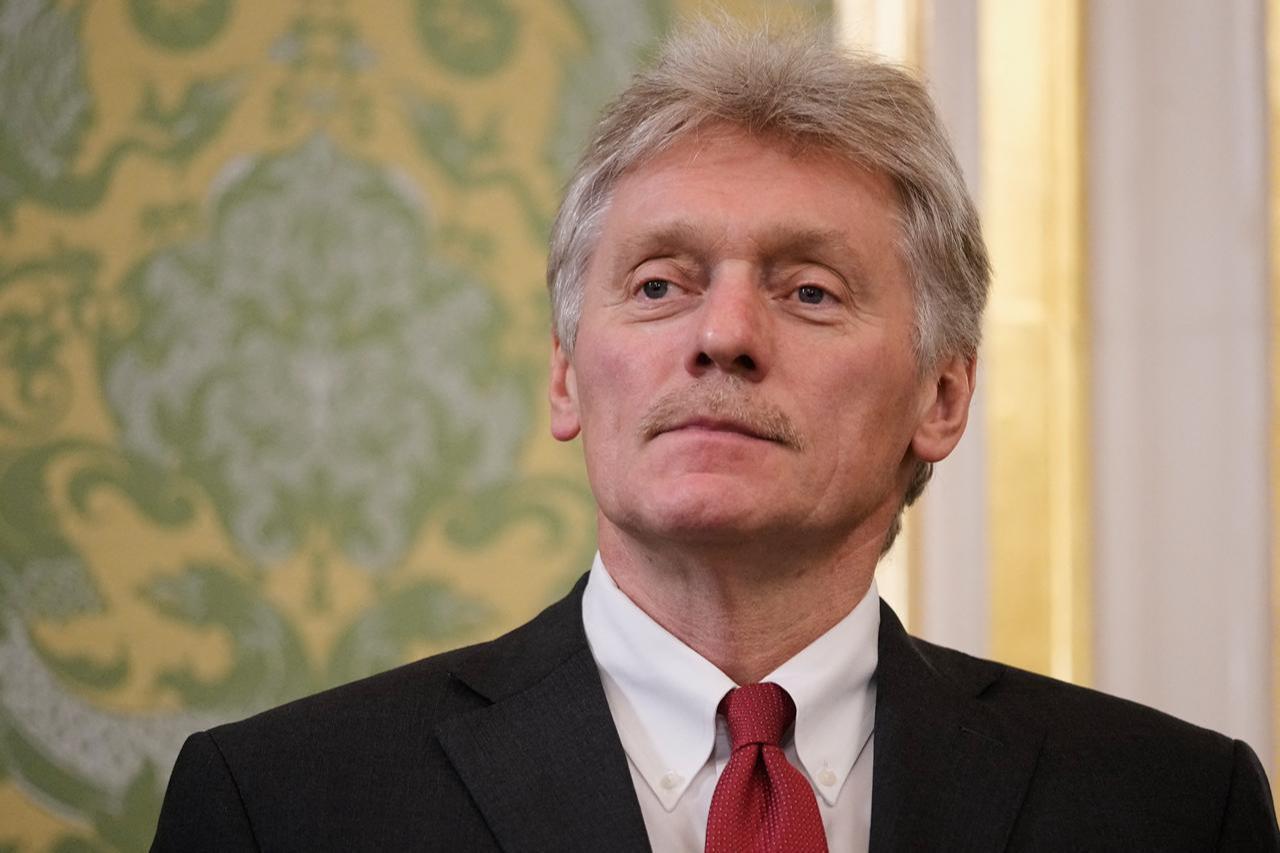

Addressing the diplomatic relationship between the two presidents, Peskov revealed that Putin and Erdogan exchanged reciprocal invitations during their encounter, with Putin inviting Erdogan to Russia and the Turkish leader extending an invitation to visit Türkiye. The spokesperson indicated such visits would be organized as soon as feasible.
Peskov emphasized the intensity of communication between the two leaders, dismissing any suggestion of diplomatic distance. "Neither Putin nor Erdogan have a lack of communication problem," Peskov said. "They are in constant and intensive contact, so there is no such problem."
In his briefing, Peskov described the overall state of Russia-Türkiye relations in positive terms while acknowledging areas of disagreement. When asked what the leaders discussed, the spokesman said both presidents noted that relations were developing very well across all sectors.
"In general, we noted that relations are developing very well in all areas," Peskov stated. "Although there are some problems, there are no major problems between us."
 1 min read
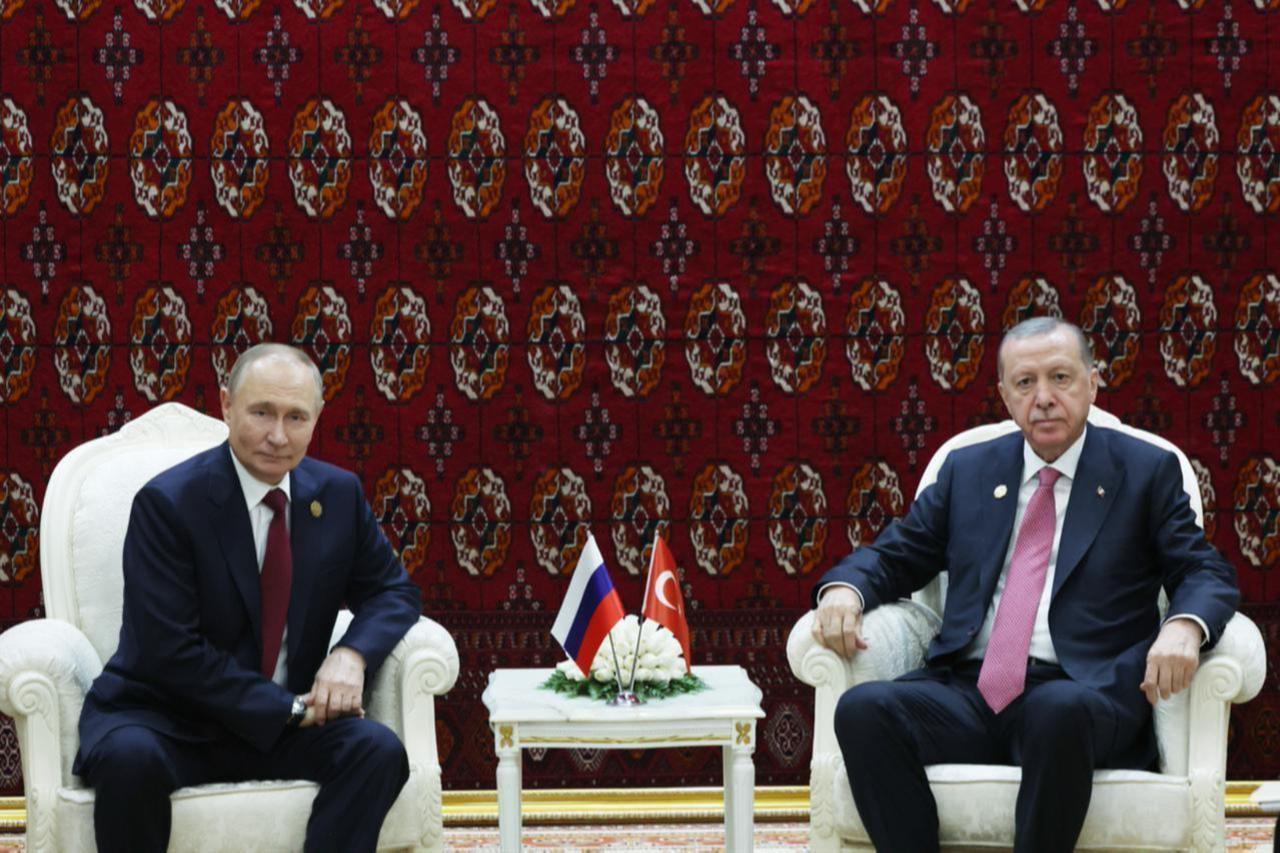
The Kremlin spokesperson confirmed that Putin and Erdogan conducted an in-depth exchange of views on the Ukraine conflict, though he did not provide specifics about the positions articulated by either leader. "Putin and Erdogan had a detailed exchange of views on Ukraine," Peskov said.
Peskov also disclosed that the two leaders discussed European attempts to seize Russian assets, stating that both Putin and Erdogan agreed such initiatives would damage the foundations and principles of the international financial system.
Russia and Türkiye maintain a complex strategic relationship that combines cooperation in energy and trade with competing interests in regional conflicts.
Türkiye, a NATO member state, has pursued a delicate diplomatic position on the Ukraine conflict, declining to join Western sanctions against Moscow while attempting to position itself as a potential mediator. The country has maintained economic ties with Russia even as it provides military support to Ukraine, including drone technology.


 Set as preferred source
 Set as preferred source


 1 min read