Newsletters


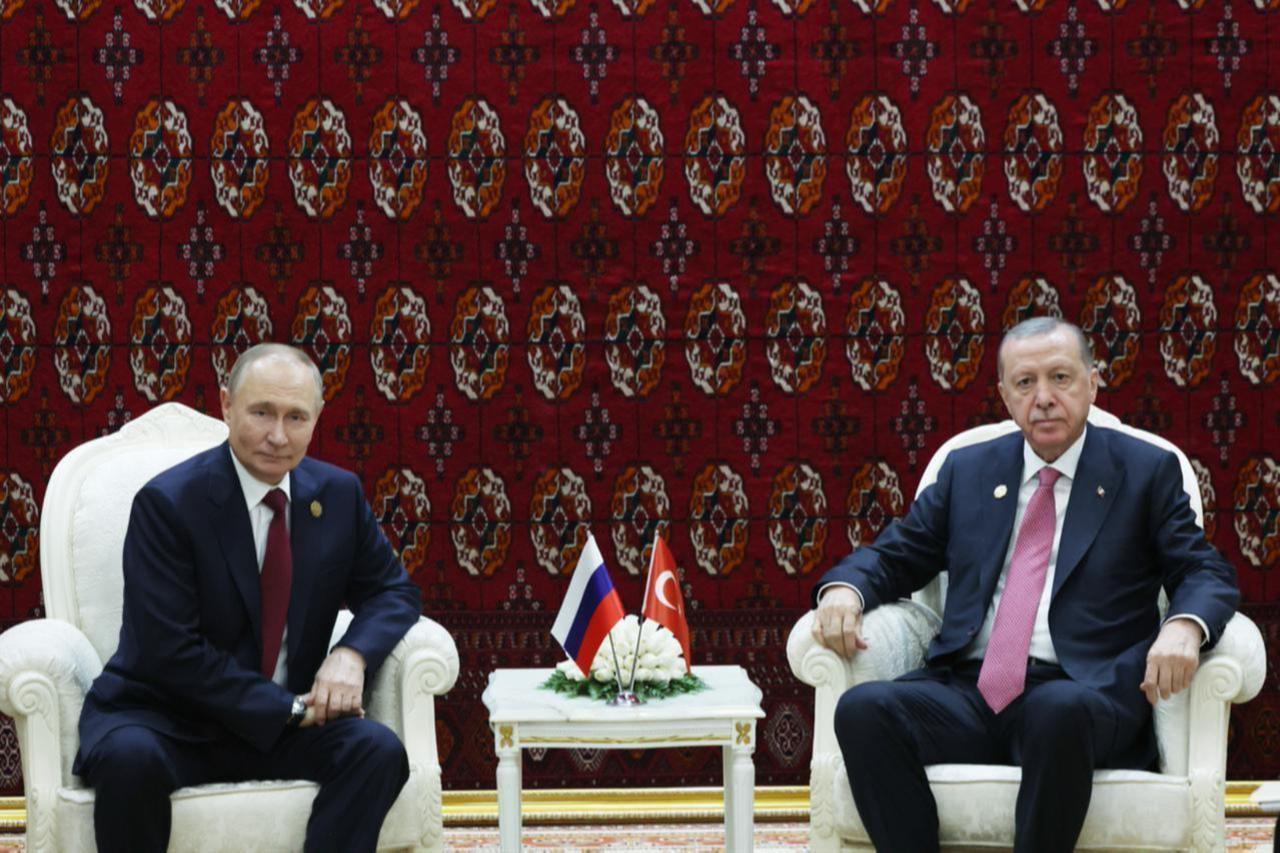


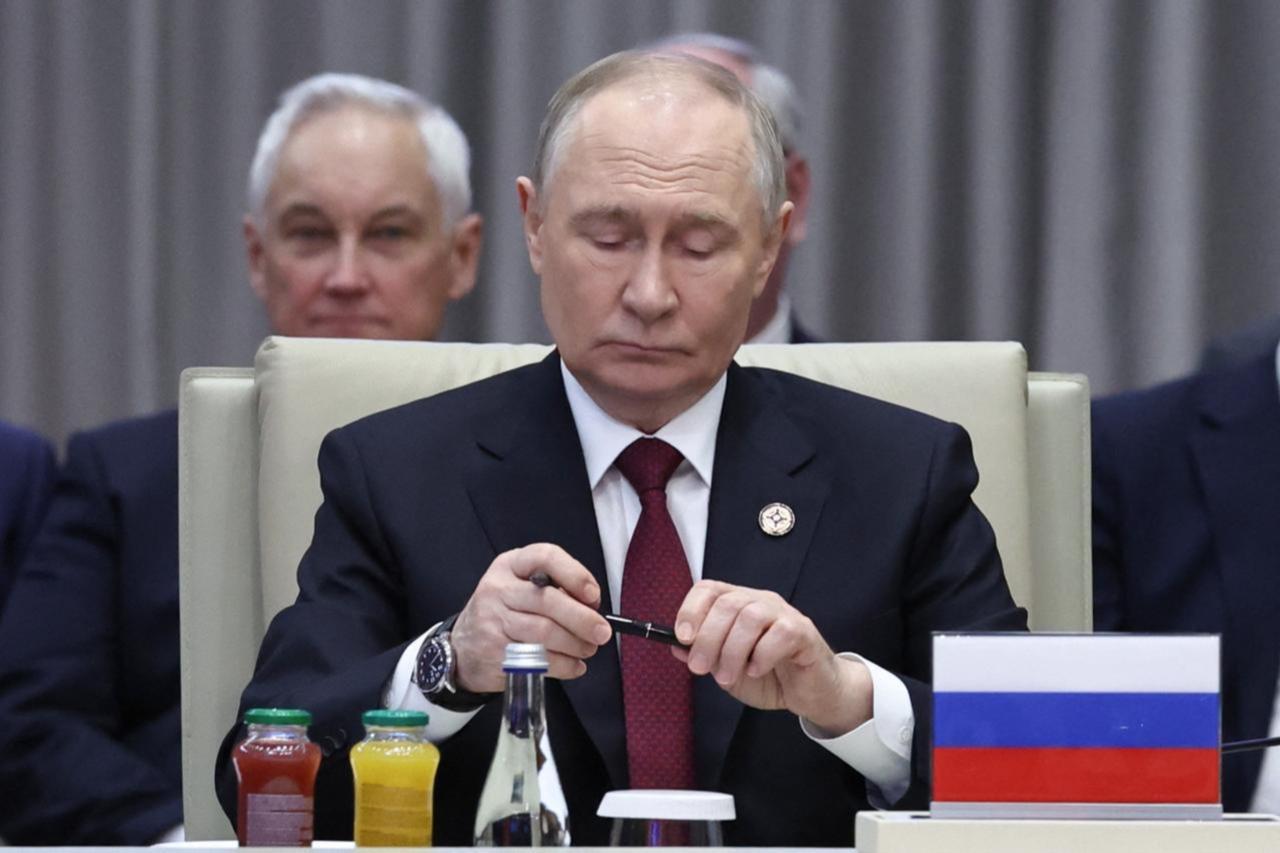
Erdogan expressed optimism about prospects for ending the war in Ukraine, saying he plans to discuss peace initiatives with U.S. President Donald Trump following weekend talks with Russian President Vladimir Putin in Turkmenistan.
Speaking to reporters aboard his return flight from Ashgabat on Friday, Erdogan said diplomatic progress led by Moscow and Washington has created potential for a breakthrough. "Peace is not far off; we can see it," the Turkish leader said, referencing his bilateral meeting with Putin at the International Peace and Trust Forum.
Ankara has positioned itself as a potential mediator in the conflict, which began with Russia's invasion of Ukraine in February 2022. Türkiye maintains relationships with both Moscow and Kyiv, having previously brokered a grain export agreement in 2022 that allowed Ukrainian agricultural products to reach global markets despite the war.
Erdogan indicated that his discussions with Putin centered on how Türkiye could contribute to peace efforts and assessed diplomatic initiatives involving Trump. "We view positively the dialogue initiated through the efforts of Mr. Trump," he said, adding that Russia understands Ankara's position on the peace process.
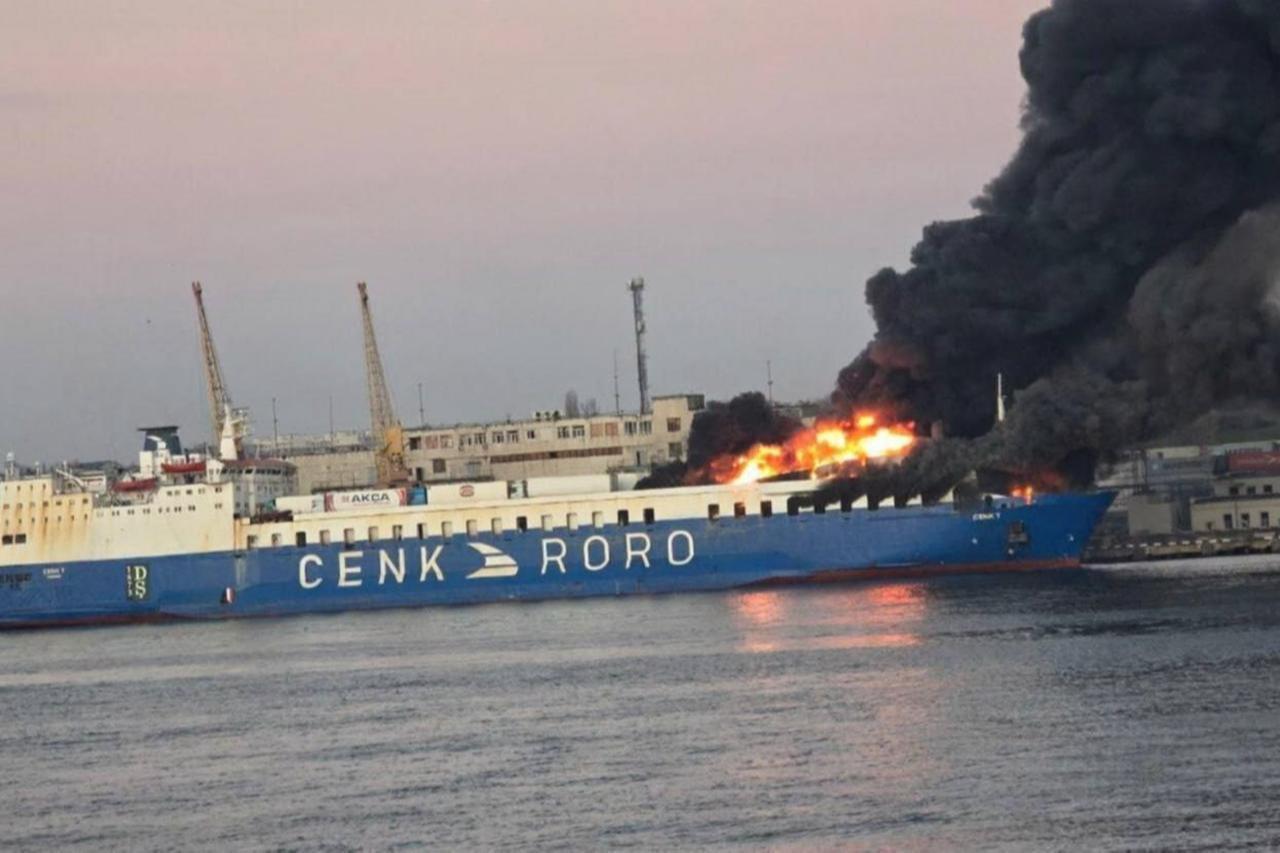

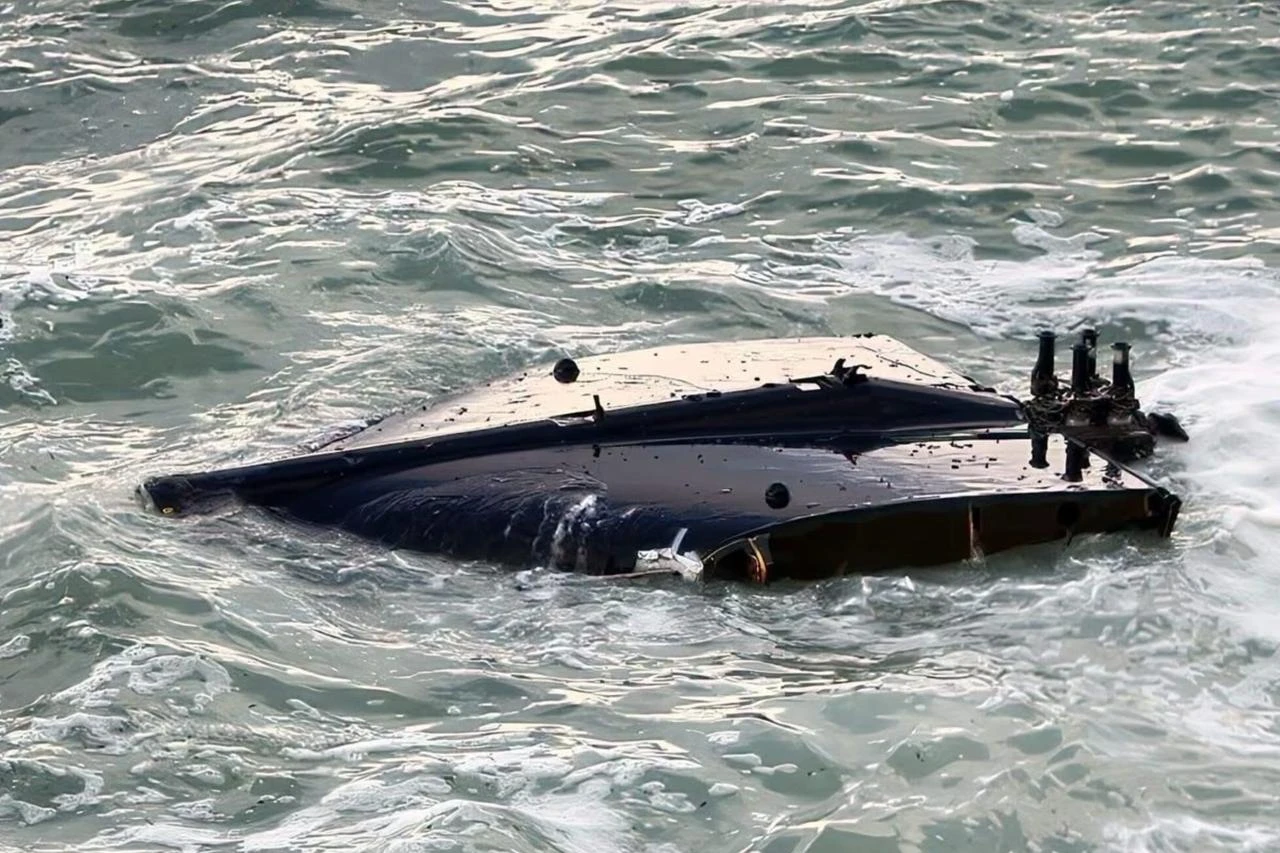
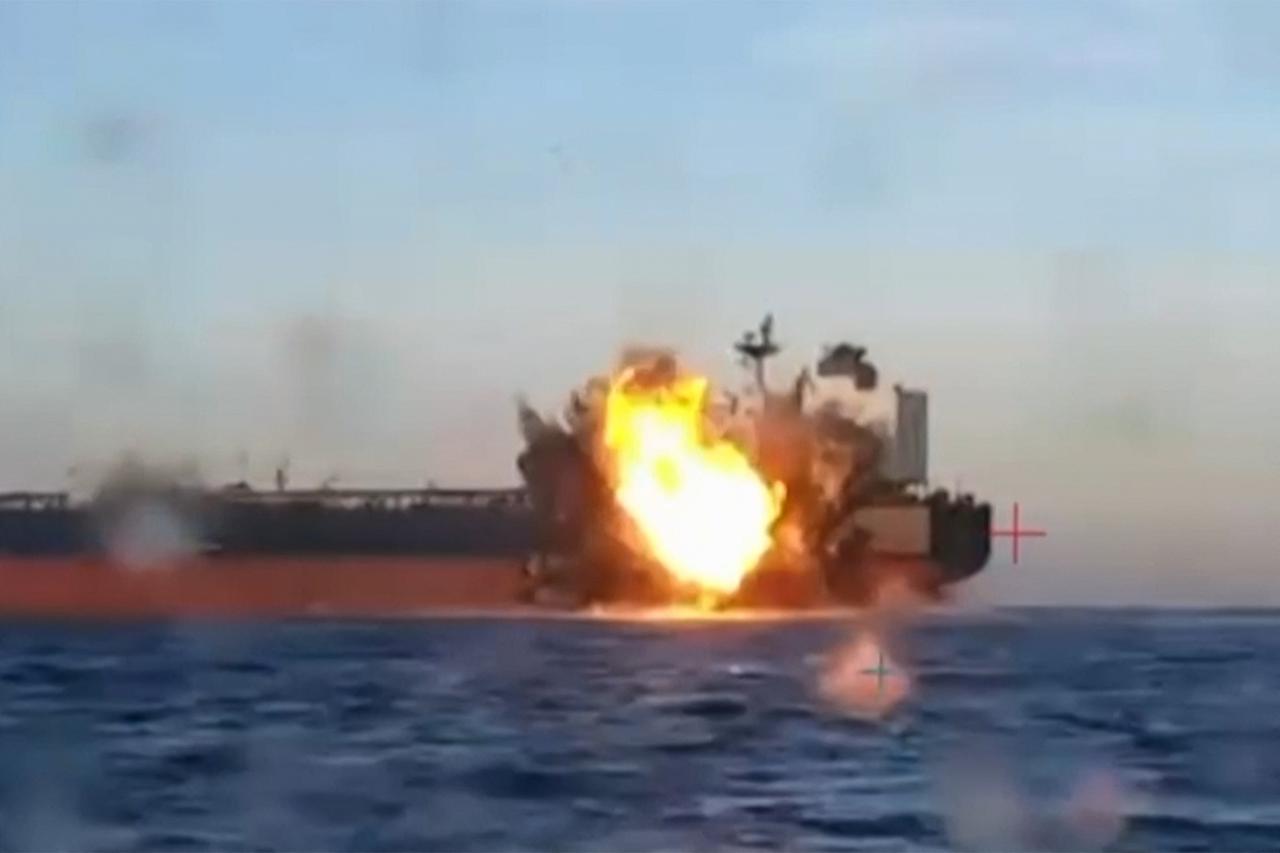
The Turkish president cautioned against escalating military activity in the Black Sea, warning that such developments would harm both Russia and Ukraine. "The Black Sea should not be seen as an arena of rivalry," Erdogan said, emphasizing that freedom and safety of navigation remain essential for all nations with access to the strategic waterway.
Türkiye controls the Bosphorus and Dardanelles straits, which connect the Black Sea to the Mediterranean, giving Ankara significant influence over maritime access to the region. Under the 1936 Montreux Convention, Türkiye regulates naval passage through these waterways.
Erdogan also revealed that Putin reaffirmed his commitment to visit Türkiye, though no specific date was announced. "He also said 'I will keep my word,'" Erdogan recounted, characterizing Turkish-Russian relations as built on historical foundations and mutual trust rather than short-term interests.
During his Turkmenistan visit, Erdogan highlighted deepening economic ties between Ankara and Ashgabat. Turkish companies have completed approximately $55 billion in projects since Turkmenistan gained independence in 1991, with 19 current projects valued at $10 billion underway. This makes Turkmenistan the second-largest destination for Turkish contractors after Russia.
Erdogan said both nations aim to increase bilateral trade from its 2024 level of $2 billion to $5 billion. He praised Turkmenistan's 30-year commitment to permanent neutrality, a status formally recognized by the United Nations General Assembly on December 12, 1995. Türkiye has supported this neutrality framework, which Ashgabat has promoted as a foundation for regional peace.
Addressing Syria, Erdogan emphasized the importance of a March 10 agreement, though he did not specify details in his remarks. He argued that divisions along ethnic and sectarian lines have failed to benefit Syria, advocating instead for prosperity across all communities. "The March 10 agreement is a process that closely concerns the future of the region," he said.
On Gaza, the Turkish president called for Israel to fully honor ceasefire commitments and allow normal life to resume. When asked whether Türkiye would participate in a potential Peace Council following the ceasefire, Erdogan said Ankara has received no formal invitation but remains prepared. "As long as such meetings are held for peace, we are ready at any moment," he added.
Erdogan also urged the European Union to adopt a strategic approach to Türkiye's long-stalled accession process, suggesting that steps from Brussels would determine the relationship's trajectory.


 Set as preferred source
 Set as preferred source


 1 min read

 1 min read