Newsletters


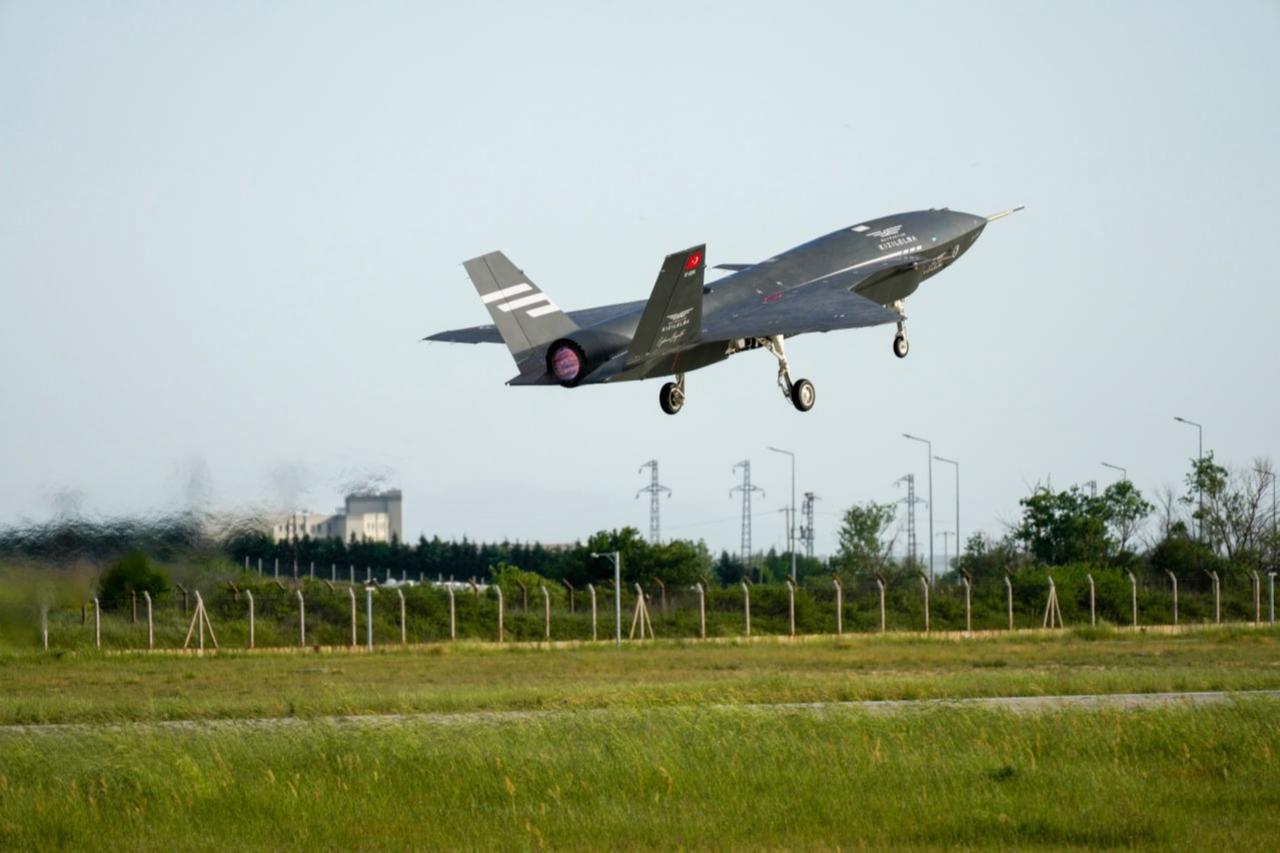


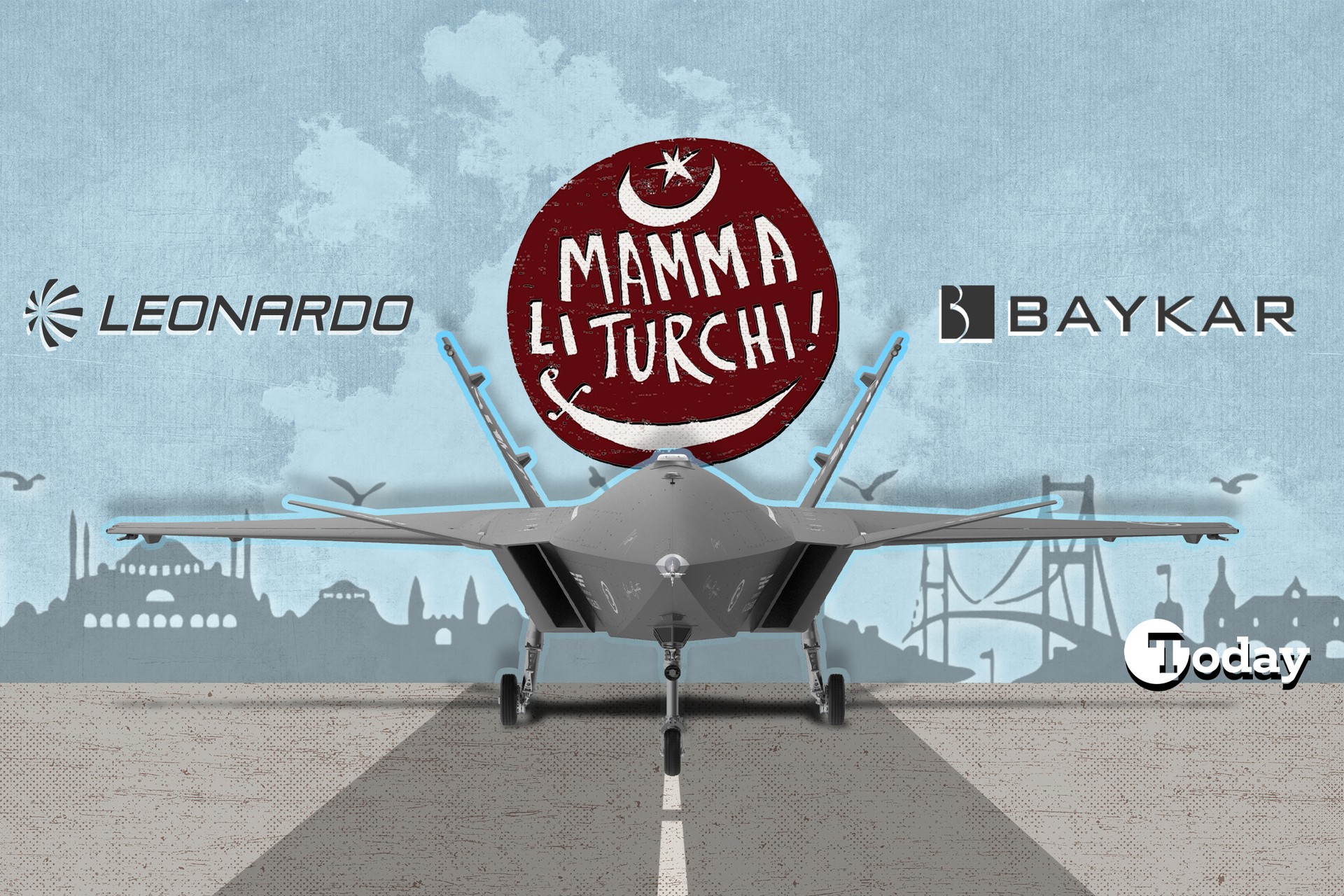
Leonardo's M-346 aircraft and Baykar's Bayraktar Kizilelma unmanned fighter aircraft (UFA) have completed a series of joint autonomous formation flights as part of the K-SWARM program.
This marked the first phase of live trials for the crewed/uncrewed teaming (CUC-T) initiative between the Italian and Turkish defense companies.
The program is aimed at designing and developing interoperability between crewed and uncrewed aircraft.
The live trials assessed and validated collaborative and coordinated operations through advanced, next-generation algorithms, marking what the companies described as "a pivotal step in transitioning from simulation to live operation through a digital engineering approach."
The testing was carried out in May at one of Baykar's flight and test centers in Corlu, Türkiye.
The flight test campaign involved two Leonardo M-346 aircraft, a Leonardo-owned M-346 Fighter Attack variant, with an Italian Air Force T-346A acting as chase aircraft, alongside the Bayraktar Kizilelma uncrewed fighter aircraft.
Testing activities consisted of a series of missions designed to assess the latest-generation algorithms, as well as tactics and procedures developed by Leonardo at its Avionic and Flight Control Innovation Labs and its product capability and concept laboratory, PC2LAB, in Turin, linked with an M-346 Full Mission Simulator in Venegono, Italy.
In parallel, Baykar integrated advanced smart-fleet autonomy capabilities into the CUC-T algorithms, using state-of-the-art software and hardware at its own facilities.
According to the companies' joint press release, Kizilelma's advanced autonomy capabilities significantly simplified the integration process, enabling seamless implementation and rapid deployment.
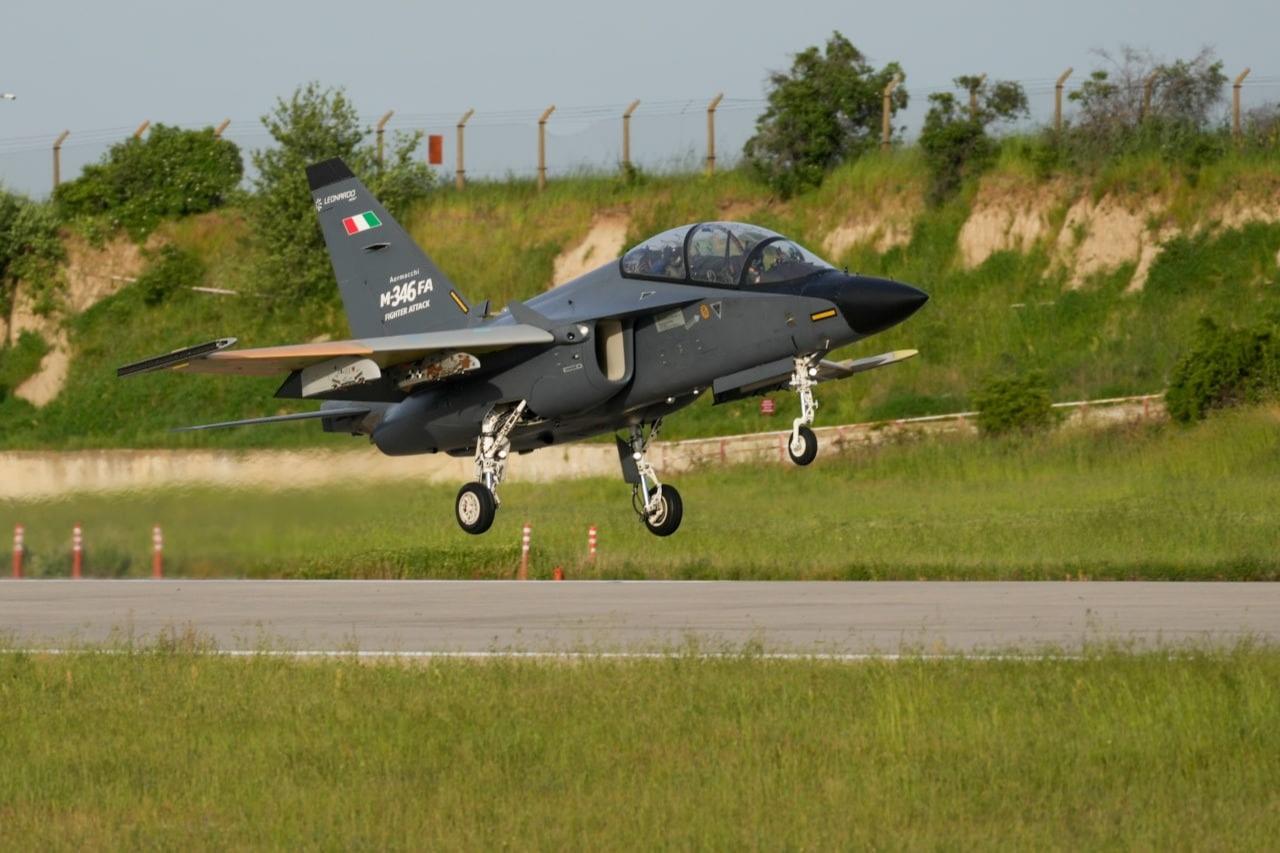

During the flight campaign, following an autonomous taxi and take-off, the Kizilelma autonomously rejoined the M-346 fighter attack using smart fleet autonomy algorithms developed by Baykar's Hardware-in-the-Loop (HIL) Laboratory, enabling the M-346 to subsequently assume full control of the unmanned aircraft.
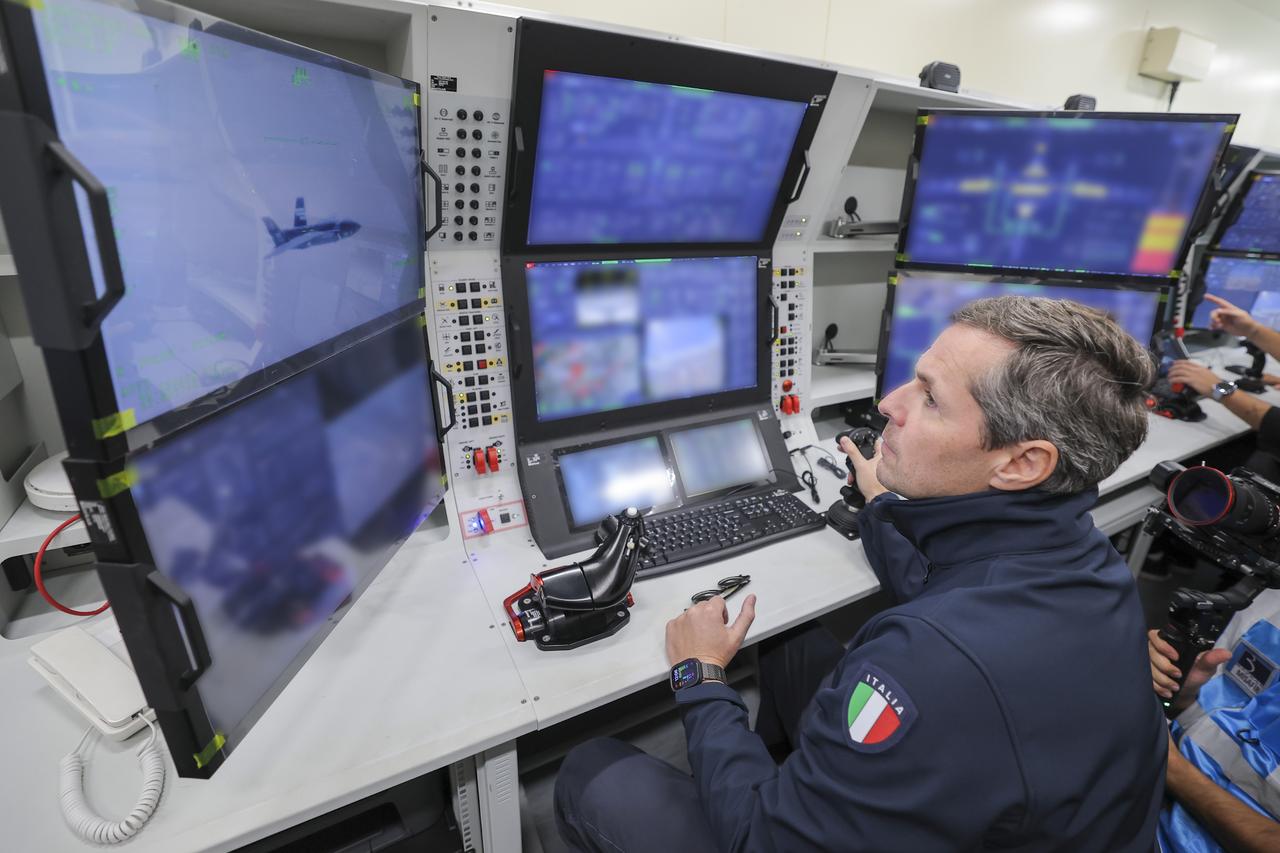
Using a newly developed, fully integrated onboard avionic suite, M-346 pilots commanded different formations that were autonomously executed by Kizilelma through a dedicated crewed/uncrewed computing system.
Various maneuvers and formations, including position changes, separations, and rejoins, were successfully tested, with Kizilelma responding accurately to the M-346's commands.
The two aircraft shared data via an advanced radio-frequency exchange system, synchronized and protected by Leonardo's GCC Tactical Platform, a proprietary cyber defense system providing real-time monitoring and command and control of flight formations.
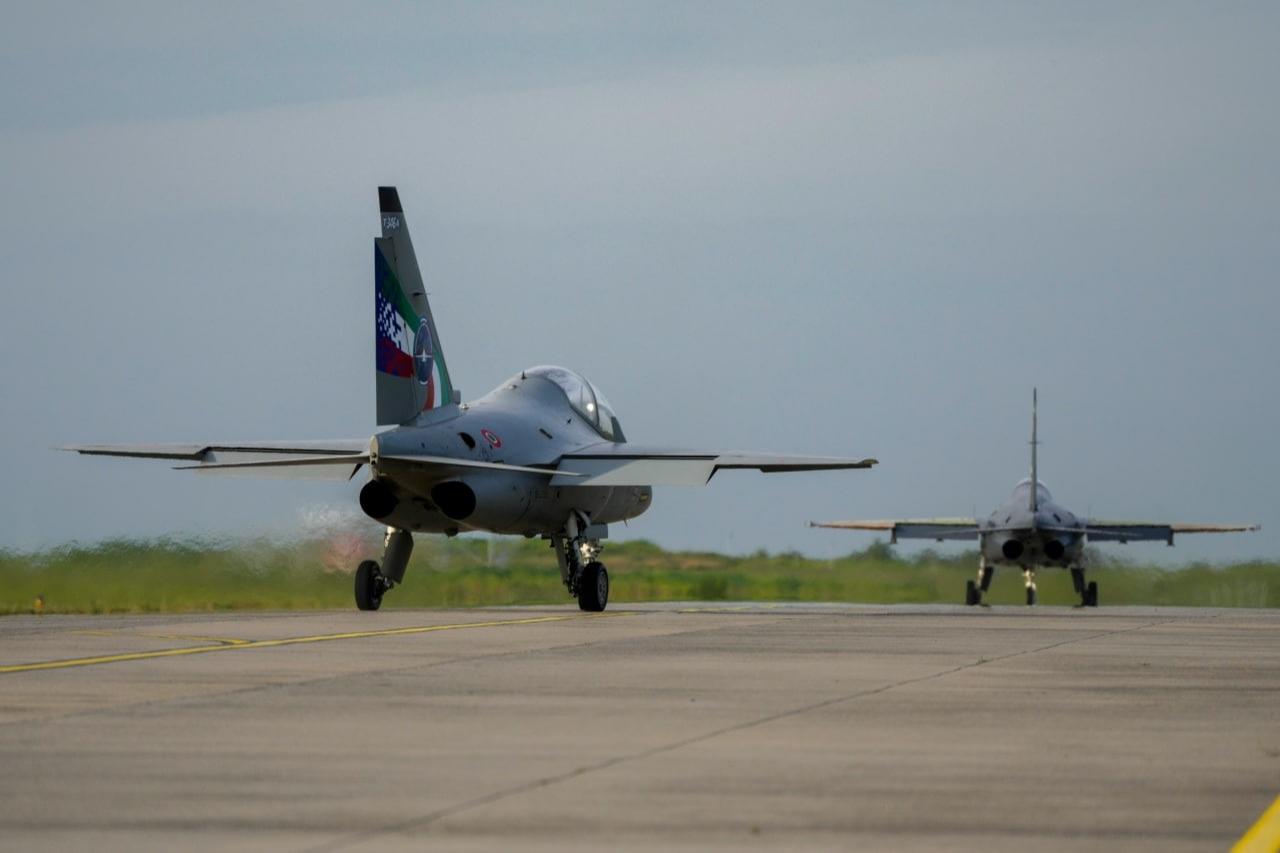
The activities performed in Corlu were the result of extensive preparation work involving pilots and technicians from both companies, carried out jointly over several months.
The work delivered the technical integration, testing scenarios and algorithm validation needed to run the trials safely and effectively.
Data and analysis from the trials will shape the next phase of the K-SWARM program as it advances toward more complex operations demanding greater situational awareness and closer coordination between assets.
The companies said that as AI, algorithms and collaborative procedures mature, uncrewed systems will gradually shift from remote piloting toward full autonomy—reducing pilot workload and improving mission efficiency while keeping humans in control of decisions.
New tests with increasing complexity and additional functions are planned in the coming months.
Leonardo and Baykar described the first phase of trials as demonstrating the strength of their partnership and their respective technological and industrial competencies, calling it "a concrete step toward developing critical capabilities for modern combat air operations in multidomain scenarios."


 Set as preferred source
 Set as preferred source


 1 min read
 1 min read