Newsletters





Violence in Türkiye is becoming more visible and less predictable.
Incidents are increasingly occurring in public rather than behind closed doors, while violence remains overwhelmingly male-driven, with men responsible for over 95% of cases.
According to a new report by Istanbul Kultur University’s Justice and Crime Psychology Laboratory (ASLAB), violence rose by 75% in 2025.
With a total of 2,289 incidents, the data points to a shift not only in scale but also in how and where violence occurs.
Injury-related cases accounted for 61.5% of all incidents, making them the most common form of violence.
The report draws on criminological and forensic psychological analysis to examine patterns across regions, demographics, and methods.
ASLAB Director Associate Professor Ayhan Erbay said the data signals a broader transformation.
“This shows that social trust has weakened and that individuals increasingly perceive each other as threats,” he told Cumhuriyet.
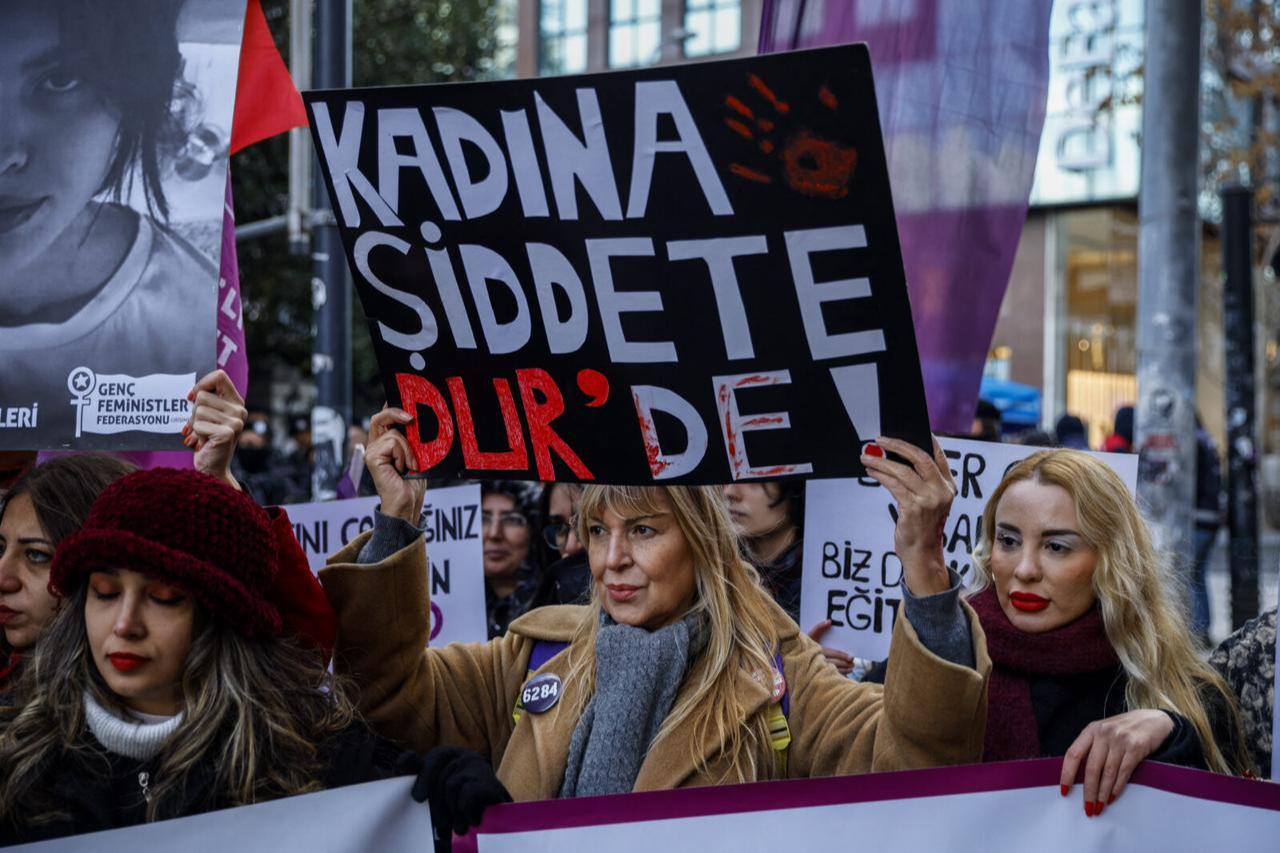

The report identifies a clear shift from violence occurring within familiar relationships to incidents involving strangers in public settings.
The share of cases involving unknown perpetrators increased from 13.2% in 2024 to 38.8% in 2025, pointing to a breakdown in social cohesion.
Researchers say this transformation reflects a broader climate in which violence is no longer confined to private disputes but has become a public safety concern.
The findings also show that vulnerable groups face increased exposure.
The share of incidents involving unknown perpetrators has also increased in cases involving children and elderly people, suggesting that existing social protection mechanisms are under strain.
The report also underlines the gendered nature of violence.
Men account for 95.5% of perpetrators, indicating that violence is not evenly distributed across society but concentrated within a specific demographic pattern.
The findings reinforce longstanding criminological research linking masculinity and violent behavior and frame this imbalance as structural rather than incidental.
Violence also follows a seasonal pattern. September stands out as the most dangerous month, accounting for 10.4% of incidents. Researchers link this increase to extreme heat and related stress factors.

The fact that men account for 95.5% of perpetrators suggests that violence is not a neutral social phenomenon, but one deeply intertwined with traditional gender roles.
Sociological analysis often frames this as a "performance" of masculinity—a tool used to assert dominance or reclaim a sense of power when other forms of authority feel threatened.
In many contexts, societal expectations equate manhood with strength, control, and the suppression of vulnerability, creating a cultural environment where aggression becomes a primary way for men to communicate or resolve disputes.
This gendered imbalance is further exacerbated by the "broader transformation" mentioned in the report, where weakening social trust and increasing perceived threats drive individuals toward defensive behaviors.
For many men, the pressure to uphold a specific image of "toughness" means that de-escalation is often viewed as a sign of weakness or a loss of status. Consequently, violence can also be viewed as a structural response to a climate where masculine identity is tied to the capacity for force.
When social cohesion breaks down, these rigid gender scripts can push men toward public displays of aggression as a means of establishing a sense of order or individual agency.
Addressing this trend requires looking beyond simple law enforcement to the root of how gender is socialized.
The report’s call for rehabilitation centers focused on male offender profiles highlights the need to dismantle the cultural scripts that link "being a man" with the use of violence.
Long-term prevention must involve emotional literacy and the promotion of alternative models of masculinity that do not rely on dominance.
Without addressing these underlying gender dynamics, violence remains likely to persist as a structural feature of the social fabric rather than a manageable outlier.
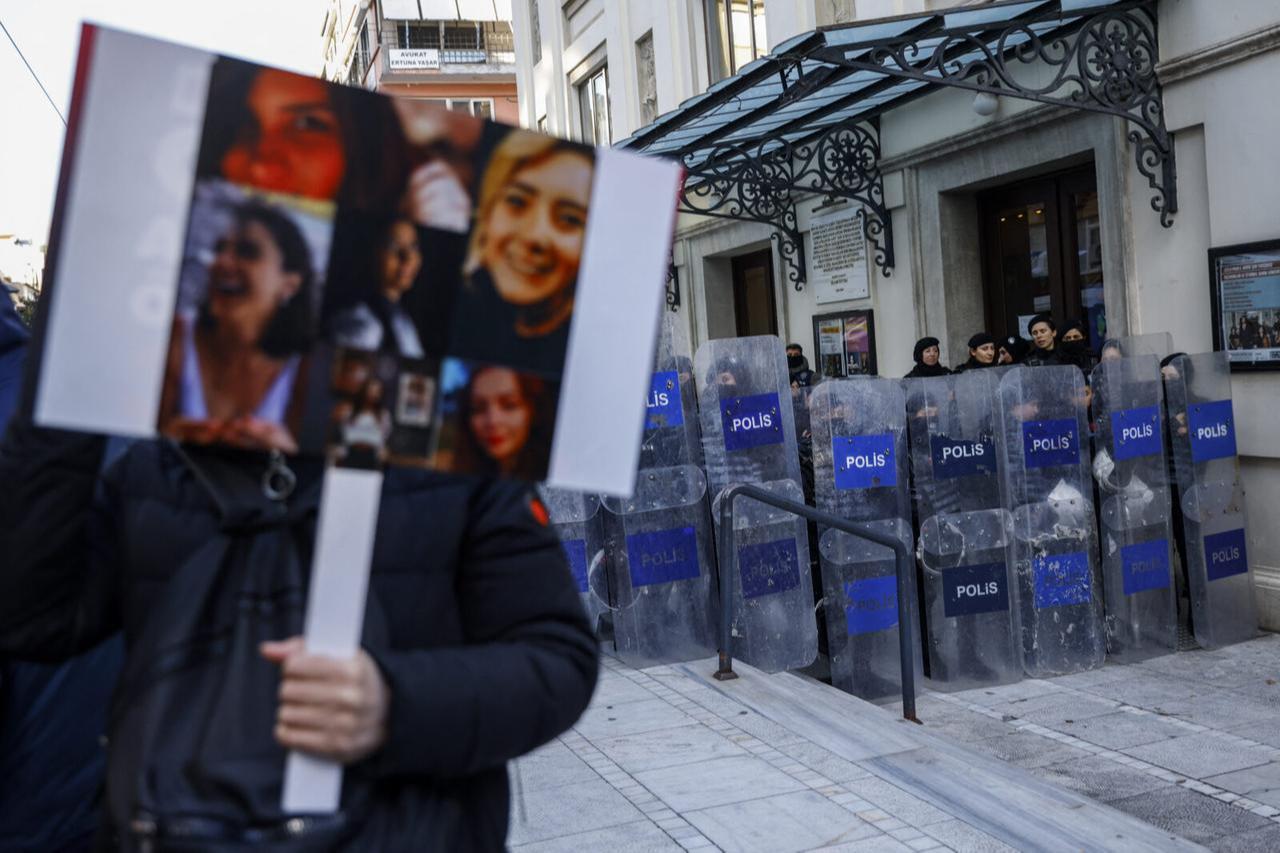
The report finds that firearms are a central factor in the growing lethality of violence.
Guns were used in 62% of homicide cases, indicating that individual armament plays a decisive role in fatal outcomes.
Researchers warn that access to firearms reduces the likelihood of non-lethal outcomes, increasing the overall social cost. Conflicts are more likely to end in death rather than injury or de-escalation.
At the same time, the geographic distribution of violence has shifted.
While previous patterns concentrated in the Marmara region, the latest data shows a move toward the Mediterranean and southeastern regions.
Sanliurfa and Adana have emerged as key hotspots.
Case numbers increased approximately 13-fold in Sanliurfa and fivefold in Adana. Districts such as Haliliye and Seyhan are identified as high-risk areas, pointing to localized concentrations that require targeted intervention.

The report outlines a set of policy recommendations focused on prevention, control, and intervention in high-risk areas.
Proposed measures include:
Expanding legal protections and public awareness programs to encourage bystander intervention, especially in cases involving women, children, and elderly people.
Erbay said the findings show Türkiye is facing a multidimensional cycle of violence but added that coordinated and data-driven policies could still reverse the trend.
While these measures provide a necessary framework for immediate survival, they are ultimately just bandages on a structural wound.
Safety in Türkiye won’t be found solely in the barrel of a gun or a well-lit alleyway but in dismantling the cultural scripts that equate manhood with the capacity for force.
A society where 95.5% of violence is driven by a single demographic isn’t just facing a security crisis but is also battling a silent identity crisis.
Until the bruised ego at the heart of the data is addressed, the streets will remain the default arena for a version of masculinity that has yet to find a peaceful way to belong.


 Set as preferred source
 Set as preferred source


 6 min read